
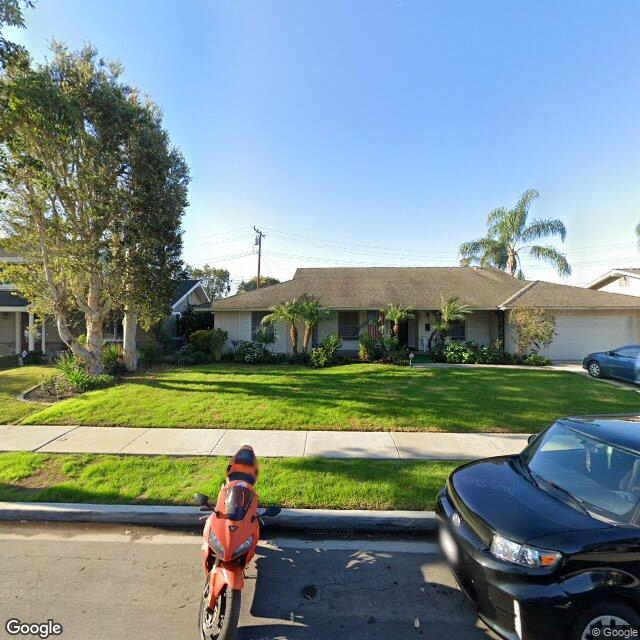
1825 Samar Drive, Costa Mesa, CA 92626
For more information about senior living options: (866) 208-4318
Star Dust Home Costs & Pricing
At Star Dust Home, the monthly costs for accommodations reflect a commitment to quality and care tailored to individual needs. The pricing structure reveals that semi-private rooms are offered at $4,000, which is notably higher than the average in Orange County ($3,431) and statewide in California ($3,333). Similarly, private rooms at Star Dust Home are priced at $5,000, surpassing the local and state averages of $4,104 and $3,939 respectively. While the costs may be elevated compared to surrounding areas, they underscore a dedication to providing an exceptional standard of living and personalized services that ensure residents feel valued and well cared for.
| Floor plans | Star Dust Home | Orange County | California |
|---|---|---|---|
| Semi-Private | $4,000 | $3,431 | $3,333 |
| Private | $5,000 | $4,104 | $3,939 |
Assisted Living communities with a similar price nearby
-
About the same

Cadence Brea
$3,995 to $5,500 / month16.7 miles away -
from -$500 / mo
Kind Heart Home Care VI
$3,500 to $5,000 / month23.9 miles away -
from -$500 / mo
Loving Home Care
$3,500 to $4,500 / month7.4 miles away -
from -$700 / mo

Bella Manor II
$3,300 to $4,290 / month13.2 miles away -
from -$500 / mo

Sam's Homecare
$3,500 to $5,500 / month17.2 miles away
Overall Review of Star Dust Home
Pros
 The experience was excellent.
- The staff were outstanding.
- The staff were kind to the reviewer’s mom.
- There was a lot of love and personal care provided.
- The staff were personally invested in ensuring everyone was comfortable and safe.
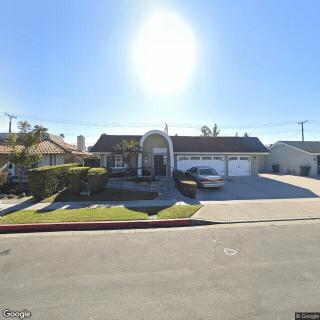
- The home is beautiful, in a nice residential area, and well kept.
- The location and administrator were easy to work with.
- The room was nice and pleasant to visit a loved one.
- The food was very good for residents.
- The home has dogs and a pretty street.
- The back yard is beautiful.
- Two dog walks are offered daily.
- The facility has 24 years of operation.
- There are six rooms and four staff members.
- Door alarms are in place in the evening.
Cons
 A shared client was in bad condition.
Review
Star Dust Home in Costa Mesa is best suited for families seeking a small, home-like setting where personal attention, warmth, and a sense of neighborhood come first. This community shines for loved ones who value relational caregiving, daily kindness, and a residence that feels more like a comfortable update to home life than a clinical facility. It suits seniors who appreciate a quiet, well-kept environment, where staff are invested in comfort, safety, and meaningful connection. The vibe suits residents who thrive in an intimate, predictable routine and who are comfortable sharing space in a six-room house with attentive caregivers present. Those who want a wide array of on-site activities or a tour through a large campus should look elsewhere.
A core strength is the combination of a long-established operation with a genuinely personal touch. The home has been in business for decades, and the small footprint means staff can know residents by name and anticipate needs before they are explicitly voiced. Families consistently note that the administrator is approachable and that the location is convenient to relatives and services. The physical setting reinforces this stability: a pretty street, a nicely kept yard, and a residence that feels like a real home rather than an institution. The presence of dogs and the routine of two daily dog walks add a comforting layer for residents who enjoy pet companionship. In short, the emotional and logistical ease offered by the environment often translates into calmer days and clearer communication with caregivers.
Care quality is underscored by tangible daily realities: notably, heartfelt warmth from caregivers, visible love in how residents are treated, and attention to safety. Room visits are comfortable, and the space is described as pleasant for family members to spend time with their loved one. Food is noted as a strong point, which matters greatly in everyday satisfaction and overall well-being. The combination of a well-kept home, two daily dog walks, and accessible, responsive staff creates a grounded sense of well-being that families notice from the first tour. The small staff-to-resident ratio, four staff for four patients, suggests a level of hands-on care that can translate into quicker responses and more individualized attention when needs arise.
Yet no review is without caveats, and there are clear considerations for families to weigh. The facility’s small size is a double-edged sword: while intimacy and attentiveness are where it shines, it can also mean limited capacity for social programming or sudden surges in care needs. One resident being described as “in bad condition” signals that the home handles higher-acuity situations, which is manageable in a close-knit setting but may stretch resources if multiple residents require intensive supervision at once. The safety features, such as evening door alarms, are reassuring, but they also imply a controlled environment that may feel restrictive to some families seeking more autonomy for their loved one. Finally, a 30-day vacancy notice requirement creates a potential hurdle for families seeking flexible move-in timing or rapid transitions.
These strengths and constraints shape a clear decision framework: the strongest case for Star Dust Home rests on its relational care, stability, and residential comfort, which offset the constraints of size and flexibility for well-matched residents. For a family that prioritizes a warm, predictable routine, meaningful daily interactions, and the emotional comfort of a pet-friendly, home-like setting, the advantages far outweigh the limitations. The care team’s evident investment in safety and comfort, combined with a pleasant environment and quality meals, creates daily lived value that bigger campuses may dilute. However, the very features that drive warmth, small scale, single-community operations, and the need for precise scheduling, also mean that families should be sure their loved one’s acuity, required activities, and preferred move-in timing fit within this framework.
When considering Star Dust Home, a practical next step is to tour with a clear list of questions: confirm current and anticipated staffing levels for your loved one’s needs, review mealtime routines and menu options, and observe how caregivers interact with residents during a normal day. Discuss the administrator’s approach to high-need scenarios and how transitions are managed if a resident’s condition changes. Clarify the pet policy, visiting hours, and the exact implications of the 30-day notice for move-in timing. If a family seeks more robust clinical oversight, richer structured programming, or greater move-in flexibility, alternatives in larger assisted-living communities may fit better. For those prioritizing a heartfelt, neighborly atmosphere with dependable care, Star Dust Home stands out as a thoughtful, high-touch option worthy of serious consideration.
 6 resident community capacity
 Assisted Living
 Board and Care Home
 Activities off-site
 Cable or satellite TV
 Dining room
 Fully furnished
 Garden
 Housekeeping services
 Move-in coordination
 Outdoor space
 Private
 Telephone
 Wi-Fi/high-speed internet available
 John Wayne Orange Co (4 miles away)
 24-hour supervision
 Assistance with bathing
 Assistance with dressing
 Assistance with transfers
 Diabetes diet
 High acuity care
 Incontinence care
 Meal preparation and service
 Medication management
 Special dietary restrictions
 Transportation arrangement (medical)
 Transportation to doctors appointments


 Exploring the Path to Senior Living: A Comprehensive Look at Independent Living and Assisted Living
 Is Assisted Living Deductible on Your Taxes? Understanding the Complexities of Assisted Living Expenses and Deductions
 Assisted Living Support for Veterans: A Complete and Detailed Overview