
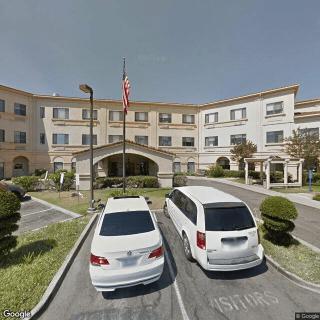
260 East 16Th Street, Costa Mesa, CA 92627
For more information about senior living options: (866) 208-4318
Overall Review of Newport Senior Living II
Pros
 The staff at Newport Mesa Senior Living are consistently kind and caring toward residents.
- The community feels like home, with residents and staff greeting visitors with smiles and warmth.
- Maria, the activities director, arranges pet therapy by borrowing dogs for residents to love and pet.
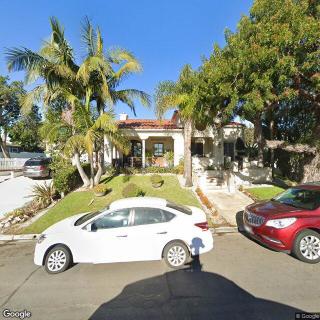
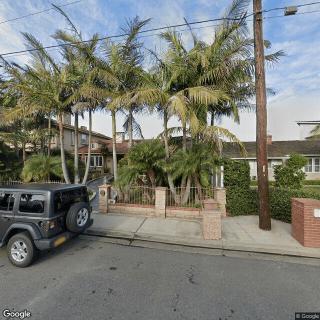
- The grounds are lush, and the cottages are clean, well maintained, and cozy.
- The staff turnover is low, contributing to stability, and volunteers help keep the atmosphere lively.
- Visiting professionals note the friendly team and the thriving residents.
- Liam and Rosie are wonderful staff members, with an upbeat team, and the facility is clean and appealing.
- Pacifica Senior Living Newport Mesa is a beautiful, welcoming community with high-quality, compassionate care.
- The staff provide a calm, family-friendly environment where residents receive dignified, attentive care.
Cons
 The reviewer would give zero stars and would not recommend this community to others.
- The staff hardly cares about their residents.
- The residents are changed only twice in the morning and end up soaked in their own feces.
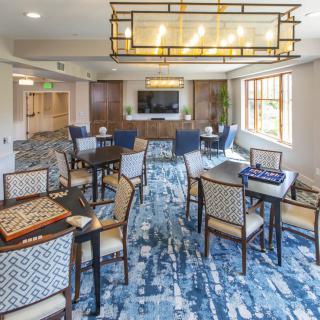
- The residents are left at the tables with no activities.
- The staff are inefficient and cut corners.
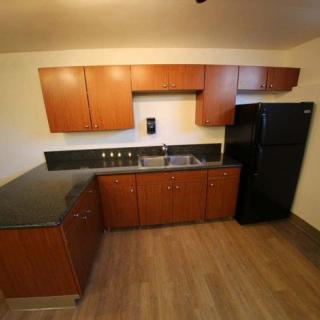
- The kitchen is disgusting, with roaches, gnats, and mold.
Review
Newport Senior Living II in Costa Mesa is best suited for memory-care oriented seniors and their families who want a warm, active, home-like environment with a stable, hands-on staff. This community excels when daily life centers on engagement, companionship, and predictable routines that foster a sense of belonging. Pet therapy and an emphasis on social programming appeal to residents who thrive on interaction, frequent activities, and a courtyard setting that invites safe exploration. For families prioritizing a quiet, highly clinical atmosphere or ultra-pristine kitchen standards, alternatives with a sharper clinical focus may be more appropriate.
On the strength side, stability stands out. Staff turnover is notably low, so residents benefit from familiarity, consistent approaches, and deeper relationships with caregivers. The outdoor areas and memory-care design receive consistent praise, creating an inviting backdrop for daily strolls and social time. A robust influx of volunteers and an active activities program keep days lively, while the presence of caring team members, often named by families, helps residents feel seen and valued. The overall impression is that this is a place where residents are treated with warmth and dignity, not merely cared for.
Still, one exceptionally negative review cannot be ignored. A single consumer voiced severe dissatisfaction, alleging neglect, limited activity, and startling sanitation problems in the kitchen, including roaches and mold. This account contrasts sharply with the prevailing positive sentiment and invites careful scrutiny. Prospective residents should press for concrete data: current staff-to-resident ratios, response times to calls, documented sanitation audits, and concrete corrective actions if gaps are found. A transparent tour should include a candid discussion about how concerns are handled when problems arise and how the facility maintains hygiene standards across shifts.
The positive anchors tend to offset the potential downsides for most families. Long-tenured staff, a calm, family-friendly atmosphere, and a memory-care focus provide a reassuring framework for daily care. Residents typically stay engaged through structured activities, music, and social events, reducing the risk of isolation that can accompany memory impairment. The communal energy, familiar faces, welcoming staff, and a sense of “home”, can be a decisive factor for families whose loved ones respond positively to routine, connection, and visible care. In many cases, these elements offer far more value than a sterile, fortress-like environment might.
When evaluating, families should treat Newport Senior Living II as a living plan rather than a backdrop. A thorough on-site tour is essential, ideally with a chance to observe meal service, activity participation, and staff-resident interactions across different times of day. Request a copy of a sample care plan, daily calendar, and a current menu, then probe for specifics on medication management, safety protocols, and emergency responsiveness. Ask for references from current families and, if possible, speak with both front-line caregivers and leadership about ongoing quality improvements. This process reveals how the community balances warmth, structure, and clinical oversight.
Overall, Newport Senior Living II offers a practical, compelling option for families seeking an active, supportive memory-care environment with dependable staffing and a strong sense of community. For those who prize social vitality, purposeful engagement, and a home-like atmosphere, the positives frequently outweigh the drawbacks. However, those prioritizing an ultra-pristine kitchen, perfect cleanliness, or very quiet, low-traffic surroundings may want to explore alternatives. The prudent path is a decisive tour combined with targeted questions behind the scenes, then pairing the findings with the resident’s temperament, medical needs, and family goals to determine if this community is the right match.
 6 resident community capacity
 Assisted Living
 Board and Care Home
 Cable or satellite TV
 Dining room
 Fully furnished
 Garden
 Housekeeping services
 Move-in coordination
 Outdoor space
 Telephone
 Wi-Fi/high-speed internet available
 John Wayne Orange Co (4 miles away)
 24-hour supervision
 Activities of daily living assistance
 Assistance with bathing
 Assistance with dressing
 Assistance with transfers
 Diabetes diet
 Meal preparation and service
 Medication management
 Special dietary restrictions
 Transportation arrangement (medical)
 Transportation to doctors appointments

 Assisted Living Expenses and Long-Term Care Insurance: A Comprehensive Exploration
 Securing Financial Support for Assisted Living: A Comprehensive Overview
 Social Security Benefits and Assisted Living: Navigating Options Across the U.S.