
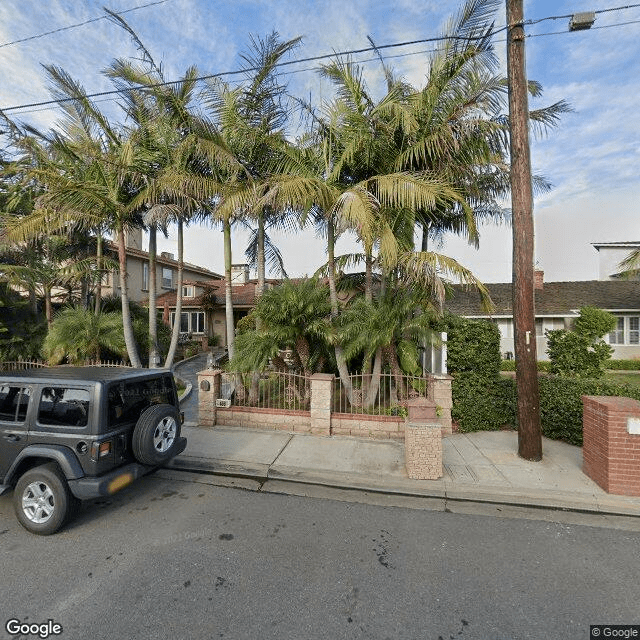
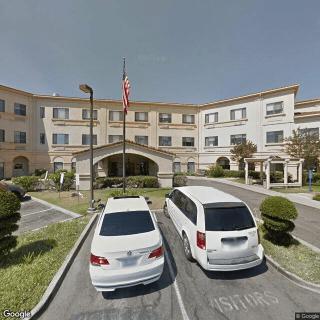
466 East 16Th Street, Costa Mesa, CA 92627
For more information about senior living options: (866) 208-4318
Newport Heights Manor Costs & Pricing
Newport Heights Manor presents a competitive pricing structure for its accommodations when compared to both Orange County and the broader California market. For semi-private rooms, residents can expect to pay $4,000 per month, which is notably higher than the county average of $3,431 and the state average of $3,333. In terms of private rooms and one-bedroom units, Newport Heights Manor maintains a consistent rate of $6,500 per month - significantly above the county's private room rate of $4,104 and one-bedroom rate of $4,380. Even when weighed against California's averages for these room types - $3,939 for private rooms and $4,340 for one-bedrooms - Newport Heights Manor positions itself at a premium price point. This suggests that while the costs may be elevated in relation to surrounding areas, they may reflect an enhanced level of service or amenities that potential residents might find appealing.
| Floor plans | Newport Heights Manor | Orange County | California |
|---|---|---|---|
| Semi-Private | $4,000 | $3,431 | $3,333 |
| Private | $6,500 | $4,104 | $3,939 |
| 1 Bedroom | $6,500 | $4,380 | $4,340 |
Memory care communities with a similar price nearby
-
About the same

Cadence Brea
$3,995 to $5,500 / month20.0 miles away -
from -$500 / mo
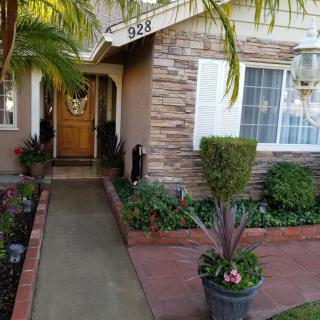
Comfort Keepers Home Care
$3,500 to $6,500 / month21.2 miles away -
from +$500 / mo
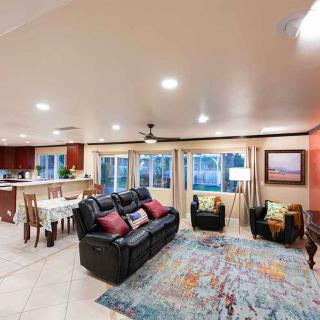
Casa Bella
$4,500 / month15.2 miles away -
About the same
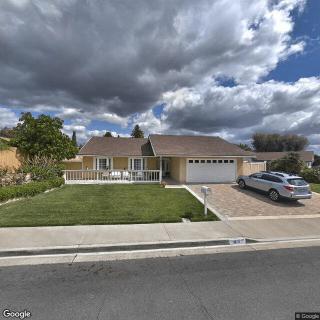
Active Senior Home Care
$4,000 to $5,000 / month14.3 miles away -
from -$500 / mo
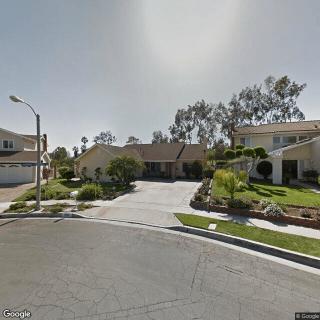
Sunny Ridge Manor Home
$3,500 to $4,000 / month18.0 miles away
Overall Review of Newport Heights Manor
Pros
 The home was clean and welcoming.
- The experience at Newport Heights Manor is very good.
- Newport Heights Manor is a nice place.
- The level of care provided is high.
Cons
 They wanted a bigger community with more people to interact with and more meal choices.
Review
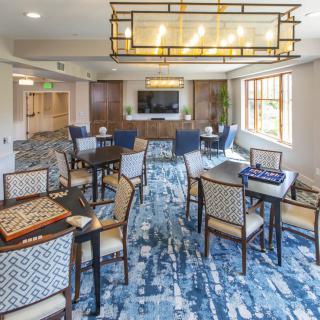
Newport Heights Manor in Costa Mesa, CA is best suited for seniors who want a calm, clean, and respectful environment where care is evident and staff attention feels personal rather than institutional. The community presents a clear picture of comfort and dignity, with an atmosphere that avoids the clinical feel of a hospital while offering services that go beyond basic assisted living. For families prioritizing thoughtful care, predictable routines, and a reassuring level of oversight, this is a compelling option.
Those who crave a larger social scene and a wider array of dining choices should consider alternatives. One reviewer explicitly expressed a desire for more residents to interact with and more meal options, signal that Newport Heights Manor operates with a more intimate footprint. For residents who measure success by bustling activity calendars, frequent communal dining, and a wide spectrum of menu choices, the current model may feel constricted. In short, social volume and culinary variety are material gaps for families weighing options against a livelier community.
The strongest pros here center on cleanliness, a welcoming mood, and a clear commitment to a higher level of care. The environment is described as neat and inviting, not sterile or impersonal, which reduces stress for residents and families alike. The stated quality of care stands out as a standout attribute, staff responsiveness, attentiveness, and a sense that residents are genuinely cared for beyond minimal AL expectations. In practice, these strengths translate into daily experiences where residents receive thorough help with activities of daily living, consistent monitoring, and a culture of dignity that many competing options struggle to maintain.
Where the evidence flags trade-offs, the calculus still tilts toward value for the right resident. The intimate scale of the community can feel limiting for those who equate “community engagement” with sheer numbers. Fewer residents naturally translate into fewer spontaneous interactions and fewer opportunities for group meals or large gatherings. While this reduces the sense of constant bustle, it also concentrates attention on individual needs, which can feel markedly reassuring. The potential drawback, a smaller pool of social dynamics, must be weighed against the benefit of more personalized care and predictable routines.
From a decision-maker’s perspective, several practical tests will sharpen the choice. First, verify the resident-to-staff ratio and the level of clinical oversight, clarifying how “not a hospital but more than assisted living” translates into day-to-day care. Second, request a snapshot of weekly activity offerings and a sample menu to quantify whether the dining experience meets the family’s expectations. Third, tour during a mealtime and interact with both caregivers and residents to gauge real-world engagement and warmth. Finally, compare this community against others with larger scales or more expansive dining programs to determine whether the social vitality gap is acceptable given the care quality on offer.
In sum, Newport Heights Manor delivers a practical, dignified option for families prioritizing attentive, higher-level care in a clean, welcoming setting. It shines for residents who value stability, personalized attention, and a non-hospital atmosphere, even if that means trading off a busier social calendar and broad meal variety. For those whose priority is a vibrant, bustling community with a wide range of dining choices, alternatives are worth pursuing. The right fit hinges on balancing care quality and personal interaction against the scale and culinary breadth that best match the senior’s preferences.
 6 resident community capacity
 Assisted Living
 Board and Care Home
 Memory Care
 Activities off-site
 Cable or satellite TV
 Dining room
 Fully furnished
 Garden
 Housekeeping services
 Indoor common areas
 Move-in coordination
 Outdoor common areas
 Private
 Respite or short term stays offered
 Telephone
 Wheelchair accessible showers
 Wi-Fi/high-speed internet available
 John Wayne Orange Co (4 miles away)
 24-hour supervision
 Ambulatory care
 Assistance with bathing
 Assistance with dressing
 Assistance with transfers
 Diabetes diet
 Diabetic care
 High acuity care
 Incontinence care
 Meal preparation and service
 Medication management
 Special dietary restrictions
 Transportation arrangement (medical)
 Transportation to doctors appointments
 Illuminating Insights About Alzheimer's Disease: Ten Crucial Realities
 A Thorough Discussion of Medications Potentially Linked to Dementia Risk
 Why Do Dementia Patients Sleep So Much? Understanding Oversleeping, Stages, and Care Approaches