

1400 East Circle City Drive, Corona, CA 92879
To contact a resident: (951) 735-0252
For more information about senior living options: (866) 208-4318
Corona Care Retirement and Convalescent Costs & Pricing
At Corona Care Retirement and Convalescent, the monthly costs for accommodations are notably more economical compared to both Riverside County and the broader California state averages. For a semi-private room, residents can expect to pay $1,200, which is significantly lower than the $2,844 average in Riverside County and the $3,333 statewide figure. Similarly, studio apartments at Corona Care are priced at $1,800, offering a compelling alternative to the county's average of $3,559 and California's average of $4,145. This pricing structure positions Corona Care as an attractive option for those seeking quality care without the burden of exorbitant fees.
| Floor plans | Corona Care Retirement and Convalescent | Riverside County | California |
|---|---|---|---|
| Semi-Private | $1,200 | $2,844 | $3,333 |
| Studio | $1,800 | $3,559 | $4,145 |
Assisted Living communities with a similar price nearby
-
from +$100 / mo
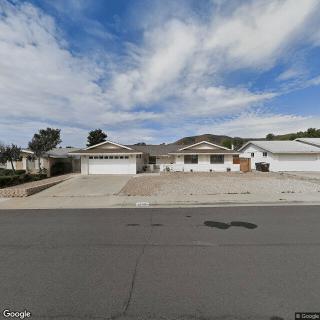
Gem's Senior Living I
$1,300 to $2,500 / month22.5 miles away -
from +$150 / mo

Wilshire Manor
$1,350 to $2,200 / month22.2 miles away -
About the same

Winter Woods Cottages
$1,200 to $1,500 / month14.8 miles away -
from -$187 / mo
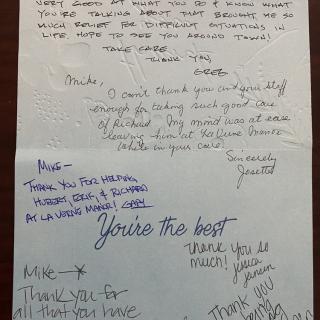
La Verne Manor
$1,013 to $2,000 / month20.0 miles away -
About the same
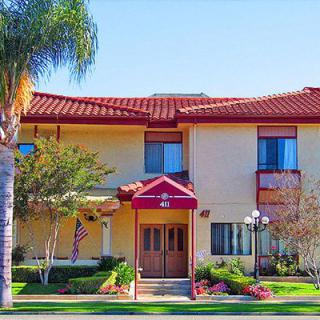
Fullerton Rosewood Assisted Living
$1,200 to $1,700 / month21.1 miles away
Overall Review of Corona Care Retirement and Convalescent
Pros
 The staff provide excellent service, with nurses who are sweet and understandable, and therapy that is excellent.
 - The staff are caring and wonderful, on top of everything, with strong wound care and nursing support.
- Dr. Chen and the nursing team are fantastic—pleasant, helpful, and supportive.
- The staff are kind, helpful, compassionate, and extremely attentive to patients.
- The facility is nice, with friendly, hardworking nurses who treat residents like family.
- Nursing, therapy, and the entire staff are top notch, contributing to a great recovery.
- Residents receive attentive care, nutritious meals, and engaging activities that keep them active and satisfied.
Cons
 The staff there are really rude.
 - The management team is very unprofessional and there is no set standard they follow.
- The staffing is constantly changing.
- Employees are very rude with zero customer service.
- It smells like urine and there is very bad care for the elderly.
- They will let a loved one suffer in pain; the doctors and staff don’t care about patients, only the money.
- The front desk and doors are not watched, allowing a resident to wander for hours.
- The facility is described as drug- and booze-infested and not a safe senior living home.
Review
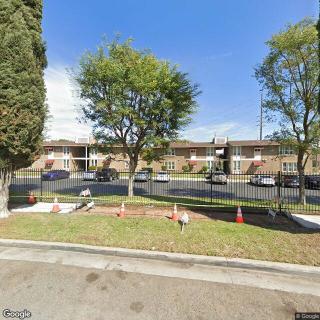
Corona Care Retirement and Convalescent in Corona, CA is best suited for families prioritizing hands-on skilled nursing and rehabilitation where the clinical team, nurses, therapists, and doctors, can deliver aggressive wound care, physical therapy, and post-acute recovery. In multiple accounts, the nursing and therapy staff are described as attentive, compassionate, and effective, with particular praise for wound care, nutrition, and individualized attention that helps patients regain function. The facility can feel like a tight-knit, caretaker-focused environment when the care team is stable and engaged, and several residents’ families report genuine gratitude for the recovery progress and daily support. This makes Corona Care a reasonable choice for short- to medium-term rehab or convalescent stays where medical oversight and therapy intensity are the priority.
On the other hand, potential residents and families should seriously consider alternatives if administrative consistency and safety oversight are nonnegotiable. A recurring thread across reviews is that management can be unprofessional or inconsistent, with frequent staffing changes that disrupt continuity of care. Front-desk responsiveness and overall customer service are flagged as problematic by multiple families, and safety concerns arise from reports of doors or entrances not being adequately secured, and even wandering residents. The facility’s aging building, parking challenges, and occasional environmental complaints (such as strong odors) further tilt the risk-benefit balance for those seeking a highly polished, well-oiled operation.
The strongest positives, compassionate nursing, capable physical therapy, and reliable daily routines, often emerge when the staff operates with stability and clear leadership. Where these factors align, families note smooth coordination of care, thorough medication administration, and a rehabilitation trajectory that supports meaningful gains. Positive testimonials highlight engaged staff who listen, a warm atmosphere in the therapy and nursing zones, and food that residents enjoy. These benefits can offset some operational friction, particularly for families who can remain actively involved, ask the right questions, and demand consistent follow-through from care teams.
Yet the main cons cannot be easily dismissed. Persistent concerns about management behavior and communication gaps recur across several reviews, suggesting that the quality of daily care may hinge on shifting personnel and supervisory attention. Reports of disrespectful or inattentive front-line staff, times when patient needs were not promptly addressed, and allegations of neglect or rushed care create a cautionary backdrop for long-term residency. Environmental and safety notes, such as the building’s age, access control issues, and the potential for overheard or unmonitored patient movement, underscore the reality that a highly controlled, well-structured setting is not guaranteed.
From a decision-making standpoint, Corona Care holds clear potential for families with acute rehabilitation goals who can commit to close oversight and proactive communication with the care team. For those seeking a consistently low-stress, predictable care environment, or for residents with higher safety or behavioral needs, alternatives with steadier administration and stronger, more uniform policies should be explored. The variability in experiences, ranging from outstanding clinical care to troubling administrative lapses, means this facility rewards diligence and engagement from families more than passive reliance on posted assurances.
Practical next steps are essential. Prospective residents should schedule extended tours during peak hours to gauge responsiveness, request meetings with the director or administrator, and interview several nurses and therapists about typical daily routines and staffing levels. Request to review recent care plans, wound care notes, and therapy progress with the treating clinicians, and observe patient interactions in common areas and on the floor. If possible, seek references from multiple families about both short-term recovery experiences and longer-term care quality. Corona Care can be a strong fit for targeted recuperation and dedicated medical oversight, but only for those willing to navigate variable management, advocate for consistent standards, and compare closely against alternatives that promise steadier administration and safety.
 Assisted Living
 Independent Living
 Activities on-site
 Devotional services off-site
 Indoor common areas
 Respite or short term stays offered
 Ontario International (13 miles away)
 Diabetic care
 High acuity care
 Incontinence care
 Meals provided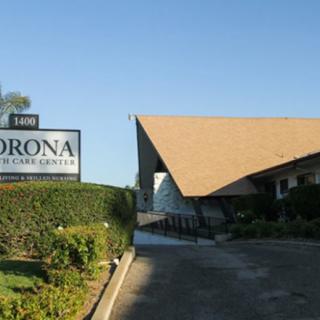



 Assisted Living Support for Veterans: A Complete and Detailed Overview
 Exploring the Contrasts Between Assisted Living and Skilled Nursing
 8 Key Indicators That Suggest It May Be Time to Transition from Assisted Living to Skilled Nursing Care