
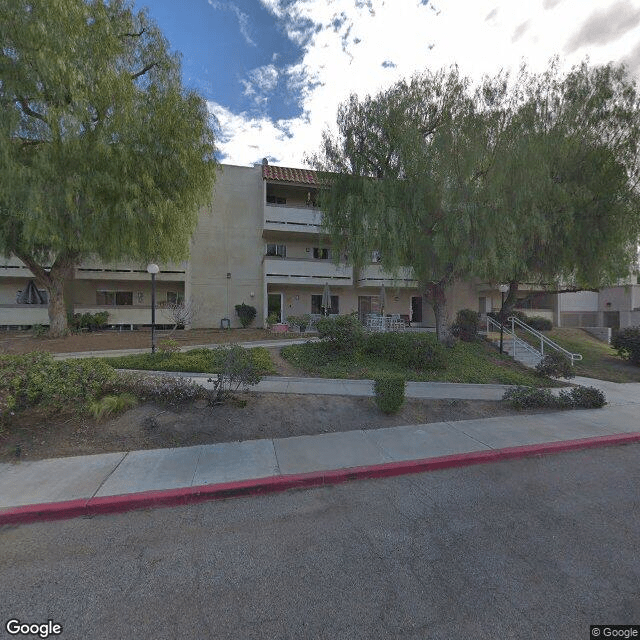
2680 S Main St, Corona, CA 92882
To contact a resident: (909) 272-1868
For more information about senior living options: (866) 208-4318
Overall Review of Corona Community Villas
Pros
 Mike is a very good maintenance guy.
Cons
 Absentee management plagues the property.
- The maintenance worker Mike is capable but gets no support from the absent manager.
- The manager is rarely on site, often arrives late, and works in an office with the door closed and lights out.
- The regional manager is the manager’s brother, who is also rarely on site.
- Residents have had to let the Fire Department in during 911 calls due to the manager’s absence.
- A laptop containing residents’ personal information was recently lost by Luis.
- SK Management needs to check up on the two brothers.
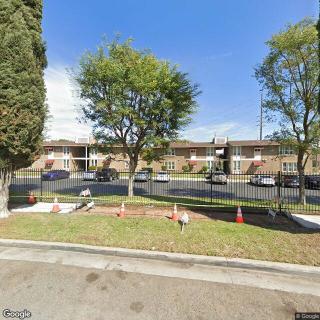
- The front of the building is defaced by unpainted wood and junk.
Review
Corona Community Villas is best suited for seniors who can tolerate intermittent on-site leadership in exchange for a smaller, homey setting and a maintenance team that actually handles repairs when allowed to work without obstruction. The standout asset is a capable maintenance technician who tends to repair needs promptly, giving residents reassurance that basic upkeep won’t be neglected. In a pinch, these residents will appreciate a hands-on fix-it approach and a property that doesn’t rush to outsource every task. Yet the absence of a consistently present on-site manager means day-to-day operations drift without clear accountability, and that reality should guide any decision.
Those who require steady, visible management and proactive governance should clearly look at alternatives. The property appears to be run with limited on-site leadership, with a regional manager who rarely visits and a manager who is described as largely absent. That gap translates into slower decision-making, uneven communication, and a sense that resident concerns may never rise above a backlog of administrative inattention. For families prioritizing reliable oversight, clear accountability, and predictable responses to problems, a different community with an active on-site leadership team is a more prudent option.
The primary positives, responsive maintenance when the effort is allowed to occur, do offer real value, especially for residents who can navigate the practical realities of limited management. A good maintenance presence can translate into fewer days spent waiting on repairs and less disruption to daily routines. However, these advantages are fundamentally constrained by the larger governance gaps. The same staff member operates in an environment where authority, scheduling, and policy enforcement depend on a manager who is frequently absent. In such a setup, small issues can linger, and larger concerns may never receive the coordinated attention needed to prevent recurring annoyances or safety risks.
The most troubling aspects center on safety, security, and appearance. Residents report that an emergency response can be hampered by the need to grant access to the building, turning a stressful moment into an awkward, improvised process. The implication that a fire department or emergency responder could be delayed because on-site access rests with residents, rather than a trained, accountable administrator, is a tangible risk. Equally concerning is a documented lapse in handling sensitive resident information, the loss of a laptop containing personal data points to lax data protection practices. Coupled with a front of the building that has been allowed to fall into defacement and neglect (unpainted wood, junk materials), there is a clear signal that curb appeal and property stewardship are not being prioritized. These factors can erode peace of mind and complicate everyday living, especially for families who count on safety, privacy, and a well-maintained exterior as non-negotiables.
For families weighing options, concrete due diligence is essential. Seek confirmation of on-site leadership presence, an explicit schedule for visits, and a transparent incident log that documents how emergencies and resident concerns are handled. Inquire about the property’s exterior maintenance plan, including timelines for completing repairs and updates to the building’s façade. Request a reviewed privacy and data-protection policy, plus evidence of responsible handling of resident information. If possible, observe how staff respond during a typical day and talk with residents about their experiences with management accessibility, communication, and follow-through. If these assurances cannot be provided or if there is little appetite for strengthening governance, alternatives deserve serious consideration.
Ultimately, Corona Community Villas may suit those who value immediate, practical maintenance support and are comfortable with a lighter, less visible on-site leadership framework. For families prioritizing consistent management, robust safety protocols, transparent operations, and consistently maintained common areas, alternatives are strongly advised. The decision should hinge on whether the value of a responsive maintenance fix justifies exposure to governance gaps, emergency access challenges, and aesthetic neglect. If a higher standard of on-site supervision and proactive property stewardship is essential, the search should continue elsewhere, with a clear ask for measurable commitments before moving in.
 Independent Living
 Ontario International (14 miles away)




 Seniors and Modern Transportation: Exploring Uber, Lyft, and Other Ride-Hailing Options
 Comprehensive Guide to Qualifying for Home Health Care Services
 Powerful Realities of Elder Abuse and the Most Effective Ways to Report It