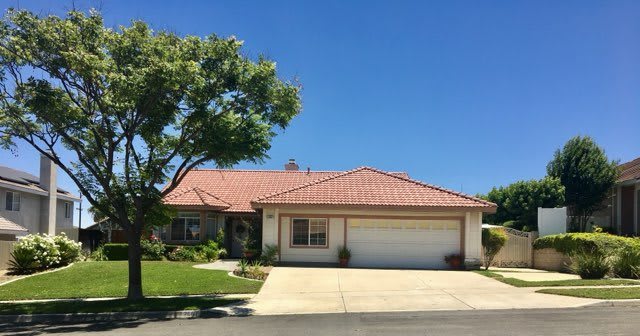
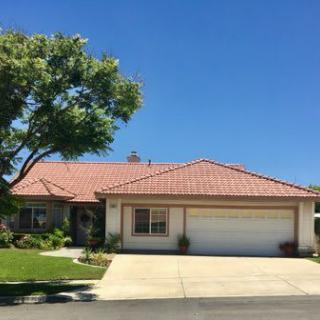
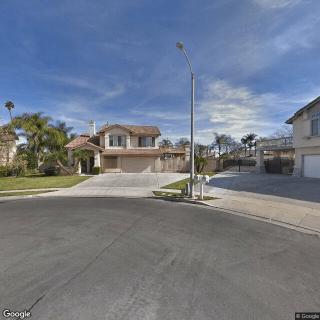
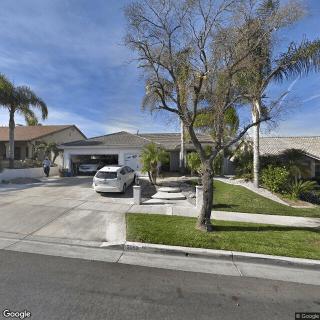
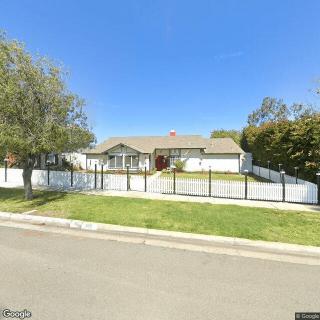
2667 Cherrybark Lane, Corona, CA 92881
For more information about senior living options: (866) 208-4318
Clarissa's Home Care Costs & Pricing
At Clarissa's Home Care, the monthly costs reflect a commitment to providing quality care, with semi-private rooms priced at $4,000 and private rooms at $5,000. When compared to Riverside County, where semi-private accommodations average $2,844 and private rooms are around $3,474, our rates are significantly higher. Similarly, California's state averages position semi-private rooms at approximately $3,333 and private options at $3,939. These figures highlight that while Clarissa's Home Care may be positioned above local and state averages in terms of pricing, this can be attributed to the enhanced services and personalized attention that residents receive within our facility.
| Floor plans | Clarissa's Home Care | Riverside County | California |
|---|---|---|---|
| Semi-Private | $4,000 | $2,844 | $3,333 |
| Private | $5,000 | $3,474 | $3,939 |
Assisted Living communities with a similar price nearby
-
About the same
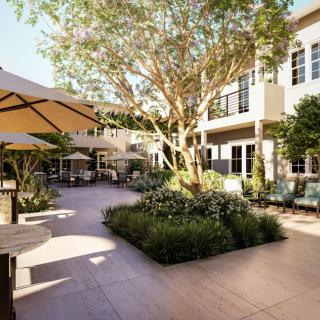
Cadence Brea
$3,995 to $5,500 / month19.4 miles away -
from -$500 / mo

Sam's Homecare
$3,500 to $5,500 / month14.4 miles away -
from -$400 / mo
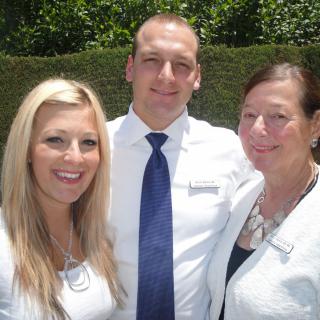
Genesis Manor VI
$3,600 to $4,200 / month19.4 miles away -
from -$500 / mo
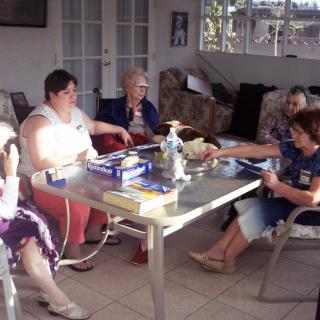
Golden Life Manor
$3,500 to $4,000 / month18.6 miles away -
from +$500 / mo
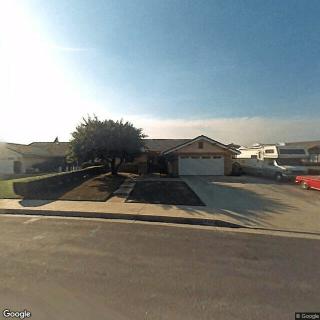
Heritage Senior Home Care
$4,500 to $4,800 / month22.5 miles away
Overall Review of Clarissa's Home Care
Pros
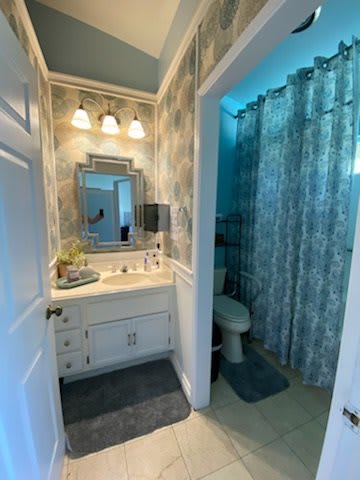
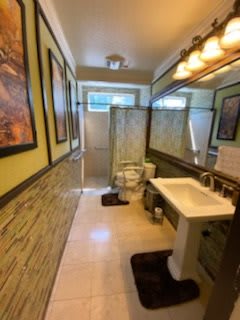
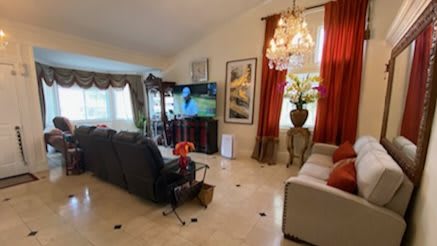
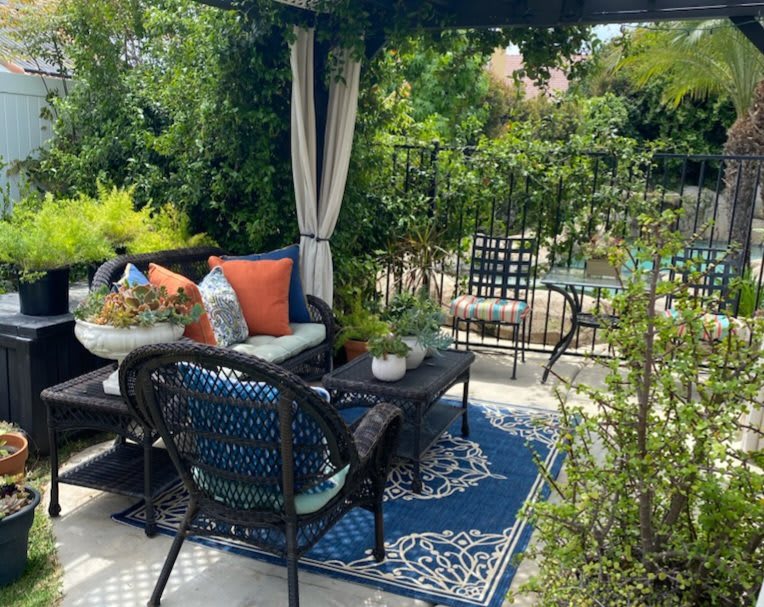
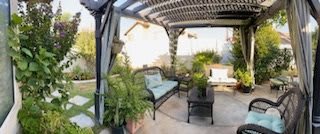
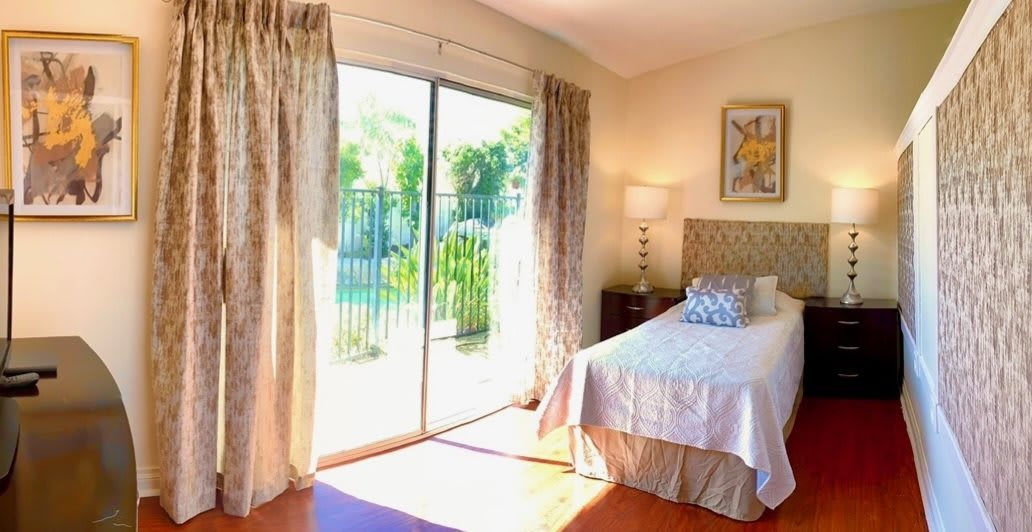
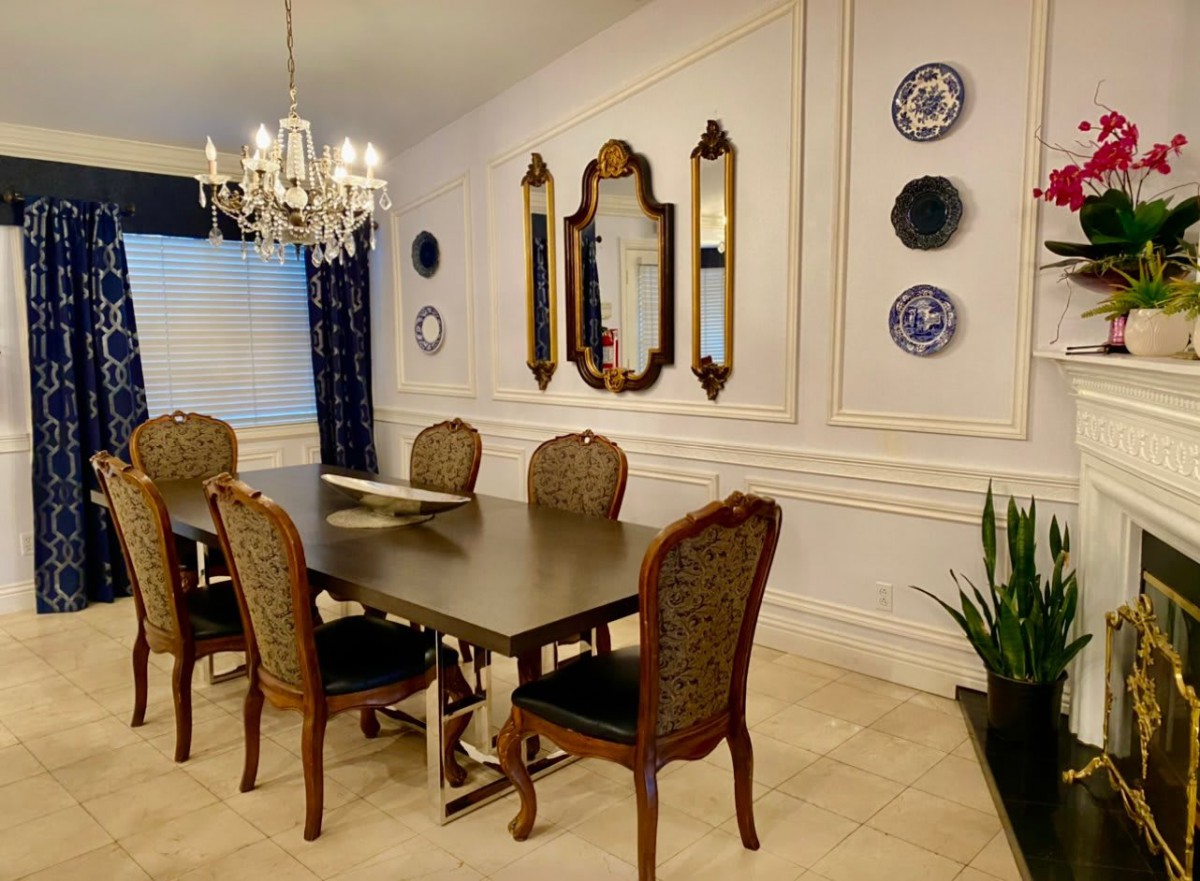
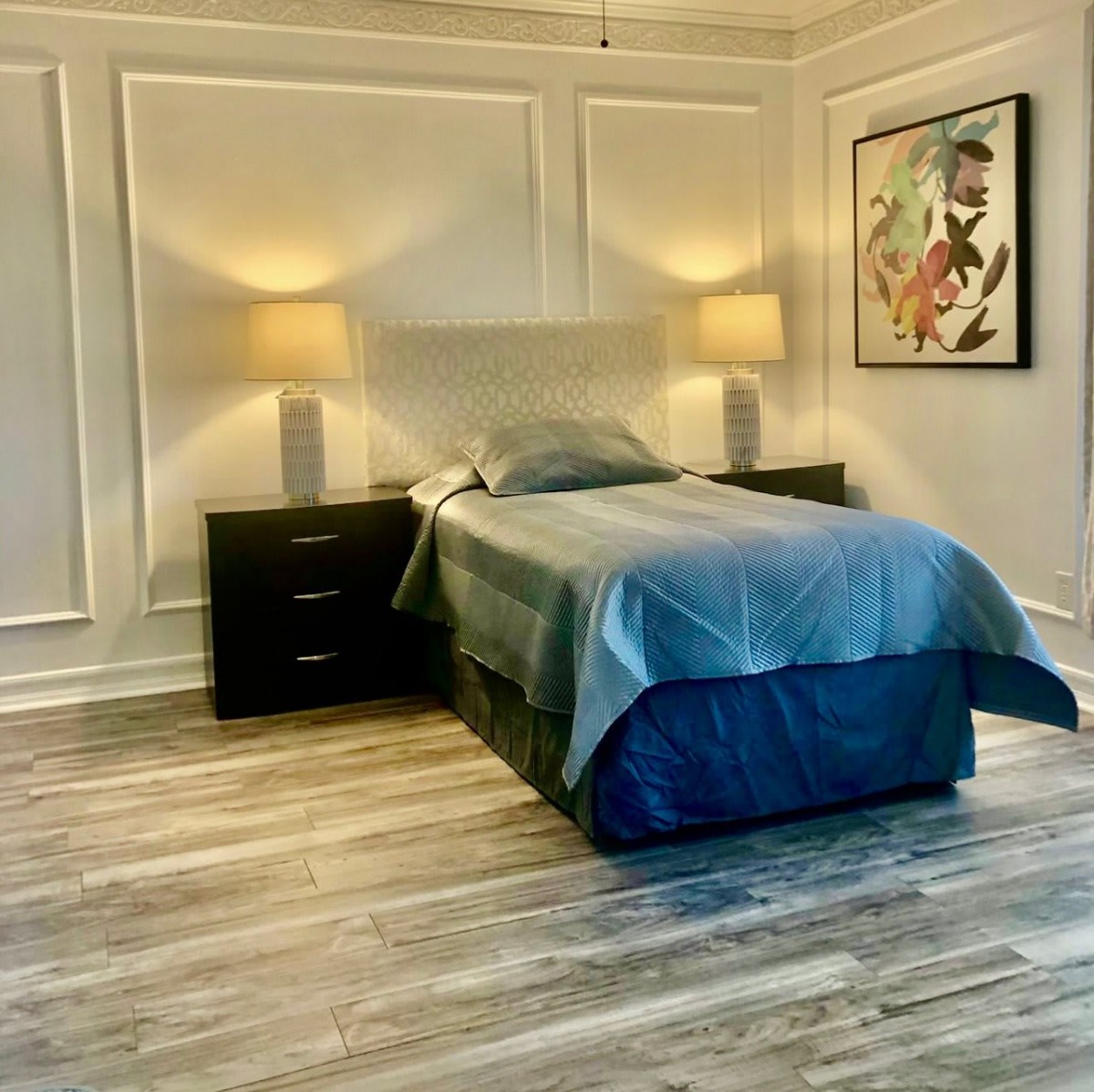
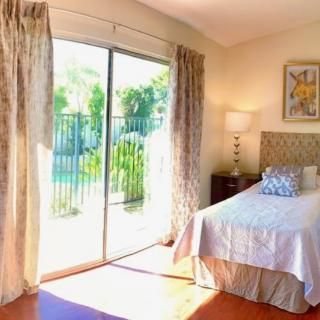
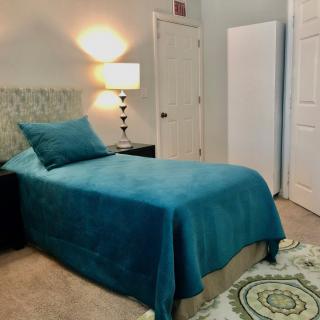
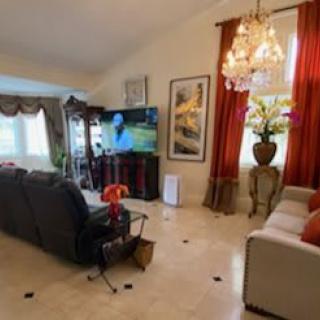
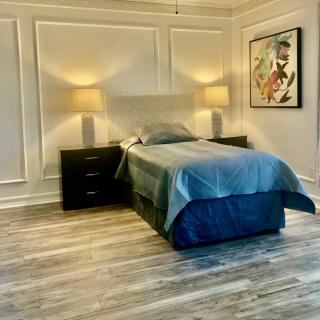
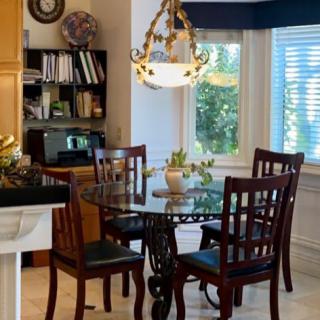
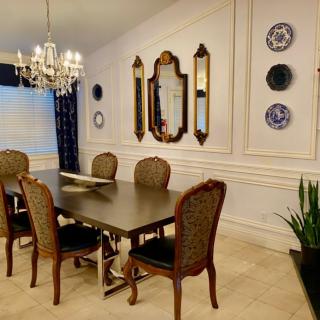
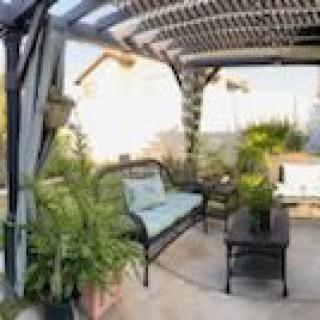
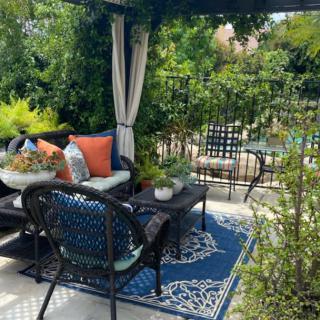
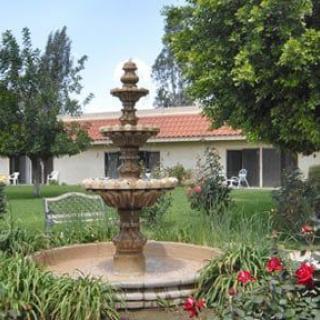
 The home is beautiful with elegant decor and comfortable furniture.
- The caregivers are knowledgeable and compassionate.
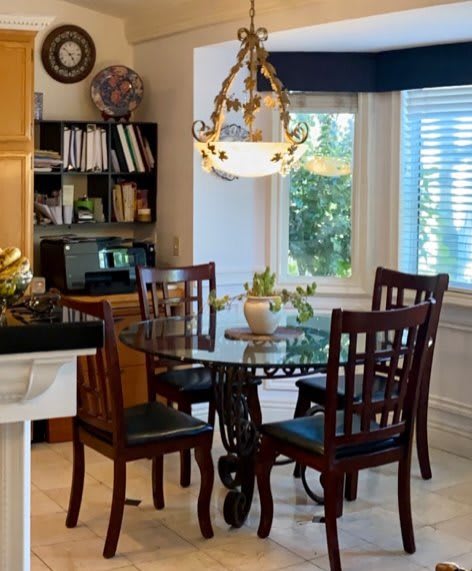
- There are home-cooked meals, and residents eat together daily for socialization.
- The home is very clean, and residents are groomed and well dressed.
- Families feel comfortable with the facility, and their loved ones' happiness is prioritized, with clear communication from the staff.
- The staff are caring and pleasant, and holidays are made special, earning trust from families.
Cons
 The facility's location was not ideal for the family's needs, leading them not to choose Clarissa's Home Care.
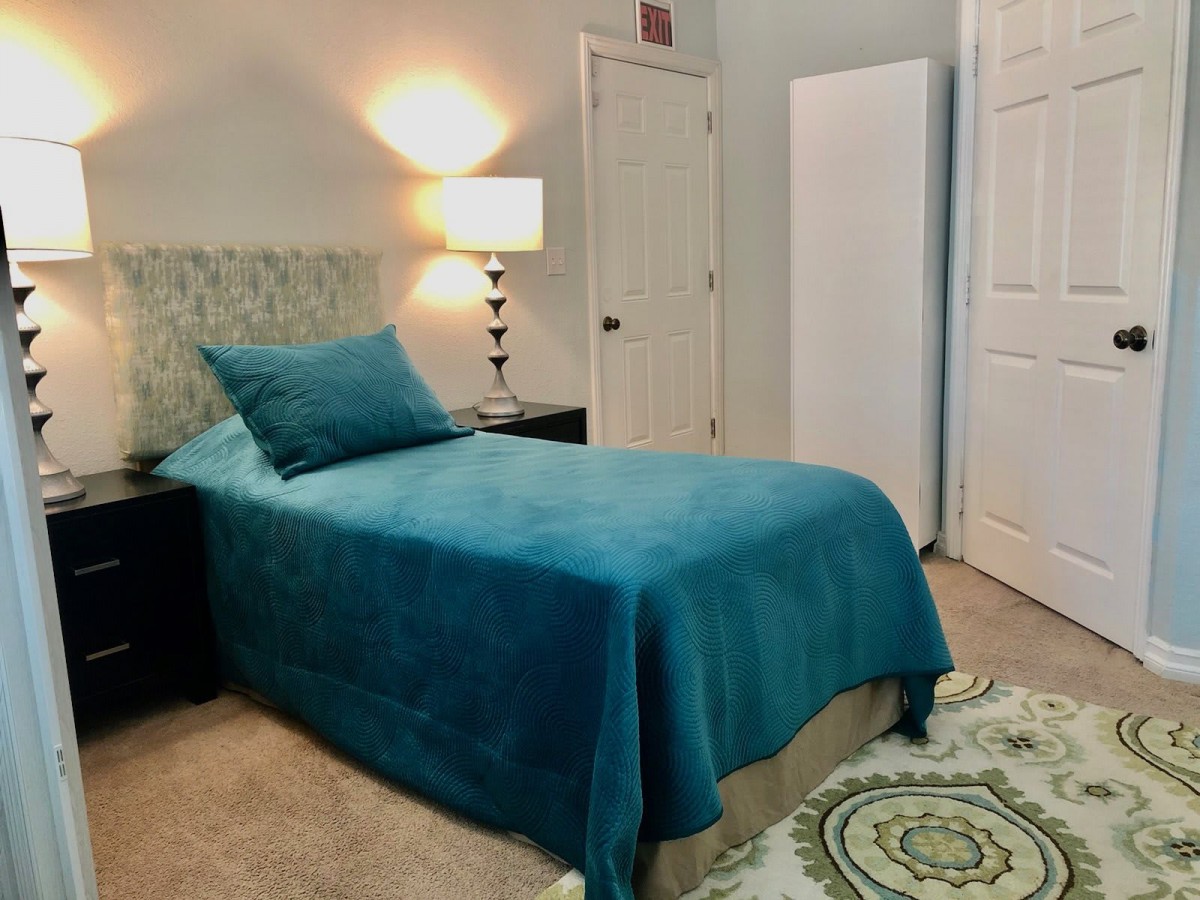
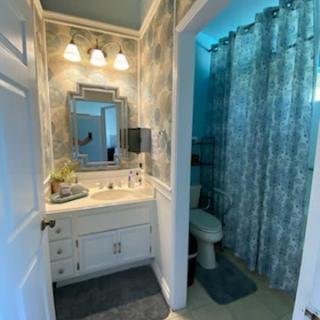
- The rooms are small and mid-sized.
Review
Clarissa’s Home Care in Corona is best suited for families seeking a warm, home-like setting where personalized attention and steady, compassionate caregiving are the anchors. This community thrives for seniors who value daily socialization, homemade meals, and a small-team dynamic that fosters real relationships with caregivers and the owner. It suits residents who respond well to a clean, well-kept environment, where staff stay closely involved in daily routines and where family members receive timely, ongoing communication about their loved one’s status.
Those weighing alternatives are wise to consider settings with more pronounced medical infrastructure, larger campuses, or different location logistics. If a family needs a more robust on-site medical program, a bigger staff roster, or rooms with more privacy and space, other options may fit better. Similarly, for families whose priorities hinge on a central location with very easy access from multiple routes or closer proximity to specific healthcare networks, Clarissa’s may feel less convenient. In short, this is a strong fit for a home-focused model, but not the best match for those demanding a hospital-style continuum or expansive, institutional comfort.
The strongest pros at Clarissa’s sit in the human connection and the daily living experience. The home radiates warmth through its decor and neat, comfortable furniture, while meals are home-cooked and shared in a dining room that promotes daily social interaction. Caregivers are described as knowledgeable and compassionate, and residents are monitored carefully with a visible emphasis on grooming and personal presentation. Family communications are straightforward and frequent, text updates, photos, and regular contact help families feel anchored even when they cannot be present. These elements work in tandem to offset what would otherwise be significant tradeoffs in a small-home, non-institutional setting.
A tightly knit staff pattern, two caregivers plus the owner, delivers continuity and trust that families value deeply. When relations feel personal and the caregivers know the resident’s preferences, the experience feels more like a trusted family placement than a transactional arrangement. Yet this same intimacy can be a potential limitation if schedules collide or if staff time gaps occur due to illness or time off. The reviews acknowledge strong attention and availability, but prospective residents should inquire about backup coverage and what happens on days when the core team isn’t on duty. The overall sentiment is clear: excellent care when the team is fully staffed, with transparent communication as a compensating strength when that is not the case.
Emotional and social well-being emerge as notable the everyday benefits. Residents dine together, participate in holiday celebrations, and enjoy a sense of belonging within a small resident community. For families, the assurance that a loved one looks well, feels cared for, and remains engaged with peers is a major advantage that often translates into reduced caregiver stress. The emphasis on cleanliness and a well-groomed appearance reinforces a perception of respect and safety. If a family’s primary goal is a nurturing, socially active environment where the staff treats elders with personal warmth, Clarissa’s delivers against those expectations with notable consistency.
Conclusion and guidance: Clarissa’s Home Care is a pragmatic choice for families who prioritize a home-style atmosphere, strong caregiver relationships, disciplined cleanliness, and proactive family communication. It is particularly well-suited for residents who flourish in social dining, regular holiday moments, and individualized attention from a small caregiver team. For families needing more medical intensity, larger private spaces, or a location that aligns more tightly with a specific commute or hospital network, alternatives should be explored. In the right situation, where the priority is intimate, attentive care delivered with real warmth, Clarissa’s stands out as a trustworthy, well-regarded option in Corona.
 6 resident community capacity
 Assisted Living
 Board and Care Home
 Activities on-site
 Air-conditioning
 Bath tubs
 Cable or satellite TV
 Dining room
 Fully furnished
 Garden
 Housekeeping services
 Indoor common areas
 Move-in coordination
 Outdoor common areas
 Private
 Respite or short term stays offered
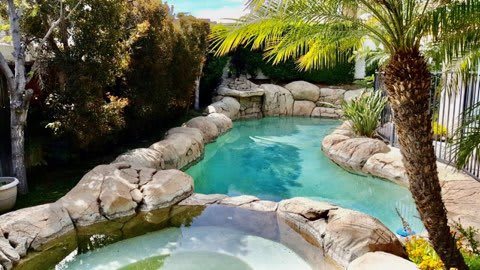
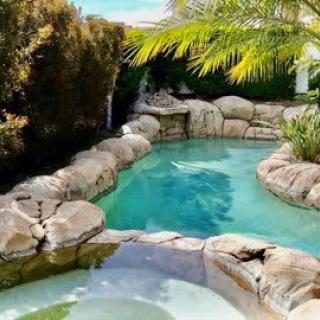
 Swimming pool / hot tub
 Telephone
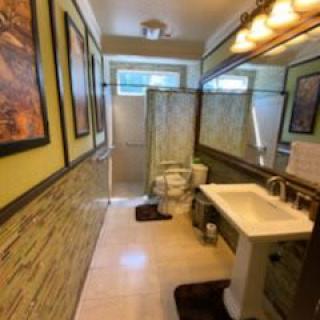
 Wheelchair accessible showers
 Wi-Fi/high-speed internet available
 Ontario International (15 miles away)
 24-hour supervision
 Assistance with bathing
 Assistance with dressing
 Assistance with transfers
 Diabetes diet
 High acuity care
 Incontinence care
 Meal preparation and service
 Medication management
 Special dietary restrictions
 Transportation arrangement (medical)
 Transportation to doctors appointments
 Birthday parties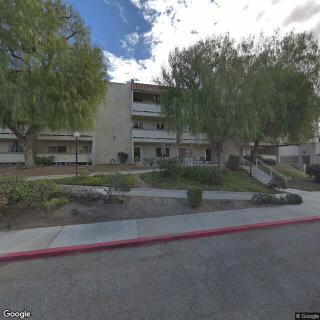

 Securing Financial Support for Assisted Living: A Comprehensive Overview
 Social Security Benefits and Assisted Living: Navigating Options Across the U.S.
 An Extensive Exploration of the VA Aid and Attendance Benefit