For more information about senior living options: (866) 208-4318
4.1 from 121 reviews
5 stars
85
4 stars
6
3 stars
5
2 stars
4
1 stars
21
Monterey Peninsula III Costs & Pricing
Monterey Peninsula III presents a distinct pricing structure compared to both Riverside County and the broader California state averages. For a semi-private room, residents can expect to pay $4,000 per month, which is significantly higher than Riverside County's average of $2,844 and also above California's average of $3,333. The disparity grows with private accommodations, where Monterey Peninsula III charges $5,000 monthly - again surpassing Riverside County's rate of $3,474 and California's average of $3,939. This suggests that Monterey Peninsula III positions itself as a premium option in the market, reflecting potentially enhanced amenities or services offered to its residents.
Floor plans
Monterey Peninsula III
Riverside County
California
Semi-Private
$4,000
$2,844
$3,333
Private
$5,000
$3,474
$3,939
Memory care communities with a similar price nearby
Maintenance requests are described as being handled quickly and professionally.
Many residents single out maintenance for prompt, clean work and follow-through on repairs. People mention quick fixes for specific issues like dryers, ice makers, and lighting, and they also describe after-hours help. There are a few negative notes where repairs weren’t completed as expected, including a closed ticket with an unresolved doorbell and a light fixture that wasn’t followed up, but the overall tone leans positive on getting things fixed.
common16 reviews mention this
Friendly, responsive staff show up
Staff responsiveness and friendliness are repeatedly described in the reviews.
Residents frequently describe the leasing and management teams as welcoming, supportive, and attentive, with names like Samantha and Leslie coming up often. Reviews also connect that helpfulness to smoother move-in experiences and being able to get questions answered. At the same time, several reviews criticize office interactions and customer service tone, including reports of unhelpful responses and difficulty getting issues addressed.
caveat9 reviews mention this
Security and cleanliness concerns recur
Some residents report gate, package, and vehicle-safety issues.
While a few residents describe the property as secure or well-protected, others report recurring problems such as gates not working properly, packages being stolen, and vehicles being broken into. Several reviews also mention trash and hallways/stair areas not feeling well maintained. Taken together, residents’ experiences vary, but enough reviews raise concerns about security and cleanliness that it’s something to evaluate closely.
caveat8 reviews mention this
Parking and towing are polarizing
Guest parking and towing practices are frequently criticized.
Multiple reviews describe guest parking as limited or effectively unavailable, with cars towed quickly when they aren’t in the right spots. Several residents specifically call out towing as predatory or reckless, including concerns about notice and situations involving occupied vehicles or guests. A few reviews suggest parking enforcement improved after management changes, but the recurring theme is that parking rules and towing outcomes feel unpredictable to residents.
caveat3 reviews mention this
Rent feels expensive for residents
Several residents say the rent is very high relative to their experience.
Some residents explicitly describe the cost as “SO expensive” or not worth it, especially when paired with problems like management issues and unresolved repairs. One review also mentions higher utility costs and another questions the overall value given their experience. The pricing listed for the community is also positioned above county and state benchmarks across unit types.
How we summarize
Counts show how many written reviews mention each theme; a review can touch several themes, and only frequently mentioned themes are displayed.
Features
Housing
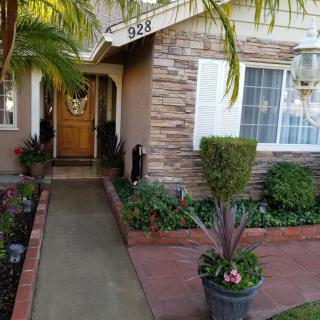
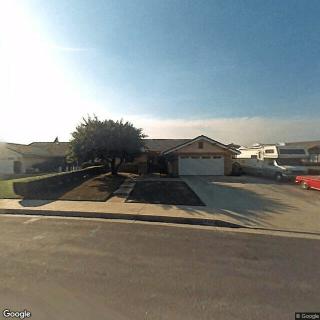
6 resident community capacity
Types of Care
Assisted Living
Board and Care Home
Memory Care
Amenities
Cable or satellite TV
Dining room
Fully furnished
Garden
Housekeeping services
Move-in coordination
Outdoor space
Private
Telephone
Wi-Fi/high-speed internet available
Transportation
Ontario International (13 miles away)
John Wayne Orange Co (22 miles away)
Care Services
24-hour supervision
Activities of daily living assistance
Assistance with bathing
Assistance with dressing
Assistance with transfers
Coordination with health care providers
Diabetes diet
Meal preparation and service
Medication management
Special dietary restrictions
Transportation arrangement (medical)
Transportation to doctors appointments
Dining
Diabetes diet
Special dietary restrictions
Activities
Community-sponsored activities
Scheduled daily activities
Nearby Places of Interest
This part of Corona, California, offers convenient access to a variety of healthcare facilities, including physicians' offices, pharmacies, and hospitals within a short distance. The presence of multiple dining options such as Raising Cane's Chicken Fingers and Goodfellas Cafe provides residents with diverse culinary choices. In terms of recreation, the area features several parks like Eastvale Community Park and River Walk Park for outdoor activities. Additionally, there are cafes like Starbucks and Panera Bread for socializing or enjoying a leisurely cup of coffee. The proximity to theaters like Regal Edwards Corona Crossings & RPX makes entertainment easily accessible. Overall, this neighborhood appears to offer a balanced mix of healthcare services, dining options, recreational opportunities, and places of worship that may be appealing for senior living.
Physicians
Tricounty Eye Institute (0.5 miles)
Dr Deguzman's Office (0.6 miles)
Corona Veterans Health Clinic (0.6 miles)
Corona Doctors Medical Clinics (0.7 miles)
Citrus Valley Urgent Care (0.8 miles)
Carl V Greek (0.8 miles)
Mission Surgical Clinic (0.8 miles)
Pharmacies
Walgreens (0.8 miles)
CVS Pharmacy (1.7 miles)
CVS Pharmacy (1.8 miles)
Walgreens (2 miles)
CVS Pharmacy (3.8 miles)
Tap Pharmacy (4.7 miles)
Rite Aid (5.2 miles)
Hospitals
Vista Cove Care Center At Corona (1.2 miles)
Molina Medical Center (4.7 miles)
Parkview Community Hospital Medical Center (8.2 miles)
Windsor Cypress Gardens Healthcare (8.2 miles)
Riverside Center (11.6 miles)
Restaurants
Raising Cane's Chicken Fingers (1.5 miles)
Goodfellas Cafe (1.8 miles)
McDonald's (1.8 miles)
In-N-Out Burger (2 miles)
Lazy Dog Restaurant & Bar (2.8 miles)
In-N-Out Burger (3 miles)
In-N-Out Burger (3.2 miles)
Cafes
Starbucks (2.9 miles)
Panera Bread (7.6 miles)
Dutch Bros Coffee (7.7 miles)
Wanda's Cafe (8.9 miles)
Theaters
Regal Edwards Corona Crossings & RPX (3.9 miles)
AMC Tyler Galleria 16, NEW RESERVED SEATING: Save your favorite seat in advance (6.8 miles)
Monterey Peninsula III presents a distinct pricing structure compared to both Riverside County and the broader California state averages. For a semi-private room, residents can expect to pay $4,000 per month, which is significantly higher than Riverside County's average of $2,844 and also above California's average of $3,333. The disparity grows with private accommodations, where Monterey Peninsula III charges $5,000 monthly - again surpassing Riverside County's rate of $3,474 and California's average of $3,939. This suggests that Monterey Peninsula III positions itself as a premium option in the market, reflecting potentially enhanced amenities or services offered to its residents.
The features offered at Monterey Peninsula III are integral to supporting residents with dementia or Alzheimer's disease. Assistance with dressing and bathing helps maintain personal hygiene and dignity, which can be challenging for individuals experiencing cognitive decline. Medication management ensures that residents receive their prescribed therapies on time, reducing the risk of health complications. Meal preparation and service cater to nutritional needs, addressing potential dietary restrictions while promoting regular eating habits. Transportation arrangements for medical appointments alleviate stress for families and ensure timely health care access, while coordination with health care providers fosters a consistent approach to each resident's medical requirements. Activities of daily living assistance empowers residents to engage in routine tasks with support as needed, enhancing their sense of autonomy. Assistance with transfers is crucial for maintaining mobility and preventing falls, while 24-hour supervision ensures a safe environment where staff can respond promptly to any emergencies or needs that arise throughout the day or night. Collectively, these services create a nurturing atmosphere conducive to the well-being of individuals facing memory challenges.
Nearby Communities
Avista Senior Living Magnolia
Corona, CA
4.4 from 134 reviews
$2,595 to $4,095 / month
Warm, welcoming staff and residents with engaging activities and convenient amenities at competitive rates.
Casa Grande Senior Apartments
Corona, CA
4 from 54 reviews
$850 to $1,250 / month
Friendly, attentive staff; clean apartments and common areas; on-site amenities and relatively affordable rent for the area.
Corona Luxury Board & Care
Corona, CA
4 from 1 review
$4,000 to $4,200 / month
Specialized high-acuity memory care with personalized services.
Brookdale Corona
Corona, CA
4.3 from 75 reviews
$4,330 to $5,565 / month
Compassionate staff with a clean, engaging environment.
Alterra Clare Bridge of Corona
Corona, CA
4.2 from 30 reviews
$2,650 to $3,050 / month
Memory care-focused with convenient access to nearby amenities and competitive pricing.
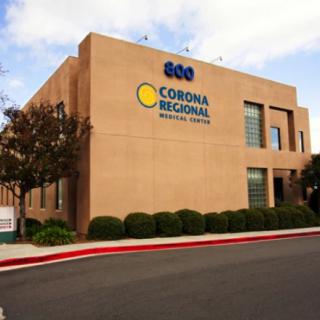
Corona Regional Medical Center
Corona, CA
24/7 supervision with restaurant-style dining in fully furnished living spaces.
Corona Community Villas
Corona, CA
4 from 4 reviews
Serene setting with easy access to healthcare, dining, and nearby amenities.
Sierra Woods Apartments
Riverside, CA
4.8 from 18 reviews
$6,275 to $9,725 / month
Nearby amenities and healthcare access (pharmacies, doctors, hospitals, dining, theater).
Brandon Place Senior Apartments
Riverside, CA
4 from 24 reviews
Convenient Riverside location with spacious apartments and a vibrant social environment.
Delirium is a rapidly onset, reversible cognitive disturbance often caused by acute medical issues, while dementia is a gradual and irreversible decline due to chronic neurodegenerative diseases. Accurate differentiation between the two is essential for appropriate treatment and management in older adults.
Dementia, including Alzheimer’s disease, is often mischaracterized in terms of lethality as it leads to complications that can be fatal rather than being a direct cause of death; it causes a progressive decline in cognitive and physical health, making patients vulnerable to infections and other health crises. Effective management of nutrition, hydration, and communication is crucial in patient care, with palliative care becoming vital in advanced stages to enhance comfort and quality of life while caregivers play a key role amidst the challenges posed by the disease.
Reminiscence therapy helps individuals with dementia recall past memories through structured discussions and meaningful objects, enhancing mood, relationships, and sense of identity while celebrating their lives. It can be practiced in formal settings or at home, requiring sensitivity to personal histories and cultural backgrounds.
Get PricingAsk A QuestionSchedule A TourContact Senior Advisor
By clicking submit, you agree to our Partner's Terms of Use. You
also consent to receive calls and texts, which may be autodialed, from our Partner. Your consent is not a condition to
using our Partner's service. Please visit our Partner's Privacy Policy for information about their privacy practices.

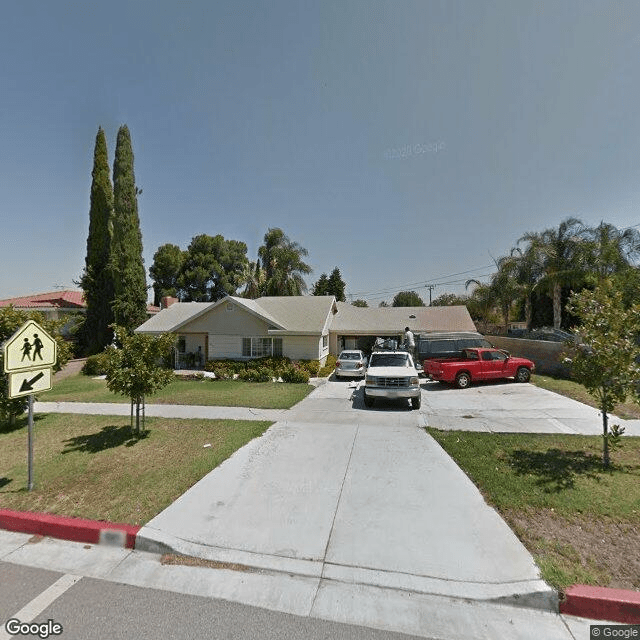
 6 resident community capacity
 Assisted Living
 Board and Care Home
 Memory Care
 Cable or satellite TV
 Dining room
 Fully furnished
 Garden
 Housekeeping services
 Move-in coordination
 Outdoor space
 Private
 Telephone
 Wi-Fi/high-speed internet available
 Ontario International (13 miles away)
 24-hour supervision
 Activities of daily living assistance
 Assistance with bathing
 Assistance with dressing
 Assistance with transfers
 Diabetes diet
 Meal preparation and service
 Medication management
 Special dietary restrictions
 Transportation arrangement (medical)
 Transportation to doctors appointments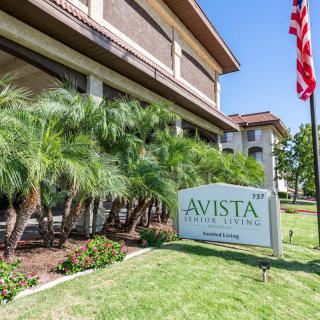
 Warm, welcoming staff and residents with engaging activities and convenient amenities at competitive rates.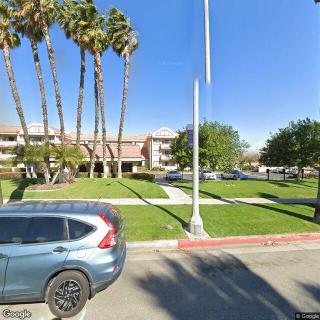

 Delirium and Dementia: Unraveling the Key Differences
 Are Dementia and Alzheimer's Disease Lethal? A Comprehensive Exploration
 Exploring the Power of Reminiscence Therapy for Individuals With Dementia