
4236 El Cerrito Road, Concord, CA 94518
To contact a resident: (925) 689-2000
For more information about senior living options: (866) 208-4318
El Cerrito Care Home Costs & Pricing
El Cerrito Care Home offers a compelling value for those seeking residential care, with monthly costs significantly lower than both Contra Costa County averages and state figures. For a semi-private room, the cost is $1,800, which stands in stark contrast to the county's average of $3,471 and the statewide average of $3,333. Similarly, for those opting for a private room, El Cerrito Care Home charges $2,000 per month - again more affordable than the county's average of $4,088 and California's state average of $3,939. This pricing not only highlights El Cerrito Care Home as a cost-effective choice but also underscores its commitment to providing quality care while remaining accessible to families and residents.
| Floor plans | El Cerrito Care Home | Contra Costa County | California |
|---|---|---|---|
| Semi-Private | $1,800 | $3,471 | $3,333 |
| Private | $2,000 | $4,088 | $3,939 |
Senior living communities with a similar price nearby
-
About the same
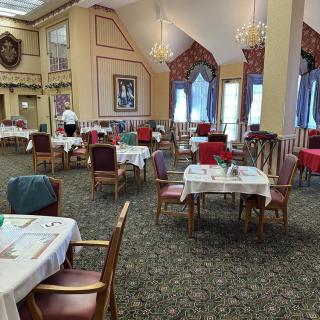
El Cerrito Royale
$1,775 to $3,775 / month16.8 miles away -
from -$200 / mo
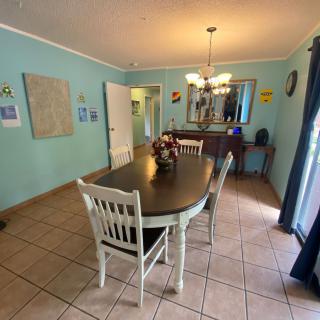
New Alamo Residence Home
$1,600 to $5,500 / month6.9 miles away -
from -$300 / mo

Fairfield Meadows
$1,500 to $1,800 / month21.5 miles away -
from -$300 / mo
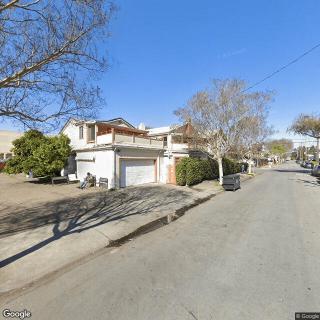
Heritage Haven
$1,500 to $3,000 / month17.6 miles away -
from -$200 / mo
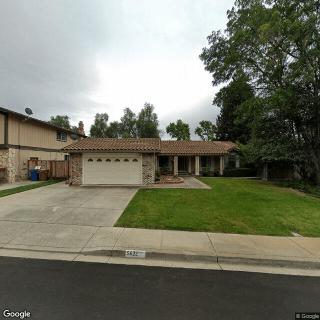
Kainaz Family Care Home
$1,600 to $2,200 / month3.5 miles away
Overall Review of El Cerrito Care Home
Pros
 Residents feel at home upon entering the doors.
- Each floor is beautifully decorated.
- The warmth exudes from every person encountered at El Cerrito Royale.
- The community is designed with residents in mind.
- The space is nice and roomy, with congenial staff.
- The director is extremely nice and willing to assist residents in the initial months while awaiting VA support.
Cons
 The interior is a bit cool and drafty.
Review
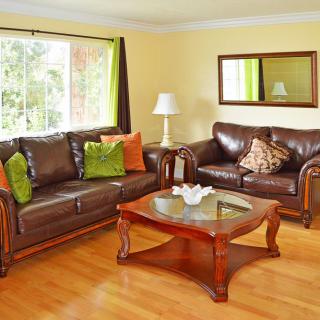
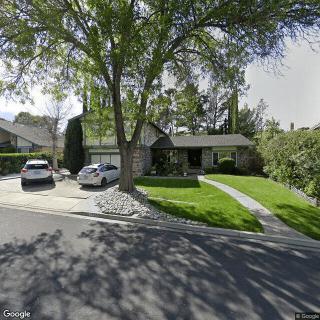
El Cerrito Care Home in Concord is best suited for seniors who want a warm, home-like environment where staff genuinely treat residents like family. This community shines for people who prize a lived-in, comfortable atmosphere over clinical formality, and who appreciate spaces that feel roomy and lived-in rather than staged for show. It’s the kind of setting where floors look thoughtfully decorated, and the sense of being cared for comes through in everyday interactions. For residents who value personal attention, neighborly small-talk, and a layout designed to foster community, this is a strong fit.
Those considering alternatives should note a few clear deal-breakers. The facility schedules most rooms without private baths, with only one room in at least one configuration offering an en-suite. For anyone who must have guaranteed private bathroom access, this may not meet needs. Additionally, the interior can feel a touch cool and drafty at times, which may matter to residents who are particularly sensitive to temperature or who require a consistently warmer living space. Families seeking high-acuity medical supervision or a more clinical atmosphere will likely want to explore other options.
The strongest positives are hard to overlook. The overall impression is one of space, comfort, and approachable, congenial staffing. Residents encounter a welcoming, home-like ambiance the moment they step through the door, and the staff consistently project warmth. The director’s approach, open to negotiation in the early months and willing to assist with VA-related support while applications are in process, adds practical value for families navigating finances or benefits. In short, the environment is designed to feel like a community designed around residents’ daily lives, not a sterile, impersonal facility.
This combination of hospitality and flexibility helps offset the main drawbacks. A generous sense of roominess and well-maintained, decently decorated floors creates daily opportunities for social interaction and independence, which can soften concerns about the lack of private baths. The willingness of leadership to work with families on financial arrangements, especially during the waiting period for VA support, reduces upfront stress and makes the home more accessible to veterans and their families. For many, the trade-off points toward a livable, supportive home rather than a perfect, private-bath solution.
Operationally, the home-like vibe and the resident-first design translate into practical advantages: less formality, more neighborly engagement, and a culture where staff are approachable and invested in daily well-being. The trade-offs, limited private baths and occasional draftiness, are manageable for residents who place a premium on companionship, a warm atmosphere, and straightforward, flexible financing. For those who prefer a tightly controlled environment with guaranteed private facilities, this option will feel restrictive; for others, it represents a sensible balance of comfort, community, and cost.
The bottom line is practical and clear. El Cerrito Care Home is most appropriate for seniors who value a living space that feels like home, with attentive, friendly staff and a community-centered day-to-day experience. It suits those who can live with shared bathrooms and a occasionally cooler interior, provided there is real comfort in the social fabric and a willingness to work with leadership on financial details. Pros offset the cons when a family prioritizes warmth, flexibility in arranging financial support, and a setting that emphasizes resident autonomy and personal connections. Prospective residents should schedule a visit, confirm room types and private-bath availability, and ask targeted questions about VA assistance timelines to ensure alignment with care needs and financial expectations.
 Board and Care Home
 Private
 Metropolitan Oakland International (20 miles away)
 Ambulatory care
 Diabetic care
 High acuity care
 Incontinence care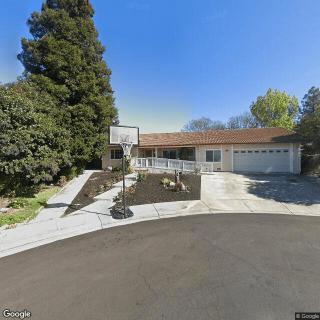

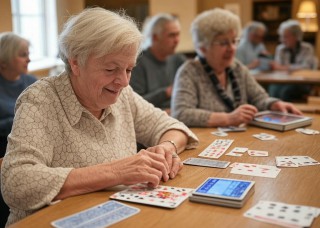 Effective Strategies for Keeping Seniors' Minds Active: A Deep Dive into Brain Games and Apps
 In-Depth Look at the VA Aid and Attendance Program
 Nurturing Our Loved Ones: A Daughter's Journey in Caring for Her Mother