
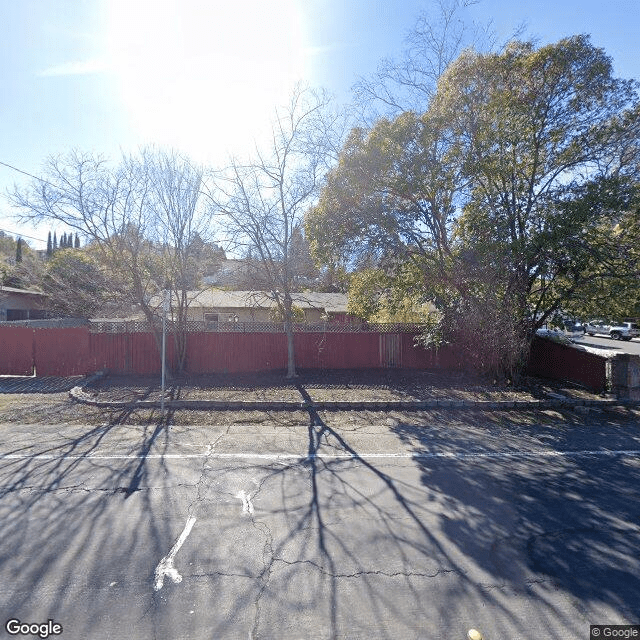
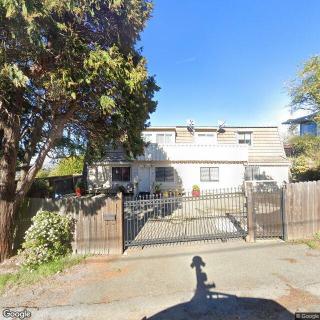
3938 Cowell Rd, Concord, CA 94518
To contact a resident: (415) 250-6923
For more information about senior living options: (866) 208-4318
AJ's Senior Care Center Costs & Pricing
AJ's Senior Care Center offers a competitive pricing structure for its private rooms at $2,500 per month, significantly lower than the average costs in Contra Costa County, which stand at $4,088, and even more favorable compared to the broader California state average of $3,939. This not only positions AJ's as an affordable option for families seeking quality care but also highlights its commitment to providing accessible services without compromising on the quality of care. By maintaining such lower costs relative to regional norms, AJ's Senior Care Center stands out as a viable alternative for those navigating the often financially burdensome landscape of senior care options.
| Floor plans | AJ's Senior Care Center | Contra Costa County | California |
|---|---|---|---|
| Private | $2,500 | $4,088 | $3,939 |
Senior living communities with a similar price nearby
-
from +$400 / mo
Parkside Manor
$2,900 to $3,600 / month20.2 miles away -
About the same
Brentwood Care Home
$2,500 to $4,000 / month15.9 miles away -
About the same
Ava Bella Care Home
$2,500 to $3,000 / month24.9 miles away -
About the same
Rose Arbor Senior Care
$2,500 to $4,620 / month17.3 miles away -
from +$222 / mo

LEF Home Care Specialists
$2,722 / month17.0 miles away
Overall Review of AJ's Senior Care Center
Pros
 There are no positive statements in the provided review.
Cons
 The facility is the worst place to live because residents are fed TV dinners and changed only once a day.
- Staff would overmedicate residents so they would sleep.
- She fell and was taken to the emergency department, and she was severely dehydrated.
- She developed shingles and E. coli in her urine due to inadequate cleaning.
Review
AJ's Senior Care Center in Concord is best suited for families pursuing a bare-bones, budget-conscious assisted-living option where daily routines can be managed with a high degree of family oversight rather than by a consistently proactive care team. In practice, the setting appears compatible with situations in which medical complexity is low and families are prepared to step in to monitor meals, medications, hydration, and safety. For residents with greater needs, mobility challenges, cognitive impairment, or conditions requiring steady medical supervision, this community quickly loses its fit. The decisive factor is whether ongoing, vigilant oversight by relatives or outside care providers can effectively fill gaps that the facility’s staff may not consistently address.
Explicitly, those considering alternatives should focus on seniors who require reliable medication management, regular hydration and nutrition oversight, and rigorous hygiene protocols. The negative review describes dehydration, infections linked to poor cleaning, and an incident of overmedication, all of which are unacceptable red flags for anyone with significant medical or safety needs. Families with loved ones prone to dehydration, recurrent infections, falls, or who rely on consistent assistance with daily care should look for options with demonstrably stronger staffing, clearer accountability, and proven safety records. If the plan cannot guarantee proactive, hands-on oversight, this community should not be the first pick.
Pros, if any, are eclipsed by the stark safety concerns evident in the reported experiences. There is a lone five-star rating but no detail on what it reflects, leaving no solid daylight between that signal and the clear caution arising from the other account. In practical terms, affordability or location value cannot legally or ethically compensate for neglect of essential needs. The absence of documented, dependable medical oversight, combined with the specific harms cited, dehydration, an infection, a fall, means the potential benefits fail to offset the core risks. The scorecard tips decisively toward caution rather than recommendation.
Prospective families should demand hard evidence before considering placement. During visits, requests should include current staffing rosters, the presence of on-site nursing or med-tech support, and the cadence of daily care activities. Scrutinize meal quality and dietary accommodations; insist on transparent hydration monitoring, weight tracking, and timely responses to changes in condition. Require access to incident reports, explanations for any overmedication, medication reconciliation processes, and post-incident corrective actions. Inspect living spaces for cleanliness and personal care routines, and verify how quickly emergencies are escalated. Cross-check state and regulatory inspections and, where possible, speak with current residents or families about day-to-day realities.
Where to look instead becomes the practical pivot. Seek facilities with stronger safety records, higher staffing levels, and explicit accountability structures that demonstrate consistent, person-centered care. Use state databases and CMS star ratings as benchmarks, and consider enlisting a geriatric care manager to compare options with a critical eye. If home care or a different assisted-living community is pursued, prioritize those with transparent reporting, proactive wellness checks, and clearly documented responses to incidents. The objective is a setting where nutrition, hygiene, hydration, and medication management are actively safeguarded, not tolerated.
Bottom line: AJ's Senior Care Center presents serious red flags that far outweigh any potential cost savings. It is not suitable for seniors with medical needs, cognitive challenges, or anyone whose family cannot commit to rigorous oversight and rapid escalation of concerns. This is a facility to rule out in favor of alternatives that demonstrate consistent staffing, transparent operations, and a proven safety record. The prudent next steps are scheduled tours, formal disclosures, and a side-by-side comparison of multiple options. When safety, dignity, and reliable care are non-negotiable, stronger choices exist in Concord.
 Board and Care Home
 Private
 Metropolitan Oakland International (20 miles away)



 Comprehensive Insights and Practical Strategies to Help Older Adults Avoid Falls
 6 Crucial Ways an Elder Law Attorney Assists Families
 Navigating the Tax Landscape of Caregiving: Credits, Deductions, and Beyond