
292 West Trenton Avenue, Clovis, CA 93619
For more information about senior living options: (866) 208-4318
Overall Review of Mrs Scott's Where Heart Is Homes-Carmel By The Sea
Pros
 The staff went above and beyond to provide care for my mom.
- The house was always clean and well kept.
- They even provided special items that I requested.
- The staff are as nice and attentive as could be.
- They were very kind and patient with my mom while she was there.
- The Mrs. Scott's new business owners love and care for the patients.
- The environment of the home is the perfect place for people.
Cons
 The facility is not the place to put a loved one.
- The patient was given two weeks to live.
- The home increased rates after the patient rebounded.
- The owner and administrator were aware of staffing issues and knowledge gaps.
- Bedsores were caused by a lack of turning patients.
- A staff member refused to change a patient's diaper because she was on break.
- The facility is in it for the money and could care less for its residents.
- The staff are unethical liars.
Review
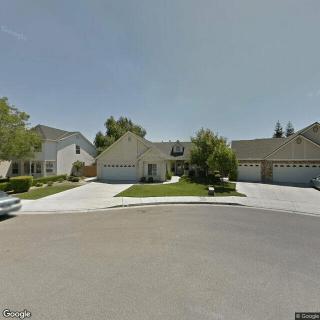
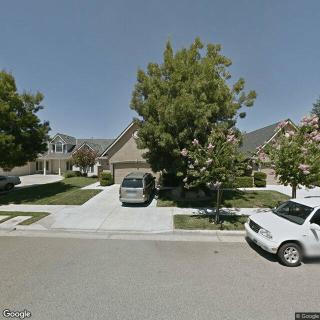
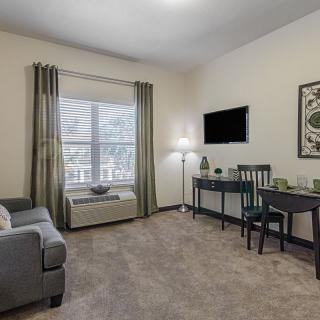
This community is best suited for families seeking a small, home-like setting where care feels intimate and individualized. Mrs Scott's Where Heart Is Homes-Carmel By The Sea operates as a very small residence, with a handful of residents at any given time, which translates into close daily interactions and hands-on oversight. For seniors needing daily assistance but not high-acuity medical care, the environment can be comfortable, predictable, and dignified. The staff have demonstrated the ability to personalize service, meet special requests, and keep the house clean and well maintained. When family decisions hinge on warmth, familiarity, and consistent companionship, this option warrants serious consideration.
Who may want to consider alternatives. Prospective residents whose needs include robust medical nursing, regular wound care, or complex coordination with outside professionals may fare better elsewhere, given the mixed reviews about staffing consistency. Several reports raise red flags about turnover, supervision, and accountability, including a troubling incident of turning-related bed sores and a caregiver refusing a task on break. Increased rates after a patientā€™s health trajectory changed further complicate decisions for families budgeting on a fixed income. In short, if governance, reliability, and transparent operations are non-negotiable, alternatives with stronger staffing histories should be explored.
How the main positives stack up against the concerns. The strongest assets involve compassionate, attentive staff and a clean, homey setting that feels comfortable for both residents and visiting families. Several accounts praise kindness, patience, and responsiveness, along with a tidy, well-kept house and willingness to accommodate special items. These strengths provide meaningful everyday quality of life advantages, especially for residents who value routine, privacy, and a familial atmosphere. However, the credibility of those positives is undermined by the more severe reports of neglect and financial pressure, making the overall value conditional on rigorous oversight and trustworthy management.
Critical risks to weigh. The most serious issues center on care quality and safety gaps: advisories that bed sores occurred due to turning lapses; a caregiver reportedly refused to perform a diaper change during a break; mention of staff shortages and knowledge gaps acknowledged by ownership. The array of contrasting judgments, some praising care, others condemning it as exploitative, inflates uncertainty about day-to-day reliability. The small scale can be a benefit for individualized attention, but it can also magnify the impact of a single weak shift or missed protocol. Price changes tied to care trajectory create another affordability risk that families must scrutinize before committing.
Guidance for evaluating this community in practice. If pursuing this option, insist on an on-site tour during typical care hours to observe how staff interact with residents and to gauge responsiveness. Request current staff-to-resident ratios, turning protocols, wound-care procedures, and a written care plan that includes frequency of repositioning, skin checks, and emergency response. Review state licensing records, recent inspection notes, and any incident logs, and speak with multiple families about their experiences. Clarify contract terms, cancellation policies, and what triggers rate increases. Consider a short-term trial or respite stay to test fit before a longer commitment, and require a transparent grievance process and regular progress updates from the administrator.
Bottom-line guidance for families. A small, home-forward environment with caring staff can be a viable choice for seniors who prize intimacy, personalized attention, and consistency in daily routines, and who are prepared to actively monitor staffing, governance, and care quality. If those governance assurances feel uncertain, or if higher-acuity needs are likely, then exploring more established facilities with documented staffing benchmarks and stronger safety records is prudent. The decision hinges on balancing the comfort and warmth of a true home setting against the imperative of reliable care, clear communications, and accountable leadership. When due diligence is thorough, this community can be a fit for the right resident, but a cautious, interrogative approach is essential.
 6 resident community capacity
 Assisted Living
 Board and Care Home
 Cable or satellite TV
 Dining room
 Fully furnished
 Garden
 Housekeeping services
 Move-in coordination
 Outdoor space
 Telephone
 Wi-Fi/high-speed internet available
 Fresno Yosemite International (6 miles away)
 24-hour supervision
 Activities of daily living assistance
 Assistance with bathing
 Assistance with dressing
 Assistance with transfers
 Diabetes diet
 Meal preparation and service
 Medication management
 Special dietary restrictions
 Transportation arrangement (medical)
 Transportation to doctors appointments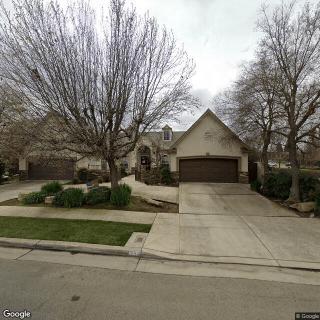



 How and When Medicaid May Cover Assisted Living Costs
 A Detailed Exploration of Assisted Living Medicaid Waivers Across the United States
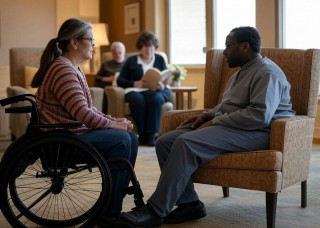 Comprehensive Residential Support and Assisted Living Solutions for Individuals with Disabilities