
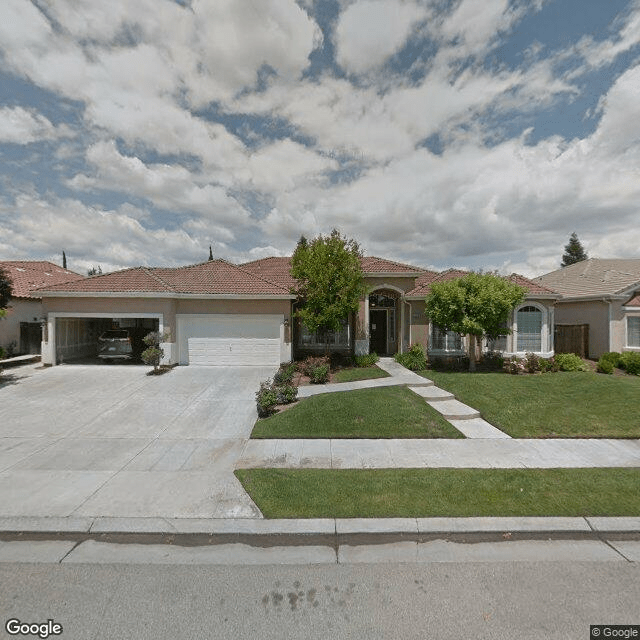
2855 Prescott, Clovis, CA 93619
To contact a resident: (559) 297-0090
For more information about senior living options: (866) 208-4318
Caring Heart Residential Care - Prescott Costs & Pricing
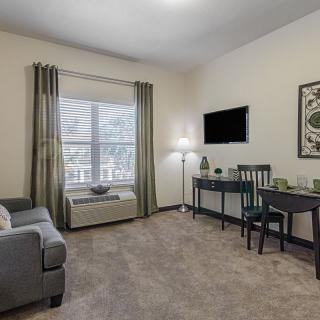
Caring Heart Residential Care in Prescott offers private rooms at a competitive rate of $3,800 per month. When compared to Fresno County, where the average cost for similar accommodations is slightly lower at $3,589, Caring Heart's pricing reflects the unique services and personalized care it provides. Furthermore, when evaluated against the broader California landscape, with average monthly costs reaching $3,939 for private rooms, Caring Heart stands out as an attractive option that balances quality care with affordability. This aligns well with the growing demand for residential care options that prioritize both comfort and financial accessibility.
| Floor plans | Caring Heart Residential Care - Prescott | Fresno County | California |
|---|---|---|---|
| Private | $3,800 | $3,589 | $3,939 |
Senior living communities with a similar price nearby
-
from +$200 / mo
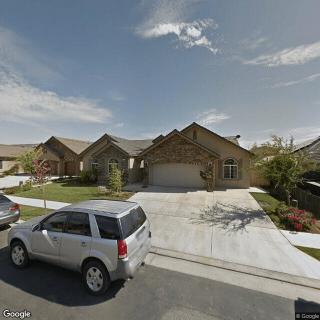
A Place Called Home II
$4,000 / month2.9 miles away -
from -$600 / mo
Blossom Creeks Assisted Living
$3,200 to $3,800 / month9.4 miles away -
from -$300 / mo
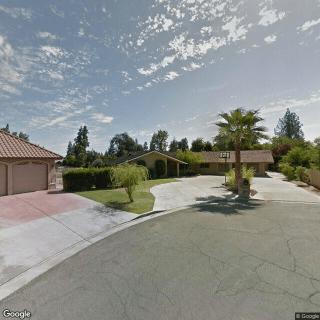
New Light Residential Care Facility for the Elderly
$3,500 to $3,800 / month9.9 miles away -
from -$200 / mo
Pryor Falls
$3,600 to $3,900 / month3.9 miles away -
from -$500 / mo
Nazareth House
$3,300 / month9.6 miles away
Overall Review of Caring Heart Residential Care - Prescott
Pros
 Caring Heart Paul is a nice place.
- Johanna, Gabby, and Irene care about the residents and their well-being.
Cons
 Some caregivers are there just for the money.
Review
Caring Heart Residential Care in Clovis is best suited for seniors who want a small, home-like setting where daily life centers on personal attention from a close-knit caregiving team. This community fits families seeking a warm, relationship-based environment for an elder who needs help with activities of daily living but does not require extensive medical intervention. It works especially well for residents who prize continuity, trust, and visible caregiver investment over a larger campus with more formal programming. In short, when the priority is genuine, day-to-day kindness and consistent face-time from caregivers, this is a compelling choice.
Those considering alternatives should weigh similarly rigorous needs as a checklist. If the plan calls for around-the-clock nursing coverage, advanced medical supervision, or specialized memory care programming, this setting may fall short. Families shopping for a broader menu of on-site therapies, sizable social calendars, or a facility with expansive amenities may want to compare larger communities. Also, if preference leans toward highly structured routines and predictable, formal activities coordinated by a large staff, a bigger operation could better meet those expectations.
The strongest upside centers on the caregiving core. Reports highlight Johanna, Gabby, and Irene as exemplars of sincere care, the kind of hands-on dedication that translates into meaningful daily support and well-being for residents. When staff members invest themselves in a resident’s comfort and safety, small miracles, help with morning routines, attentive supervision, and a sense of being truly known, become the norm rather than the exception. The intimate setting reinforces this effect; with fewer residents and a tight-knit team, relationships can deepen, and caregivers’ accountability for quality of life becomes more tangible.
However, the principal trade-off is the natural limit of a small home-style operation. With a compact staff and a modest footprint, coverage can fluctuate, and there may be fewer opportunities for formal programming, specialized therapies, or on-site clinical resources compared to larger facilities. The review’s contrast between caregivers who genuinely care and those who may be present for other reasons underscores a real risk: consistency depends on the same team members, and when turnover or scheduling gaps occur, the day-to-day experience can vary. Yet, the observed dedication of the caring staff helps mitigate these concerns by building trust and predictable routines.
From a decision-making perspective, this community earns its keep by delivering authentic, person-centered care that many families crave. Pros offset cons most meaningfully when the senior’s priorities are clear: prioritize relational quality, familiar routines, and a sense of belonging over a wide activity slate or medical heft. Pros are particularly compelling for families who can accept a leaner care model in exchange for dependable, compassionate engagement. For those needing frequent medical interventions, dementia-specific programming, or a robust activity calendar, it makes sense to keep exploring other options up front.
The practical next steps are straightforward. Arrange a tour and observe how staff interact with residents, especially during routine moments like meals and personal care. Ask about typical staffing patterns, night coverage, and how care plans are developed and updated. Inquire who coordinates medical needs, how medications are managed, and what on-site resources are available for health monitoring. Finally, verify licensing compliance and get a clear sense of monthly costs relative to the services provided. When a home-style atmosphere paired with genuine caregiver commitment aligns with the elder’s needs, Caring Heart Residential Care becomes a persuasive, well-considered choice.
 Board and Care Home
 Private
 Fresno Yosemite International (7 miles away)

 Navigating the Tax Landscape of Caregiving: Credits, Deductions, and Beyond
 Highly Beneficial Low-Impact Exercises for Senior Living Residents
 Is In-Home Healthcare Tax Deductible? Your Comprehensive Guide