
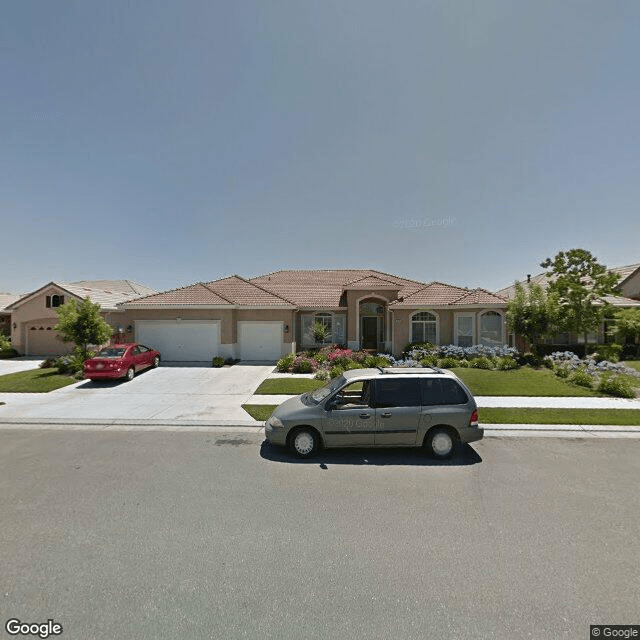
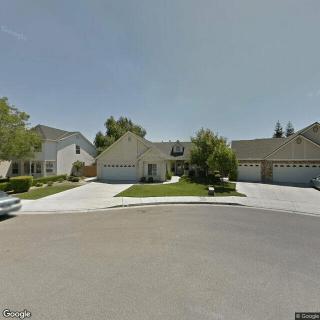
2978 Powers, Clovis, CA 93619
To contact a resident: (559) 297-0090
For more information about senior living options: (866) 208-4318
Caring Heart Residential Care - Powers Costs & Pricing
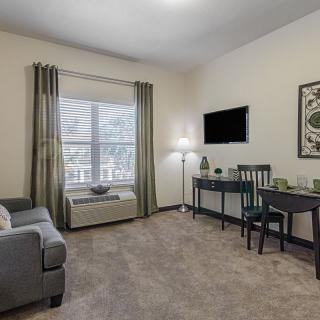
Caring Heart Residential Care - Powers offers a private room at a monthly cost of $3,800, which positions it slightly above the average for Fresno County, where similar accommodations are priced around $3,589. When considering the broader scope of California, the facility's pricing remains competitive yet slightly above the state average of $3,939. This pricing reflects the unique value and personalized care provided at Caring Heart Residential Care - Powers, making it a worthwhile option for those seeking quality residential care in a supportive environment.
| Floor plans | Caring Heart Residential Care - Powers | Fresno County | California |
|---|---|---|---|
| Private | $3,800 | $3,589 | $3,939 |
Senior living communities with a similar price nearby
-
from +$200 / mo
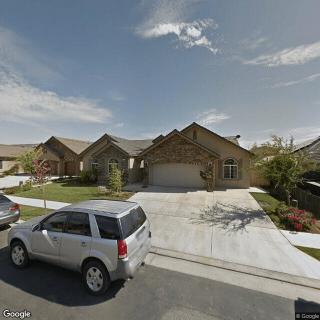
A Place Called Home II
$4,000 / month2.7 miles away -
from -$600 / mo
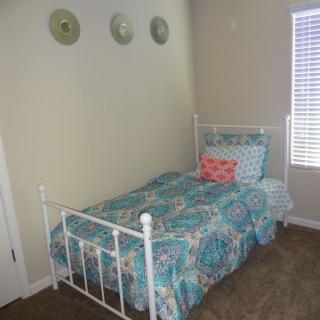
Blossom Creeks Assisted Living
$3,200 to $3,800 / month9.3 miles away -
from -$300 / mo
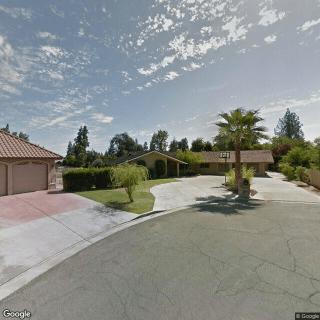
New Light Residential Care Facility for the Elderly
$3,500 to $3,800 / month9.2 miles away -
from -$200 / mo
Pryor Falls
$3,600 to $3,900 / month3.2 miles away -
from -$500 / mo

Nazareth House
$3,300 / month9.1 miles away
Overall Review of Caring Heart Residential Care - Powers
Pros
 Caring Heart is a nice place.
- Johanna, Gabby, and Irene assist residents and demonstrate care for their well-being.
Cons
 Some caregivers are there just for the money.
Review
Caring Heart Residential Care – Powers in Clovis, CA is best suited for families who prioritize intimate, person-centered care delivered by a small, dependable caregiving team. This community excels when residents respond to direct, hands-on attention and a home-like atmosphere where staff relationships feel meaningful and consistent. The most salient takeaway from current impressions is that caregivers who stay connected with each resident’s daily rhythms, like the caregivers highlighted by reviewers, can make a substantial difference in comfort, safety, and mood. In short, this setting works best for those who want warmth, attentiveness, and a visible investment in a resident’s well-being over polished amenities alone.
That said, some families may want to consider alternatives if certain needs are non-negotiable. If a resident requires robust, round-the-clock skilled nursing supervision, highly structured medical programming, or expansive, hospital-style programming and campus-wide resources, a larger assisted living community or a skilled-nursing environment may be more appropriate. Similarly, if stability across all shifts and a very predictable staffing pattern are essential, there are facilities with bigger staff pools and more formal shift coverage that could reduce the risk of variability in care. For families focused on a high degree of clinical oversight or extensive rehabilitation services, exploring other options will typically be worth the extra travel or transition.
The core strengths here are clear: a small, caring team that can form real, trust-based relationships with residents and families. Testimonies note caregivers who genuinely care about residents’ well-being and take time to assist with daily needs, not just complete tasks. When staff like Johanna, Gabby, and Irene show up with attentiveness and warmth, daily routines, meals, medication reminders, mobility support, and comforting consistency, tend to feel safer and more predictable. These pros create a supportive atmosphere where residents can settle in, feel known, and experience fewer stressful moments tied to impersonal care. That human connection is a meaningful counterweight to any logistical or programmatic limitations the setting may have.
Yet the environment does carry practical caveats tied to its scale. In smaller residential-care homes, staffing depth can be more variable than in larger campuses, and the intensity of available programming may be less than what some families expect from an assisted living ecosystem. The upside is the direct, person-to-person contact, families are not left guessing who is overseeing care, and communications tend to be straightforward and timely when the team knows the resident well. The downside can be less availability of specialized therapies, fewer on-site activities, and a tighter schedule of services. Families should prepare to lean on personalized routines and home-like flexibility, rather than a broad menu of clinical offerings.
To determine fit, approach this community with targeted questions and a practical checklist. Ask for a meet-and-greet with the care team to observe how staff interact during real-time caregiving moments. Inquire about staff turnover, shift patterns, and how night coverage is managed. Examine how medication administration is handled, how care plans are updated, and what happens when a resident’s needs change. If possible, request a trial stay or a careful, documented observation period to see whether the level of attentiveness and reliability witnessed in one-on-one exchanges holds across a full day and across several weeks. These steps illuminate whether the heart of the place, the people, aligns with the resident’s needs.
The bottom line is clear: Caring Heart Residential Care – Powers is a practical, heartfelt option for families who value a small-scale, relationship-driven care experience. It is well-suited for residents who thrive on consistent personal attention and a cozy, home-like rhythm to daily life. It is less well-matched for those who require heavy-duty medical oversight, a fixed, program-rich calendar, or large-scale amenities that come with bigger campuses. For families weighing these factors, this community offers a compelling, humane alternative, one where dedicated caregivers can become a stabilizing, reassuring presence in a resident’s daily life, provided expectations about staffing depth and program breadth are aligned with the resident’s needs.
 Board and Care Home
 Private
 Fresno Yosemite International (7 miles away)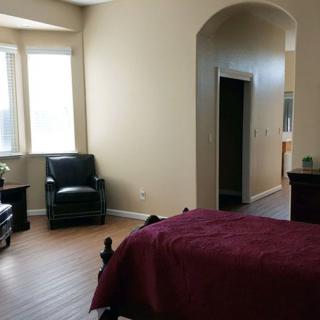


 Compassionate Conversations: How to Comfort Someone Who Is Grieving
 Home Health Care Aides: Understanding Their Role and Supporting Your Family
 Urinary Tract Infections in Older Adults: Comprehensive Insights on Symptoms, Treatment, and Prevention