
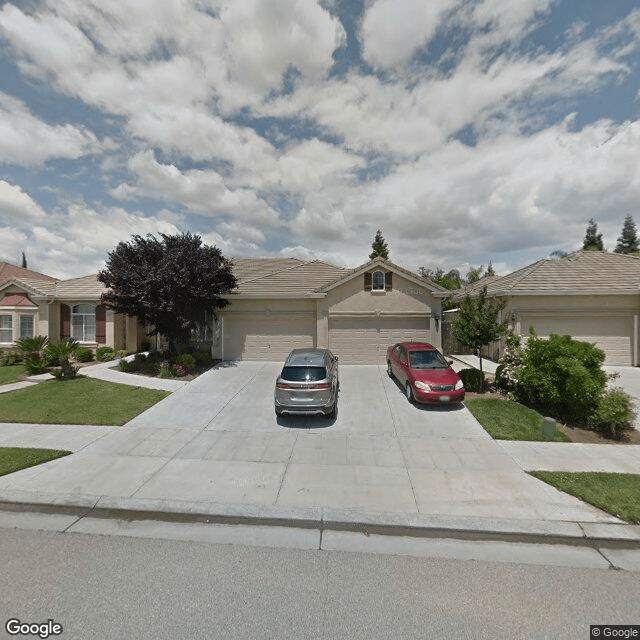
2865 Prescott, Clovis, CA 93619
For more information about senior living options: (866) 208-4318
Caring Heart-Buchanan Costs & Pricing
Caring Heart-Buchanan offers competitive pricing for its private room accommodations, with a monthly cost of $3,500. This rate is notably lower than the average for Fresno County, which stands at $3,589, and significantly less than the state average of $3,939 in California. By providing a more affordable option without compromising on quality care, Caring Heart-Buchanan positions itself as an attractive choice for those seeking supportive living arrangements in the region. This makes it not only a practical decision financially but also a place where residents can feel valued and well-cared-for.
| Floor plans | Caring Heart-Buchanan | Fresno County | California |
|---|---|---|---|
| Private | $3,500 | $3,589 | $3,939 |
Memory care communities with a similar price nearby
-
from +$500 / mo
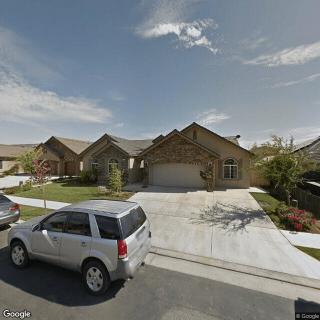
A Place Called Home II
$4,000 / month2.8 miles away -
from -$300 / mo
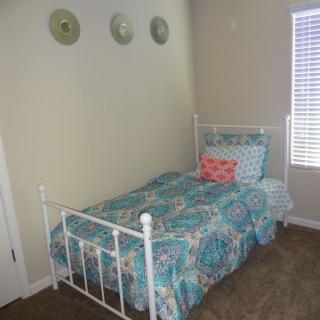
Blossom Creeks Assisted Living
$3,200 to $3,800 / month9.3 miles away -
About the same
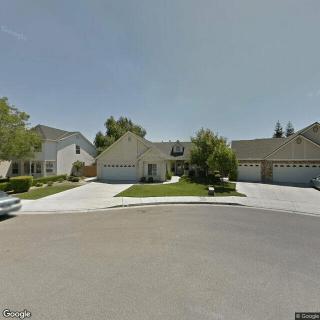
Pryor Falls
$3,600 to $3,900 / month3.1 miles away -
from -$200 / mo

Nazareth House
$3,300 / month9.1 miles away -
from -$300 / mo
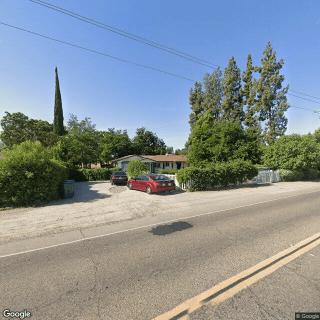
Clovis Guest Home
$3,200 / month2.0 miles away
Overall Review of Caring Heart-Buchanan
Pros
 Caring Heart is a nice place.
- Johanna, Gabby, and Irene assist residents and truly care about their well-being.
- The caregivers are genuinely caring.
Cons
 Some caregivers are there just for the money.
Review
Caring Heart-Buchanan is best suited for families that want a small, caregiver-focused environment in Clovis where daily attention to residents feels personal and genuine. The two available reviews converge on a picture of a warm, home-like setting where staff are seen as truly invested in each resident’s well-being rather than simply performing tasks. A 4.5-star overall rating from a limited sample suggests consistency in this experience, making it a compelling option for families who value direct, everyday interaction, predictable routines, and a sense that caregivers know the resident by name and circumstance.
Those who should consider alternatives are homeowners or families seeking broader medical oversight or a more robust program lineup. If a resident needs higher-level medical coordination, more structured rehab services, or a formal memory-care environment, larger communities with dedicated clinical staff and specialized units may better fit. Additionally, families looking for expansive amenities, frequent organized activities, or a campus with substantial on-site resources might find a more expansive option elsewhere. In short, this is a solid choice for comfort and relationship-driven care, but it may not satisfy every requirement for higher-acuity needs or highly varied programming.
The strongest positives revolve around staff quality and resident-centric care. The reviews highlight specific caregivers, Johanna, Gabby and Irene, whose hands-on approach and evident care for residents translate into real daily impact. This kind of attentiveness, especially when it comes from multiple team members who interact with the same residents, builds trust, reduces anxiety for families, and can meaningfully improve quality of life for seniors who thrive on familiar faces and consistent routines. The perception that some caregivers are there for more than just the paycheck reinforces a culture of genuine commitment, which often correlates with calmer days, quicker problem resolution, and stronger safety net for subtle changes in a resident’s condition.
Those pros, however, exist alongside the practical reality of a small data set and limited public detail. The very strength of a homey, intimate environment can coincide with constraints on availability, staff depth, and the breadth of programming. Without broader disclosure on medical staffing levels, activity calendars, or memory-care options, there is a natural concern that peak coverage hours or complex needs may strain the everyday experience. Families should dial into specifics during visits: who supports medical tasks (RNs, LPNs, or aides on-call), how medications are managed, what happens during evenings and weekends, and what transitional supports look like if a resident’s needs evolve.
When weighing how the positives balance potential gaps, the answer is pragmatic: for families prioritizing warm, individualized care, the offset is meaningful. The firsthand perception of caring staff can compensate for less formalized programming, especially if the resident responds well to routine, close caregiver relationships, and a quiet, less crowded atmosphere. For residents who require intense clinical management or a broad slate of social and therapeutic activities, the offset may be insufficient. The decision hinges on whether the preferred living environment is defined by trust and tenderness or by breadth of medical services and campus-wide offerings.
A practical evaluation plan helps families separate fit from fantasy. Visit and observe how staff interact with residents across different times of day; ask about caregiver-to-resident ratios, nurse coverage on evenings and weekends, and the process for coordinating with outside healthcare providers. Inquire about memory-care capabilities, emergency procedures, medication administration practices, and safety features throughout the building. Request a sample weekly schedule to gauge activity variety and engagement levels. Finally, compare against other Clovis-area communities that offer clearer medical programming or larger-scale amenities, noting how each environment aligns with the resident’s medical needs, daily preferences, and family expectations for oversight and communication. This approach clarifies whether Caring Heart-Buchanan’s intimate care model is the right match or if alternatives better meet the required level of clinical support and activity depth.
 6 resident community capacity
 Assisted Living
 Board and Care Home
 Memory Care
 Cable or satellite TV
 Dining room
 Fully furnished
 Garden
 Housekeeping services
 Move-in coordination
 Outdoor space
 Private
 Telephone
 Wi-Fi/high-speed internet available
 Fresno Yosemite International (7 miles away)
 24-hour supervision
 Activities of daily living assistance
 Assistance with bathing
 Assistance with dressing
 Assistance with transfers
 Diabetes diet
 Meal preparation and service
 Medication management
 Special dietary restrictions
 Transportation arrangement (medical)
 Transportation to doctors appointments
 8 Important Indicators That Memory Care May Be Necessary
 Delving into the Inner World of Dementia: Insights into Thoughts and Awareness
 Five Subtle Dementia Indicators to Observe: An In-Depth Guide to Understanding “Does My Mom Have Dementia?”