Amber Care Home in Clovis, CA

Information last verified:

399 Amber Avenue, Clovis, CA 93611

For more information about senior living options: (844) 490-3973

5 from 30 reviews
5 stars
30
4 stars
0
3 stars
0
2 stars
0
1 stars
0

Seniors.FYI Elite Community Awards

Top 5% Senior Living Community in 2023

Add this award to your website

Overall Review of Amber Care Home

Pros

  • pro They describe A Place Called Home as clean, beautiful, and truly a home, with caregivers who feel like family.
  • pro They praise the caregivers as outstanding, caring, patient, and always seeking ways to improve.
  • pro They highlight the smaller, safer setting with a caregiver-to-resident ratio of 1 to 2/3.
  • pro They value the all-homemade meals, with the food described as outstanding.
  • pro They emphasize that residents are treated with kindness, respect, dignity, and warmth.
  • pro They commend the staff for going above and beyond and for seamless, attentive management.
  • pro They appreciate that the owners are engaged, forward-thinking, and responsive to questions.
  • pro They remark that the environment feels calm, peaceful, and stress-free for families.
  • pro They note comprehensive care, including hygiene, medication management, mobility assistance, and end-of-life support with hospice coordination.
  • pro They mention that the homes are welcoming to visitors and even allow pets.

Cons

  • pro The memory care center wasn’t safe anymore because of the number of residents.
  • pro There weren’t enough caregivers to safely cover the area.
  • pro The ongoing price increases could push costs up by about $2,000 per month, eventually over $10,500.
  • pro The distance is a drawback, making visits difficult for family members.
  • pro A prior facility left the grandmother nearly ignored due to very low staff and attention.

Review

Amber Care Home in Clovis is best suited for families seeking a truly home-like memory-care environment where residents are known by name, routines are predictable, and caregiving is intimate rather than institutional. This community excels for residents who benefit from a calm, private-home atmosphere, with caregivers who stay with their residents consistently and families who want to be actively involved in daily care decisions. It suits those who prioritize a warm, family-driven culture, homemade meals, and the reassurance that someone is personally overseeing every detail of safety, hygiene, and comfort. If the goal is to avoid a hospital feel and to maximize everyday dignity in a small, controllable setting, Amber Care Home stands out.

Be advised that alternatives are worth considering for residents who need heavier medical oversight, richer on-site programming, or a broader social scene. For anyone whose loved one requires more extensive round-the-clock clinical services, more structured activity schedules, or access to a wider network of specialists without leaving the campus, larger memory-care campuses or skilled-nursing environments can be a better fit. Families should also weigh price dynamics: a purely predictable, all-in-rate model can matter as costs escalate elsewhere, but in settings where costs are more variable or tied to monthly reevaluations, that predictability can be decisive.

On the upside, the strongest pro of Amber Care-style homes is the tight caregiver-to-resident ratio and the continuity that flows from live-in staffing. Families repeatedly describe caregivers who know residents’ preferences, celebrate birthdays, monitor daily needs, and respond quickly to requests day and night. This intimacy translates into practical safety: motion-activated assistance by the bedside, consistent medication reminders, and a responsive team approach that avoids the bottlenecks of larger organizations. The home environment, clean, well-kept, and aesthetically welcoming, reinforces a sense of safety and normalcy that reduces stress for both residents and families.

Another clear advantage is the culture surrounding food, personalization, and family access. Home-cooked meals, a rotating menu, and spaces designed to feel like living rooms rather than clinics are consistently highlighted as meaningful quality-of-life factors. Families also appreciate the ability to bring in pets or to visit frequently without bureaucratic friction, which helps maintain emotional connections and reduces anxiety around transitions. End-of-life care is handled with courtesy and coordination, with staff interfacing smoothly with hospice services and other professionals, so families can focus on comfort and presence rather than logistics.

Yet some residents may experience a quieter social life than in larger centers, simply because the setting is small and the resident mix can skew toward lower cognitive levels or more subdued activity. For families seeking robust, structured social programming, frequent group activities, or a wider variety of peer interactions, this could be a drawback. The model’s strength, deep, personal attention, can unintentionally limit the breadth of communal events. That trade-off should be weighed against the resident’s temperament, social needs, and tolerance for quieter days.

In deciding, it becomes essential to quantify how the advantages align with the specific care trajectory. If a loved one thrives with predictable routines, highly individualized care, and a setting that feels like home, Amber Care Home offers a compelling match. The counterpoint is straightforward: if medical complexity, aggressive social programming, or broad campus amenities are non-negotiable, looking at alternatives with larger staffing pools and more formalized activity calendars is prudent. When visiting, verify caregiver stability, confirm the exact staffing model at the time of placement, and review the pricing structure for inclusions versus extras. Confirm the flexibility to adjust care plans as needs shift, and ask about hospice partnerships, specific medical supports, and pet-visitor policies.

Ultimately, Amber Care Home represents a disciplined choice for families prioritizing a humane, home-centered memory-care experience with immediate access to caring staff and a culture of family partnership. For those whose loved one’s well-being hinges on warmth, routine, and the sense of being truly “at home,” this model is hard to beat. If the resident’s needs trend toward more social engagement or more intensive clinical services, or if cost dynamics require a different financial structure, making time to compare a few alternative campuses will yield a clearer fit. The decision should hinge on whether home-like intimacy or broader institutional resources best align with the resident’s current and anticipated needs.

Features

Housing

  • 6 resident community capacity 6 resident community capacity

Types of Care

  • Assisted Living Assisted LivingAssisted living facilities provide crucial support and care for seniors who may need help with daily tasks such as medication management, bathing, and meal preparation. These communities offer a safe and comfortable environment where seniors can maintain their independence while receiving the assistance they need to thrive in their golden years.

Amenities

  • Cable or satellite TV Cable or satellite TVCable or satellite TV is important for seniors because it provides entertainment, news, and companionship, helping to combat loneliness and boredom. It also offers a wide range of programming options tailored to different interests and preferences.
  • Dining room Dining roomDining rooms are important for seniors as they provide a space for socialization, connection, and nutritious meals. They offer opportunities for residents to bond over shared meals, foster a sense of community, and promote healthy eating habits. Dining rooms also ensure that seniors have access to well-balanced meals tailored to their dietary needs and preferences.
  • Fully furnished Fully furnishedFully furnished senior living communities are important for seniors because they provide convenience, comfort, and a hassle-free moving experience. Seniors can easily settle into their new living space without the stress of having to buy and move furniture. This allows them to focus on enjoying their new home and community.
  • Garden GardenGardens are important for seniors as they provide a peaceful and therapeutic environment for relaxation, physical activity, and socialization. Being in nature has been shown to reduce stress, improve mood, and promote overall well-being. Gardens also offer opportunities for seniors to engage in gardening activities, which can improve mobility, flexibility, and cognitive function. Additionally, gardens create a sense of community and connection with others who share a passion for plants and outdoor spaces.
  • Housekeeping services Housekeeping servicesHousekeeping services are important for seniors because they help maintain a clean and safe living environment, promote independence, and reduce the risk of accidents or illnesses. Additionally, having assistance with household chores can alleviate physical strain and allow seniors to focus on other aspects of their well-being.
  • Move-in coordination Move-in coordinationMove-in coordination is important for seniors because it helps ease the transition into their new living environment. It ensures that all logistics, such as packing, organizing movers, and setting up utilities are taken care of, allowing seniors to focus on settling in and adjusting to their new home. Having a smooth move-in process can alleviate stress and anxiety, making the transition smoother and more enjoyable for seniors.
  • Outdoor space Outdoor spaceOutdoor spaces are important for seniors as they provide opportunities for physical activity, social interaction, exposure to natural light and fresh air, and a sense of connection to nature. Having access to outdoor spaces can improve overall well-being and quality of life for older adults living in senior communities.
  • Telephone TelephoneTelephones are important for seniors as they provide a lifeline for communication with loved ones, emergency services, and healthcare providers. They offer a sense of security and independence, enabling seniors to stay connected and access assistance when needed.
  • Wi-Fi/high-speed internet available Wi-Fi/high-speed internet availableWi-Fi/high-speed internet is important for seniors to stay connected with loved ones, access online resources, and participate in virtual activities to combat feelings of loneliness and isolation. It also allows them to easily manage healthcare needs, access entertainment, and engage in lifelong learning opportunities.

Transportation

  • Fresno Yosemite International (4 miles away) Fresno Yosemite International (4 miles away)

Care Services

  • 24-hour supervision 24-hour supervision24-hour supervision is important for seniors to ensure their safety, well-being, and access to immediate assistance in case of emergencies or health issues. This constant support provides peace of mind for both seniors and their loved ones, allowing them to age in place with dignity and security.
  • Activities of daily living assistance Activities of daily living assistanceActivities of daily living assistance are important for seniors because they provide essential support with tasks such as eating, bathing, dressing, and mobility. This assistance helps seniors maintain their independence, dignity, and overall quality of life as they age.
  • Assistance with bathing Assistance with bathingAssistance with bathing is crucial for seniors as it helps maintain personal hygiene, prevents infections, and ensures their overall well-being and comfort. It also provides a sense of dignity and independence for seniors who may struggle with this task on their own.
  • Assistance with dressing Assistance with dressingAssistance with dressing is important for seniors because it helps maintain their independence, promotes personal hygiene, prevents accidents and injuries, and improves overall quality of life. This service ensures that seniors can continue to dress comfortably and confidently, despite any physical limitations they may have.
  • Assistance with transfers Assistance with transfersAssistance with transfers is crucial for seniors as it helps prevent falls and injuries, maintains their independence, and ensures they can safely navigate their living environment. It also provides peace of mind for both seniors and their loved ones.
  • Coordination with health care providers Coordination with health care providersCoordination with health care providers is crucial for seniors to ensure proper medical care, medication management, and overall well-being. This collaboration helps prevent overlapping treatments, track progress more effectively, and provide comprehensive support tailored to individual needs.
  • Diabetes diet Diabetes dietA diabetes diet is crucial for seniors as it helps manage blood sugar levels, reduce risks of complications, and improve overall health and well-being. By following a balanced and nutritious diet tailored to their specific needs, seniors can better control their diabetes and enhance their quality of life.
  • Meal preparation and service Meal preparation and serviceMeal preparation and service are crucial for seniors as they may have limited mobility or energy to cook nutritious meals. Having access to healthy and convenient food options can ensure they are getting the proper nutrition needed to maintain their overall health and well-being.
  • Medication management Medication managementMedication management is crucial for seniors to ensure they are taking the right medications at the correct dosages and times. This helps prevent adverse drug interactions, reduces the risk of medication errors, and promotes overall health and well-being. Proactive management also allows for adjustments as needed based on changing health conditions or new prescriptions.
  • Special dietary restrictions Special dietary restrictionsSpecial dietary restrictions are important for seniors because age-related changes in metabolism and health conditions can make it difficult for their bodies to process certain foods. By following a diet tailored to their specific needs, seniors can maintain their overall health and well-being, manage chronic conditions, and reduce the risk of complications such as malnutrition or food interactions with medications.
  • Transportation arrangement (medical) Transportation arrangement (medical)Transportation arrangements for medical purposes are essential for seniors as they may have difficulty driving themselves to appointments or accessing public transportation. Having reliable and safe transportation options ensures that seniors can receive timely medical care and maintain their health and well-being.
  • Transportation to doctors appointments Transportation to doctors appointmentsTransportation to doctors' appointments is crucial for seniors as it ensures they have access to necessary medical care and support for their health needs. Without reliable transportation, seniors may struggle to attend important appointments, leading to potential delays in treatment and health complications. Providing transportation services helps seniors maintain their overall well-being and quality of life.

Dining

  • Diabetes diet Diabetes dietA diabetes diet is crucial for seniors as it helps manage blood sugar levels, reduce risks of complications, and improve overall health and well-being. By following a balanced and nutritious diet tailored to their specific needs, seniors can better control their diabetes and enhance their quality of life.
  • Special dietary restrictions Special dietary restrictionsSpecial dietary restrictions are important for seniors because age-related changes in metabolism and health conditions can make it difficult for their bodies to process certain foods. By following a diet tailored to their specific needs, seniors can maintain their overall health and well-being, manage chronic conditions, and reduce the risk of complications such as malnutrition or food interactions with medications.

Activities

  • Community-sponsored activities Community-sponsored activitiesCommunity-sponsored activities are important for seniors as they provide opportunities for social interaction, mental stimulation, and physical activity. These activities can help improve overall well-being, combat loneliness and isolation, and promote a sense of belonging and purpose among older adults.
  • Scheduled daily activities Scheduled daily activitiesScheduled daily activities are important for seniors because they provide structure, socialization, mental stimulation, and physical activity. Engaging in regular activities can improve overall well-being and quality of life for seniors living in a community setting.

Description

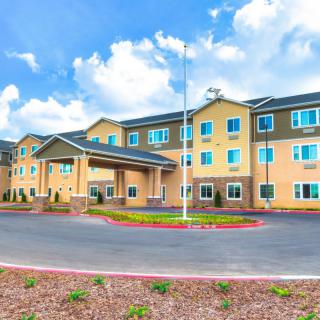
Amber Care Home in Clovis, CA is a welcoming and comfortable assisted living community that provides exceptional care and services to its residents. The community offers a range of amenities to ensure a fulfilling and enjoyable living experience.

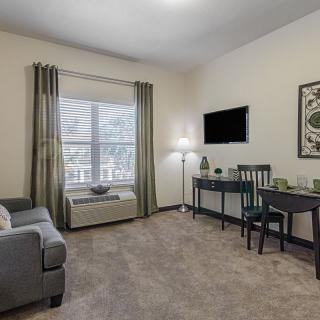
Residents can enjoy delicious meals in the spacious dining room, which accommodates their special dietary restrictions. The fully furnished apartments provide a cozy environment for residents to relax and feel at home. The beautiful garden and outdoor space offer opportunities to enjoy nature and spend time outdoors.

Housekeeping services are provided to maintain a clean and organized living environment for residents. Move-in coordination is available to assist new residents with a smooth transition into their new home. Telephone and Wi-Fi/ high-speed internet are readily available to keep residents connected with loved ones.

The dedicated care team at Amber Care Home offers assistance with activities of daily living such as bathing, dressing, and transfers. They also work closely with healthcare providers to coordinate medical appointments and ensure proper care for each resident's individual needs. Special attention is given to diabetes management, including diet control.

Meal preparation and service are provided, ensuring that residents receive nutritious meals tailored to their dietary requirements. Medication management is also offered, ensuring that medications are taken correctly and on schedule.

Residents have access to transportation arrangements for medical purposes as well as doctor's appointments. Scheduled daily activities keep residents engaged and entertained within the community. Additionally, there are plenty of cafes, parks, pharmacies, physicians, restaurants, transportation options, places of worship, theaters, and hospitals nearby for convenience.

Amber Care Home in Clovis, CA strives to provide a comfortable and supportive environment where residents can receive personalized care while enjoying an active lifestyle surrounded by amenities and nearby services in the vibrant community.

Nearby Places of Interest

Places of Worship

  • First Baptist Church Of Clovis (0.6 miles)
  • Clovis Christian Church (1.6 miles)
  • New Harvest Church (2.2 miles)
  • St Paul Newman Center (4.6 miles)

Cafes

  • Dutch Bros Coffee (0.8 miles)
  • Starbucks (0.9 miles)
  • Kuppa Joy Coffee House (1.3 miles)
  • Panera Bread (1.5 miles)
  • Collect Coffee Bar (3.3 miles)

Restaurants

  • Pho Ever (0.8 miles)
  • Sonic Drive-In (0.9 miles)
  • Ramen Hayashi (0.9 miles)
  • Denny's (1.4 miles)
  • Fosters Freeze (1.4 miles)
  • McDonald's (1.4 miles)
  • Four Seasons Chinese Restaurant (1.5 miles)

Physicians

  • Ben Magleby, DDS Family Dentist (0.8 miles)
  • Magnolia Pediatrics (1 miles)
  • Fogg Remington Eyecare (1.1 miles)
  • Nadeem Rahman, MD (1.3 miles)
  • K&H Dental (1.4 miles)
  • University Cardiovascular Center (1.4 miles)
  • 420 Canicare (1.4 miles)

Hospitals

  • Kaiser Permanente Health Care (0.9 miles)
  • Clovis Community Hospital Surgery Department (1.4 miles)
  • Sante Health Systems (3.4 miles)

Pharmacies

  • Walgreens (0.9 miles)
  • Save Mart Supermarkets (0.9 miles)
  • CVS Pharmacy (1.1 miles)
  • CVS Pharmacy (1.1 miles)
  • Walgreens (1.3 miles)
  • Target Pharmacy (1.8 miles)
  • CVS Pharmacy (1.8 miles)

Parks

  • Cottonwood Park & Dog Run (1.9 miles)
  • Railroad Park (2.7 miles)
  • Melody Park (3.2 miles)

Theaters

  • Maya Cinemas Fresno 16 (3.3 miles)

Transportation

  • Fresno Yosemite International Airport (FAT) (4.5 miles)
  • Baggage Claim (4.5 miles)
  • Fresno Yosemite International Airport, Cell Phone Waiting Area (4.6 miles)

Frequently Asked Questions

Where is Amber Care Home?

Nearby Communities

  • The Green Gables Care Home V

    The Green Gables Care Home V

    Clovis, CA


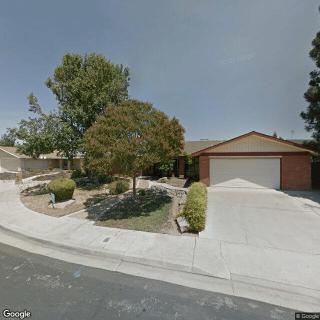
    pro Warm, homelike setting with fully furnished rooms, garden access, and personalized meals plus comprehensive care and transportation support.
  • Sunshine Home Care

    Sunshine Home Care

    Clovis, CA

     
    $2,500 to $8,472 / month

    pro Active social environment with engaging activities and a pleasant dining atmosphere.

  • Rosemary Homes IV

    Rosemary Homes IV

    Clovis, CA

    4.6 from 5 reviews
    $2,500 to $3,000 / month

    pro Helpful staff and a clean, well-organized environment.

  • Catuira Home

    Catuira Home

    Clovis, CA

    5 from 1 review
     

    pro Fully furnished, intimate board-and-care with 24/7 supervision and ADL/medication coordination.

  • Loving Hearts of Clovis Home

    Loving Hearts of Clovis Home

    Clovis, CA

     
    $1,800 to $2,100 / month

    pro Affordable rates with extensive nearby amenities

  • Christina's Care Home

    Christina's Care Home

    Clovis, CA

    4.6 from 8 reviews
    $2,000 to $2,500 / month

    pro Intimate, home-like setting with friendly, attentive staff.

  • Carmel Village at Clovis Senior Living

    Carmel Village at Clovis Senior Living

    Clovis, CA

    4.6 from 59 reviews
    $3,395 to $4,800 / month

    pro Caring, professional staff in a clean, safe setting with engaging activities and strong memory-care features.

  • Truewood By Merrill, Clovis

    Truewood By Merrill, Clovis

    Clovis, CA

    4 from 30 reviews
     

    pro Comprehensive care options with 24/7 safety, memory-care programming, and restaurant-style dining.

  • Fresno Guest Home VI

    Fresno Guest Home VI

    Fresno, CA

    4.6 from 19 reviews
    $2,800 / month

    pro Affordable private-room option with extensive nearby amenities.

Related Resources

  • activities of daily livingComprehensive Insights into Activities of Daily Living (ADLs) and Their Assessment

    Activities of Daily Living (ADLs) are fundamental tasks vital for an individual's independence, particularly in older adults over 85, and include functions like bathing and dressing; assessing ADLs alongside Instrumental Activities of Daily Living (IADLs) helps determine the level of required assistance due to age-related health challenges. Tailored support plans, involving family and community resources, are essential for maintaining dignity and autonomy in assisted living environments.

  • elderly parent refuses assisted livingGuiding Elderly Parents Who Refuse Assisted Living: 6 Practical Steps

    Family caregivers face emotional, legal, and practical challenges when elderly parents refuse assisted living, often due to fears of losing autonomy. Open conversations and professional assessments can help address these concerns while exploring alternatives and ensuring safety, potentially leading to legal guardianship if necessary.

  • luxury assisted livingYour Comprehensive Guide to Luxury Assisted Living: Elevated Facilities, Amenities, and Costs

    Luxury assisted living offers high-quality senior care in a resort-like environment that combines essential medical support, gourmet dining, and personalized services to enhance residents' independence and well-being. These upscale facilities emphasize holistic health and community-building through customized care plans and social activities, catering to the growing demand for enriched senior living experiences despite higher costs.