


A Place Called Home Residential Care 2 in Clovis, CA

Save

  • Interior

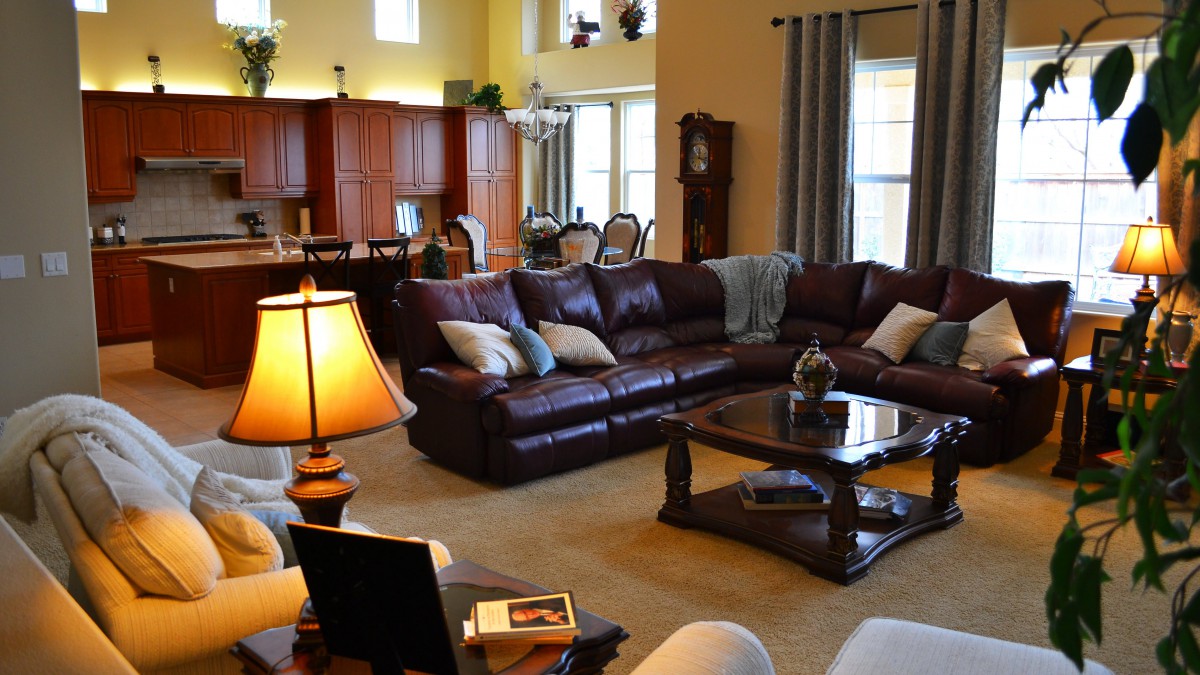
    Spacious living room with a leather sofa and coffee table, adjoining an open kitchen area.
  • Outdoors

    A family hiking in the mountains enjoying a scenic view.
  • Decor

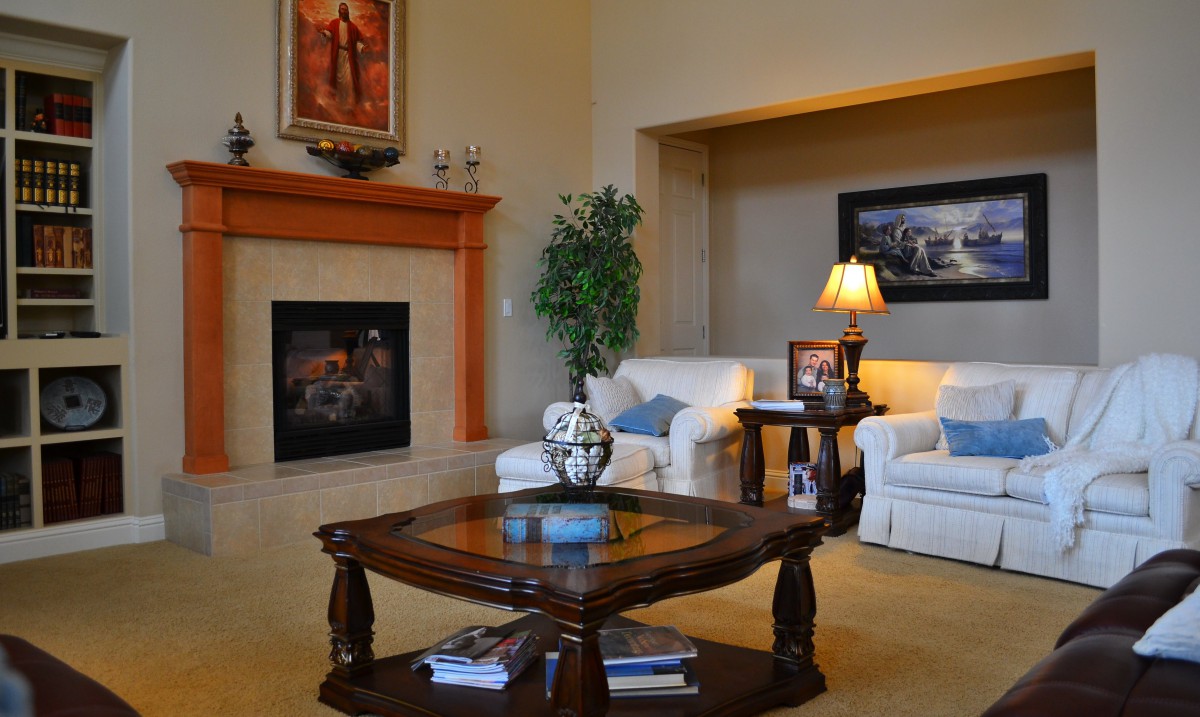
    A cozy living room featuring comfortable sofas, a wooden coffee table, and elegant decor with a fireplace in the background.
  • Bedroom

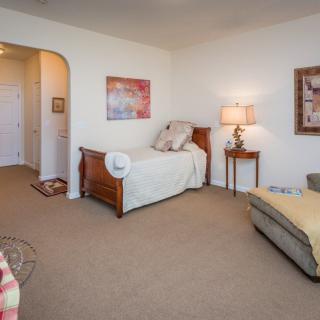
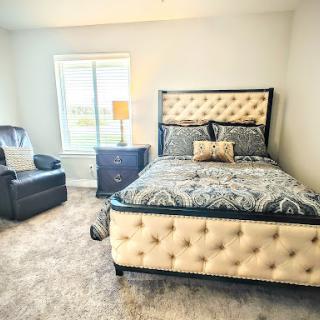
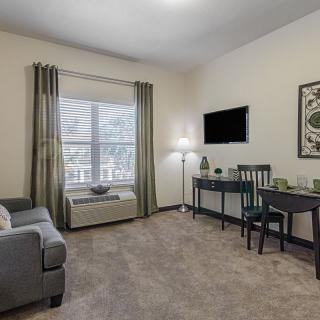
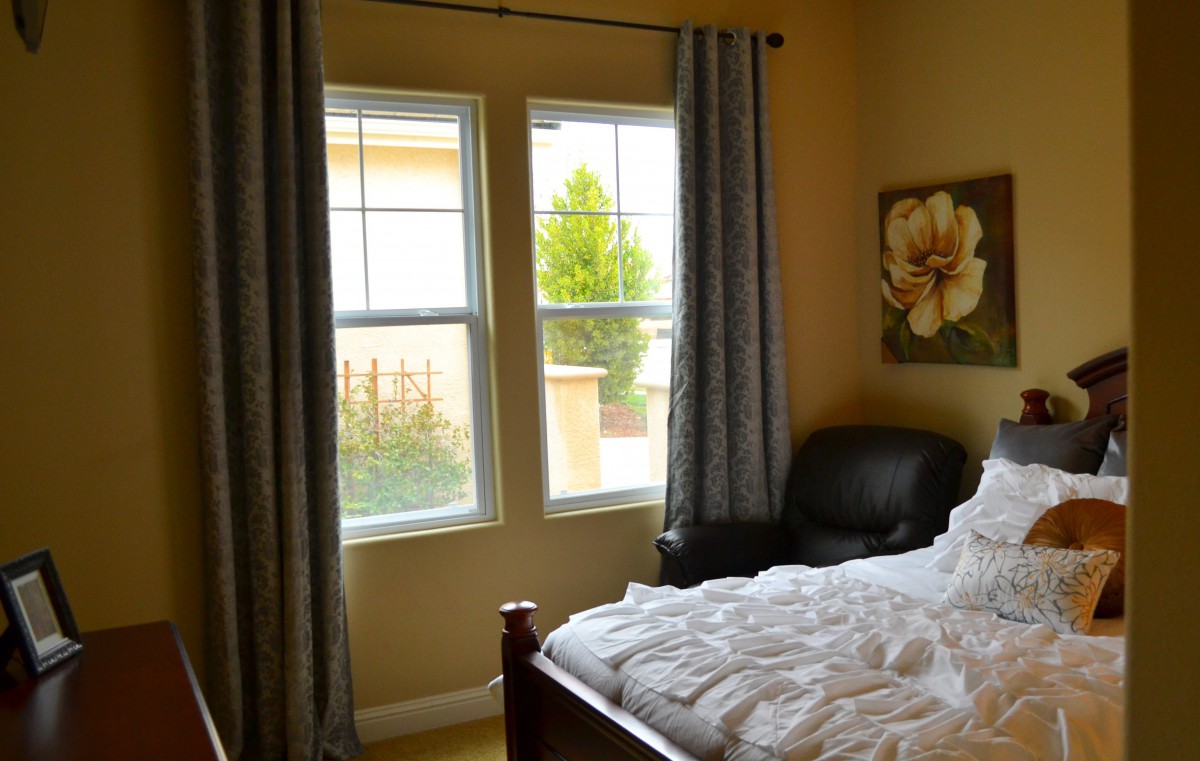
    A cozy bedroom with a large window, curtains, and a comfortable bed.
  • Trees

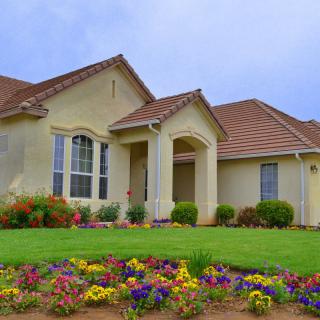
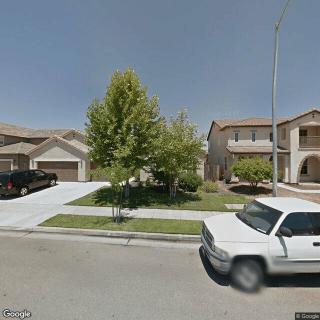
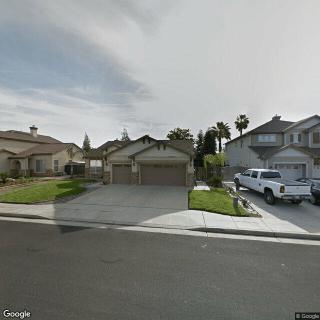
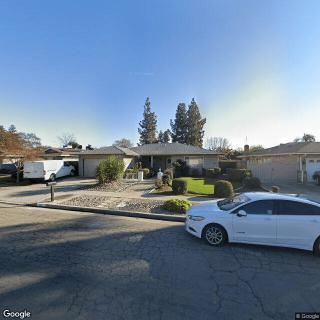
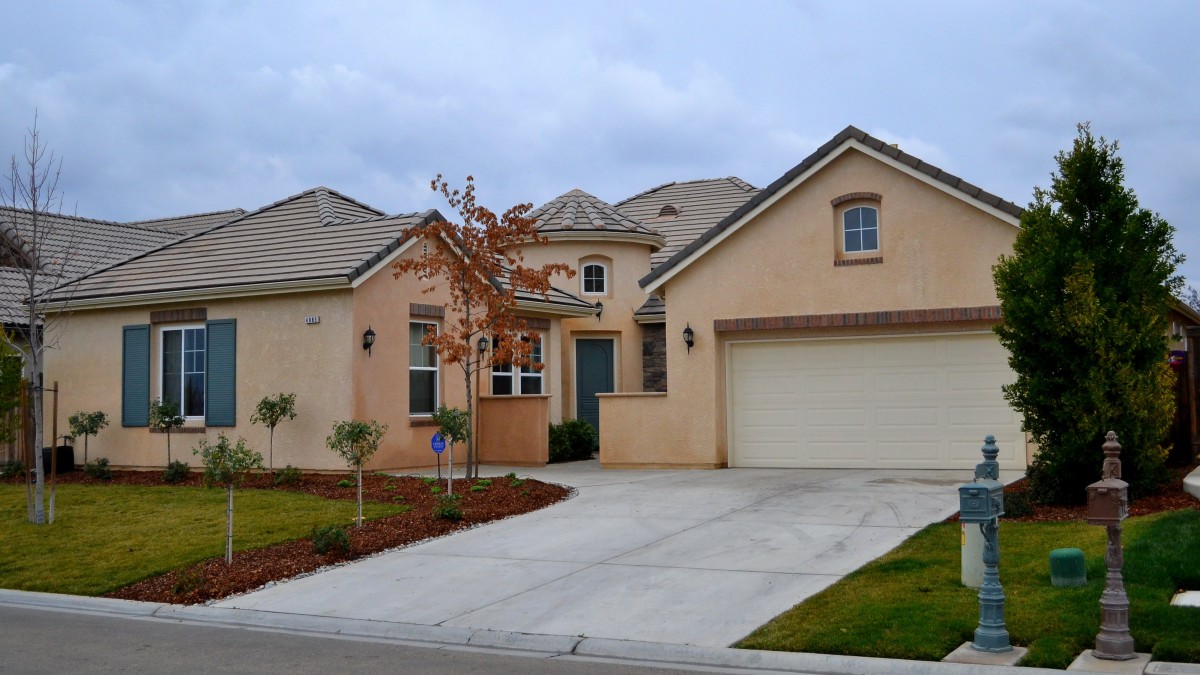
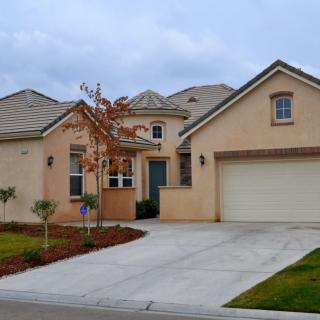
    A suburban single-family home with a garage and landscaped front yard.
  • Windows

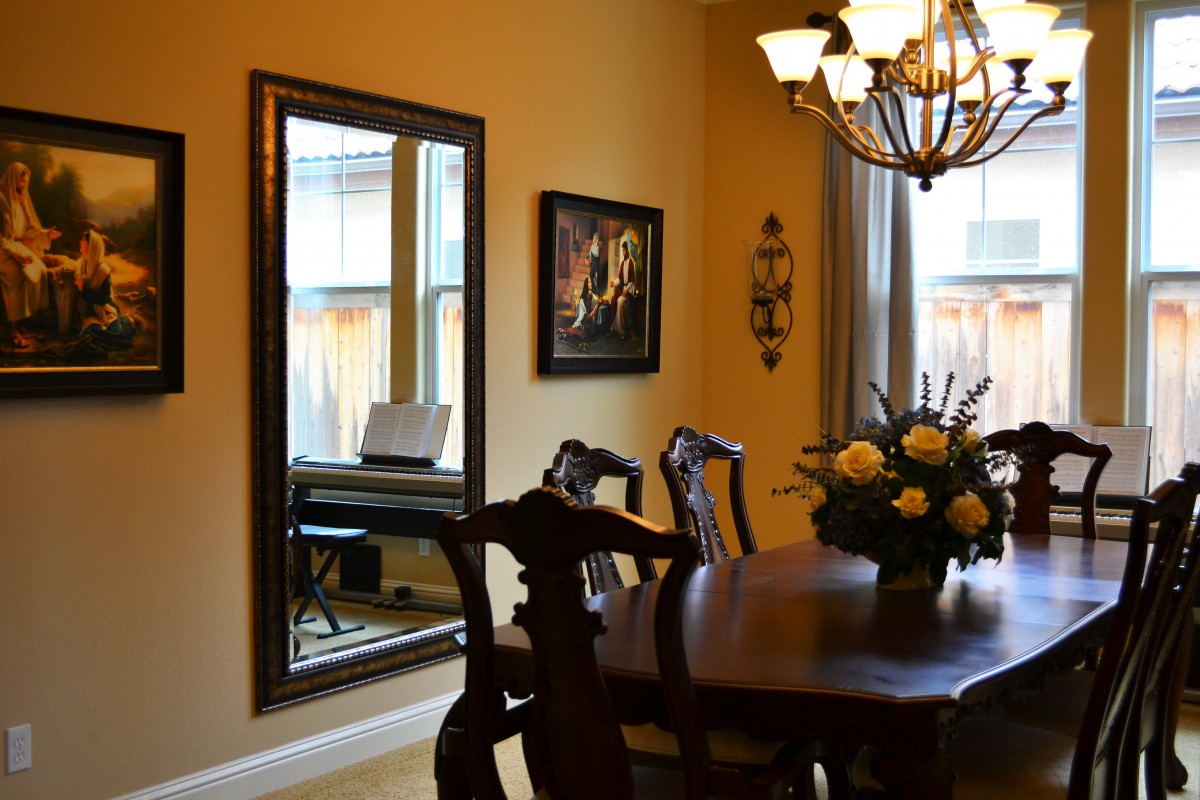
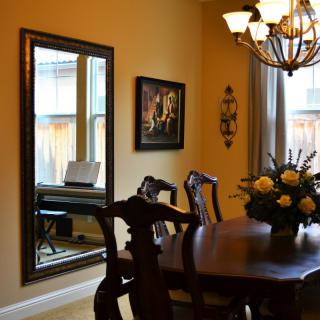
    A cozy dining room with a mirror, chandelier, and a table adorned with flowers.
  • Outdoor

    A rustic sign displaying the text 'QUAIL LANE'.

A Place Called Home Residential Care 2 in Clovis, CA

4085 North Newport Bay, Clovis, CA 93619

For more information about senior living options: (844) 490-3973

5 from 8 reviews
5 stars
8
4 stars
0
3 stars
0
2 stars
0
1 stars
0

Assisted Living Board and Care Home Memory Care

A Place Called Home Residential Care 2 Costs & Pricing

A Place Called Home Residential Care 2 offers a private room at a monthly cost of $5,100, which significantly exceeds the average rates in Fresno County and throughout California. In Fresno County, the average cost for a similar private room is approximately $3,589, while the state average stands at $3,939. This pricing reflects the unique services and amenities offered by A Place Called Home Residential Care 2, which may include personalized care plans and an enriching environment tailored for residents. While the higher costs may be a consideration for potential residents and their families, they also highlight the commitment to providing exceptional care within a supportive community.

Floor plansA Place Called Home Residential Care 2Fresno CountyCalifornia
Private$5,100$3,589$3,939

What level of care are you interested in?

Assisted Living

Memory Care

Independent Living

Skilled Nursing Facility

Continuing Care Retirement Community (CCRC)CCRC

Other


Request a tour at A Place Called Home Residential Care 2

    Overall Review of A Place Called Home Residential Care 2

    Pros

    • pro APCH has a very caring staff.
    • pro APCH is a beautiful home.
    • pro APCH is welcoming, and visitors note that residents seem happy.
    • pro Hospice professionals commonly recommend APCH to families.
    • pro APCH provides reliable and compassionate care, with staff going above and beyond.
    • pro The meals at APCH are fabulous.
    • pro The caregivers at APCH are wonderful, with impeccable attention to detail.
    • pro The staff at APCH are friendly and helpful to both visitors and residents.
    • pro The environment at APCH is warm and inviting, in a safe, gated community with pleasant outdoor spaces.

    Review

    A Place Called Home Residential Care 2 in Clovis is best suited for seniors who want a warm, home-like living environment where care feels personal and consistent. This community shines for families seeking a small, intimate setting with reliable, compassionate staff who treat residents like family. It is ideal for someone who appreciates a beautifully maintained, welcoming home atmosphere - complete with a safe, gated yard, pleasant outdoor spaces, and a focus on comfort, good meals, and daily interactions that emphasize dignity and belonging.

    The strongest arguments in favor of this community rest on the staff's reliability and the culture of care. Multiple observers describe staff as genuinely caring, attentive, and easy to rely on, with a level of consistency that reassures families who want steady hands guiding daily life. The care team is repeatedly praised for going above and beyond, not only meeting basic needs but attending to the little touches that make residents feel valued. Alongside this, the meals receive frequent commendation for flavor and nutrition, reinforcing a sense of normalcy and pride in daily living. The setting itself reinforces trust: a well-kept, beautiful home in a safe, gated neighborhood that feels welcoming from the first visit.

    Beyond staffing, the residents appear to thrive in an environment designed to be uplifting and home-centric. Families note that the community exudes warmth, with residents who seem happy and engaged during visits. The staff's attention to detail is described as impeccable, and the atmosphere is repeatedly called inviting and dignified. The physical surroundings - a lush yard with flowers, fruit trees, and a cozy patio - contribute to an experience that feels less like a care facility and more like a comfortable home where residents retain familiar routines and opportunities to enjoy the outdoors. For caregivers seeking a place where care feels heartfelt and integrated into daily life, these aspects carry substantial weight.

    There are practical reasons some families may want to consider alternatives. For residents who require higher levels of medical oversight, 24/7 skilled nursing, or specialized memory-care programming, a larger or more medically focused institution could be a better fit. Those who prioritize a broad calendar of on-site activities or extensive campus amenities might find a small residential setting more limited. Additionally, families navigating complex care needs or seeking aggressive rehabilitation services may prefer a facility with more extensive clinical resources. In short, this community excels in warmth, consistency, and daily quality-of-life, but may not be the optimal match for residents with advanced medical or dementia-care requirements that demand specialized programming.

    The favorable elements - exceptional care, reliable staffing, and a truly home-like ambiance - offset most potential concerns by delivering a consistently high quality of life. The dedicated staff, who are described as treating residents like their own family, can mitigate feelings of isolation and anxiety, which are common in senior transitions. Nutritious, tasty meals and a safe, aesthetically pleasing environment help maintain dignity and everyday satisfaction, even when mobility or routine changes are involved. Where larger facilities might overwhelm with scale, this setting succeeds by preserving trust, continuity, and individualized attention. Families can reasonably expect their loved ones to receive compassionate, attentive care that prioritizes comfort and respect.

    Bottom line: A Place Called Home Residential Care 2 stands out for families prioritizing personalized, heartfelt care in a beautiful, intimate home setting. It is a compelling choice for seniors who value dependable staff, consistent routines, good meals, and a safe, welcoming atmosphere. It works best for residents who do not require intensive medical services or specialized memory-care programming, and who will thrive with a smaller community where staff form meaningful relationships with both residents and visiting family. For those needing advanced clinical oversight or broad-scale programming, exploring alternatives with greater medical resources is prudent. A visit should focus on meeting the caregiving team, observing daily interactions, and confirming that the level of attention aligns with the anticipated care needs.

    Features

    Housing

    • 6 resident community capacity 6 resident community capacity

    Types of Care

    • Assisted Living Assisted LivingAssisted living facilities provide crucial support and care for seniors who may need help with daily tasks such as medication management, bathing, and meal preparation. These communities offer a safe and comfortable environment where seniors can maintain their independence while receiving the assistance they need to thrive in their golden years.
    • Board and Care Home Board and Care HomeBoard and care homes provide a smaller, more intimate setting for seniors who require assistance with daily tasks but do not need the level of care offered by a nursing home. They offer personalized care, meals, and social activities in a homelike environment, ensuring that seniors receive individualized attention and support in their golden years.
    • Memory Care Memory CareMemory care is crucial for seniors as it provides specialized support and services for individuals with dementia or Alzheimer's disease. These programs offer a safe and secure environment where residents receive personalized care, cognitive stimulation, and help with daily activities. Memory care helps seniors maintain their independence, quality of life, and dignity while also providing peace of mind for their families.

    Amenities

    • Activities off-site Activities off-siteEngaging in off-site activities is crucial for seniors to maintain social connections, stay active, and stimulate their minds. It promotes overall well-being and helps combat feelings of isolation and loneliness.
    • Activities on-site Activities on-siteActivities on-site are important for seniors because they provide opportunities for socialization, mental stimulation, physical activity, and overall well-being. Engaging in activities can help seniors stay active, maintain their independence, and improve their quality of life.
    • Bath tubs Bath tubsBath tubs are important for seniors because they provide a safe and relaxing way to bathe, helping to prevent slips and falls while promoting independence and overall well-being.
    • Cable or satellite TV Cable or satellite TVCable or satellite TV is important for seniors because it provides entertainment, news, and companionship, helping to combat loneliness and boredom. It also offers a wide range of programming options tailored to different interests and preferences.
    • Devotional services off-site Devotional services off-siteDevotional services off-site are important for seniors as they provide spiritual nourishment, social engagement, and a sense of community outside of the senior living facility. This can enhance overall well-being and help combat feelings of isolation and loneliness often experienced by older adults.
    • Devotional services on-site Devotional services on-siteDevotional services on-site provide seniors with spiritual support and a sense of community, as well as an opportunity for reflection and guidance during their senior living experience. This can promote emotional well-being and connection to others, leading to a more fulfilling and enriching lifestyle in their later years.
    • Dining room Dining roomDining rooms are important for seniors as they provide a space for socialization, connection, and nutritious meals. They offer opportunities for residents to bond over shared meals, foster a sense of community, and promote healthy eating habits. Dining rooms also ensure that seniors have access to well-balanced meals tailored to their dietary needs and preferences.
    • Fully furnished Fully furnishedFully furnished senior living communities are important for seniors because they provide convenience, comfort, and a hassle-free moving experience. Seniors can easily settle into their new living space without the stress of having to buy and move furniture. This allows them to focus on enjoying their new home and community.
    • Garden GardenGardens are important for seniors as they provide a peaceful and therapeutic environment for relaxation, physical activity, and socialization. Being in nature has been shown to reduce stress, improve mood, and promote overall well-being. Gardens also offer opportunities for seniors to engage in gardening activities, which can improve mobility, flexibility, and cognitive function. Additionally, gardens create a sense of community and connection with others who share a passion for plants and outdoor spaces.
    • Housekeeping services Housekeeping servicesHousekeeping services are important for seniors because they help maintain a clean and safe living environment, promote independence, and reduce the risk of accidents or illnesses. Additionally, having assistance with household chores can alleviate physical strain and allow seniors to focus on other aspects of their well-being.
    • Indoor common areas Indoor common areasIndoor common areas are crucial for seniors as they provide a space for socialization, recreation, and community engagement, promoting overall well-being and reducing feelings of isolation and loneliness.
    • Move-in coordination Move-in coordinationMove-in coordination is important for seniors because it helps ease the transition into their new living environment. It ensures that all logistics, such as packing, organizing movers, and setting up utilities are taken care of, allowing seniors to focus on settling in and adjusting to their new home. Having a smooth move-in process can alleviate stress and anxiety, making the transition smoother and more enjoyable for seniors.
    • Outdoor common areas Outdoor common areasOutdoor common areas are important for seniors as they provide a space for socialization, physical activity, and relaxation. Being outside in nature can improve mood and overall well-being, while also encouraging movement and engagement with others. These spaces can help combat feelings of isolation and promote a sense of community among residents.
    • Outdoor space Outdoor spaceOutdoor spaces are important for seniors as they provide opportunities for physical activity, social interaction, exposure to natural light and fresh air, and a sense of connection to nature. Having access to outdoor spaces can improve overall well-being and quality of life for older adults living in senior communities.
    • Private PrivatePrivacy is important for seniors as it allows them to maintain their independence, dignity, and sense of control over their own lives. It also gives them the space and freedom to relax, reflect, and engage in activities that bring them joy and fulfillment. Creating private spaces within senior living facilities is crucial for promoting overall well-being and quality of life.
    • Telephone TelephoneTelephones are important for seniors as they provide a lifeline for communication with loved ones, emergency services, and healthcare providers. They offer a sense of security and independence, enabling seniors to stay connected and access assistance when needed.
    • Wi-Fi/high-speed internet available Wi-Fi/high-speed internet availableWi-Fi/high-speed internet is important for seniors to stay connected with loved ones, access online resources, and participate in virtual activities to combat feelings of loneliness and isolation. It also allows them to easily manage healthcare needs, access entertainment, and engage in lifelong learning opportunities.

    Transportation

    • Fresno Yosemite International (7 miles away) Fresno Yosemite International (7 miles away)

    Care Services

    • 24-hour supervision 24-hour supervision24-hour supervision is important for seniors to ensure their safety, well-being, and access to immediate assistance in case of emergencies or health issues. This constant support provides peace of mind for both seniors and their loved ones, allowing them to age in place with dignity and security.
    • Activities of daily living assistance Activities of daily living assistanceActivities of daily living assistance are important for seniors because they provide essential support with tasks such as eating, bathing, dressing, and mobility. This assistance helps seniors maintain their independence, dignity, and overall quality of life as they age.
    • Assistance with bathing Assistance with bathingAssistance with bathing is crucial for seniors as it helps maintain personal hygiene, prevents infections, and ensures their overall well-being and comfort. It also provides a sense of dignity and independence for seniors who may struggle with this task on their own.
    • Assistance with dressing Assistance with dressingAssistance with dressing is important for seniors because it helps maintain their independence, promotes personal hygiene, prevents accidents and injuries, and improves overall quality of life. This service ensures that seniors can continue to dress comfortably and confidently, despite any physical limitations they may have.
    • Assistance with transfers Assistance with transfersAssistance with transfers is crucial for seniors as it helps prevent falls and injuries, maintains their independence, and ensures they can safely navigate their living environment. It also provides peace of mind for both seniors and their loved ones.
    • Coordination with health care providers Coordination with health care providersCoordination with health care providers is crucial for seniors to ensure proper medical care, medication management, and overall well-being. This collaboration helps prevent overlapping treatments, track progress more effectively, and provide comprehensive support tailored to individual needs.
    • Diabetes diet Diabetes dietA diabetes diet is crucial for seniors as it helps manage blood sugar levels, reduce risks of complications, and improve overall health and well-being. By following a balanced and nutritious diet tailored to their specific needs, seniors can better control their diabetes and enhance their quality of life.
    • High acuity care High acuity careHigh acuity care is important for seniors because it provides specialized medical attention and support for individuals with complex medical needs. This level of care ensures that seniors receive the appropriate treatment and assistance to maintain their health and quality of life as they age.
    • Incontinence care Incontinence careIncontinence care is essential for seniors to maintain their dignity, hygiene, and overall quality of life. By addressing incontinence issues promptly and effectively, seniors can enjoy a sense of independence and comfort in their daily activities.
    • Meal preparation and service Meal preparation and serviceMeal preparation and service are crucial for seniors as they may have limited mobility or energy to cook nutritious meals. Having access to healthy and convenient food options can ensure they are getting the proper nutrition needed to maintain their overall health and well-being.
    • Medication management Medication managementMedication management is crucial for seniors to ensure they are taking the right medications at the correct dosages and times. This helps prevent adverse drug interactions, reduces the risk of medication errors, and promotes overall health and well-being. Proactive management also allows for adjustments as needed based on changing health conditions or new prescriptions.
    • Special dietary restrictions Special dietary restrictionsSpecial dietary restrictions are important for seniors because age-related changes in metabolism and health conditions can make it difficult for their bodies to process certain foods. By following a diet tailored to their specific needs, seniors can maintain their overall health and well-being, manage chronic conditions, and reduce the risk of complications such as malnutrition or food interactions with medications.
    • Transportation arrangement (medical) Transportation arrangement (medical)Transportation arrangements for medical purposes are essential for seniors as they may have difficulty driving themselves to appointments or accessing public transportation. Having reliable and safe transportation options ensures that seniors can receive timely medical care and maintain their health and well-being.
    • Transportation to doctors appointments Transportation to doctors appointmentsTransportation to doctors' appointments is crucial for seniors as it ensures they have access to necessary medical care and support for their health needs. Without reliable transportation, seniors may struggle to attend important appointments, leading to potential delays in treatment and health complications. Providing transportation services helps seniors maintain their overall well-being and quality of life.

    Dining

    • Diabetes diet Diabetes dietA diabetes diet is crucial for seniors as it helps manage blood sugar levels, reduce risks of complications, and improve overall health and well-being. By following a balanced and nutritious diet tailored to their specific needs, seniors can better control their diabetes and enhance their quality of life.
    • Meals provided Meals provided"Meals provided" are crucial for seniors in assisted living communities as it ensures they have access to nutritious, balanced meals without the stress of meal planning and preparation. This can help promote overall health and well-being for seniors who may have limited mobility or cognitive abilities.
    • Special dietary restrictions Special dietary restrictionsSpecial dietary restrictions are important for seniors because age-related changes in metabolism and health conditions can make it difficult for their bodies to process certain foods. By following a diet tailored to their specific needs, seniors can maintain their overall health and well-being, manage chronic conditions, and reduce the risk of complications such as malnutrition or food interactions with medications.

    Activities

    • Activities off-site Activities off-siteEngaging in off-site activities is crucial for seniors to maintain social connections, stay active, and stimulate their minds. It promotes overall well-being and helps combat feelings of isolation and loneliness.
    • Activities on-site Activities on-siteActivities on-site are important for seniors because they provide opportunities for socialization, mental stimulation, physical activity, and overall well-being. Engaging in activities can help seniors stay active, maintain their independence, and improve their quality of life.
    • Birthday parties Birthday partiesBirthday parties are important for seniors as they provide an opportunity for celebration, socialization, and joy. They allow seniors to feel special and appreciated, boosting their mood and overall well-being. Additionally, birthday parties can help combat feelings of isolation and loneliness by fostering connections with friends, family, and community members.
    • Community-sponsored activities Community-sponsored activitiesCommunity-sponsored activities are important for seniors as they provide opportunities for social interaction, mental stimulation, and physical activity. These activities can help improve overall well-being, combat loneliness and isolation, and promote a sense of belonging and purpose among older adults.
    • Devotional activities offsite Devotional activities offsiteDevotional activities offsite are important for seniors because they provide social engagement, spiritual growth, and a sense of community outside of their living environment. This can improve overall well-being, mental health, and combat feelings of isolation or loneliness.
    • Devotional activities on-site Devotional activities on-siteDevotional activities on-site provide seniors with a sense of community, spiritual fulfillment, and emotional support, promoting overall well-being and a positive sense of purpose in their lives.
    • Holiday parties Holiday partiesHoliday parties are important for seniors because they provide opportunities for socialization, community involvement, and mental stimulation. These festive events offer a sense of belonging and connection during a time that can be lonely for many older adults. Additionally, participating in holiday celebrations can boost mood and overall well-being for seniors living in senior living communities.
    • Live dance or theater performances Live dance or theater performancesLive dance or theater performances are important for seniors because they provide opportunities for socialization, mental stimulation, and emotional engagement. These performances can help combat feelings of isolation and loneliness, while also offering a sense of connection to the arts and culture. Additionally, watching live performances can bring joy and create lasting memories for seniors in their later years.
    • Live musical performances Live musical performancesLive musical performances can provide seniors with a sense of joy, nostalgia, and connection. Music has the power to evoke emotions and memories, improve mood and cognitive function, and foster social interaction among seniors. It can also serve as a form of therapy and stress relief for older adults, making it an important activity to include in senior living communities.
    • Scheduled daily activities Scheduled daily activitiesScheduled daily activities are important for seniors because they provide structure, socialization, mental stimulation, and physical activity. Engaging in regular activities can improve overall well-being and quality of life for seniors living in a community setting.
    • Visiting chaplain or priest Visiting chaplain or priestHaving a visiting chaplain or priest at a senior living community is important for seniors because it provides spiritual support, comfort, and guidance during a time of life that can be challenging and uncertain. Their presence can help seniors feel connected to their faith, find peace of mind, and cope with the emotional and mental struggles they may face in their later years.

    Description

    A Place Called Home Residential Care 2 is an assisted living community located in Clovis, CA. We offer both board and care home services as well as specialized memory care for those with dementia or Alzheimer's disease.

    Our community provides a range of amenities to enhance the comfort and convenience of our residents. These include on-site activities to engage and entertain, bath tubs for relaxation and personal care, cable or satellite TV for entertainment options, devotional services both on-site and off-site, a spacious dining room where delicious meals are provided, fully furnished rooms for a cozy and hassle-free living experience, a beautiful garden to enjoy nature, housekeeping services to maintain cleanliness, indoor common areas for socializing and relaxation, move-in coordination assistance to make transitioning easier, outdoor common areas where residents can enjoy fresh air and sunshine, private rooms for personal space, telephone access for communication needs, and Wi-Fi/high-speed internet connectivity.

    We also offer comprehensive care services to cater to the individual needs of our residents. Our dedicated staff provides assistance with activities of daily living such as bathing and dressing, transfers from one place to another, coordination with health care providers for seamless medical support, diabetes diet management for diabetics residents, high acuity care for those requiring intensive monitoring or treatment, incontinence care for individuals with bladder or bowel control issues, meal preparation and service ensuring balanced nutrition according to dietary requirements or preferences specified by residents or their healthcare providers, medication management to ensure timely administration of medications as prescribed by physicians or healthcare professionals, special dietary restrictions are accommodated ensuring personalized food plans are followed based on specific health needs (e.g., low salt diets), transportation arrangement (medical) facilitating transport when required for medical appointments or treatments at designated facilities nearby.

    Meals at our community are provided with an emphasis on nutrition and taste while accommodating special dietary restrictions. Residents can enjoy delicious meals tailored to their needs.

    Various activities are offered at A Place Called Home Residential Care 2 to promote engagement and socialization among residents. These include on-site activities such as scheduled daily activities, live dance or theater performances, live musical performances, birthday parties, holiday parties, and community-sponsored activities. Additionally, we arrange devotional activities both on-site and off-site for those seeking spiritual wellbeing. A visiting chaplain or priest is also available for religious counseling.

    Our location in Clovis provides convenient access to several amenities nearby. Residents can enjoy the beauty of nature with parks located close by. There are also pharmacies, physicians' offices, restaurants, places of worship, and hospitals nearby to cater to various needs.

    At A Place Called Home Residential Care 2 in Clovis, CA, we strive to provide a comfortable and enriching living experience for our residents through an array of amenities and personalized care services.

    Nearby Places of Interest

    This area of Clovis, California offers a convenient and diverse range of amenities suitable for senior living. With a variety of restaurants such as Subway, Blossom Trail Cafe, and Pho Ever, residents can enjoy a mix of dining options within a short distance. Nearby pharmacies like CVS and Walgreens provide easy access to medication needs, while physicians such as Nadeem Rahman, MD and Paul Do, MD offer medical care in close proximity. The presence of hospitals including Clovis Community Hospital Surgery Department and Sante Health Systems ensures residents have reliable healthcare facilities nearby. Additionally, parks like Melody Park and Cottonwood Park provide opportunities for outdoor recreation and relaxation. For entertainment, theaters like Maya Cinemas Fresno 16 are easily accessible. Overall, this area offers a balance of convenience, healthcare services, dining options, and recreational activities suitable for senior living.

    Restaurants

    • Subway (2.5 miles)
    • Blossom Trail Cafe (3.9 miles)
    • Taco Bell (4.8 miles)
    • Pho Ever (5.1 miles)
    • Chipotle Mexican Grill (5.4 miles)
    • IHOP (5.5 miles)
    • Sonic Drive-In (5.5 miles)

    Places of Worship

    • Clovis Christian Church (3.3 miles)
    • First Baptist Church Of Clovis (5.1 miles)
    • New Harvest Church (7.1 miles)

    Pharmacies

    • CVS Pharmacy (4.4 miles)
    • CVS Pharmacy (4.7 miles)
    • Walgreens (4.8 miles)
    • Save Mart Supermarkets (5.6 miles)
    • Walgreens (5.6 miles)
    • Target Pharmacy (5.7 miles)
    • CVS Pharmacy (5.8 miles)

    Physicians

    • Nadeem Rahman, MD (4.6 miles)
    • Ahroon Carl Richard MD (4.7 miles)
    • Paul Do, MD (4.8 miles)
    • Fogg Remington Eyecare (4.8 miles)
    • University Orthopaedic Associates (4.8 miles)
    • Magnolia Pediatrics (4.8 miles)
    • University Cardiovascular Center (4.8 miles)

    Hospitals

    • Clovis Community Hospital Surgery Department (4.7 miles)
    • Kaiser Permanente Health Care (5.4 miles)
    • Sante Health Systems (8.3 miles)

    Parks

    • Melody Park (5 miles)
    • Cottonwood Park & Dog Run (6.7 miles)
    • Green Park (7.5 miles)
    • Railroad Park (7.6 miles)

    Cafes

    • Panera Bread (5.3 miles)
    • Dutch Bros Coffee (5.5 miles)
    • Starbucks (5.5 miles)
    • Kuppa Joy Coffee House (6 miles)
    • Collect Coffee Bar (7.6 miles)

    Transportation

    • Fresno Yosemite International Airport (FAT) (6.9 miles)
    • Fresno Yosemite International Airport, Cell Phone Waiting Area (7 miles)
    • Baggage Claim (7 miles)

    Theaters

    • Maya Cinemas Fresno 16 (7.7 miles)

    Frequently Asked Questions

    How much does it cost to live at A Place Called Home Residential Care 2 in Clovis, CA?
    Where is A Place Called Home Residential Care 2?
    Does A Place Called Home Residential Care 2 provide care for residents with dementia or Alzheimer's disease?
    What photos are available for A Place Called Home Residential Care 2 in Clovis, California?

    Nearby Communities

    • A Place Called Home Residential Care 5

      A Place Called Home Residential Care 5

      Clovis, CA


      pro 24/7 supervision with ADL assistance and health coordination.

    • A Place Called Home Residential 7

      A Place Called Home Residential 7

      Clovis, CA

      5 from 8 reviews
       

      pro Fully furnished assisted living with 24-hour supervision, ADL support, meals, transportation, and outdoor spaces.

    • Khachatryan Home

      Khachatryan Home

      Clovis, CA

      5 from 1 review
       

      pro Comprehensive care with 24/7 supervision, ADL support, medication management, care coordination, diabetes-friendly dining, and convenient amenities.

    • Bethany Home Care

      Bethany Home Care

      Clovis, CA

      4.9 from 32 reviews
      $1,500 / month

      pro Peaceful countryside setting with compassionate, responsive owners.

    • Gentle Hearts Home of Clovis

      Gentle Hearts Home of Clovis

      Clovis, CA

      4.7 from 3 reviews
      $2,500 to $3,500 / month

      pro Competitive pricing below county/state averages; vegetarian dining and wheelchair-accessible showers.

    • Rosemary Homes I

      Rosemary Homes I

      Clovis, CA

      4.7 from 6 reviews
      $2,000 to $2,500 / month

      pro Genuinely caring staff and clean, welcoming spaces.

    • Carmel Village at Clovis Senior Living

      Carmel Village at Clovis Senior Living

      Clovis, CA

      4.6 from 59 reviews
      $3,395 to $4,800 / month

      pro Caring, professional staff in a clean, safe setting with engaging activities and strong memory-care features.

    • Truewood By Merrill, Clovis

      Truewood By Merrill, Clovis

      Clovis, CA

      4 from 30 reviews
       

      pro Comprehensive care options with 24/7 safety, memory-care programming, and restaurant-style dining.

    • Fresno Guest Home VI

      Fresno Guest Home VI

      Fresno, CA

      4.6 from 19 reviews
      $2,800 / month

      pro Affordable private-room option with extensive nearby amenities.

    Related Resources

    • reminiscence therapyExploring the Power of Reminiscence Therapy for Individuals With Dementia

      Reminiscence therapy helps individuals with dementia recall past memories through structured discussions and meaningful objects, enhancing mood, relationships, and sense of identity while celebrating their lives. It can be practiced in formal settings or at home, requiring sensitivity to personal histories and cultural backgrounds.

    • reminiscence therapyAn In-Depth Look at Reminiscence Therapy in Dementia Care

      Reminiscence therapy is a structured method for older adults, especially those with dementia, to share life stories using prompts and sensory cues, fostering emotional well-being, social engagement, and self-identity. It aims to improve quality of life by enhancing interpersonal connections and cognitive stimulation while requiring careful facilitation to avoid distressing memories.

    • dementia hallucinationsDementia-Related Hallucinations: Causes, Experiences, and Practical Approaches


      Dementia, particularly Lewy body dementia, often involves hallucinations that can significantly distress both patients and caregivers due to disruptions in sensory processing and neurotransmitter imbalances. Effective management includes compassionate communication, environmental adjustments, and a multidisciplinary approach to care while addressing the emotional needs of caregivers.


    Get Pricing Ask A Question Schedule A Tour Contact Senior Advisor