

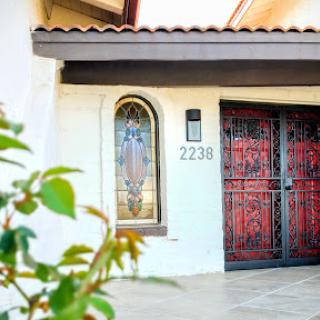
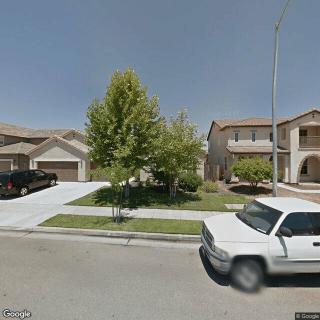
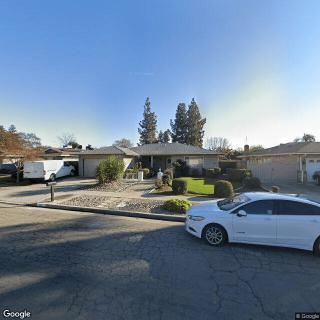
2238 Montana Avenue, Clovis, CA 93619
For more information about senior living options: (866) 208-4318
Overall Review of A Place Called Home Residential 7
Pros
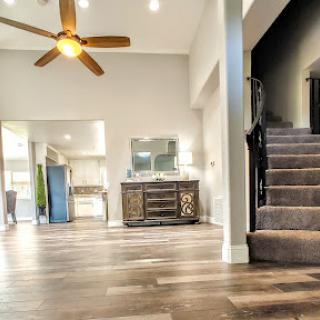
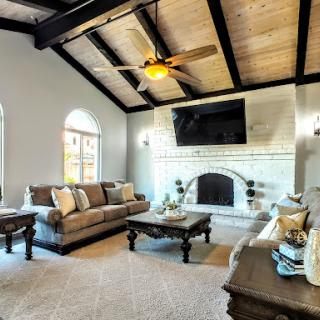
 The home is roomy, clean, and safe for residents.
- The caretakers are exceptional and communicate well with families.
- Families affirm it is the right place for their mom.
- A Place Called Home is an exceptional memory care home.
- The staff are on top of residents' health needs, and residents are happy and content there.
- Residents are very well cared for.
- The food is very good.
- There is a wonderful patio for visiting with family.
Review
This community is best suited for families seeking an intimate, memory-care–focused setting where a loved one can receive highly personalized attention in a small, controlled environment. A Place Called Home Residential 7 operates with six residents, delivering the hands-on supervision and consistent routines that reduce confusion for someone with memory challenges. The care philosophy shows in how the caretakers communicate with families and coordinate health needs, creating a sense of continuity that matters when trust is essential. For many families, the combination of a clean, safe home and a responsive, near-constant caregiver presence translates into peace of mind that larger facilities cannot match.
Those who require extensive medical infrastructure or a bigger community should consider alternatives. A larger RCFE or skilled-nursing option offers more on-site nurses, a broader range of services, and a richer activity calendar that may better suit residents with complex medical histories or those who crave more social engagement. If independence remains a goal, or if rehabilitation services and transportation logistics demand a broader support network, this six-resident home may feel too intimate. In short, when medical complexity exceeds what a residential setting typically provides, or when a more institutional feel is desired, exploring other options makes sense.
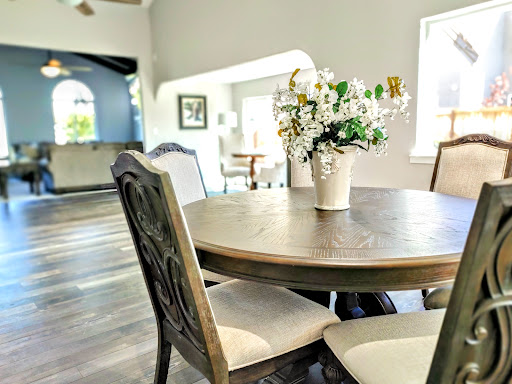
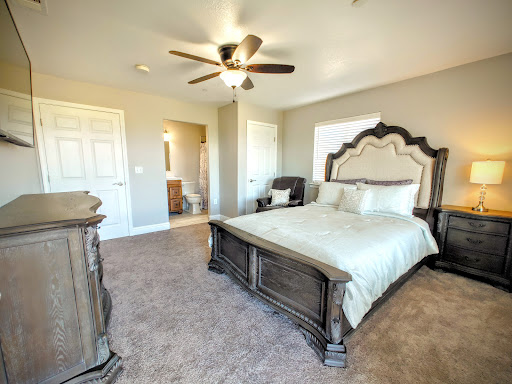
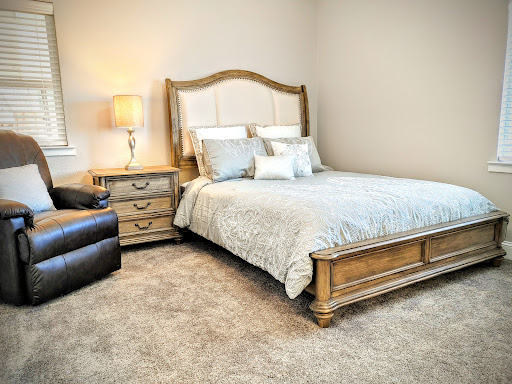
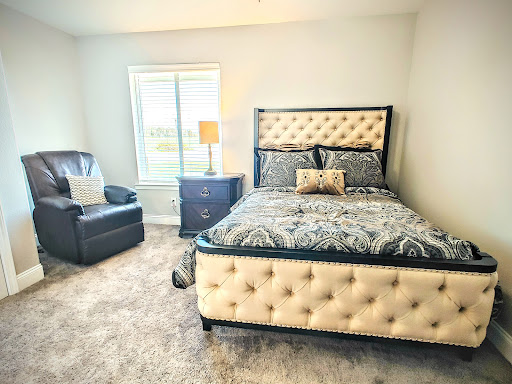
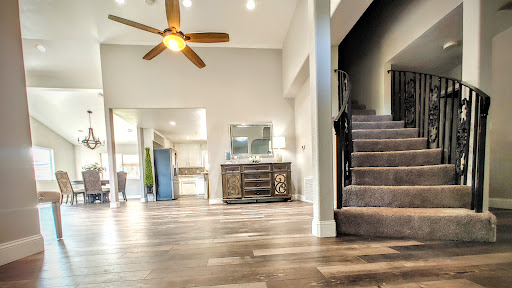
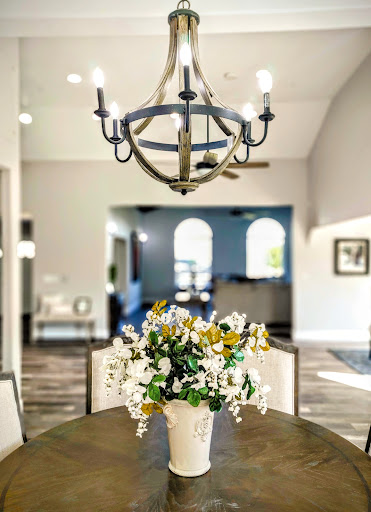
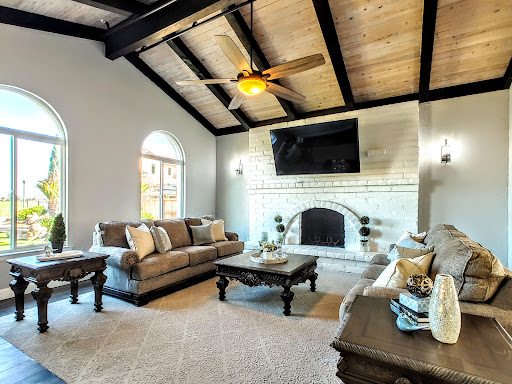
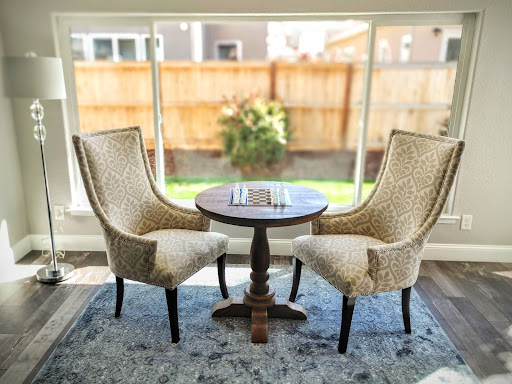
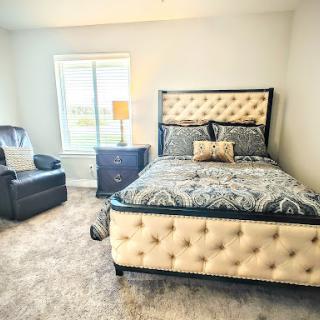
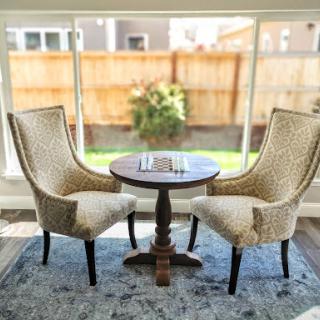
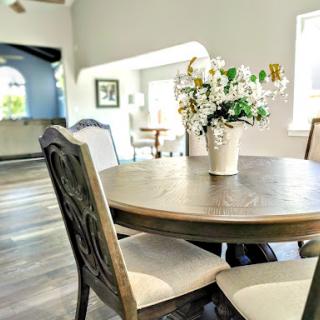
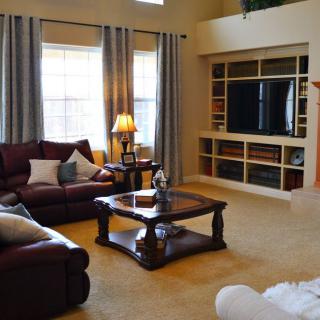
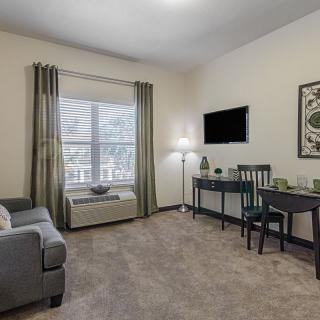
On the upside, the strongest advantages center on safety, cleanliness, and attentive caregiving. The home is described as roomy, well maintained, and remodeled to a near-luxurious feel, with private rooms equipped with televisions and a welcoming patio for family visits. Caregivers Nori and Marilyn stand out for their responsiveness and competence, consistently addressing health needs and keeping families informed. The owner, David, is portrayed as supportive, which translates into smoother operations and fewer bureaucratic hurdles for families. Food quality is praised, and the sense that residents are happy and content is repeatedly noted, a crucial indicator in memory care.
Despite these stellar notes, practical considerations deserve attention. The small scale, while inviting, limits the breadth of services and the immediacy of medical oversight that some families expect from larger operations. Residents share a single home environment, which places greater emphasis on caregiver availability and schedule management. For families seeking intensive therapy, rapid escalation of medical care, or a wide-ranging activity calendar, alternatives may deliver more comprehensively. Prospective residents should verify staffing levels, on-call capabilities, and the availability of rehabilitation services to ensure alignment with current and near-term needs.
Yet these limitations are largely offset by the core strengths. The highly personalized attention, seen in proactive health monitoring, transparent communication, and a clear focus on memory-care needs, creates a dependable safety net. The small, controlled setting fosters meaningful interactions, consistent routines, and an environment where staff know each resident’s history and preferences, reducing agitation and confusion. The combination of a clean, remodeled space, private rooms, quality meals, and an atmosphere of warmth makes the transition easier for families, a pattern echoed by relatives through examples of happiness and well-being.
For families evaluating options, the guidance is practical and decisive: prioritize intimacy and caregiver responsiveness for memory care, but confirm that the chosen setting can meet current and near-future medical needs. Ask pointed questions about staff-to-resident ratios, the availability of licensed nurses, how health issues are triaged, and what happens if a resident requires more intensive therapies. Schedule multiple visits, observe how staff interact with residents and families, and assess whether the environment aligns with the resident’s personality and routines. When these factors align, A Place Called Home Residential 7 offers a compelling, well-executed solution in the Clovis area for loved ones who thrive in a small, attentive setting.
 6 resident community capacity
 Assisted Living
 Cable or satellite TV
 Dining room
 Fully furnished
 Garden
 Housekeeping services
 Move-in coordination
 Outdoor space
 Telephone
 Wi-Fi/high-speed internet available
 Fresno Yosemite International (5 miles away)
 24-hour supervision
 Activities of daily living assistance
 Assistance with bathing
 Assistance with dressing
 Assistance with transfers
 Diabetes diet
 Meal preparation and service
 Medication management
 Special dietary restrictions
 Transportation arrangement (medical)
 Transportation to doctors appointments
 Assisted Living Support for Veterans: A Complete and Detailed Overview
 Exploring the Contrasts Between Assisted Living and Skilled Nursing
 8 Key Indicators That Suggest It May Be Time to Transition from Assisted Living to Skilled Nursing Care