
501 South College Avenue, Claremont, CA 91711
For more information about senior living options: (866) 208-4318
Overall Review of Oak Park Manor
Pros
 Laura is the best caregiver who took care of the grandmother very well.
- The caregivers are wonderful caretakers.
- The facility looks like a home, not a hospital.
- The facility is very warm and caring.
- The nurses and caregivers are wonderful, fun, and loving.
- The facility would be a perfect place for a loved one.
Cons
 The reviews describe the facility as a joke and say the workers lack patience and compassion.
- They claim administration has changed over the years and that patient neglect occurred, including an incident where a grandmother had body lice.
- They accuse Sabrina and Daniel of not caring whether CNAs do their jobs and of having a staff with very low IQ.
- They warn others not to bring their relatives, implying the place is unsafe.
- They allege they will file a law enforcement report and claim the reviews about the facility are fake.
Review
Oak Park Manor in Claremont is best suited for families that prize a warm, home-like atmosphere and care delivered by attentive frontline staff. When a resident’s day hinges on caregivers who know their preferences and can form ongoing relationships, this community can deliver meaningful quality-of-life benefits. The strongest value appears in direct caregiver interactions and in a setting that feels more like a residence than a hospital. However, the overall experience is clearly shaped by leadership stability and staff consistency, so families must weigh day-to-day reliability alongside warmth.
On the plus side, multiple accounts emphasize genuine kindness from nurses and aides, with a standout caregiver who consistently earns praise for taking excellent care of a loved one. The environment itself is repeatedly described as welcoming and nonclinical, which can ease anxiety for residents and families alike. When the caregiving team remains cohesive, residents experience daily attentiveness and a sense of being valued, and several testimonies recount emotionally meaningful moments when staff are present and supportive during important transitions.
Yet the cons cannot be dismissed. A recurring thread centers on administration and oversight, with one strong critique arguing that leadership changes have diminished care quality and that staff accountability has declined. The same voice alludes to gaps in communication and questions about the competence of those in charge. A separate, forceful critique alleges neglect and hygiene lapses, painting a picture of unsafe conditions under certain managers. Even among the positive reviews, there is an implicit warning: sustained reliability hinges on stable, effective leadership and a responsive administrative team.
Those pros and cons must be weighed against each other with clear expectations. When a facility can rely on steady, compassionate caregivers, preferably with a consistent primary caregiver assigned to each resident, the daily experience remains high and families can feel confident in the person-centered care. A warm atmosphere and a home-like design amplify this benefit, turning ordinary routines into meaningful moments. But the magnitude of administrative criticisms suggests that, without firm, proactive leadership and transparent processes, the risk of care gaps grows, potentially negating the positive caregiver dynamic.
Practical due diligence matters. Prospective families should request a real-time observation during a visit to see how staff interact with residents and whether caregivers appear consistently assigned. Ask for a plan to maintain caregiver continuity and a clear point of contact for concerns. Inquire about staffing levels, shift coverage, and how the facility handles turnover and supervision, along with incidents and follow-through. Inspect the living environment for cleanliness, safety, and a genuine home-like feel, and seek recent references from current families to gauge whether the day-to-day experience remains stable.
The bottom line is that Oak Park Manor can be an excellent match for families prioritizing heart and connection, especially where a core team of caring staff can be relied upon and leadership remains engaged. If administrative oversight, responsiveness to concerns, and consistent caregiver management are non-negotiable, however, serious alternatives deserve comparison. The decisive move is to schedule a tour with specific questions about caregiver assignment, leadership responsiveness, and a transparent care plan. Aligning daily lived experience with dependable governance will determine whether this community delivers the steady, compassionate support sought for a loved one.
 68 resident community capacity
 Assisted Living
 Memory Care
 Respite Care
 Air-conditioning
 Beauty salon
 Cable or satellite TV
 Computer center
 Dining room
 Fitness room
 Fully furnished
 Gaming room
 Garden
 Housekeeping services
 Kitchenette
 Move-in coordination
 Outdoor space
 Private bathrooms
 Restaurant-style dining
 Small library
 Telephone
 Wellness center
 Wi-Fi/high-speed internet available
 Ontario International (7 miles away)
 Community operated transportation
 12-16 hour nursing
 24-hour call system
 Activities of daily living assistance
 Assistance with bathing
 Assistance with dressing
 Assistance with transfers
 Diabetes diet
 Medication management
 Mental wellness program
 Special dietary restrictions
 Concierge services
 Planned day trips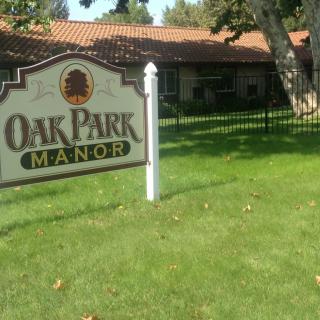






 Delving into the Inner World of Dementia: Insights into Thoughts and Awareness
 Five Subtle Dementia Indicators to Observe: An In-Depth Guide to Understanding “Does My Mom Have Dementia?”
 Dementia, Paranoia, and Caregiver Guidance: Understanding the Connection