
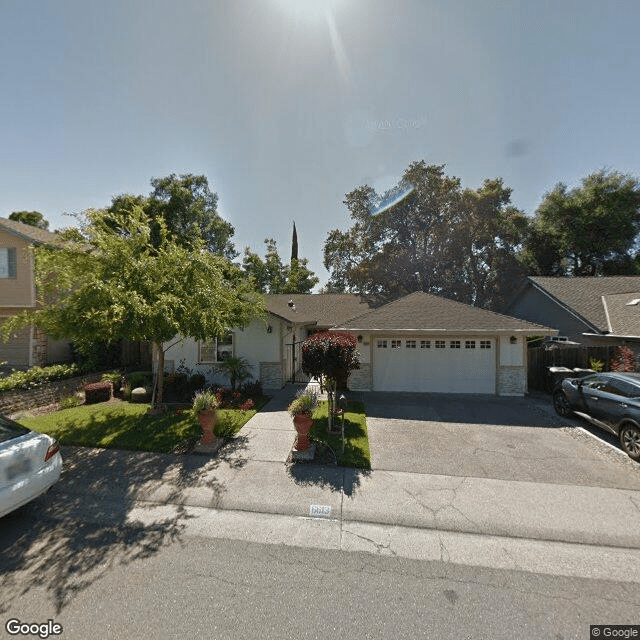
6613 Trilby Court, Citrus Heights, CA 95610
For more information about senior living options: (866) 208-4318
I Love You Dad Costs & Pricing
At I Love You Dad, the monthly costs for care reflect a commitment to quality service tailored to individual needs. For a semi-private room, residents can expect a fee of $3,500, which is slightly above the average rates observed in Sacramento County at $3,106 and California at $3,333. In contrast, the cost for a private room at I Love You Dad is set at $4,000, positioning it competitively against the county's average of $3,686 and California's statewide figure of $3,939. Overall, while I Love You Dad's pricing may be on the higher end compared to local and state averages, it emphasizes a focus on delivering exceptional care and a nurturing environment for its residents.
| Floor plans | I Love You Dad | Sacramento County | California |
|---|---|---|---|
| Semi-Private | $3,500 | $3,106 | $3,333 |
| Private | $4,000 | $3,686 | $3,939 |
Assisted Living communities with a similar price nearby
-
from -$500 / mo
Afable Care Home
$3,000 to $3,500 / month5.2 miles away -
from +$650 / mo
Ferrari
$4,150 to $5,500 / month11.9 miles away -
from -$500 / mo
Love & Care for Elder
$3,000 to $4,500 / month3.3 miles away -
from -$495 / mo

Hear Seniors
$3,005 to $3,870 / month5.6 miles away -
from +$500 / mo
A Bright Future
$4,000 / month5.2 miles away
Overall Review of I Love You Dad
Pros
 The care home has amazing staff, a wonderful atmosphere, and is very clean and beautiful.
- It is a clean, organized, and beautiful place with friendly caregivers.
- The location is beautiful, and the care provided is amazing.
- Everything looks clean and in place, including the bathrooms; the rooms are kept very clean.
- The staff address care requests promptly and are good at assisting residents.
- The facility has earned high recommendations for loved ones.
Review
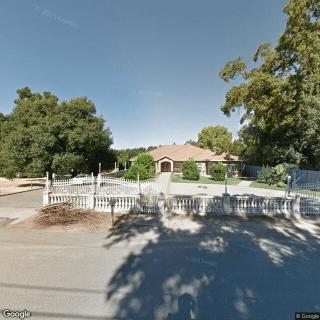
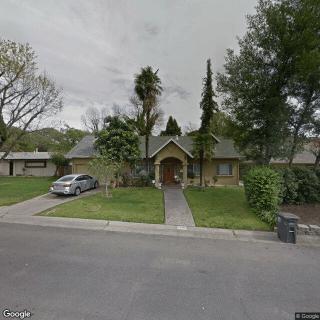
This Citrus Heights community is best suited for seniors who want a home-like atmosphere, highly attentive staff, and a clean, well-maintained living environment. Visits consistently reveal a welcoming, organized home where caregivers are visible, accessible, and focused on daily comfort. Families seeking transparency and a low-institutional feel will find reassurance in the steady upkeep, pleasant surroundings, and calm routine. The setting favors residents who value dignity, personal attention, and belonging over clinical rigidity. In practical terms, it serves well for those who want reliable daily support wrapped in a beautiful, peaceful backdrop, with staff who know residents by name and remember routine preferences.
This facility is ideal for families prioritizing warmth and reliability, but alternatives deserve consideration for residents with more intensive clinical needs. Review notes emphasize amazing staff and responsive caregivers, yet provide little detail on memory-care programming, wound care capabilities, or the depth of medical oversight. Questions about on-site physicians, frequency of medical reviews, or the availability of skilled nursing around the clock remain unanswered. Families should verify capacity to manage complex conditions, medication management, therapy services, and transportation to appointments. The absence of explicit clinical depth means those needing intensive medical routines should benchmark options with publishable care continua before making a move.
On balance, the strongest positives, staff warmth, cleanliness, and a home-like ambiance, offset the lack of explicit clinical depth. Repeated mentions of friendly caregivers, prompt response to requests, and tidy spaces reduce anxiety about day-to-day care gaps. A clean environment, down to well-kept bathrooms and resident rooms, supports dignity and lowers infection risk, a tangible confidence boost for families. The attractive location adds to well-being by offering pleasant views and convenient access to the surrounding community. For families prioritizing relational care and a serene living atmosphere, these factors create meaningful benefits for residents who mainly need help with activities of daily living.
Activity, routine, and family involvement emerge as important differentiators. The consensus is a well-organized, peaceful home where caregivers address requests and maintain predictable routines. That responsiveness is a practical asset for coordinating care plans and daily preferences. Yet the reviews offer scant detail on daily activities, social programming, or outings, which matters for residents who thrive on interaction. Prospective families should inquire about meal options, recreation, and transportation to appointments to ensure day-to-day life aligns with expectations. A facility that pairs a welcoming atmosphere with reliable routines delivers quality-of-life advantages, especially when family members value consistent communication and predictable caregiving patterns.
From a decision framework, warmth, order, and responsive caregiving carry real weight, but the main risk is whether clinical support meets the residentā€™s needs. If medical or memory-care requirements exceed what is offered, benefits can be outweighed by gaps. Red flags to explore include the scope of on-site medical services, nurse coverage per shift, and how care plans update after condition changes. Transportation, meals, and flexibility with routines should be clarified to prevent friction after move-in. Verifying staffing ratios is prudent, since steady coverage underpins safety and attentive care even in a home-like setting.
In the end, this Citrus Heights facility stands as a solid option for families seeking a warm, clean, and well-staffed home where daily needs are met with attentiveness and belonging. It shines in dignity, comfortable spaces, and a caregiving team that appears engaged and dependable. Those requiring substantial clinical depth, memory-specific programming, or aggressive medical management should compare options with explicit program descriptions to avoid gaps after transition. For seniors who mainly need help with daily activities and who value a peaceful, aesthetically pleasing environment, the community presents a practical, reassuring choice. Prospective families should visit, observe interactions, and press for details on care levels and daily activities to confirm fit before committing.
 6 resident community capacity
 Assisted Living
 Board and Care Home
 Cable or satellite TV
 Dining room
 Fully furnished
 Garden
 Housekeeping services
 Move-in coordination
 Outdoor space
 Private
 Telephone
 Wi-Fi/high-speed internet available
 Sacramento International (16 miles away)
 24-hour supervision
 Activities of daily living assistance
 Assistance with bathing
 Assistance with dressing
 Assistance with transfers
 Diabetes diet
 High acuity care
 Meal preparation and service
 Medication management
 Special dietary restrictions
 Transportation arrangement (medical)
 Transportation to doctors appointments
 Christian services
 Beyond the Bingo Hall: 50+ Enriching Activities for Seniors in Assisted Living
 Understanding the Distinctions: Assisted Living and Memory Care Explained
 Guiding Elderly Parents Who Refuse Assisted Living: 6 Practical Steps