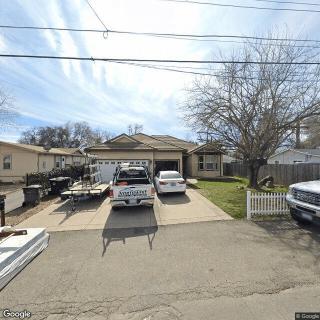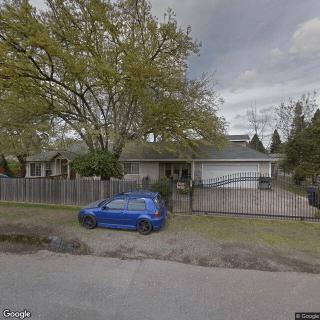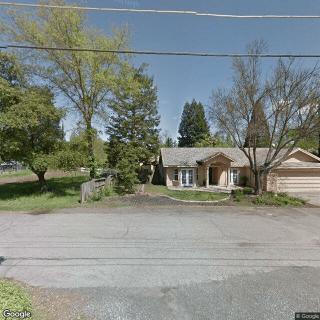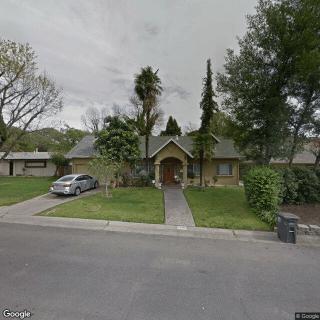
Granny's Cottage in Citrus Heights, CA

Save
Granny's Cottage

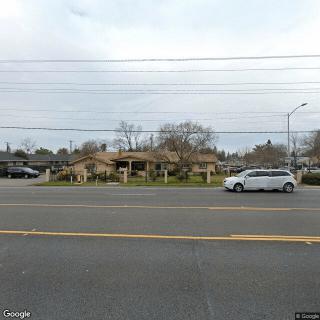
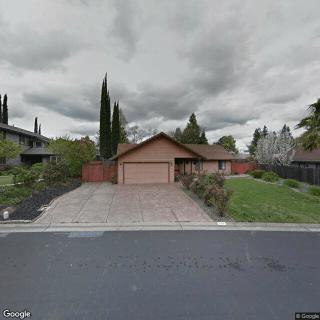
Granny's Cottage in Citrus Heights, CA

7717 Deanton Court, Citrus Heights, CA 95610

For more information about senior living options: (844) 490-3973

4.3 from 9 reviews
5 stars
5
4 stars
2
3 stars
2
2 stars
0
1 stars
0

Assisted Living Board and Care Home Memory Care

Granny's Cottage Costs & Pricing

Granny's Cottage offers competitive pricing for its accommodations, with monthly costs set at $3,000 for private, semi-private, and studio rooms. When compared to Sacramento County and the broader California market, Granny's Cottage demonstrates a significant value proposition. In Sacramento County, similar private room options average around $3,686, while statewide averages reach as high as $3,939. This trend is consistent across other room types; for instance, semi-private rooms in the county run about $3,106 and studios typically cost around $4,145 statewide. Thus, opting for Granny's Cottage not only provides residents with comforting amenities but also presents substantial savings compared to neighboring alternatives.

Floor plansGranny's CottageSacramento CountyCalifornia
Private$3,000$3,686$3,939
Semi-Private$3,000$3,106$3,333
Studio$3,000$3,865$4,145

What level of care are you interested in?

Assisted Living

Memory Care

Independent Living

Skilled Nursing Facility

Continuing Care Retirement Community (CCRC)CCRC

Other


Request a tour at Granny's Cottage

    Overall Review of Granny's Cottage

    Pros

    • pro The place is always clean and tidy.
    • pro The staff are friendly and ask about changes to residents' schedules or any specific care needs.
    • pro Granny's Cottage is run by very caring people.
    • pro The service for families is terrific.
    • pro The facility is affordable and provides good value.
    • pro The place, staff, and care provided to residents are clearly noticeable.
    • pro The facility gets better all the time.
    • pro The staff are good and very helpful.
    • pro The atmosphere is good.
    • pro The rooms offer amenities such as TV, internet, and ADA-compliant walk-in bathrooms.

    Cons

    • pro They could improve on preparing healthy meals and activities.
    • pro They would not recommend the community unless improvements to meals and activities are made.
    • pro There are only two caregivers for about six patients.
    • pro Most residents have dementia or Alzheimer's, leaving little for the reviewer to do.
    • pro There are no activities really.
    • pro The price was cited as the least favorable aspect.
    • pro The reviewer would prefer more activities but cannot participate due to physical problems.

    Review

    Granny's Cottage in Citrus Heights is best suited for families seeking a small, home?like setting where care feels personal, predictable, and affordable. This community works well for seniors who need help with daily tasks and supervision, including those with memory challenges, but who do not require the extensive programming or medical complexity of a larger campus. The operation runs with a family?led touch that translates into steady, attentive oversight and clear, frequent communication with families. It's a model that values reliability and a calm, intimate atmosphere over expansive amenities, making it a strong fit for households prioritizing consistent caregivers and straightforward routines.

    Those considering alternatives are wise to note that Granny's Cottage may not satisfy every priority. Families seeking a robust meal program and a wide array of daily activities will likely want a larger assisted living community or a dedicated memory?care setting. Similarly, if extensive medical oversight, frequent on?site therapy, or structured programming designed to stimulate social interaction are non?negotiable, it's prudent to explore options with bigger staffs and more formal memory?care services. The intimate, two?caregiver model, while commendable, inherently caps the breadth of activities and the level of programming available.

    On the positive side, the strongest assets are cleanliness, a welcoming atmosphere, and proactive family communication. The staff's friendliness and willingness to adjust schedules or care tasks are consistently highlighted, along with regular outreach to answer questions. The price point is noted as reasonable for the market, delivering noticeable value given the level of care, the staff's dedication, and the overall tidy environment. The setting itself supports comfort - rooms that can be personalized, private or semi?private options, and ADA?compliant features - while maintaining a quiet, residential feel that reduces the institutional tone some residents fear.

    The main drawbacks center on limited activities and meal quality. Several reviews point to a lack of diversified programming and relatively sparse dining options, with some residents relying on simple meals or supplements. The operation's small scale - two caregivers for about six residents, with occasional help from a family member - can constrain both social opportunities and responsiveness to higher acuity needs. Price concerns are echoed by a few, suggesting that while the service is affordable, expectations for more comprehensive nutrition or more engaging daily routines might not be met in a tight, home?style format.

    Still, the pros largely offset the cons when viewed through a practical, family?centric lens. The intimate team fosters trust and continuity, permitting highly personalized attention and easier, more transparent communication. Cleanliness and safety remain non?negotiables, reinforced by a calm atmosphere that supports residents who thrive on routine. The small footprint allows caregivers to notice changes quickly and coordinate with therapists, while the accessible features - such as a room with a walk?in bathroom and ADA compliance - help maintain a resident's independence and dignity. Families may also leverage their own involvement to supplement activities and social engagement, turning the home into a partner in care rather than a passive facility.

    Ultimately, Granny's Cottage is a decisive choice for families prioritizing warmth, reliability, and cost?effective care in a compact, home?like setting. It is not the option for those who require extensive activity programming, gourmet or varied meals, or formalized memory?care pathways. For households willing to lean into a smaller, caregiver?led model and to participate in shaping daily life, the positives - cleanliness, open family communication, personal attention, and practical accessibility - make this community a compelling fit. Prospective residents and families should visit, observe staff interactions, review meal timing and options, and confirm how therapy and activities are integrated locally to ensure alignment with care goals.

    Features

    Housing

    • 6 resident community capacity 6 resident community capacity

    Types of Care

    • Assisted Living Assisted LivingAssisted living facilities provide crucial support and care for seniors who may need help with daily tasks such as medication management, bathing, and meal preparation. These communities offer a safe and comfortable environment where seniors can maintain their independence while receiving the assistance they need to thrive in their golden years.
    • Board and Care Home Board and Care HomeBoard and care homes provide a smaller, more intimate setting for seniors who require assistance with daily tasks but do not need the level of care offered by a nursing home. They offer personalized care, meals, and social activities in a homelike environment, ensuring that seniors receive individualized attention and support in their golden years.
    • Memory Care Memory CareMemory care is crucial for seniors as it provides specialized support and services for individuals with dementia or Alzheimer's disease. These programs offer a safe and secure environment where residents receive personalized care, cognitive stimulation, and help with daily activities. Memory care helps seniors maintain their independence, quality of life, and dignity while also providing peace of mind for their families.

    Pets

    • Cats allowed Cats allowed"Pet friendly" senior living communities are important for seniors because pets provide companionship, reduce feelings of loneliness and depression, promote physical activity and mental stimulation, and offer a sense of purpose and responsibility. Pets can improve overall well-being and quality of life for seniors in many ways.
    • Dogs allowed Dogs allowed"Pet friendly" senior living communities are important for seniors because pets provide companionship, reduce feelings of loneliness and depression, promote physical activity and mental stimulation, and offer a sense of purpose and responsibility. Pets can improve overall well-being and quality of life for seniors in many ways.

    Amenities

    • Air-conditioning Air-conditioningAir conditioning is important for seniors as they are more vulnerable to heat-related illnesses and may have underlying health conditions that make it difficult for them to regulate their body temperature. It helps to keep them comfortable, safe, and healthy in hot weather.
    • Bath tubs Bath tubsBath tubs are important for seniors because they provide a safe and relaxing way to bathe, helping to prevent slips and falls while promoting independence and overall well-being.
    • Cable or satellite TV Cable or satellite TVCable or satellite TV is important for seniors because it provides entertainment, news, and companionship, helping to combat loneliness and boredom. It also offers a wide range of programming options tailored to different interests and preferences.
    • Dining room Dining roomDining rooms are important for seniors as they provide a space for socialization, connection, and nutritious meals. They offer opportunities for residents to bond over shared meals, foster a sense of community, and promote healthy eating habits. Dining rooms also ensure that seniors have access to well-balanced meals tailored to their dietary needs and preferences.
    • Fully furnished Fully furnishedFully furnished senior living communities are important for seniors because they provide convenience, comfort, and a hassle-free moving experience. Seniors can easily settle into their new living space without the stress of having to buy and move furniture. This allows them to focus on enjoying their new home and community.
    • Garden GardenGardens are important for seniors as they provide a peaceful and therapeutic environment for relaxation, physical activity, and socialization. Being in nature has been shown to reduce stress, improve mood, and promote overall well-being. Gardens also offer opportunities for seniors to engage in gardening activities, which can improve mobility, flexibility, and cognitive function. Additionally, gardens create a sense of community and connection with others who share a passion for plants and outdoor spaces.
    • Housekeeping services Housekeeping servicesHousekeeping services are important for seniors because they help maintain a clean and safe living environment, promote independence, and reduce the risk of accidents or illnesses. Additionally, having assistance with household chores can alleviate physical strain and allow seniors to focus on other aspects of their well-being.
    • Move-in coordination Move-in coordinationMove-in coordination is important for seniors because it helps ease the transition into their new living environment. It ensures that all logistics, such as packing, organizing movers, and setting up utilities are taken care of, allowing seniors to focus on settling in and adjusting to their new home. Having a smooth move-in process can alleviate stress and anxiety, making the transition smoother and more enjoyable for seniors.
    • Outdoor space Outdoor spaceOutdoor spaces are important for seniors as they provide opportunities for physical activity, social interaction, exposure to natural light and fresh air, and a sense of connection to nature. Having access to outdoor spaces can improve overall well-being and quality of life for older adults living in senior communities.
    • Private PrivatePrivacy is important for seniors as it allows them to maintain their independence, dignity, and sense of control over their own lives. It also gives them the space and freedom to relax, reflect, and engage in activities that bring them joy and fulfillment. Creating private spaces within senior living facilities is crucial for promoting overall well-being and quality of life.
    • Private bathrooms Private bathroomsPrivate bathrooms are important for seniors in senior living communities because they provide independence, dignity, and comfort. Having a private bathroom allows seniors to maintain their personal hygiene routines without the need for assistance, promoting a sense of autonomy and privacy. Additionally, private bathrooms help prevent the spread of infections and provide a safe and clean environment for seniors to navigate safely.
    • Telephone TelephoneTelephones are important for seniors as they provide a lifeline for communication with loved ones, emergency services, and healthcare providers. They offer a sense of security and independence, enabling seniors to stay connected and access assistance when needed.
    • Wheelchair accessible showers Wheelchair accessible showersWheelchair accessible showers are crucial for seniors as they provide a safe and independent bathing option for those with mobility challenges. These showers help prevent falls and allow seniors to maintain their dignity and autonomy while ensuring they can bathe comfortably.
    • Wi-Fi/high-speed internet available Wi-Fi/high-speed internet availableWi-Fi/high-speed internet is important for seniors to stay connected with loved ones, access online resources, and participate in virtual activities to combat feelings of loneliness and isolation. It also allows them to easily manage healthcare needs, access entertainment, and engage in lifelong learning opportunities.

    Transportation

    • Sacramento International (17 miles away) Sacramento International (17 miles away)

    Care Services

    • 24-hour supervision 24-hour supervision24-hour supervision is important for seniors to ensure their safety, well-being, and access to immediate assistance in case of emergencies or health issues. This constant support provides peace of mind for both seniors and their loved ones, allowing them to age in place with dignity and security.
    • Activities of daily living assistance Activities of daily living assistanceActivities of daily living assistance are important for seniors because they provide essential support with tasks such as eating, bathing, dressing, and mobility. This assistance helps seniors maintain their independence, dignity, and overall quality of life as they age.
    • Assistance with bathing Assistance with bathingAssistance with bathing is crucial for seniors as it helps maintain personal hygiene, prevents infections, and ensures their overall well-being and comfort. It also provides a sense of dignity and independence for seniors who may struggle with this task on their own.
    • Assistance with dressing Assistance with dressingAssistance with dressing is important for seniors because it helps maintain their independence, promotes personal hygiene, prevents accidents and injuries, and improves overall quality of life. This service ensures that seniors can continue to dress comfortably and confidently, despite any physical limitations they may have.
    • Assistance with transfers Assistance with transfersAssistance with transfers is crucial for seniors as it helps prevent falls and injuries, maintains their independence, and ensures they can safely navigate their living environment. It also provides peace of mind for both seniors and their loved ones.
    • Coordination with health care providers Coordination with health care providersCoordination with health care providers is crucial for seniors to ensure proper medical care, medication management, and overall well-being. This collaboration helps prevent overlapping treatments, track progress more effectively, and provide comprehensive support tailored to individual needs.
    • Diabetes diet Diabetes dietA diabetes diet is crucial for seniors as it helps manage blood sugar levels, reduce risks of complications, and improve overall health and well-being. By following a balanced and nutritious diet tailored to their specific needs, seniors can better control their diabetes and enhance their quality of life.
    • Diabetic care Diabetic careDiabetic care is crucial for seniors as they are more susceptible to developing diabetes due to aging and other health conditions. Proper management of diabetes can help prevent complications such as heart disease, vision loss, and nerve damage, improving the overall quality of life for seniors in senior living communities.
    • High acuity care High acuity careHigh acuity care is important for seniors because it provides specialized medical attention and support for individuals with complex medical needs. This level of care ensures that seniors receive the appropriate treatment and assistance to maintain their health and quality of life as they age.
    • Incontinence care Incontinence careIncontinence care is essential for seniors to maintain their dignity, hygiene, and overall quality of life. By addressing incontinence issues promptly and effectively, seniors can enjoy a sense of independence and comfort in their daily activities.
    • Meal preparation and service Meal preparation and serviceMeal preparation and service are crucial for seniors as they may have limited mobility or energy to cook nutritious meals. Having access to healthy and convenient food options can ensure they are getting the proper nutrition needed to maintain their overall health and well-being.
    • Medication management Medication managementMedication management is crucial for seniors to ensure they are taking the right medications at the correct dosages and times. This helps prevent adverse drug interactions, reduces the risk of medication errors, and promotes overall health and well-being. Proactive management also allows for adjustments as needed based on changing health conditions or new prescriptions.
    • Special dietary restrictions Special dietary restrictionsSpecial dietary restrictions are important for seniors because age-related changes in metabolism and health conditions can make it difficult for their bodies to process certain foods. By following a diet tailored to their specific needs, seniors can maintain their overall health and well-being, manage chronic conditions, and reduce the risk of complications such as malnutrition or food interactions with medications.
    • Transportation arrangement (medical) Transportation arrangement (medical)Transportation arrangements for medical purposes are essential for seniors as they may have difficulty driving themselves to appointments or accessing public transportation. Having reliable and safe transportation options ensures that seniors can receive timely medical care and maintain their health and well-being.
    • Transportation to doctors appointments Transportation to doctors appointmentsTransportation to doctors' appointments is crucial for seniors as it ensures they have access to necessary medical care and support for their health needs. Without reliable transportation, seniors may struggle to attend important appointments, leading to potential delays in treatment and health complications. Providing transportation services helps seniors maintain their overall well-being and quality of life.
    Dining

    • Anytime dining Anytime diningAnytime dining is important for seniors because it allows them the flexibility to eat when they are hungry, rather than being restricted to set meal times. This can be especially beneficial for those with medical conditions or medications that affect their appetite, as well as those who may have difficulty adhering to a strict dining schedule. Overall, anytime dining promotes independence and overall well-being for seniors in senior living communities.
    • Diabetes diet Diabetes dietA diabetes diet is crucial for seniors as it helps manage blood sugar levels, reduce risks of complications, and improve overall health and well-being. By following a balanced and nutritious diet tailored to their specific needs, seniors can better control their diabetes and enhance their quality of life.
    • International cuisine International cuisineInternational cuisine is important for seniors because it offers a variety of flavors, ingredients, and cultural experiences that can help keep their meals interesting and enjoyable. Trying new dishes can also stimulate the senses and provide different nutrients that contribute to overall health and well-being. Additionally, exploring international cuisine can bring back fond memories of travels or childhood experiences, making mealtime more nostalgic and fulfilling for seniors.
    • Low / no sodium Low / no sodiumLow/no sodium options are important for seniors because excessive sodium intake can lead to high blood pressure, heart disease, and other health issues commonly experienced by older adults. By choosing low/no sodium foods, seniors can better manage their health and reduce their risk of developing these conditions.
    • Meals provided Meals provided"Meals provided" are crucial for seniors in assisted living communities as it ensures they have access to nutritious, balanced meals without the stress of meal planning and preparation. This can help promote overall health and well-being for seniors who may have limited mobility or cognitive abilities.
    • No Sugar No SugarNo sugar diets are important for seniors because they can help prevent or manage chronic conditions such as diabetes, heart disease, and obesity. Sugar can also contribute to cognitive decline and inflammation in the body, so reducing sugar intake can lead to overall improved health and well-being in older adults.
    • Organic OrganicOrganic foods are important for seniors because they contain fewer chemicals and pesticides, which can be harmful to aging bodies. Additionally, organic foods often have higher nutrient levels, making them a healthier choice for maintaining overall well-being in older adults.
    • Special dietary restrictions Special dietary restrictionsSpecial dietary restrictions are important for seniors because age-related changes in metabolism and health conditions can make it difficult for their bodies to process certain foods. By following a diet tailored to their specific needs, seniors can maintain their overall health and well-being, manage chronic conditions, and reduce the risk of complications such as malnutrition or food interactions with medications.
    • Vegan VeganVegan diets can provide numerous health benefits for seniors, including lower risk of chronic diseases, improved digestion, and increased energy levels. Additionally, plant-based diets are often rich in essential nutrients that can support overall well-being and longevity in older adults.
    • Vegetarian VegetarianA vegetarian diet is important for seniors because it can help lower the risk of chronic diseases, maintain a healthy weight, and provide essential nutrients needed for aging bodies. Additionally, plant-based diets are often easier on digestive systems and can contribute to overall well-being in older adults.

    Activities

    • Community-sponsored activities Community-sponsored activitiesCommunity-sponsored activities are important for seniors as they provide opportunities for social interaction, mental stimulation, and physical activity. These activities can help improve overall well-being, combat loneliness and isolation, and promote a sense of belonging and purpose among older adults.
    • Scheduled daily activities Scheduled daily activitiesScheduled daily activities are important for seniors because they provide structure, socialization, mental stimulation, and physical activity. Engaging in regular activities can improve overall well-being and quality of life for seniors living in a community setting.

    Description

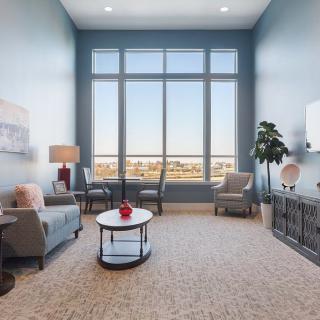
    Granny's Cottage in Citrus Heights, CA, is a warm and inviting assisted living community that specializes in both Board and Care and Memory Care services. Designed with the comfort and well-being of residents in mind, Granny's Cottage offers a range of amenities to create a home-like atmosphere. Residents can enjoy private accommodations featuring fully furnished rooms with private bathrooms, while also taking advantage of communal spaces such as a cozy dining room and beautiful garden areas.

    The community is equipped with essential modern conveniences including Wi-Fi/high-speed internet, cable or satellite TV, telephone access, and wheelchair accessible showers to cater to diverse needs. Regular housekeeping services ensure that residents can focus on enjoying their time without the worries of daily chores.

    At Granny's Cottage, exceptional care is at the forefront. The dedicated staff provides personalized assistance with activities of daily living, such as bathing, dressing, transfers, and offers specialized services like diabetic care and medication management. This attention to health extends into meal preparation; residents can relish a variety of dining options that accommodate various dietary preferences including vegan, vegetarian, organic choices, as well as low/no sodium diets for those requiring special dietary restrictions.

    Engagement is key at Granny’s Cottage. Scheduled daily activities keep residents active and involved while promoting social interaction. With an array of nearby amenities, including parks for leisurely strolls, cafes for casual gatherings, restaurants for delightful outings, and healthcare providers within easy reach, the community fosters an enriching lifestyle that nurtures both physical health and emotional well-being.

    Whether it's participating in onsite activities or exploring the vibrant neighborhood full of pharmacies, physicians, places of worship, theaters, and hospitals, all just minutes away, residents at Granny’s Cottage truly benefit from a supportive environment tailored to their needs. With compassionate care combined with enriching experiences, Granny’s Cottage stands out as a cherished place for seniors seeking quality living in Citrus Heights.

    Nearby Places of Interest

    Located in Citrus Heights, California, this area offers a convenient and bustling community with a variety of amenities nearby. There are several cafes such as Starbucks and Dutch Bros Coffee within a short distance, making it easy to enjoy a leisurely cup of coffee with friends or family. The area also boasts several pharmacies like Safeway Food & Drug and Rite Aid for any medical needs. For dining options, there are popular restaurants like Raising Cane's Chicken Fingers and Umi Sushi within a few miles. In terms of healthcare, there are reputable physicians and hospitals like UC Davis Medical Group and Kaiser Permanente Hospital nearby. Additionally, the area provides access to transportation options like Roseville Amtrak for easy travel. With parks, places of worship, theaters, and more all within close proximity, this part of Citrus Heights offers a vibrant and well-equipped community for senior living.

    Cafes

    • Starbucks (1 miles)
    • Starbucks (1.7 miles)
    • Starbucks (2.1 miles)
    • Dutch Bros Coffee (3 miles)
    • Starbucks (3.2 miles)
    • Dutch Bros Coffee (3.4 miles)

    Pharmacies

    • Safeway Food & Drug (1.8 miles)
    • Rite Aid (1.8 miles)
    • Rite Aid (1.9 miles)
    • Walgreens (2.1 miles)
    • CVS Pharmacy (2.2 miles)
    • Walgreens (2.4 miles)
    • Walmart Pharmacy (2.6 miles)

    Restaurants

    • Raising Cane's Chicken Fingers (2 miles)
    • Wendy's (2.1 miles)
    • Nixtaco (2.2 miles)
    • Umi Sushi (2.6 miles)
    • El Tapatio (2.7 miles)
    • Roundhouse Deli (2.9 miles)
    • McDonald's (3 miles)

    Parks

    • Maidu Regional Park (2.6 miles)
    • Harry Crabb Park (3.2 miles)
    • Hillsborough Park (3.6 miles)
    • Diamond Oaks Park (4.1 miles)
    • H. C. Elliott Park (4.6 miles)
    • Sacramento Bar (5 miles)
    • Sunrise Area American River Parkway (5.2 miles)

    Physicians

    • UC Davis Medical Group (2.9 miles)
    • Mary Jammal MD (3 miles)
    • Mercy San Juan Hospital (3 miles)
    • Naveen Mishra (3.5 miles)
    • Sutter Medical Group (3.6 miles)
    • Kaiser Permanente Department of Psychiatry (3.7 miles)
    • Caparas Maria J MD - Kaiser Permanente Medical Group-Maria Caparas (3.7 miles)

    Transportation

    • Roseville Amtrak (3 miles)

    Hospitals

    • San Juan Surgery Center (3 miles)
    • Kaiser Permanente Hospital (3.2 miles)
    • Yuan Franklin E MD - Kaiser Permanente Medical Group (3.3 miles)
    • Kaiser Permanente Labor and Delivery (3.4 miles)
    • Sutter Roseville Outpatient I.V. Therapy (4.5 miles)
    • Sutter Roseville Medical Center (4.5 miles)

    Places of Worship

    • SDA Ukrainian Church (3.1 miles)
    • Crossroads Christian Fellowship Wesleyan Church (3.2 miles)
    • St Mel's Catholic Church (3.8 miles)

    Theaters

    • Century Theatre (3.3 miles)
    • Regal Ua Olympus Pointe (3.8 miles)

    Frequently Asked Questions

    How much does it cost to live at Granny's Cottage in Citrus Heights, CA?
    Where is Granny's Cottage?
    Does Granny's Cottage provide care for residents with dementia or Alzheimer's disease?
    Does Granny's Cottage allow residents to have pets?

    Nearby Communities

    • Carehaven Valencia

      Carehaven Valencia

      Citrus Heights, CA


      pro Intimate, small-capacity community with comprehensive care services and ample on-site amenities.

    • RN Care House 2

      RN Care House 2

      Citrus Heights, CA

      5 from 5 reviews
      $3,150 to $4,500 / month

      pro Knowledgeable RN (Edward) and caring staff in a warm, home-like environment with social activities.

    • Sidney Home Care

      Sidney Home Care

      Citrus Heights, CA


      pro Intimate, small-capacity setting with personalized care and included services.

    • Aurelia's Home Care

      Aurelia's Home Care

      Citrus Heights, CA

       
      $2,000 to $3,075 / month

      pro Lower rates than local averages for semi-private and private rooms.

    • A Garden Of Paradise Care Home

      A Garden Of Paradise Care Home

      Citrus Heights, CA

      4.6 from 18 reviews
      $6,000 / month

      pro Caring owners; clean, home-like setting with pleasant dining and garden.

    • Comfort Keepers

      Comfort Keepers

      Citrus Heights, CA


      pro Excellent access to nearby healthcare, dining, parks, and social venues.

    • Citrus Crest Care Home

      Citrus Crest Care Home

      Citrus Heights, CA

       
      $2,500 to $4,200 / month

      pro Small, intimate setting with personalized care and affordable rates.

    • Pine Creek Care Center

      Pine Creek Care Center

      Roseville, CA

      4.1 from 107 reviews
       

      pro Caring staff and effective rehab services.

    • The Terraces of Roseville

      The Terraces of Roseville

      Roseville, CA

      4.4 from 143 reviews
      $3,195 to $4,695 / month

      pro Friendly staff, strong community, and good value pricing for the area.

    Related Resources

    • list of drugs linked to dementiaA Thorough Discussion of Medications Potentially Linked to Dementia Risk

      Dementia, influenced by aging and certain medications, may be exacerbated by drug classes such as anticholinergics, benzodiazepines, and antipsychotics, which are associated with cognitive impairment. Regular medication reviews by healthcare professionals are crucial for older adults to manage risks and optimize cognitive health.

    • do dementia patients sleep a lotWhy Do Dementia Patients Sleep So Much? Understanding Oversleeping, Stages, and Care Approaches

      Dementia often results in disrupted sleep patterns, leading to excessive daytime sleeping due to factors like brain damage affecting circadian rhythms, medication side effects, and lack of structure in daily activities. Caregivers must monitor these changes closely, as oversleeping can increase risks such as malnutrition or dehydration, and provide necessary support and routines to enhance patient engagement and well-being.

    • when to move from assisted living to nursing home8 Key Indicators That Suggest It May Be Time to Transition from Assisted Living to Skilled Nursing Care

      The transition from assisted living to skilled nursing care is often prompted by complex medical needs that assisted living cannot meet, with key indicators including frequent health declines, increased falls, severe memory issues, and caregiver burnout. Families should recognize these signs early to discuss options with healthcare providers and prepare for the emotional and logistical aspects of moving to a facility that offers comprehensive medical support.


    Get Pricing Ask A Question Schedule A Tour Contact Senior Advisor