
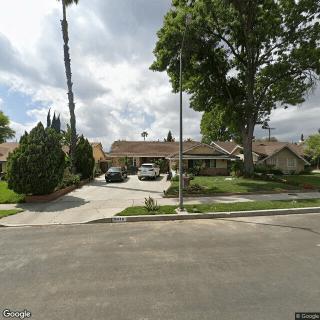
21220 Devonshire St #206, Chatsworth, CA 91311
To contact a resident: (855) 404-5250
For more information about senior living options: (866) 208-4318
Overall Review of All Valley Home Care
Cons
 They should never give their credit card information to these people.
- They cannot be trusted.
- They terminated their service with the provider due to the provider's unprofessional service.
- Fraudulent charges appeared on the credit card after they obtained the card information.
Review
All Valley Home Care in Chatsworth, CA, is best suited for households that are willing to accept substantial trust and financial risk in exchange for a minimal in-home care footprint. The sole user experience available paints a picture of an operation that, in practice, delivers a care footprint with serious red flags. The takeaway is clear: this option only makes sense for families with no workable alternatives or for those prepared to exercise relentless oversight and rapid escalation at the first sign of trouble. In other words, this is a last-resort choice rather than a reliable, default option.
Those weighing alternatives should focus on providers with transparent, verifiable billing practices and proven professionalism. The review signals significant gaps in trust and conduct, including unprofessional service and abrupt termination, that would undermine any attempt at consistent care coordination. For families evaluating in-home care, prioritizing agencies with clear licensing, background-checked staff, strict data-security measures, and visible accountability reduces exposure to billing disputes and personal data exposure. If medical oversight or structured supervision is the aim, licensed home health agencies or established assisted living communities typically offer stronger governance and predictable billing.
The most salient cons are explicit and high-stakes: unprofessional service, immediate termination of care, and a fraudulent-charge incident tied to card data. Those elements translate into tangible financial and reputational risk, demanding rapid protective actions such as credit monitoring, card freezes, and persistent disputes. Trust collapses when payment information is mishandled, complicating ongoing care coordination and undermining confidence in any caregiver arrangement. In-home care cannot be credibly described as reliable when basic administrative tasks become sources of risk; the convenience of staying at home does not compensate for the possibility of financial exploitation or erratic service.
With no evident care-quality benefits articulated in the account, the decision leans entirely on risk management rather than outcomes. The prospective upside, home-based assistance tailored to daily routines, appears eclipsed by the risk of unauthorized charges and inconsistent communication. Families should not assume a one-off lapse is minor; a pattern of mismanagement threatens medication tracking, scheduling, and the overall continuity of care. The fraud incident underscores the necessity for strict controls: separate billing streams, limited use of payment methods to authorized transactions, and prompt, well-documented cancellations. Absent these safeguards, the perceived convenience loses any protective sheen.
Practical due-diligence steps for families include demanding written policies on data security, billing, and caregiver assignment; collecting robust references; independently verifying licensing; and implementing vigilant card-monitoring setups. Require a transparent contract with clear termination terms and contingencies. If services are initiated, insist on routine, documented communication and pre-approval of all charges. Should red flags emerge, escalate immediately to state licensing authorities and consumer-protection resources. In this case, the combination of unprofessional behavior and reported fraud points decisively toward seeking governance and controls elsewhere.
Bottom line: this community is not recommended for families seeking dependable, trustworthy in-home care. The prudent path is to explore alternatives that demonstrate transparent billing, reliable staffing, and defensible data-security practices. Those with limited options may consider this provider only if there is already an unmistakable framework for aggressive oversight and rapid dispute resolution. Otherwise, the risk far outweighs any potential benefit. When evaluating options, prioritize agencies that safeguard personal information, show consistent caregiver performance, and present upfront, enforceable fee-and-termination policies. Safer, more transparent choices are readily available and deserve priority.
 Burbank-Glendale-Pasadena (14 miles away)
 Comfortable, kidney-care focused assisted living with convenient access to nearby amenities.





 Skilled Nursing Facilities vs. Nursing Homes: Making Sense of the Differences
 A Detailed Examination of Nursing Home Costs Across the U.S.
 Exploring Nonmedical Home Care: Understanding Services, Costs, and Financial Approaches