For more information about senior living options: (844) 490-3973
4.4 from 5 reviews
5 stars
4
4 stars
0
3 stars
0
2 stars
1
1 stars
0
Assisted LivingMemory Care
Welcome Home Castro Valley Costs & Pricing
Welcome Home Castro Valley offers a 1-bedroom unit at a monthly cost of $7,000, which is notably higher than the average rates for both Alameda County and the broader California region. In comparison, Alameda County averages around $4,644 for similar accommodations, while the statewide average is slightly lower at approximately $4,340. This pricing reflects not only the specific amenities and services provided by Welcome Home Castro Valley but also its commitment to delivering a premium living experience that may justify the elevated costs in comparison to local and state averages.
Floor plans
Welcome Home Castro Valley
Alameda County
California
1 Bedroom
$7,000
$4,644
$4,340
Overall Review of Welcome Home Castro Valley
Pros
The staff were very caring and she felt loved there.
They were very attentive to her, always catering her meals to her liking and calling the family when concerns arose.
The facility is very nice with welcoming caregivers.
The friendliness of the staff would rate a 10.
They felt the care and attention made Welcome Home worth it.
Overall, they were very happy with Welcome Home.
Cons
The facility has apparently not recovered from the pandemic.
There is no fresh salsa.
The overall experience is subpar.
There is a lack of weekday programs or activities for residents.
The cost is expensive.
Review
Caregiving is never easy, and these reflections from families who entrusted Welcome Home! with their loved ones capture both the tenderness and the challenges that come with long-term care. One family member opens with a deeply personal note: the care team took very good care of their mom, who had multiple health issues, and though she passed away in May, those who cared for her left a lasting impression. They describe the staff as loving and attentive, noting that the caregivers were always quick to share concerns with the family and to keep them informed as her condition evolved.
The sentiment about the atmosphere and the people who staff the facility is consistently warm. Another reviewer simply calls it a very nice place with welcoming caregivers, underscoring that the emotional tone of the place was a bright spot in a difficult time. The caregivers are remembered not just for their professional duties but for the sense that the residents are cared for as people who deserve kindness, attention, and a friendly, reassuring presence each day.
But no story about a care facility would be complete without a few caveats, and this set of notes includes one. It's acknowledged that the facility hasn't fully recovered from the disruptions of the pandemic. A critic points out a specific shortfall - no fresh salsa - and, more broadly, a perception that the overall experience is sub par in some respects. The critique appears focused on changes in operation and perhaps the pace of the post-pandemic return to what the reviewer would consider a fully rounded experience.
Despite the mixed notes, the warmth of the staff remains a recurring high point. If friendliness were to be measured, the reviewer would rate the staff a perfect 10. On activities, however, there's a sense that there could be more daily options. The reviewer notes that their mom enjoyed the activities offered a couple of times a week, which helps explain why the overall impression remains positive. The facility is described as expensive, but because of the care and the attention her mother received - and because she was happy there - the cost is deemed, in this case, worth it. In short, the care and the happiness she found are given as the primary justification for the expense.
Looking ahead, there's a clear call for more engagement opportunities as the situation with COVID protocols has become less strict. The feedback centers on a desire for a weekly program that provides ongoing engagement for senior residents - whether through entertainment or visits from guests. The sentiment signals that residents benefit from structured, varied stimulation, and that such programming would complement the excellent staff care and the warm, welcoming environment that many families already praise. This desire for more consistent, weekday activities reflects a hopeful turn: a community that blends outstanding personal attention with richer, more frequent social and cultural offerings.
Features
Types of Care
Assisted LivingAssisted living facilities provide crucial support and care for seniors who may need help with daily tasks such as medication management, bathing, and meal preparation. These communities offer a safe and comfortable environment where seniors can maintain their independence while receiving the assistance they need to thrive in their golden years.
Memory CareMemory care is crucial for seniors as it provides specialized support and services for individuals with dementia or Alzheimer's disease. These programs offer a safe and secure environment where residents receive personalized care, cognitive stimulation, and help with daily activities. Memory care helps seniors maintain their independence, quality of life, and dignity while also providing peace of mind for their families.
Amenities
Activities on-siteActivities on-site are important for seniors because they provide opportunities for socialization, mental stimulation, physical activity, and overall well-being. Engaging in activities can help seniors stay active, maintain their independence, and improve their quality of life.
Devotional services off-siteDevotional services off-site are important for seniors as they provide spiritual nourishment, social engagement, and a sense of community outside of the senior living facility. This can enhance overall well-being and help combat feelings of isolation and loneliness often experienced by older adults.
Ground floor unitsGround floor units are important for seniors because they provide easy accessibility, reduced risk of falls and injuries, and convenience for those with mobility issues. Seniors can avoid climbing stairs or using elevators, making daily tasks and activities more manageable and enjoyable.
Handicap accessible"Handicap accessible" amenities are crucial for seniors to ensure they can easily navigate and access facilities, services, and activities without barriers or limitations due to physical impairments. This promotes independence, safety, and inclusivity for seniors in senior living communities.
Indoor common areasIndoor common areas are crucial for seniors as they provide a space for socialization, recreation, and community engagement, promoting overall well-being and reducing feelings of isolation and loneliness.
Private bathroomsPrivate bathrooms are important for seniors in senior living communities because they provide independence, dignity, and comfort. Having a private bathroom allows seniors to maintain their personal hygiene routines without the need for assistance, promoting a sense of autonomy and privacy. Additionally, private bathrooms help prevent the spread of infections and provide a safe and clean environment for seniors to navigate safely.
Wheelchair accessible showersWheelchair accessible showers are crucial for seniors as they provide a safe and independent bathing option for those with mobility challenges. These showers help prevent falls and allow seniors to maintain their dignity and autonomy while ensuring they can bathe comfortably.
Wi-Fi/high-speed internet availableWi-Fi/high-speed internet is important for seniors to stay connected with loved ones, access online resources, and participate in virtual activities to combat feelings of loneliness and isolation. It also allows them to easily manage healthcare needs, access entertainment, and engage in lifelong learning opportunities.
Transportation
Metropolitan Oakland International (8 miles away)
San Francisco International (18 miles away)
Care Services
Diabetic careDiabetic care is crucial for seniors as they are more susceptible to developing diabetes due to aging and other health conditions. Proper management of diabetes can help prevent complications such as heart disease, vision loss, and nerve damage, improving the overall quality of life for seniors in senior living communities.
Medication managementMedication management is crucial for seniors to ensure they are taking the right medications at the correct dosages and times. This helps prevent adverse drug interactions, reduces the risk of medication errors, and promotes overall health and well-being. Proactive management also allows for adjustments as needed based on changing health conditions or new prescriptions.
Dining
Anytime diningAnytime dining is important for seniors because it allows them the flexibility to eat when they are hungry, rather than being restricted to set meal times. This can be especially beneficial for those with medical conditions or medications that affect their appetite, as well as those who may have difficulty adhering to a strict dining schedule. Overall, anytime dining promotes independence and overall well-being for seniors in senior living communities.
Meals provided"Meals provided" are crucial for seniors in assisted living communities as it ensures they have access to nutritious, balanced meals without the stress of meal planning and preparation. This can help promote overall health and well-being for seniors who may have limited mobility or cognitive abilities.
Professional chefProfessional chefs are important for seniors living in senior living communities because they provide nutritious and delicious meals that cater to their dietary needs and preferences. A professional chef can ensure that seniors are receiving balanced, flavorful meals that support their overall health and well-being.
Restaurant style diningRestaurant style dining is important for seniors as it offers them a social and enjoyable dining experience, promotes healthy eating habits, and provides personalized menu options to cater to their dietary needs and preferences. This type of dining setting can enhance their overall quality of life and create a sense of community within the senior living facility.
VegetarianA vegetarian diet is important for seniors because it can help lower the risk of chronic diseases, maintain a healthy weight, and provide essential nutrients needed for aging bodies. Additionally, plant-based diets are often easier on digestive systems and can contribute to overall well-being in older adults.
Activities
Art classesArt classes are important for seniors because they provide a creative outlet, improve cognitive function, reduce stress and anxiety, promote socialization, and enhance overall well-being and quality of life.
Brain fitnessBrain fitness is important for seniors as it helps to maintain cognitive function, memory, and overall mental well-being. Engaging in activities that challenge the brain can help prevent cognitive decline and promote a healthier, more fulfilling quality of life in older adults.
Devotional activities offsiteDevotional activities offsite are important for seniors because they provide social engagement, spiritual growth, and a sense of community outside of their living environment. This can improve overall well-being, mental health, and combat feelings of isolation or loneliness.
Educational speakers / life long learningEducational speakers and lifelong learning opportunities are crucial for seniors as they provide mental stimulation, promote social engagement, and contribute to overall well-being. Continuous learning helps seniors stay mentally sharp, build new skills, and maintain a sense of purpose and fulfillment in their lives. It also allows them to stay connected to the world around them and fosters a sense of community within senior living facilities.
Forever fit"Forever fit" programs are crucial for seniors as they promote physical activity, social engagement, and overall well-being. These programs help seniors maintain their independence, improve their strength and flexibility, and reduce the risk of chronic diseases. By participating in these activities, seniors can enjoy a higher quality of life and live independently for longer.
Happy hourHappy hour is important for seniors as it provides a social activity that promotes camaraderie and reduces feelings of loneliness or isolation. It also offers an opportunity for older adults to relax, unwind, and enjoy some drinks or snacks in a fun and welcoming atmosphere.
KaraokeKaraoke provides seniors with a fun and social activity that can boost mood, confidence, and cognitive function. It encourages social interaction, physical movement, and creative expression, making it an important form of entertainment for senior living communities.
Live dance or theater performancesLive dance or theater performances are important for seniors because they provide opportunities for socialization, mental stimulation, and emotional engagement. These performances can help combat feelings of isolation and loneliness, while also offering a sense of connection to the arts and culture. Additionally, watching live performances can bring joy and create lasting memories for seniors in their later years.
Live musical performancesLive musical performances can provide seniors with a sense of joy, nostalgia, and connection. Music has the power to evoke emotions and memories, improve mood and cognitive function, and foster social interaction among seniors. It can also serve as a form of therapy and stress relief for older adults, making it an important activity to include in senior living communities.
Stretching classesStretching classes are important for seniors because they help improve flexibility, reduce the risk of injury, and promote overall health and well-being. Regular stretching can also help alleviate joint pain and stiffness, enhance balance and coordination, and increase range of motion.
Tai ChiTai Chi is important for seniors because it promotes balance, strength, flexibility, and mental relaxation. It can help prevent falls, improve mobility, and reduce stress and anxiety, making it an excellent form of exercise for older adults to maintain their overall health and well-being.
Yoga / chair yogaYoga and chair yoga are important for seniors as they promote flexibility, balance, strength, and overall wellbeing. These practices can help improve mobility, reduce stress, and enhance mental clarity, ultimately leading to a higher quality of life in their senior years.
Description
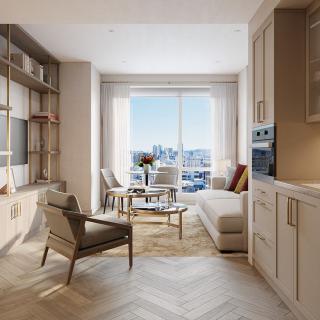
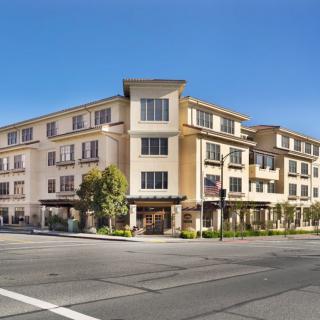
Welcome Home Castro Valley in Castro Valley, CA is a memory care assisted living community designed to provide specialized care for individuals with memory impairments. Our community offers a variety of amenities and services to ensure the comfort and well-being of our residents.
Our spacious and inviting common areas are perfect for socializing or participating in activities. We have indoor common areas where residents can relax and engage with each other, as well as private bathrooms for added convenience. Our ground floor units are wheelchair accessible and feature high-speed internet access, allowing residents to stay connected with their loved ones.
Our dedicated staff provides personalized care, including medication management, to ensure that each resident's specific needs are met. Our professional chef prepares delicious meals in a restaurant-style dining setting, offering a range of options including vegetarian dishes.
We offer a wide range of activities to promote physical and mental wellness. Residents can participate in brain fitness exercises, devotional activities offsite, educational speakers and lifelong learning opportunities. They can also enjoy live dance or theater performances, musical performances, stretching classes, tai chi, yoga or chair yoga sessions. For those who prefer a more relaxed atmosphere, happy hour and karaoke sessions are available.
Conveniently located near cafes, parks, pharmacies, physicians' offices, restaurants, transportation options, places of worship and hospitals; our community offers easy access to the amenities and services that residents may require.
At Welcome Home Castro Valley in Castro Valley, CA we strive to create a warm and inviting environment where our memory care residents can feel at home while receiving the support they need.
Nearby Places of Interest
This part of Castro Valley, California is a vibrant and convenient location for senior living. With several places of worship nearby, including the First Baptist Church and Bethel Presbyterian Church, residents can easily maintain their spiritual practices. The area also boasts numerous parks such as Parsons Park and Lake Chabot Regional Park, providing plenty of opportunities for outdoor recreation and relaxation. In terms of healthcare, there are several pharmacies and hospitals in close proximity like Eden Medical Center and Kaiser Permanente facilities. Additionally, transportation options are readily accessible with the Castro Valley BART Station just a short distance away. For medical needs, there are several physicians' offices including Optima Medical Associates and Golden State Dermatology. Overall, this part of Castro Valley offers a well-rounded community with essential amenities for seniors looking to settle down in a welcoming environment.
Places of Worship
First Baptist Church Of Castro Valley (0.4 miles)
Bethel Presbyterian Church Of San Leandro (3.8 miles)
Bay Area Chinese Bible Church (9.4 miles)
Parks
Parsons Park (0.9 miles)
Bay Trees Park (1.1 miles)
Castro Valley Park and Community Center (1.3 miles)
Lake Chabot Regional Park (1.9 miles)
Chabot Park (3.7 miles)
Eden Landing Ecological Reserve (6.9 miles)
San Ramon Central Park (7.2 miles)
Pharmacies
Safeway Pharmacy (1.3 miles)
Walgreens (1.3 miles)
Rite Aid (1.4 miles)
CVS Pharmacy (1.4 miles)
Walgreens (2.5 miles)
CVS Pharmacy (2.8 miles)
Rite Aid (4 miles)
Cafes
Starbucks (1.4 miles)
Starbucks (1.7 miles)
Philz Coffee (6.8 miles)
Joe & The Juice (6.8 miles)
Boba Bliss (7 miles)
Panera Bread (7.6 miles)
Starbucks (7.9 miles)
Restaurants
Chipotle Mexican Grill (1.4 miles)
McDonald's (1.9 miles)
McDonald's (3.3 miles)
McDonald's (3.9 miles)
In-N-Out Burger (3.9 miles)
Top Hatters Kitchen & Bar (4.3 miles)
McDonald's (6.5 miles)
Hospitals
Eden Medical Center (1.6 miles)
Kaiser Permanente Post-Acute Care Center (2.6 miles)
Kaiser Permanente San Leandro Labor & Delivery (5.3 miles)
Transportation
Castro Valley BART Station (1.6 miles)
South Hayward BART Station (5.5 miles)
JSX (7.6 miles)
West Dublin/Pleasanton BART Station (7.7 miles)
Terminal 2 (7.9 miles)
Southwest Airlines Ticket Counter (7.9 miles)
Oakland International Airport (OAK) (7.9 miles)
Physicians
Dr Mark Mandel M.D. - Optima Medical Assoc (2.7 miles)
Kaiser Medical Offices (5.8 miles)
Kaiser Permanente Pediatrics (5.8 miles)
Reproductive Science Center (5.9 miles)
Luxor Dental Prosthodontics & Implant Surgery (6.5 miles)
Welcome Home Castro Valley offers a 1-bedroom unit at a monthly cost of $7,000, which is notably higher than the average rates for both Alameda County and the broader California region. In comparison, Alameda County averages around $4,644 for similar accommodations, while the statewide average is slightly lower at approximately $4,340. This pricing reflects not only the specific amenities and services provided by Welcome Home Castro Valley but also its commitment to delivering a premium living experience that may justify the elevated costs in comparison to local and state averages.
Medication management ensures that residents receive their medications accurately and on time, which is crucial for maintaining their health and stability. This systematic approach minimizes the risk of missed doses or adverse interactions, allowing individuals to focus on their daily activities without the added stress of managing complex medication schedules. Additionally, brain fitness programs are designed to engage residents in cognitive exercises that stimulate mental function and promote neuroplasticity. These activities not only support memory retention and cognitive skills but also foster social interaction among peers, creating a supportive environment that enhances overall well-being. Together, these features contribute significantly to the quality of life for those living with dementia or Alzheimer's disease.
Nearby Communities
Blessing Home
Castro Valley, CA
5 from 10 reviews
$5,000 to $6,000 / month
Specialized memory care in a small, intimate setting with comprehensive daily living support, meals, transport, and 24-hour supervision.
Fern Lodge Inc
Castro Valley, CA
5 from 6 reviews
$2,095 to $4,495 / month
Nearby amenities (cafes, parks, pharmacies, restaurants, transportation, places of worship, and hospitals) and competitive pricing (studio from $2,095; 1-bedroom from $2,595).
California Mentor - Malabar Home
Castro Valley, CA
4.9 from 14 reviews
Small, intimate setting (capacity 4) with 24/7 supervision and full care services (ADLs, medication management, medical coordination), plus meals, housekeeping, transportation, and activities.
St John Kronstadt Convalescent Center
Castro Valley, CA
4.5 from 35 reviews
Friendly, accommodating staff; companionship-friendly shared rooms; small garden for outdoor relaxation.
ComForcare Senior Services
Castro Valley, CA
5 from 14 reviews
Well-connected location with easy access to cafes, parks, pharmacies, physicians, restaurants, transportation, places of worship, and hospitals.
The Powerhouse
Castro Valley, CA
Excellent access to nearby amenities and transportation for an active senior lifestyle.
Windsor Post-Acute Care Center Of Hayward
Hayward, CA
3 from 45 reviews
Comprehensive post-acute care with 24/7 supervision and a wide range of on-site amenities.
Pacifica Senior Living San Leandro
San Leandro, CA
4.7 from 106 reviews
$3,750 to $4,800 / month
Friendly, attentive staff in a clean, welcoming community with diverse activities and multiple housing options.
The Watermark at San Ramon
San Ramon, CA
4.6 from 59 reviews
$5,695 to $8,795 / month
Exceptional, compassionate care with responsive management and high-quality dining/activities.
Dementia encompasses a range of cognitive impairments characterized by types such as Alzheimer's and vascular dementia, and follows a seven-stage progression model known as the Global Deterioration Scale (GDS), highlighting varying symptoms and decline timelines. Early detection allows for lifestyle adjustments to potentially slow progression, while caregivers need support and resources to manage the challenges involved in caring for affected individuals.
The guide on holistic dementia care outlines the complexity of dementia and stresses the need for individualized caregiver strategies that include medical treatment, psychological support, and environmental adaptations, while emphasizing early detection, various therapeutic options, and caregiver support to enhance quality of life and maintain dignity.
"Memory Care Pathways: A Holistic Guide to Dementia Support" outlines the complexities of dementia and its various types, emphasizing early detection, patient-centered care strategies, caregiver support, and long-term care options while addressing legal and financial considerations to enhance the quality of life for individuals with dementia and their families.