
4639 Malabar Avenue, Castro Valley, CA 94546
For more information about senior living options: (866) 208-4318
Overall Review of California Mentor - Malabar Home
Pros
 The staff at Carefield are outstanding and build a strong trusting relationship with residents.
- The medical staff and administration are supportive in every possible way.
- The activities group goes out of their way to ensure a good residency for residents.
- Carefield feels like a warm, family-like environment with clean facilities and friendly, long-tenured staff.
- Parveen Singh provided an excellent personal tour and leads a well-run, welcoming campus.
- The Villa, under Parveen Singh and Kathy, is a safe, wonderful, engaging place with compassionate, respectful care.
- Eden Villa is well run and cheery, with kind, caring staff, attentive medical care, and engaging activities.
- The nursing staff provides attentive care and keeps families informed, with residents treated with dignity and kindness.
Cons
 A prospective resident canceled the contract after two days.
- The facility was 100% occupied, with no room available.
- Several residents reported they had to ask for smaller portion sizes.
- One resident noted that some meals were occasionally so-so.
Review
California Mentor - Malabar Home in Castro Valley is best suited for families seeking a warm, home-like environment where care feels personal and the daily routine is built around real relationships with staff. The community earns high marks from families who value long-tenured caregivers, attentive medical oversight, and a proactive activities program that keeps residents engaged. Reviews repeatedly highlight a strong sense of dignity and kindness in how residents are treated, with meals that are not only nutritious but widely enjoyed. In short, this is a place for loved ones who thrive on consistent, compassionate attention and a homey, human-paced atmosphere.
That strength, however, comes with clear considerations. Availability can be a real constraint, as one reviewer noted the facility was 100% full at a time, with rooms in high demand and a waitlist tendency. For families needing an immediate move or those whose loved one requires very specialized or highly structured memory-care programming, alternatives with open beds or different care models may be worth exploring. Those who prioritize a newer campus feel or a more hospital-like oversight might also want to compare options that emphasize a different design or care ecosystem. The point is not to penalize this community but to acknowledge real scheduling realities that affect planning.
Among the standout pros are the staff’s dedication and the sense of a “family” atmosphere. Caregivers are described as outstanding, forming trusting bonds with residents, and the nursing and administrative teams are consistently supportive. Families report that staff respond with patience and gentleness, even during challenging moments, and that the memory-care team provides specialized, compassionate attention to residents who need it most. The leadership presence, tour experiences with senior directors and visible management engagement, helps families feel heard and reassured that concerns will be addressed. Dining and cleanliness receive frequent praise as well, reinforcing the impression of a well-run, welcoming home.
On the downside, the resident adjustment journey for memory-care patients can be nuanced. Several families noted initial homesickness or the slow acclimation that can accompany a move to a new living situation, especially for those with dementia. Reviews acknowledge that it can take weeks for a resident to settle in, which places added importance on staff consistency and a stable daily structure. Portions and meal pacing emerge as minor, individualized concerns from some families, with a few noting the need for smaller servings at times. These points matter, but they do not obscure the core strengths: dependable care, a courteous front-desk presence, and the overall quality of life the community tends to deliver.
Those strengths offset the drawbacks in meaningful, practical ways. The patient, relationship-driven care model reduces the stress of transitions and helps residents feel seen as individuals, not as diagnoses. The long-tenured staff translates into better recognition of each resident’s routines, preferences, and medical nuances, which in turn reduces the likelihood of medication oversights and miscommunications. A robust activities program, coupled with real attention to meals and social opportunities, keeps daily life emotionally rich, which is especially valuable for memory-care residents prone to withdrawal if the environment feels sterile. Strong leadership helps sustain continuous improvements and quick problem-solving when concerns arise.
For families weighing decisions in Castro Valley, this community stands out as a top-tier option for those who prize humanity, reliability, and a genuine sense of home. The practical upside is clear: compassionate, experienced staff, a warm atmosphere, high-quality meals, and a clean, well-maintained environment. The corollary is a reminder to plan for the reality of limited immediate availability and the potentially gradual adjustment period for memory-impaired residents. If the priority is to secure a place with a deep culture of respect and personal attention, California Mentor - Malabar Home should be near the top of the short list. If immediate occupancy or highly specialized programming is non-negotiable, or if a newer campus is a deciding factor, also compare Eden Villa or The Villa to ensure the best fit for specific medical and lifestyle needs. Prioritize a visit, meet the caregiving team, request a clear sense of daily schedules, and verify bed status to inform the best match for the loved one.
 4 resident community capacity
 Assisted Living
 Cable or satellite TV
 Dining room
 Fully furnished
 Garden
 Housekeeping services
 Move-in coordination
 Outdoor space
 Telephone
 Wi-Fi/high-speed internet available
 Metropolitan Oakland International (8 miles away)
 24-hour supervision
 Activities of daily living assistance
 Assistance with bathing
 Assistance with dressing
 Assistance with transfers
 Diabetes diet
 Meal preparation and service
 Medication management
 Special dietary restrictions
 Transportation arrangement (medical)
 Transportation to doctors appointments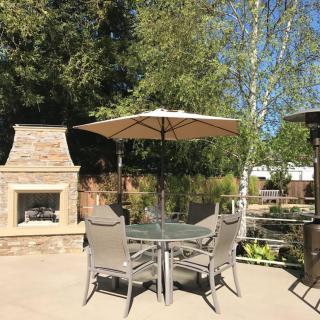





 Choosing the Right Senior Care: A Detailed Exploration of Assisted Living and Nursing Homes
 Understanding the True Cost of Assisted Living in 2025: A Comprehensive Guide
 Understanding Medicaid Coverage for Assisted Living: A Comprehensive Guide