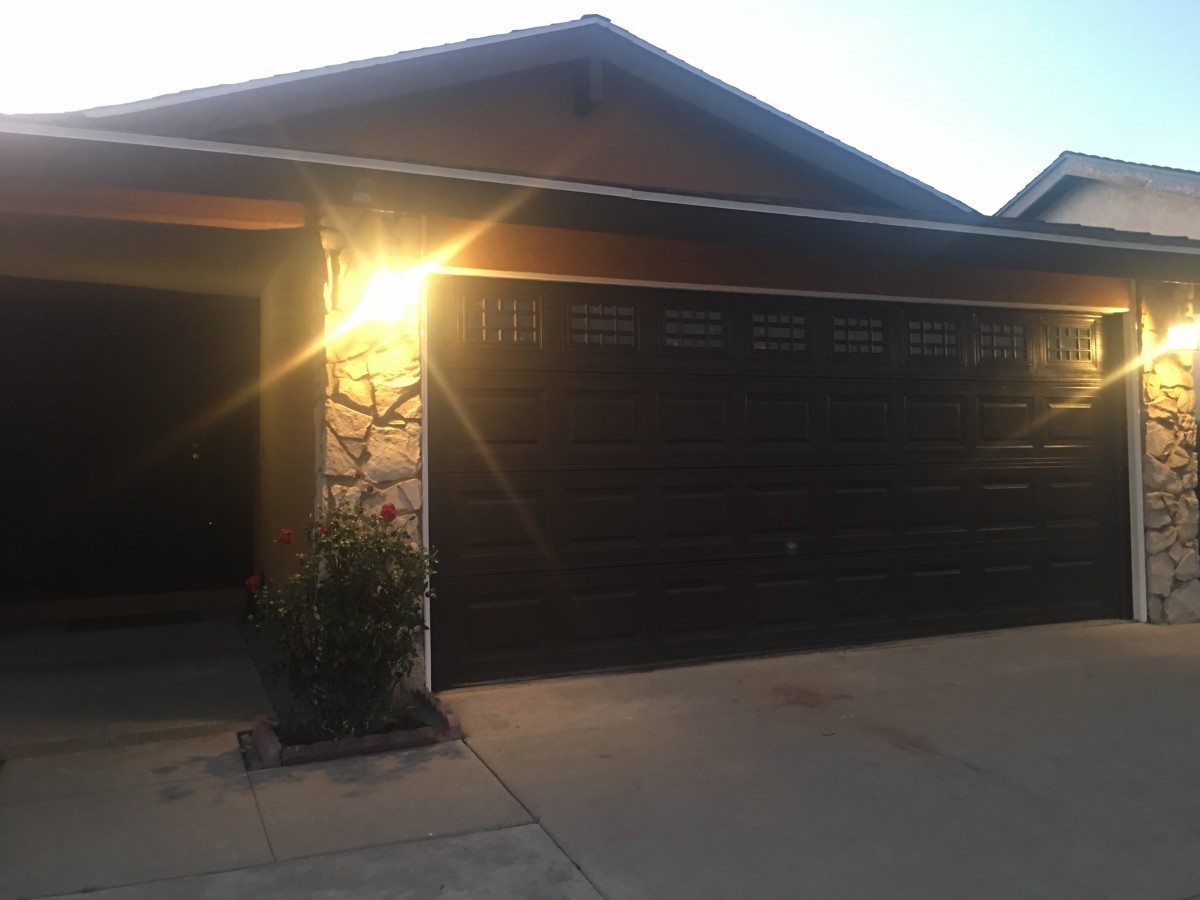
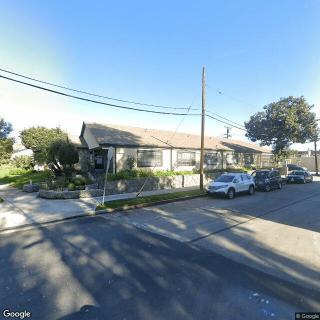
20019 Midtown Ave, Carson, CA 90746
To contact a resident: (424) 785-8976
For more information about senior living options: (866) 208-4318
Karteena's RCFE Costs & Pricing
Karteena's RCFE offers competitive pricing for its residential care facilities compared to both Los Angeles County and the broader California market. For semi-private rooms, Karteena's rate of $4,500 exceeds the county average of $3,349 and the state average of $3,333, reflecting the premium services and personalized care they provide. When it comes to private rooms, Karteena's fee of $5,550 is higher than both Los Angeles County's rate of $4,197 and California's average of $3,939. This pricing structure suggests a commitment to delivering an elevated level of care that may justify the additional expense for families seeking quality support for their loved ones.
| Floor plans | Karteena's RCFE | Los Angeles County | California |
|---|---|---|---|
| Semi-Private | $4,500 | $3,349 | $3,333 |
| Private | $5,550 | $4,197 | $3,939 |
Senior living communities with a similar price nearby
-
from -$505 / mo
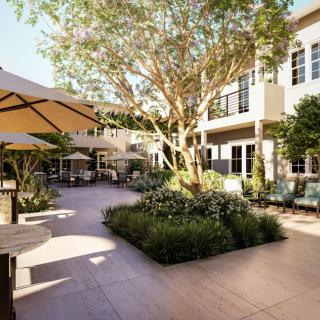
Cadence Brea
$3,995 to $5,500 / month21.3 miles away -
from -$500 / mo
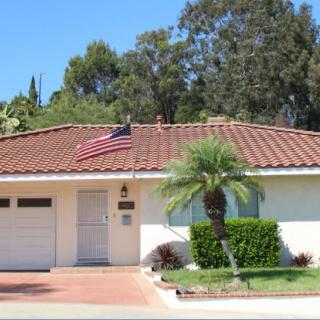
Palomino Residential Care
$4,000 to $6,000 / month14.5 miles away -
from -$500 / mo
Loving Care Facility for the Elderly
$4,000 to $5,975 / month17.3 miles away -
About the same
Bauer Assisted Living
$4,500 to $6,500 / month16.5 miles away -
from +$500 / mo

Sweet Home Senior Living #1
$5,000 to $7,500 / month23.9 miles away
Overall Review of Karteena's RCFE
Pros
 The food they serve is nice.
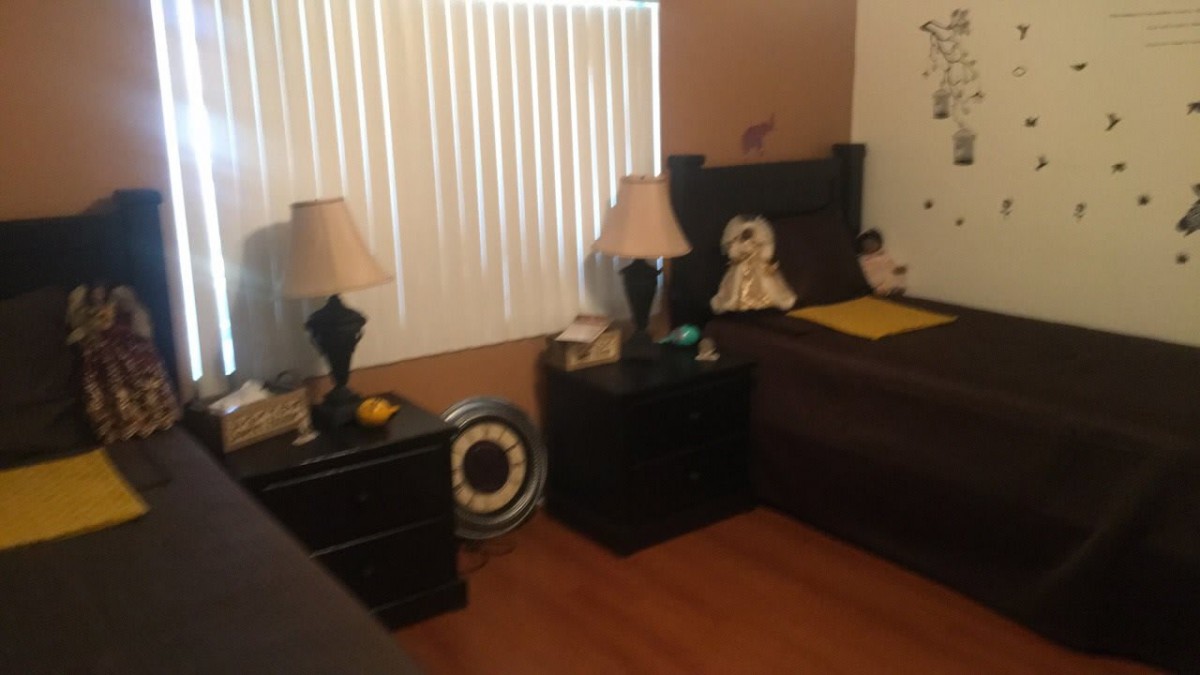
- The rooms are wonderful.
- They are perfect.
- The cleanliness and living conditions are superb.
- There are no foul smells.
- Kateena has a beautiful, clean, and classy home.
- Her home is warm and inviting.
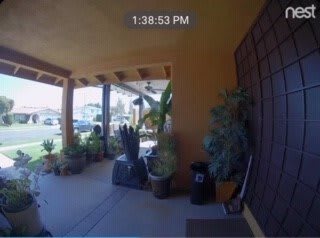
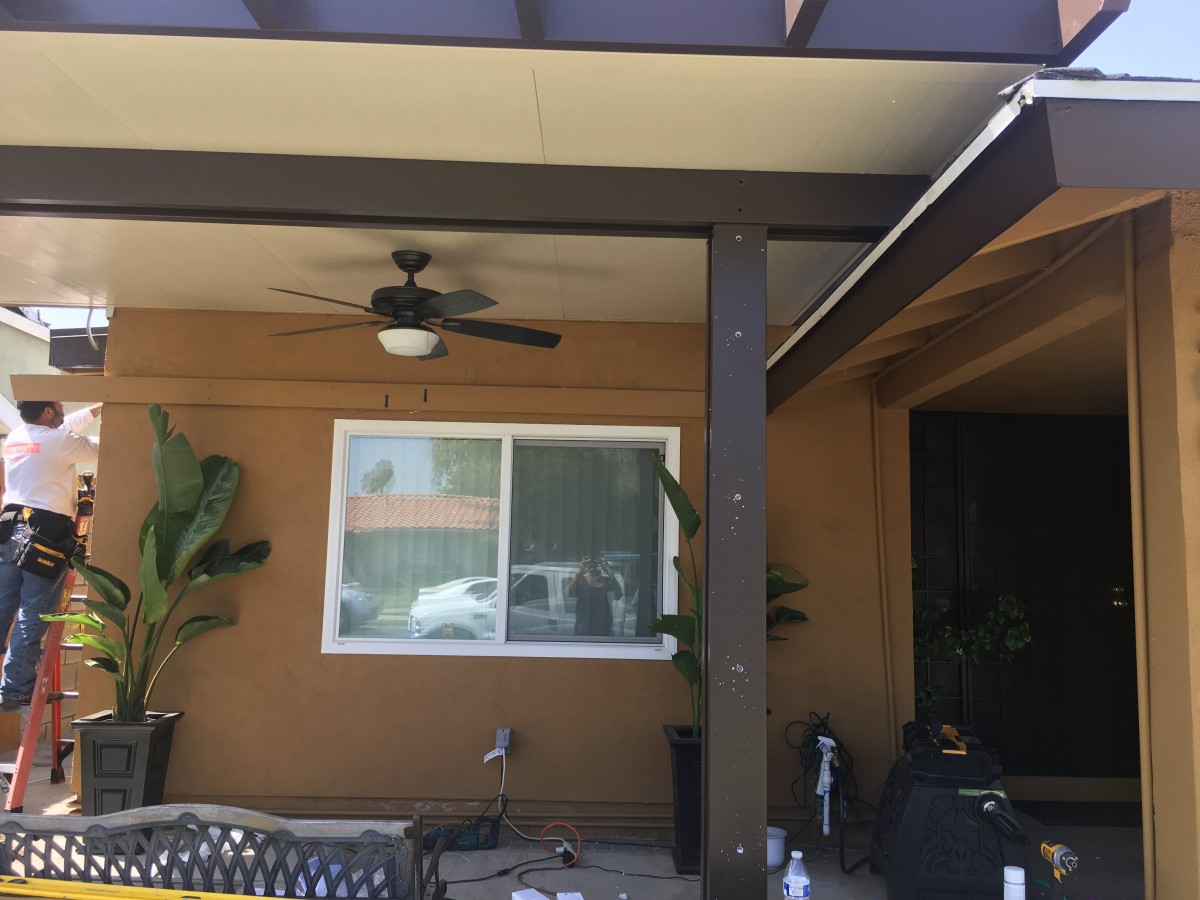
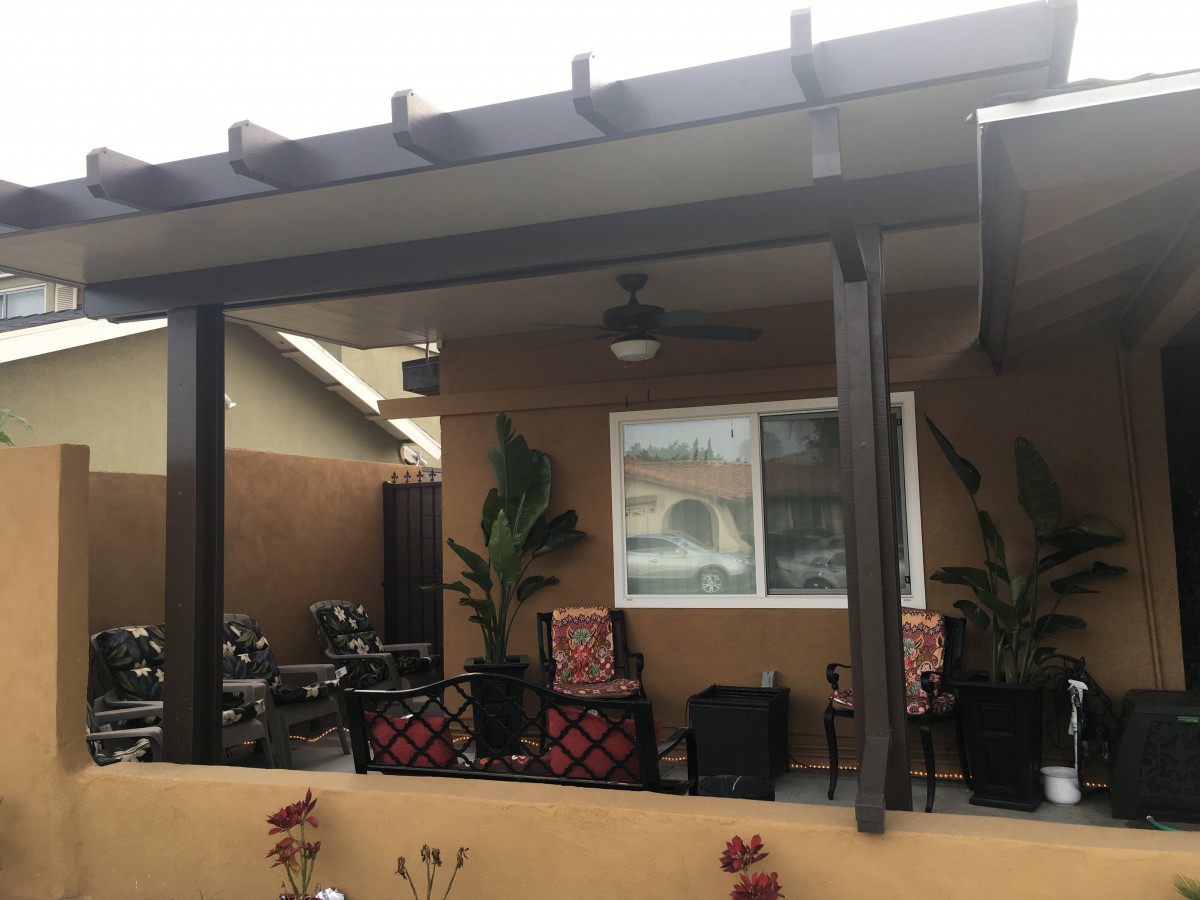
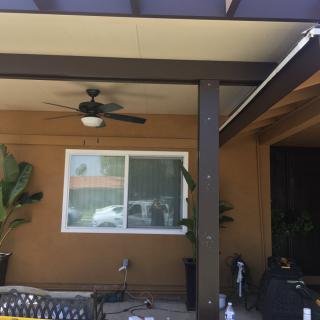
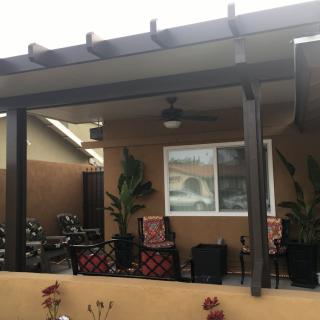
- Kateena's enclosed porch is beautiful with flowers and seating.
- She has planned activities for the residents and outings.
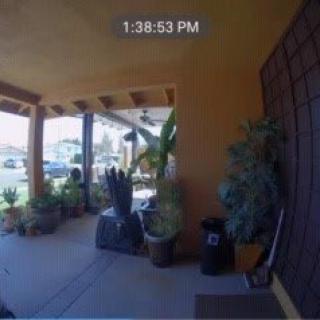
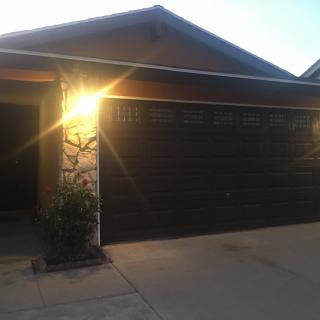
- The neighborhood is nice, quiet, and well manicured.
Cons
 The staff members do their jobs, however they are not friendly and hold grudges; they argue with residents who have Alzheimer's.
- The reviewers wish the staff had a better understanding so they would not take it personally.
Review
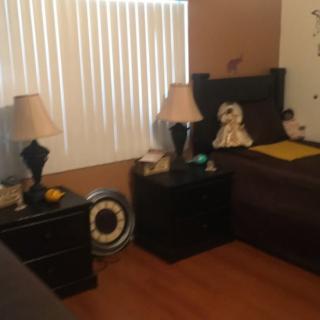
This community is best suited for families seeking a small, home-like RCFE experience in Carson where personal attention and a warm, intimate setting take precedence. The setting emphasizes cleanliness, comfort, and a homelike ambiance, with nicely appointed rooms and immaculate living quarters that avoid the institutional feel. The owner’s touch is evident in a porch that’s enclosed and welcoming, a thoughtfully kept outdoor space, and a schedule that includes planned activities and outings. For families who value a calm, family-style atmosphere alongside decent nutrition and pleasant surroundings, Karteena’s RCFE presents a compelling option.
Those who may want to consider alternatives are clear: care needs that require robust dementia-specific training, higher staffing ratios, or more formal medical oversight may outgrow this setting. The two reviews signal a tension between a strong home atmosphere and the reality of staff interactions with residents who have Alzheimer’s. If consistent, patient, professionally trained responses to memory impairment are non-negotiable, or if a resident requires constant, well-documented dementia care, larger assisted living communities or dedicated memory-care facilities with structured programs may be a safer, more predictable fit.
On the plus side, the strongest positives ribbon through most aspects of daily life. A beautiful, clean, and classy environment fosters familiarity and comfort, which is especially welcome for residents who resist more institutional surroundings. The rooms are described as wonderful, the overall living condition superb, and the absence of foul odors reinforces a sense of dignity and well-being. The food is deemed nice, and the care setting is complemented by a homey porch and open-air opportunities that can lift mood and reduce agitation. When activity planning and outings are well-executed, as described, residents can maintain routine and social engagement that matters for quality of life.
The major drawback centers on staff interactions. One review notes that staff, despite performing their duties, are not friendly and can clash with a resident who has Alzheimer’s, with arguments that appear personal rather than professional. This cuts to the heart of daily safety and well-being: if care partners respond with frustration rather than understanding, trust frays, and a resident’s comfort drops. The second review offers a contrasting impression of warmth and engagement from the owner, but the couple of accounts collectively flag a real risk: inconsistent caregiver demeanor and a culture that may not consistently prioritize dementia-informed, compassionate communication.
These pros and cons create a nuanced balance. For families prioritizing a warm, home-like setting with attentive housekeeping, appealing rooms, good nutrition, and a social calendar, Karteena’s RCFE can be a legitimate winner, provided staff interactions can be trusted to stay patient and respectful. The offset comes when memory-care needs demand steady, specialized communication and low-frustration engagement; in those cases, the drawbacks become sizable enough to reconsider. The decision hinges on the resident’s dementia severity, the family’s tolerance for staff turnover or personality variability, and the facility’s ability to demonstrate consistent, trained responses to challenging behaviors.
Actionable steps for families considering Karteena’s RCFE: schedule multi-time visits to observe staff–resident interactions across different parts of the day; request to speak with the owner about staff training in dementia care and conflict de-escalation, plus staffing levels during peak hours; review the activity calendar and menu to confirm ongoing engagement and nutrition quality; ask for specific examples of how memory-impaired residents are supported during agitation or confusion; inquire about safety features, emergency procedures, and medical oversight, including how medications are managed. If a trial stay is possible, use it to gauge daily rhythms, staff continuity, and whether the home’s warmth translates into consistent, respectful care. In the end, the decision should prioritize a setting where daily interactions reinforce dignity, safety, and meaningful engagement, and Karteena’s RCFE offers a persuasive option for those aligned with its strengths and prepared to address its staffing considerations.
 Board and Care Home
 Activities on-site
 Air-conditioning
 Bath tubs
 Cable or satellite TV
 Indoor common areas
 Outdoor common areas
 Private
 Private bathrooms
 Wi-Fi/high-speed internet available
 Long Beach (Daugherty) (7 miles away)
 Ambulatory care
 Diabetic care
 High acuity care
 Incontinence care
 Medication management
 Anytime dining
 Art classes
 Cooking classes
 Day trips and outings
 Educational speakers / life long learning
 Forever fit
 Gardening club
 Karaoke
 Live dance or theater performances
 Live musical performances
 Live well programs
 Wine tasting

 Comprehensive Insights and Practical Strategies to Help Older Adults Avoid Falls
 6 Crucial Ways an Elder Law Attorney Assists Families
 Navigating the Tax Landscape of Caregiving: Credits, Deductions, and Beyond