
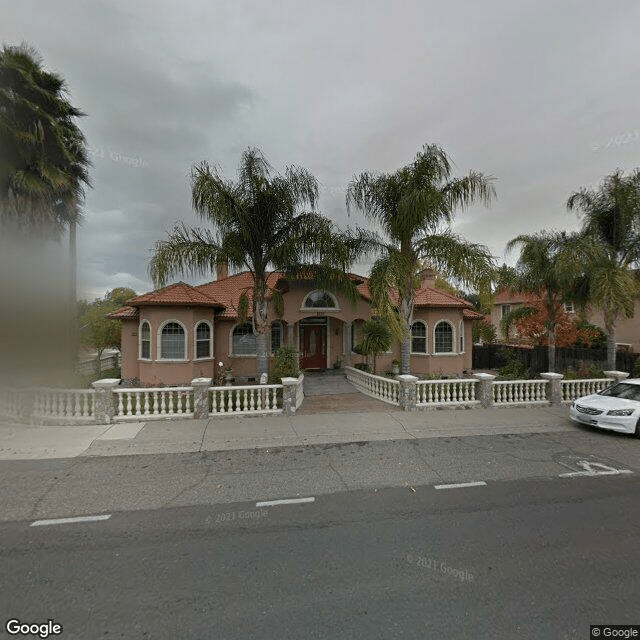
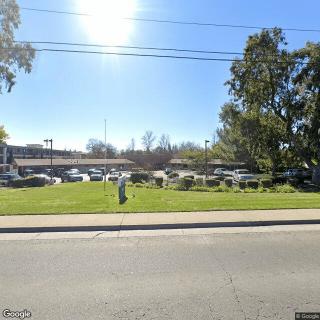
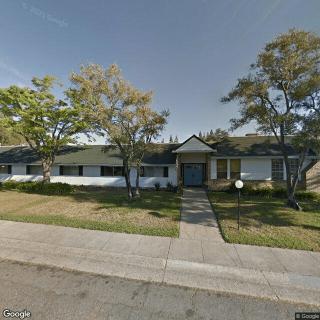
6821 Lincoln Avenue, Carmichael, CA 95608
For more information about senior living options: (866) 208-4318
Palms Court I Costs & Pricing
At Palms Court I, the monthly cost for a private room is set at $3,000, which positions it as a more affordable option compared to the average costs in Sacramento County and across California. In Sacramento County, the average price for a similar private accommodation reaches approximately $3,686, while the state average rises even higher to around $3,939 per month. This substantial difference highlights Palms Court I's competitive pricing within both the county and state contexts, making it an appealing choice for those seeking quality care without the higher financial burden typically associated with assisted living facilities in California.
| Floor plans | Palms Court I | Sacramento County | California |
|---|---|---|---|
| Private | $3,000 | $3,686 | $3,939 |
Assisted Living communities with a similar price nearby
-
from -$500 / mo
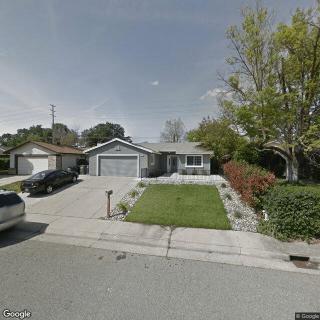
Sunrise Senior Care
$2,500 to $3,500 / month3.8 miles away -
About the same
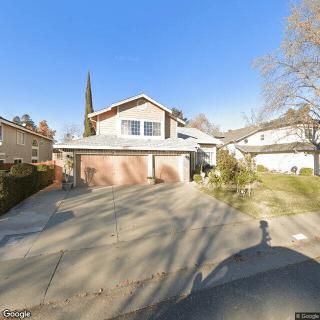
Afable Care Home
$3,000 to $3,500 / month6.7 miles away -
from -$500 / mo
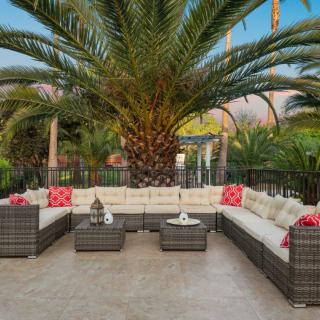
Gina's Home Care
$2,500 / month0.7 miles away -
About the same
Love & Care for Elder
$3,000 to $4,500 / month5.3 miles away -
About the same

Hear Seniors
$3,005 to $3,870 / month3.1 miles away
Overall Review of Palms Court I
Pros
 They are really satisfied with Bright Future II for their father.
- The food is excellent.
- The dad likes it, and the family is happy.
- He has a wonderful room with his own bathroom.
- There is a place for him to exercise, and he has a veranda.
- They provide excellent care for him 24/7.
- They are very attentive, and Dad thinks of them as his family.
- The facility is close to his daughters, not far from his son.
- It is close to where Grandpa is now.
Review
Palms Court I in Carmichael, California is best suited for families seeking a warm, family-like assisted living where privacy and daily comforts are non-negotiable. The standout testimonials describe a resident with his own private room and bathroom, plus a veranda and on-site spaces that support light activity, all of which help aging in place feel dignified rather than clinical. Also emphasized is the quality of meals, described as excellent, which matters when everyday routines become anchors of well-being. Most importantly, the care team operates around the clock with a level of attentiveness that transforms staff from caregivers into a trusted part of the resident’s daily life, with a sense that the facility truly feels like a second family.
That said, Palms Court I may not be ideal for every elder. Those with more specialized memory-care needs or tighter budget constraints should consider alternatives. If memory-support requirements exceed what’s offered here, or if a senior is seeking a more independent lifestyle, a more expansive social calendar, or a larger campus with broader amenities, other communities in the area may better fit those priorities. The current feedback centers on stability, warmth, and a home-like atmosphere; readers prioritizing lower costs or a more dynamic program should compare other options to ensure alignment with expectations and resources.
From a decision-making perspective, the strongest advantages align directly with the core concerns families raise about quality of life and safety. Private accommodations with own bathrooms preserve dignity and autonomy, while a veranda and on-site exercise space support mobility and routine. Excellent meals remove a common friction point, contributing to daily satisfaction and reducing the stress of daily caregiving. The 24/7 attentive care framework further mitigates emergency anxiety and fosters a sense of security for both residents and relatives. In combination, these elements offset typical worries about care quality and emotional well-being, reframing the facility as a reassuring, livable home rather than a passive supervision setting.
Proximity to loved ones is a meaningful bonus that strengthens the overall value proposition. The reviews note that the home is close to daughters and not far from a son, with convenient access to where another relative already resides. This arrangement reduces travel burdens, makes visitation predictable, and reinforces continuity of care across generations. A resident who can maintain familiar routines while receiving steady support is less prone to distress and social withdrawal. In practical terms, family involvement becomes a practical, constant advantage rather than an afterthought, enhancing both resident happiness and caregiver confidence.
For families evaluating next steps, a structured tour with a focused checklist is advised. Confirm room configurations and the presence of a private bathroom, then sample the dining experience to verify consistency with the positive reports. Observe caregiver interactions during routine tasks to gauge warmth, responsiveness, and professionalism. Inquire about the 24/7 care model, how it scales with fluctuating needs and how transitions within the facility are managed, and seek clarity on the Bright Future II framework mentioned in the testimonials to understand levels of care and progression. Finally, compare total cost, inclusions, and anticipated needs with nearby options to ensure value remains aligned with comfort, safety, and peace of mind.
Overall, Palms Court I stands out as a practical, reliable choice for families prioritizing a warm, attentive environment, private living space, and dependable daily support. The combination of high-quality meals, dignity-preserving private accommodations, mobility-friendly amenities, and a caregiver culture that feels like family positions it as a compelling option for aging in place. Alternatives are appropriate only for those pursuing lower costs, more expansive social programming, or stricter memory-care specialization. For the right elder and the right family, Palms Court I offers not just care, but a dependable home that supports both independence and meaningful connection.
 6 resident community capacity
 Assisted Living
 Board and Care Home
 Cats allowed
 Dogs allowed
 Activities off-site
 Cable or satellite TV
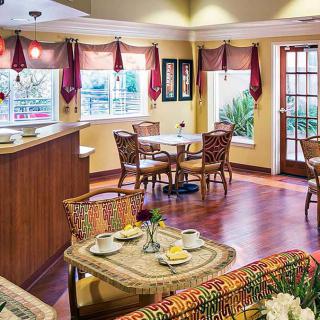
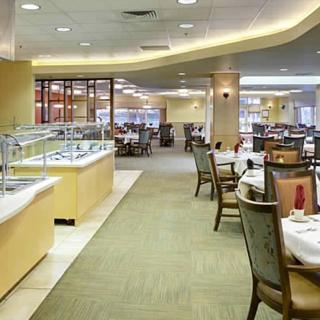
 Dining room
 Fully furnished
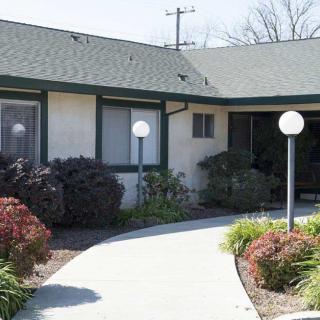
 Garden
 Housekeeping services
 Indoor common areas
 Move-in coordination
 Outdoor common areas
 Private
 Private bathrooms
 Telephone
 Wi-Fi/high-speed internet available
 Sacramento International (16 miles away)
 24-hour supervision
 Ambulatory care
 Assistance with bathing
 Assistance with dressing
 Assistance with transfers
 Diabetes diet
 Diabetic care
 Meal preparation and service
 Medication management
 Special dietary restrictions
 Transportation arrangement (medical)
 Transportation to doctors appointments
 Is Assisted Living Deductible on Your Taxes? Understanding the Complexities of Assisted Living Expenses and Deductions
 Assisted Living Support for Veterans: A Complete and Detailed Overview
 Exploring the Contrasts Between Assisted Living and Skilled Nursing