

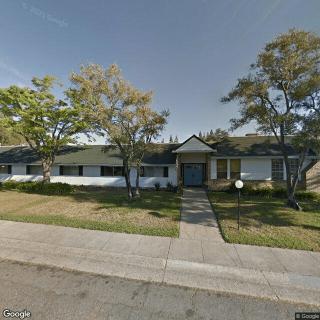
4230 Paradise Drive, Carmichael, CA 95608
For more information about senior living options: (866) 208-4318
Chrisman Community Costs & Pricing
At Chrisman Community, the monthly costs for various room types present a more budget-friendly option compared to both Sacramento County and the broader California market. For instance, a semi-private room at Chrisman is priced at $2,800, which is significantly lower than the county average of $3,106 and the state average of $3,333. Private rooms at Chrisman also reflect this trend, costing $3,000 while their counterparts in Sacramento County reach $3,686 and California averages climb to $3,939. Similarly, one-bedroom accommodations at Chrisman remain competitively priced at $3,000 compared to $3,758 in Sacramento County and $4,340 statewide. This pricing structure makes Chrisman Community an attractive option for individuals seeking quality care without compromising their financial stability.
| Floor plans | Chrisman Community | Sacramento County | California |
|---|---|---|---|
| Semi-Private | $2,800 | $3,106 | $3,333 |
| Private | $3,000 | $3,686 | $3,939 |
| 1 Bedroom | $3,000 | $3,758 | $4,340 |
Memory care communities with a similar price nearby
-
from +$200 / mo
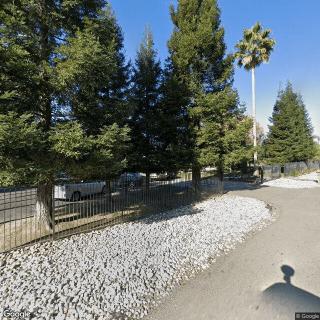
Love & Care for Elder
$3,000 to $4,500 / month5.3 miles away -
from -$300 / mo
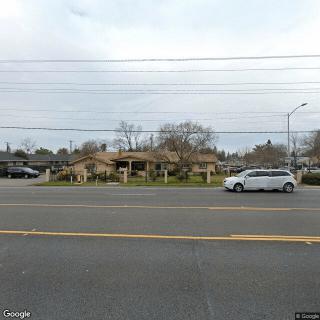
Eastern Manor
$2,500 to $3,000 / month3.9 miles away -
from -$300 / mo
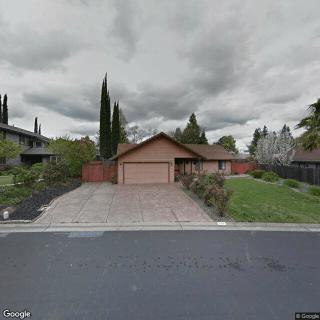
A.R.C. Manor of Folsom
$2,500 to $3,500 / month6.9 miles away -
from +$450 / mo
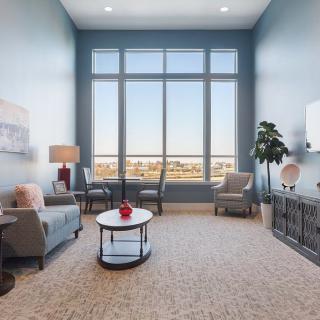
WellQuest of Elk Grove
$3,250 to $5,050 / month15.1 miles away -
About the same

American River Care Home
$2,800 to $3,000 / month4.3 miles away
Overall Review of Chrisman Community
Pros
 The facility is the best assisted living facility in the area.
- The staff are great and knowledgeable.
- The care makes residents feel at home.
- It is a comfortable place where residents are treated like family.
- The care provided is awesome.
Review
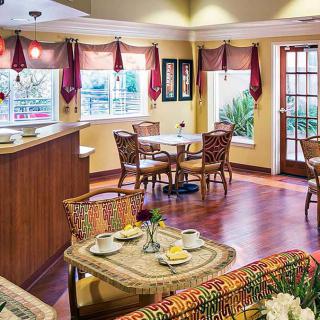
Chrisman Community in Carmichael is best suited for seniors who want a warm, home-like living experience where care arrives with a personal touch. This is a setting that rewards relationship-building: residents are tended to as individuals, with consistency in staff and a culture that treats daily routines as a form of everyday safety. Families seeking reassurance that their loved ones will be seen, heard, and engaged will find a strong alignment here. The atmosphere reads as calm, approachable, and dignified, with caregivers who make the environment feel less institutional and more like a genuine community. For those prioritizing emotional comfort and steady, relational support, this is a compelling match.
However, this community may not be the best fit for residents whose needs extend into higher-level clinical care or extremely specialized memory support. If a loved one requires continuous 24/7 medical oversight, complex wound care, or robust dementia programming that goes beyond the typical assisted-living model, families should compare options. Budget constraints can also tilt the decision if monthly costs stretch beyond what a family can sustain without sacrificing other essentials. Finally, if a move is driven by the desire for a modern, expansive campus, extensive on-site therapy, or a vast activity calendar, there are other communities that deliver those accelerations more readily. Those are legitimate considerations.
On the upside, the four resident reviews converge on a single, decisive strength: the staff. Descriptions emphasize knowledgeable, compassionate caregivers who respond quickly, listen attentively, and maintain a respectful, family-first tone. That level of engagement translates into practical benefits, more reliable assistance with daily tasks, better monitoring of mood and appetite, and a sense of security that reduces worry for families. The home-like ambiance amplifies this effect: consistent faces, familiar routines, and warm, patient communication help residents settle in faster and engage more fully with activities. In a market where branding often outpaces real care, these tangible interactions are the core value.
Still, the lack of explicit detail about clinical infrastructure in the reviews means potential gaps must be explored before committing. Prospective families should verify what levels of medical support are available on site, whether regular nursing coverage exists around the clock, and how emergencies are managed. Memory-care needs require targeted programming; if there is any memory impairment in the household, confirm the availability of specialized staff and safe, stimulating activities. Transportation options for appointments and outings, meal variety, and private-room availability are practical factors that influence satisfaction and should be confirmed during tours. Asking for a sample week’s schedule can reveal whether promises translate into observable daily life.
In practice, Chrisman distinguishes itself by delivering a consistent, caring culture that residents and families trust. It may not compete with facilities that showcase a wider medical footprint or more apartment-style independence, but it excels where relational quality and day-to-day safety matter most. Families weighing options should consider how important a home-like feel, stable caregiving relationships, and a calm residential environment are relative to the desire for advanced therapy services or larger social ecosystems. If the priority is ongoing companionship, timely assistance, and a dignified daily rhythm, Chrisman earns serious consideration; if the priority tilts toward clinical breadth or budget-driven flexibility, firm comparisons are warranted.
A practical decision emerges: for seniors who value a heartfelt, attentive caregiving culture and a genuine sense of belonging, Chrisman Community presents a strong, credible choice. For others, those who require more intensive medical management, dementia-specific programming, or cost structures that demand tighter budgeting, alternatives deserve careful exploration. The best next move is a structured visit that tests the promise in real time: observe caregiver-resident interactions, ask to meet the nurse on duty, review a sample menu and activity calendar, and confirm private-room options and care levels. With clear questions and a hands-on tour, families can move from interest to confidence and determine whether Chrisman becomes the trusted home their loved one deserves.
 6 resident community capacity
 Assisted Living
 Board and Care Home
 Memory Care
 Cable or satellite TV
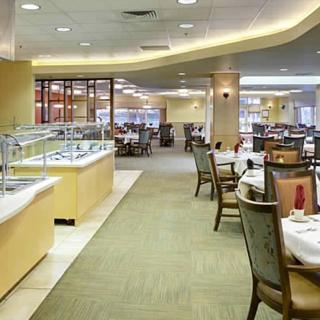
 Dining room
 Fully furnished
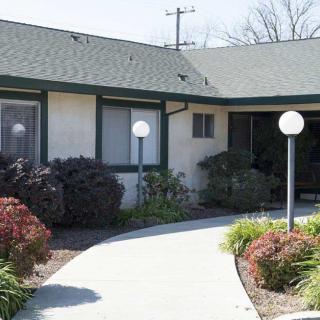
 Garden
 Housekeeping services
 Move-in coordination
 Outdoor space
 Private
 Private bathrooms
 Telephone
 Wheelchair accessible showers
 Wi-Fi/high-speed internet available
 Sacramento International (16 miles away)
 24-hour supervision
 Activities of daily living assistance
 Assistance with bathing
 Assistance with dressing
 Assistance with transfers
 Diabetes diet
 Diabetic care
 High acuity care
 Meal preparation and service
 Medication management
 Special dietary restrictions
 Transportation arrangement (medical)
 Transportation to doctors appointments
 Christian services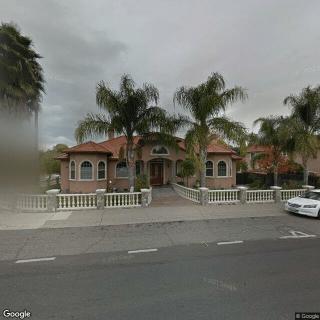

 When to Transition from Assisted Living to Memory Care: Key Indicators, Steps, and Finding the Right Community
 Understanding the Distinctions: Assisted Living and Memory Care Explained
 How to Communicate with a Loved One Living with Dementia: 10 Supportive Strategies