
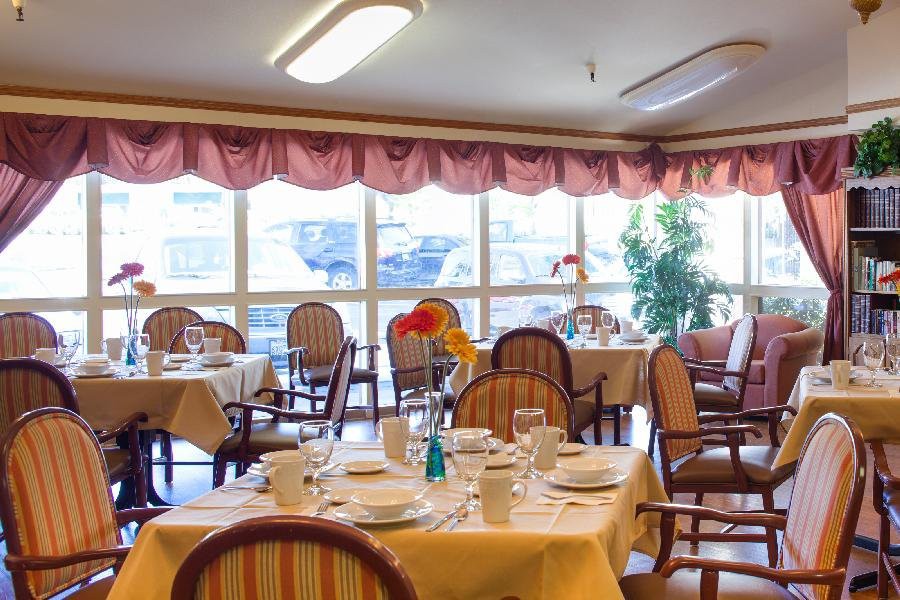
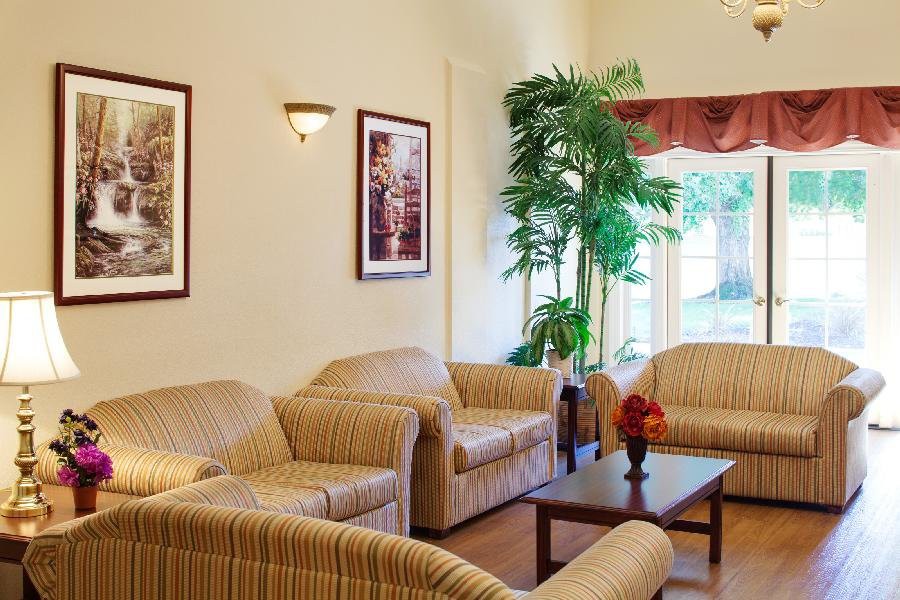
8336 Fair Oaks Blvd., Carmichael, CA 95608
To contact a resident: (916) 944-3100
For more information about senior living options: (866) 208-4318
Eagle Crest Costs & Pricing
Eagle Crest offers a competitive pricing structure for its accommodations compared to Sacramento County and the broader California region. The monthly cost for a semi-private room at Eagle Crest is $2,000, significantly lower than the average of $3,106 in Sacramento County and $3,333 across the state. However, when it comes to private rooms, Eagle Crest's rate of $6,045 stands out as notably higher than both the county's average of $3,686 and California's median of $3,939. This disparity suggests that while Eagle Crest provides an affordable option for semi-private living arrangements, it positions itself at a premium price point for private rooms, potentially reflecting additional amenities or services offered in their private accommodations.
| Floor plans | Eagle Crest | Sacramento County | California |
|---|---|---|---|
| Semi-Private | $2,000 | $3,106 | $3,333 |
| Private | $6,045 | $3,686 | $3,939 |
Skilled Nursing Facilities with a similar price nearby
-
About the same

Carlton Senior Living Sacramento Enhanced Assisted Living
$1,995 to $3,695 / month6.2 miles away
Overall Review of Eagle Crest
Pros
 The kitchen staff Jackie, Suman, and Destiny are described as amazing and very hardworking.
- The workers kp, Ray, and Jerrod are praised as the best in the kitchen and all three are amazing.
- The reviews express strong appreciation for the dedication of the kitchen team.
Cons
 The business closed down for good late last year.
Review
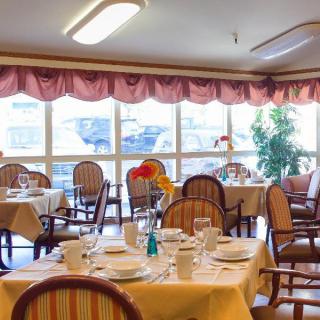
Eagle Crest in Carmichael is best suited for seniors who prize a compact, service-forward living environment with a notably strong kitchen culture and a homey dining experience. Families that value predictability in meals, friendly routine, and a staff-driven day-to-day will likely feel comfortable here. The big caveat is the operational status: one reviewer asserts the community closed permanently late last year. That claim reframes everything and makes stability the critical filter. For those who need guaranteed ongoing operations, steady management oversight, and a broad, reliable slate of services, exploring alternatives is the prudent path unless current ownership can provide unequivocal confirmation that the community remains open and prepared to meet long-term care needs.
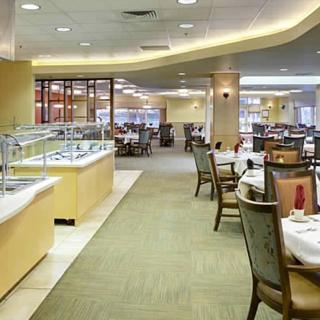
On the upside, the kitchen team stands out as a genuine asset. The praise centers on Jackie, Suman, Destiny, and other kitchen staff as hardworking and capable, with Ray and Jerrod highlighted as exemplary. That level of dedication translates into meals that feel thoughtful and consistent, delivering much of the day-to-day comfort families want for residents who thrive on routine. When nutrition and mealtime stability are priorities, this kitchen commitment can meaningfully reduce family worry, support resident satisfaction, and anchor a daily rhythm that makes a simpler, predictable life possible for many seniors.
Yet the main con remains unusually weighty: the reported permanent closure. Even if accuracy is in question, the mere suggestion of no longer operating casts a long shadow over the decision. The limited number of public reviews leaves significant gaps about care quality beyond the kitchen, staffing across shifts, safety protocols, social programming, transportation, and how care escalations would be handled. For a family, that translates into a high need for due diligence, confirm licensure status, verify current occupancy and service levels, and obtain a current, detailed care plan before engaging.
The positive dining reality does not automatically offset the risk of discontinuity or service gaps. A strong meals program can elevate daily life and reduce stress around nutrition, but it cannot compensate for uncertainty about ongoing operations, contract protections, or the ability to manage evolving care needs. If Eagle Crest is indeed operating under stable management, the kitchen strengths can enhance overall satisfaction and make the community feel like a true home. If not, those culinary advantages become moot in the face of potential relocation, transfer logistics, and interrupted care.
Prospective residents should pursue alternatives whenever stability and guaranteed access to comprehensive care are non-negotiable. If a definitive, current status confirms open, continuing operation, and a clear plan for future care exists, re-evaluate with a laser focus on care staffing, emergency procedures, and the breadth of services offered. Practical steps include checking with the licensing authority for compliance, obtaining a current status update from ownership, touring with an emphasis on how emergencies are handled, and requesting a formal transfer or continuation clause in the resident agreement. Compare these findings against nearby communities with transparent operations and proven continuity.
In the end, the decision hinges on certainty. The kitchen team’s excellence matters, but it cannot compensate for unresolved questions about ongoing operation and long-term viability. If Eagle Crest is confirmed as open and well-managed, the dining program could tip the balance for residents who place meals and routine support at the center of daily life. If not, it’s essential to steer toward alternatives with verifiable stability, robust care options, and a track record of uninterrupted service. Families deserve a clear, current answer and a plan that aligns with the resident’s evolving care needs before any commitment is made.
 Skilled Nursing Facility
 Sacramento International (16 miles away)

 Encouraging Participation in Adult Day Care: A Guide to Supporting a Hesitant Parent
 Comprehensive Exploration of Living Wills and Other Advance Directives
 A Detailed Exploration of Living Wills and Advance Directives