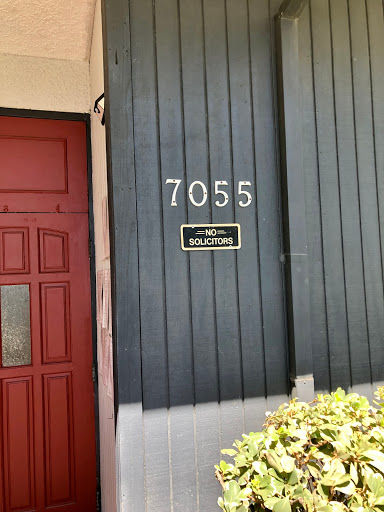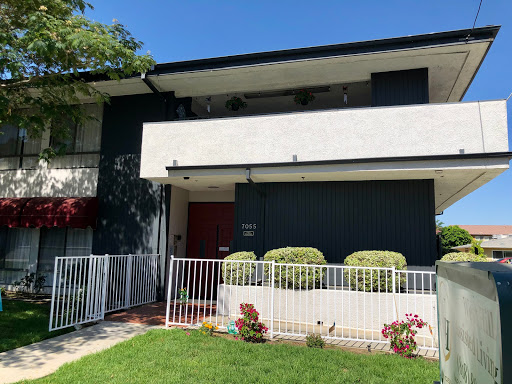
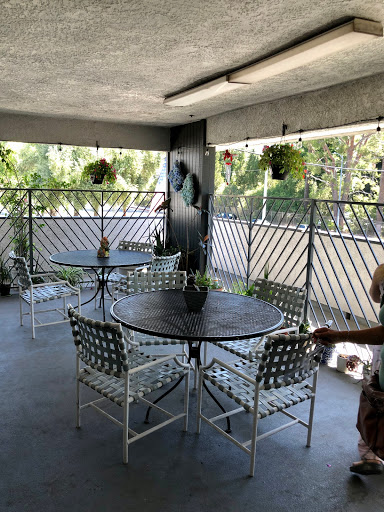
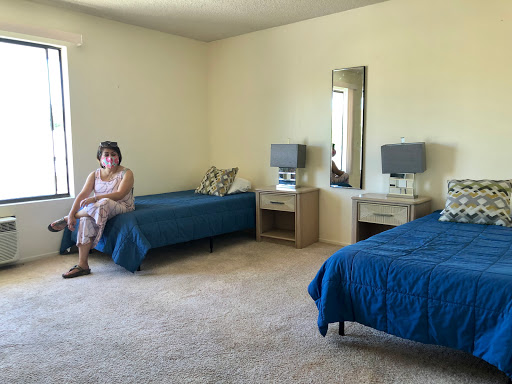
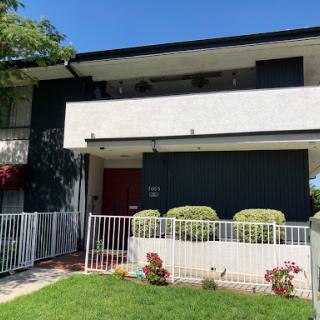
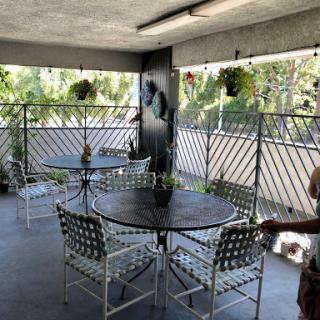
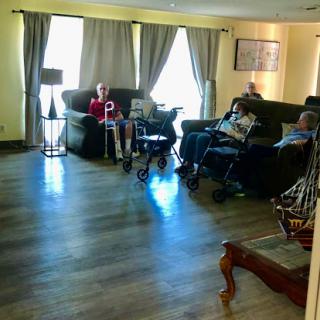
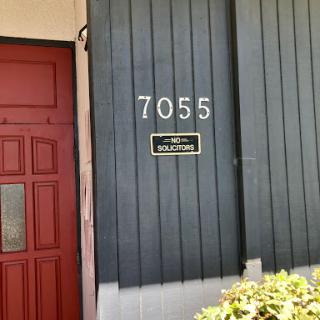


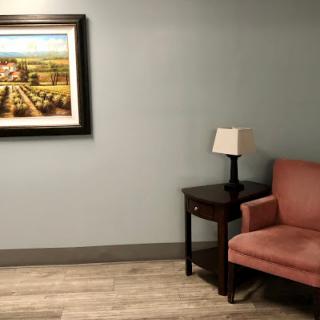
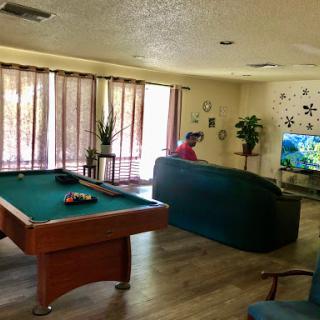
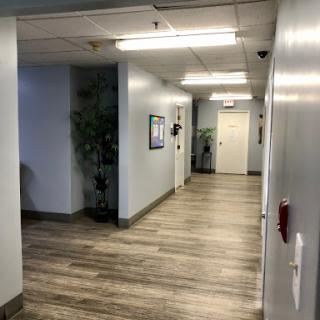
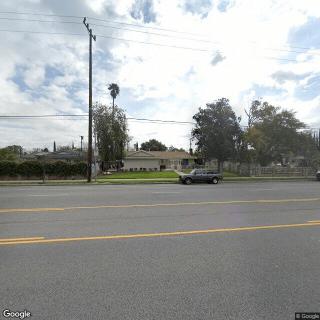
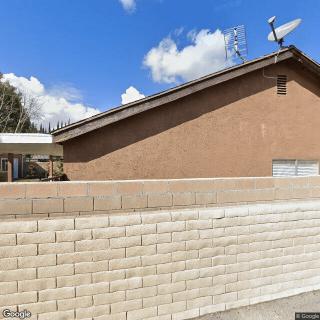
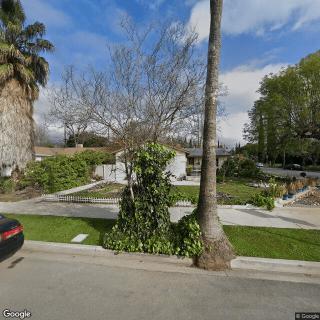
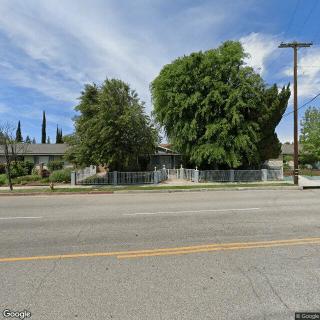
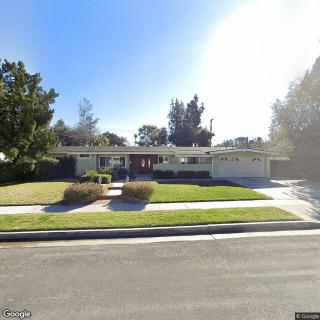
22956 Ingomar Street, Canoga Park, CA 91304
For more information about senior living options: (866) 208-4318
West Hills Care Home Costs & Pricing
West Hills Care Home offers competitive pricing for its residents when comparing monthly costs to those of Ventura County and the broader California region. For semi-private rooms, West Hills Care Home charges $3,000, which is notably lower than the county average of $3,438 and the state average of $3,333. Private rooms at West Hills are priced at $4,000, slightly under the Ventura County average of $4,082 and relatively close to the state average of $3,939. Similarly, studio apartments are available for $4,000 as well; this rate again stands favorably against both Ventura County's average of $4,021 and California's higher figure of $4,145. Overall, West Hills Care Home provides an appealing alternative for those seeking quality care without stretching their budgets too thin compared to surrounding areas.
| Floor plans | West Hills Care Home | Ventura County | California |
|---|---|---|---|
| Semi-Private | $3,000 | $3,438 | $3,333 |
| Studio | $4,000 | $4,021 | $4,145 |
| Private | $4,000 | $4,082 | $3,939 |
Memory care communities with a similar price nearby
-
from +$500 / mo
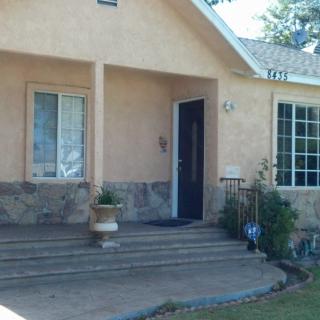
Paradise Senior Living 1
$3,500 to $4,500 / month4.2 miles away -
from -$250 / mo
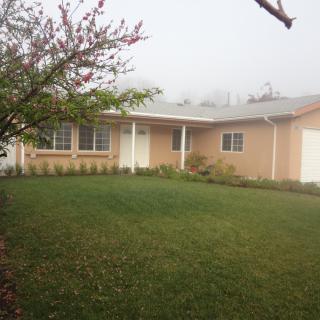
Dignity Care Home 1
$2,750 to $4,150 / month8.1 miles away -
from +$500 / mo
Hollywood Healthy Living
$3,500 to $5,000 / month16.2 miles away -
from +$500 / mo

California Senior Of Sherman Oaks
$3,500 to $4,000 / month10.5 miles away -
About the same
Navita Residence Edgemont Drive
$3,000 / month24.1 miles away
Overall Review of West Hills Care Home
Pros
 The neighborhood is nice.
- The home is sparkling clean.
- The staff has been there for a long time, which speaks well of how the home is run.
- The people are kind.
- It is an excellent choice.
- The place is very clean and neat.
- The caregivers there do an excellent job.
- They show that they are genuinely concerned for the well-being of the residents.
- The staff are wonderful and helpful.
- They keep the home clean at all times.
- They have a few simple activities like music interaction.
Cons
 Westhills has many issues.
- Trying to talk to staff by phone is basically mission impossible.
- The staff do not answer their phones, and the person they need to talk to is always unavailable.
- Messages left are often never returned.
- It is very difficult to get questions answered if no one will talk to them.
Review
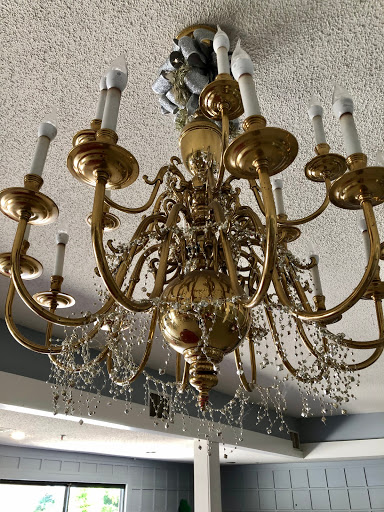
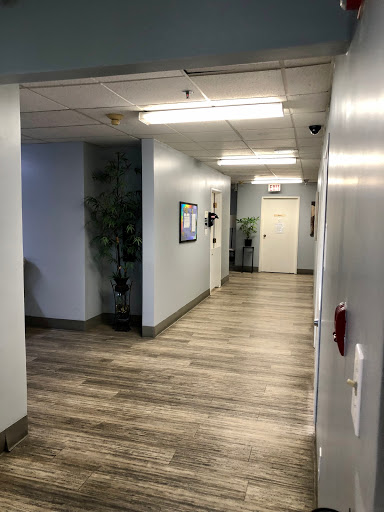
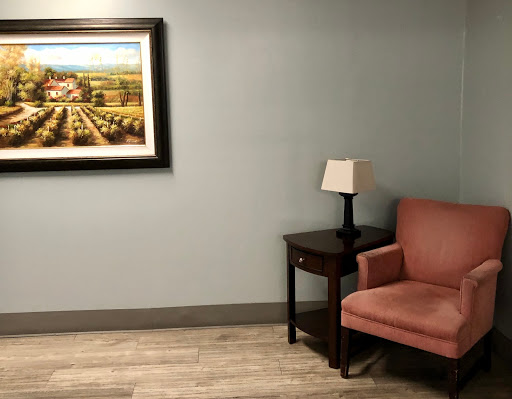
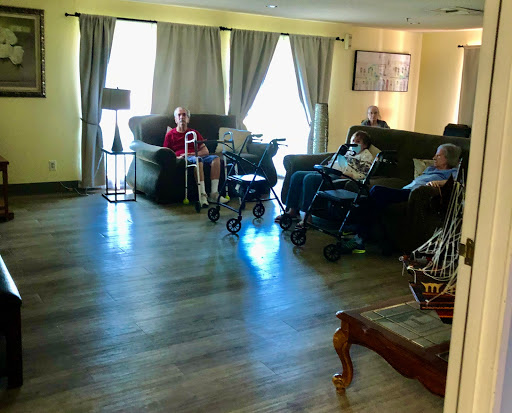
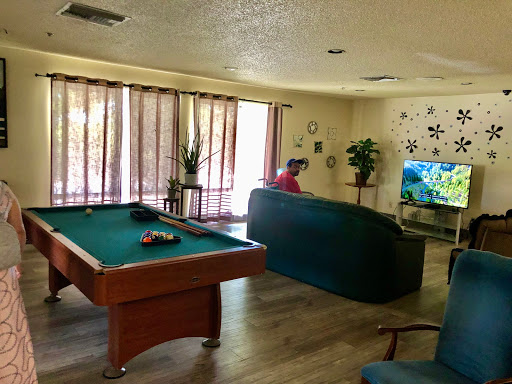
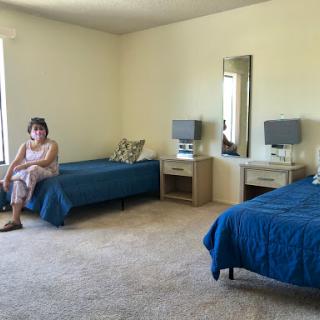
West Hills Care Home in Canoga Park is best suited for seniors who want a clean, modern, home-like setting with steady, long-tenured staff and accessible on-site nursing oversight. The new facility carries the appeal of fresh rooms and up-to-date equipment, paired with a quiet, neighborhood feel that supports familiar, low-stress living. This option works well for residents who thrive on reliable daily care delivered by caregivers who stay with the home for years, reducing the churn that unsettles some families. An RN presence adds medical reassurance, and several reviewers note a sincere, caring attitude among the staff, which matters when daily comfort and safety are the top priorities.
Those weighing alternatives should consider whether a more robust activity program and faster, multi-channel communication with administration are essential. The reviews reveal a clean, well-run space, yet phone contact with staff is repeatedly described as difficult, with unanswered calls and slow or absent callbacks. For families that need quick answers, coordinated care planning, or more dynamic social programming, other communities with stronger administrative responsiveness and broader activity calendars may be preferable. Additionally, anyone seeking extensive memory-care support or higher levels of clinical oversight beyond standard assisted living should evaluate options that offer those specialized services.
The strongest positives are tangible and consistent. A sparkling, well-maintained environment reduces daily stress and supports well-being, while long-tenured staff signals stability and familiarity with residents’ routines. The presence of a known RN, explicitly noted by at least one reviewer, provides a medical touchpoint that can simplify routine decisions and questions about health concerns. Caregivers described as genuinely concerned and cooperative contribute to a dependable caregiving baseline, and the neighborhood setting supports convenient visits from family. Taken together, these factors yield a reliable, respectful atmosphere where residents can settle in with less disruption and more predictable care.
On the downside, communication friction and a relatively modest activity slate stand out as the main drawbacks. The phone system challenge can slow issue resolution, planning, and updates, which may frustrate families that rely on timely information. Activity programming appears limited to simple offerings like music interaction, leaving some residents seeking more opportunities for social engagement, outings, or purposeful programming. A reference to waiting lists suggests admission demand may constrain availability, which can complicate transitions for families preparing to move a loved one into care.
Yet the favorable aspects can offset these drawbacks when approached with a practical plan. Cleanliness, stable staffing, and dependable caregiving create a predictable daily rhythm, while the RN’s presence adds a safety net for routine medical questions and care planning. For families who can arrange in-person meetings, designate a single point of contact, and set clear expectations about communication channels and update cadences, the operating gaps become manageable. This is particularly true for residents who value consistency, a peaceful environment, and a caregiving team that shows up with genuine commitment day after day.
The bottom line is straightforward: West Hills Care Home offers a solid option for families seeking a clean, well-run, intimate setting in Canoga Park with reliable caregivers and basic medical oversight. It is less suitable for households that demand a highly responsive administrative team, frequent, robust programming, or rapid communication flow. Prospective buyers should tour the community, request a direct contact for care coordination, review the RN schedule, and verify the activity calendar prior to move-in. If those elements align with a family’s priorities, the combination of a fresh facility, stable staff, and attentive care can deliver dependable daily support and peace of mind that’s often hard to find in busier, more expansive settings.
 6 resident community capacity
 Assisted Living
 Board and Care Home
 Memory Care
 Cats allowed
 Dogs allowed
 Activities off-site
 Cable or satellite TV
 Devotional services off-site
 Dining room
 Fully furnished
 Garden
 Housekeeping services
 Indoor common areas
 Move-in coordination
 Outdoor common areas
 Private
 Private bathrooms
 Respite or short term stays offered
 Telephone
 Wheelchair accessible showers
 Wi-Fi/high-speed internet available
 Burbank-Glendale-Pasadena (15 miles away)
 24-hour supervision
 Ambulatory care
 Assistance with bathing
 Assistance with dressing
 Assistance with transfers
 Diabetes diet
 High acuity care
 Incontinence care
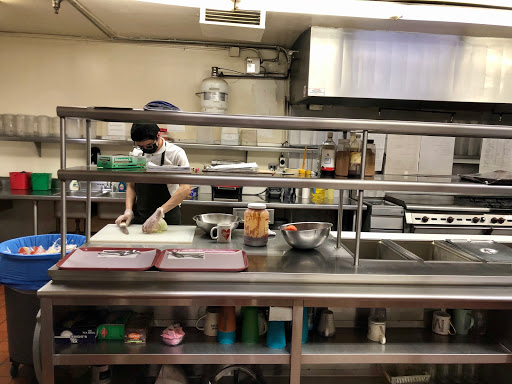
 Meal preparation and service
 Medication management
 Special dietary restrictions
 Transportation arrangement (medical)
 Transportation to doctors appointments
 A Thorough Discussion of Medications Potentially Linked to Dementia Risk
 Why Do Dementia Patients Sleep So Much? Understanding Oversleeping, Stages, and Care Approaches
 8 Key Indicators That Suggest It May Be Time to Transition from Assisted Living to Skilled Nursing Care