
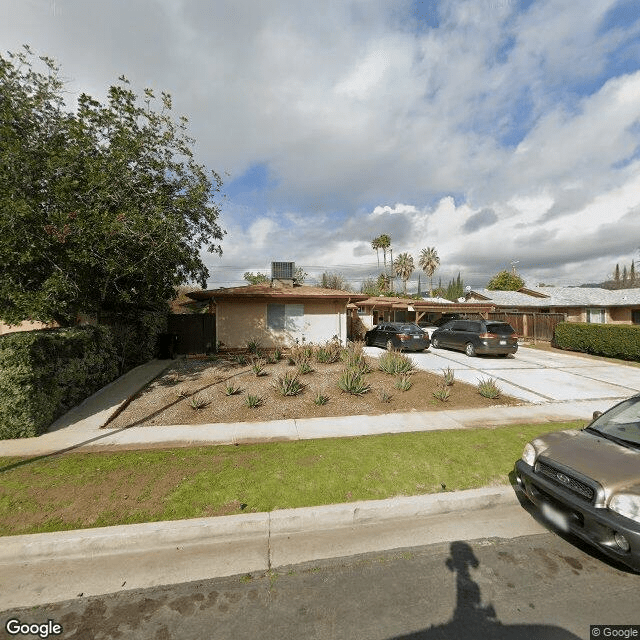
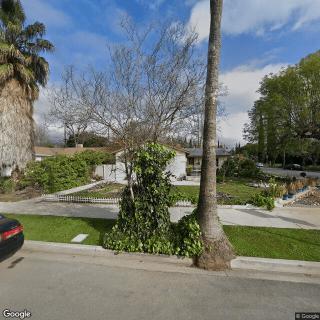
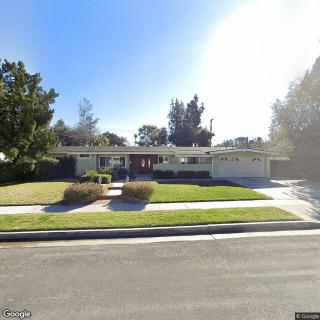
7917 Sedan Ave, Canoga Park, CA 91304
To contact a resident: (818) 884-4056
For more information about senior living options: (866) 208-4318
Overall Review of Divine Mercy Rsdntl Care Home
Pros
 The dad is very happy with the caregivers and truly feels at home at Divine Mercy Care Home II.
- The caregivers provide excellent, attentive care for him.
- The owners have nursing backgrounds and are incredibly conscientious and caring toward residents and staff.
- They prioritize current residents when evaluating prospective new residents, creating a thoughtful community.
- They strive to maintain a happy and peaceful environment for everyone.
- The mom has been with Divine Mercy for over four years, is happy, and receives the best care.
Review
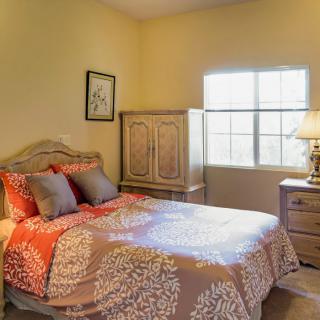
Divine Mercy Residential Care Home in Canoga Park is best suited for families seeking a small, home-like environment where care feels personal, consistent, and closely supervised by leaders with clinical backgrounds. The two reviews portray a setting led by owners with registered-nurse experience who actively shape a peaceful atmosphere and a careful admissions approach. This is the place for residents who value intimate daily interactions, steady caregiver attention, and a sense that the community is curated to keep current residents’ well-being at the forefront. The tone across comments is one of gratitude for reliable, compassionate hands-on leadership that prioritizes dignity and a comforting routine.
Those weighing alternatives should consider options that offer broader medical oversight, larger staff pools, or more expansive programming. If a family’s priority is intensive skilled nursing coverage around the clock, a sizable facility with formal medical teams and a wider array of on-site amenities may outperform a smaller home in sheer scale. For seniors whose needs may evolve into more complex care requirements, or whose families expect a more bustling activity calendar and more structured governance, other choices could provide a better fit. Divine Mercy’s strength is not every service category; it excels at sustaining a tranquil, caregiver-centered environment where relationships matter.
The strongest pros here, owners with nursing backgrounds, conscientious oversight, and a deliberate, resident-centered screening process, translate into meaningful advantages. Caregivers appear to deliver high-quality, attentive support, and the staff’s familiarity with residents fosters quick, compassionate responses. The ownership approach, described as deeply mindful of keeping the current residents content when evaluating newcomers, helps sustain a cohesive, harmonious community. Family members repeatedly acknowledge not only the care itself but the peace of mind that comes from knowing the care team is personally invested in residents’ comfort and safety. The linkage to external placement resources, exemplified by Tim Kounter’s involvement in introductions and follow-up, adds a practical layer of assurance, signaling a networked, guided transition for families.
Those advantages, however, must be weighed against what the setting may not be able to offer. The intimate scale and personal leadership model can imply limited capacity for rapid escalation or broad medical programming should a resident’s needs intensify. The reviews reveal no major downsides, but the natural implication is a smaller, less resource-dense environment relative to larger assisted living communities. Families should verify whether the current staffing levels, night coverage, and access to specialized therapies align with an anticipated trajectory of care. The potential mismatch between a serene, small-community vibe and future medical demands is the primary consideration to keep in view when comparing Divine Mercy to bigger options.
For families actively exploring options, a practical next step is to test alignment with this community’s core strengths and potential gaps. Ask about the specific qualifications of the leadership team on nights and weekends, and request a transparent overview of the resident-to-staff ratio across shifts. Inquire about memory-care support and how cognitive or behavior-related needs are managed within the home’s framework. Observe how staff interact with residents during a visit, note how care plans are communicated to families, and review how and when updates are provided about changes in health or daily routine. The two positive client testimonials reinforce that when Divine Mercy fits, it fits deeply: continuity of care, meaningful relationships, and a home-like rhythm.
In sum, Divine Mercy Residential Care Home represents a compelling choice for families prioritizing intimate, compassionate supervision and a peaceful, homelike daily life. It promises stability, clinical know-how at the top leadership level, and a culture that treats residents as part of a close-knit family. Such a setting is ideal for seniors who do not require a large-scale operation to feel secure and well cared-for, and for relatives who value accessible, person-to-person communication with a team that genuinely prioritizes a serene, respectful environment. If needs lean toward extensive medical complexity or robust, facility-wide programming, alternatives are worth a careful look. For the right resident, Divine Mercy delivers clear, enduring value.
 Board and Care Home
 Burbank-Glendale-Pasadena (16 miles away)


 Comprehensive Guide to Qualifying for Home Health Care Services
 Powerful Realities of Elder Abuse and the Most Effective Ways to Report It
 Ten Vital Duties of a Senior Caregiver: A Comprehensive Guide