
510 Marissa Lane, Camarillo, CA 93010
For more information about senior living options: (866) 208-4318
Hillview Manor Costs & Pricing
At Hillview Manor, the monthly costs for accommodation reflect a commitment to quality and care tailored to individual needs. For a semi-private room, residents can expect to pay $3,700, which is slightly higher than both Ventura County's average of $3,438 and California's overall average of $3,333. In terms of private rooms, the cost at Hillview Manor stands at $5,000 per month, again surpassing the local average in Ventura County of $4,082 and California's average price of $3,939. These figures suggest that while Hillview Manor may be on the pricier end compared to its counterparts in the region and state, it likely offers distinctive services or amenities that justify this premium.
| Floor plans | Hillview Manor | Ventura County | California |
|---|---|---|---|
| Semi-Private | $3,700 | $3,438 | $3,333 |
| Private | $5,000 | $4,082 | $3,939 |
Assisted Living communities with a similar price nearby
-
from -$700 / mo
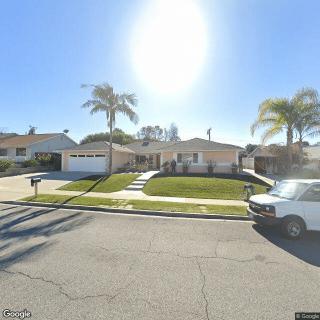
Thousand Oaks Home Care IV
$3,000 to $4,000 / month10.4 miles away -
from -$700 / mo
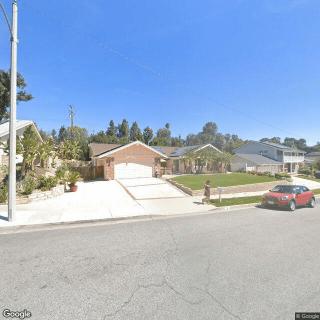
Thousand Oaks Home Care II
$3,000 to $4,000 / month10.3 miles away -
About the same
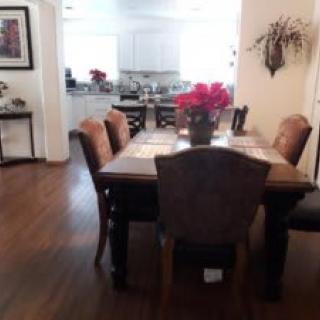
America's Care Manor
$3,800 to $4,000 / month21.1 miles away -
from +$590 / mo

An Everlasting Spring - Senior Care
$4,290 to $5,577 / month10.3 miles away -
from -$700 / mo
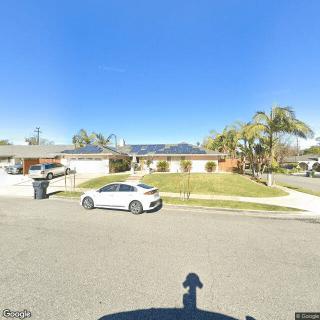
Thousand Oaks Home Care VI
$3,000 to $4,000 / month10.6 miles away
Overall Review of Hillview Manor
Pros
 They treated their loved one with dignity, respect, and around-the-clock attention.
- They allowed unlimited visiting, and families never felt like a burden to the staff.
- The caregivers provided compassionate, attentive care and genuinely cared about the patient.
- The facility was clean, quiet, and located in a pleasant neighborhood.
- The owner/management communicated quickly and effectively when needs arose.
- The caregivers listened to family requests and followed medical orders to support the patient.
- Families felt comfort knowing their loved ones were in good hands.
- The staff were trustworthy, professional, and dedicated to patient care.
- They accommodated special dietary requests and ensured patients could have preferred foods.
Cons
 The staff were not able to provide the services that were promised.
- Prescribed medicine was not administered.
- The cat cared for by the facility was not regularly provided with fresh food despite payment.
- The interview process promised more than could be delivered, wasting time and money and causing stress.
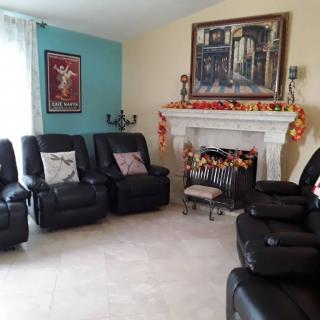
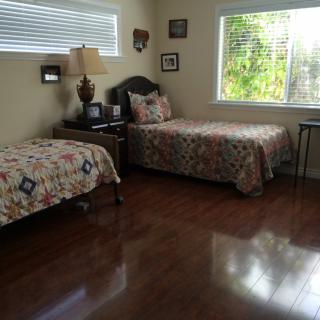
- The room was small and there was little interaction with others; it felt like a jail cell.
- The food was awful.
- The reviewer would not recommend the place, even if it were free.
- The outside was overgrown and not really cleaned up.
Review
Hillview Manor in Camarillo is best suited for families seeking a small, home-like setting where caregivers develop genuine relationships with residents and family involvement is a valued, ongoing part of care. This option serves well those who want intimacy, personalized attention, and a facility atmosphere that feels less institutional and more like a lived-in home. It’s particularly appealing to families who trust a hands-on approach from a dedicated staff and who are comfortable stepping in to partner with caregivers on daily routines, meals, and comfort needs.
But there are clear reasons some families will want to consider alternatives. For residents who require consistent, around-the-clock medical oversight, precise medication administration, or highly structured programming, a larger, more medically oriented facility may be a safer fit. If accessibility to highly specialized services, predictable scheduling, or a more expansive activity calendar is non-negotiable, Hillview Manor could feel limiting. Budget considerations also matter: affordability matters to families with tighter financial margins, and institutions with transparent, upfront cost structures may be preferable when surprises are unwelcome.
From the most meaningful strengths, Hillview Manor-like settings demonstrate remarkable caregiver dedication, attentiveness, and respect in daily interactions. When caregivers listen, honor Dr. orders, and partner with families, residents experience a steady sense of dignity and security. The ability to tailor meals, accommodate dietary preferences, and respond quickly to requests creates a trustworthy atmosphere. Cleanliness, a quiet neighborhood context, and open channels of communication with the owner or administrator further reinforce confidence that a resident’s comfort and safety are prioritized. These strengths offset occasional staffing gaps because the core relationship between resident and caregiver remains stable and meaningful.
Yet the strongest pros are often tested by the main cons that can arise in intimate homes. Inconsistent staffing, turnover, or gaps in coverage can disrupt continuity of care, especially during evenings and weekends. When promises about services or timely medication administration don’t hold up, family confidence can erode and the resident’s well-being may suffer. Food quality, while frequently adequate and adaptable to personal tastes, can vary by house and shift, leaving some meals feeling routine rather than thoughtfully crafted. Small, shared rooms and limited activity options can also feel confining for some residents, particularly those with higher mobility or social needs. These are not universal flaws, but they are the real-life trade-offs that come with intimate, home-like care environments.
The way forward for families evaluating Hillview Manor should be practical and proactive. Prepare a concrete set of questions about staffing and operations: what is the typical caregiver-to-resident ratio, how stable is the caregiving team, and who provides oversight for medical orders and medications? Ask how medication routines are managed and who documents and double-checks every administered dose. Inquire about meal planning and flexibility, can specialized diets be consistently honored, and how are special requests handled? Explore visitation policies, house rules, and how family involvement is integrated into daily care planning. Finally, demand transparent cost information, what is included, what could incur additional charges, and how guarantees or refunds are handled if expectations aren’t met.
Ultimately, Hillview Manor-like communities are most compelling for families who prize personal, relationship-driven care delivered with heart and flexibility. For those who cannot compromise on medical oversight, guaranteed medication administration, or robust, calendar-driven activity programming, alternatives, such as larger facilities with more formal medical staffing, may be a better match. Decisions should hinge on balance: the comfort of a trusted, intimate caregiver team versus the reassurance of broader medical resources and more predictable programming. In the end, the right fit aligns resident needs, family expectations, and the facility’s practical capabilities into a coherent, sustainable plan for daily life.
 6 resident community capacity
 Assisted Living
 Board and Care Home
 Activities off-site
 Bath tubs
 Cable or satellite TV
 Devotional services off-site
 Dining room
 Fully furnished
 Garden
 Housekeeping services
 Indoor common areas
 Move-in coordination
 Outdoor common areas
 Private
 Respite or short term stays offered
 Telephone
 Wheelchair accessible showers
 Wi-Fi/high-speed internet available
 Oxnard (10 miles away)
 24-hour supervision
 Assistance with bathing
 Assistance with dressing
 Assistance with transfers
 Diabetes diet
 Diabetic care
 Incontinence care
 Meal preparation and service
 Medication management
 Special dietary restrictions
 Transportation arrangement (medical)
 Transportation to doctors appointments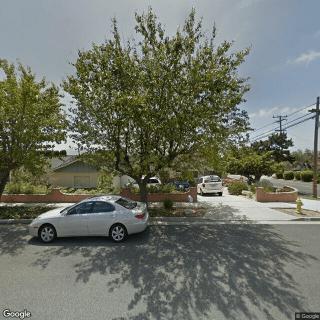

 Assisted Living Expenses and Long-Term Care Insurance: A Comprehensive Exploration
 Securing Financial Support for Assisted Living: A Comprehensive Overview
 Social Security Benefits and Assisted Living: Navigating Options Across the U.S.