
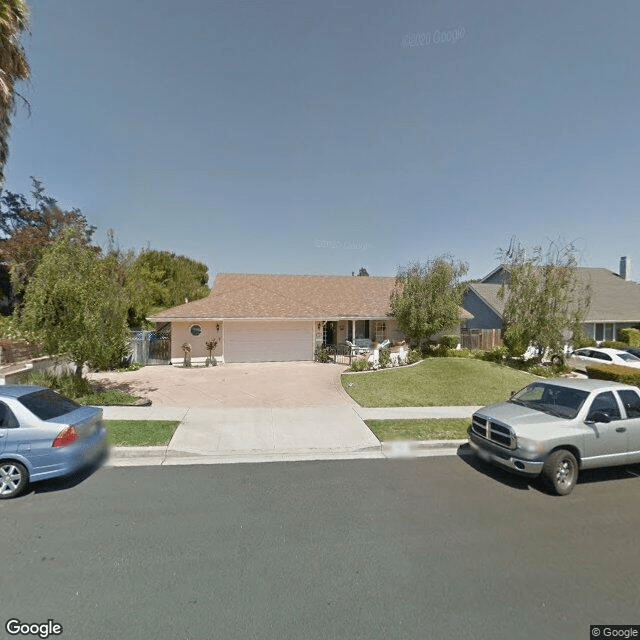
1982 Lathan Ave, Camarillo, CA 93010
To contact a resident: (805) 482-1599
For more information about senior living options: (866) 208-4318
Rose House Costs & Pricing
At Rose House, the monthly costs for various room types reflect a premium compared to both Ventura County and the broader California averages. For a semi-private room, residents can expect to pay $4,900, which is significantly higher than the county's rate of $3,438 and the state average of $3,333. The private rooms at Rose House are priced at $5,880, outpacing Ventura County's cost of $4,082 and California's average of $3,939. Lastly, those choosing a studio configuration will incur a monthly fee of $6,370 - again above both local and state benchmarks where costs stand at $4,021 in Ventura County and $4,145 across California. These figures suggest that while Rose House may be positioned as a more upscale option in terms of pricing, it likely offers unique amenities or services that contribute to its higher rates.
| Floor plans | Rose House | Ventura County | California |
|---|---|---|---|
| Semi-Private | $4,900 | $3,438 | $3,333 |
| Private | $5,880 | $4,082 | $3,939 |
| Studio | $6,370 | $4,021 | $4,145 |
Senior living communities with a similar price nearby
-
from -$235 / mo

Tender Home Care, Inc. - Camarillo
$4,665 / month1.3 miles away -
from -$900 / mo
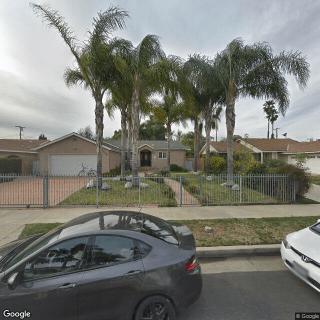
Land of Peace 6
$4,000 to $5,500 / month24.8 miles away -
from -$610 / mo

An Everlasting Spring - Senior Care
$4,290 to $5,577 / month10.2 miles away -
from -$400 / mo

Royal Oaks Inn
$4,500 / month12.1 miles away -
from -$400 / mo

Cottage Inn
$4,500 / month9.9 miles away
Overall Review of Rose House
Pros
 The staff treated their brother with dignity, respect, and around-the-clock attention.
- They were allowed to visit him all day, any day, and never felt they were a burden to the staff.
- The caregivers genuinely cared for him and looked after him.
- The home was very clean, in a quiet, beautiful neighborhood, and the owner was quick to communicate when needs arose.
- The caregivers listened to family requests and followed doctor's orders to help him.
- The family would recommend the facility to others.
Cons
 The stay was brief because the promised services were not delivered.
- Prescribed medication was not administered.
- The paid-for cat care was not provided with fresh food regularly.
- The staff were unable to check in on the resident as often as required.
- The interview process promised more than could be delivered.
- The food was awful and cheap.
- The facility had only a few residents with little interaction, making it feel like a jail cell.
- The staff were not warm and friendly.
Review
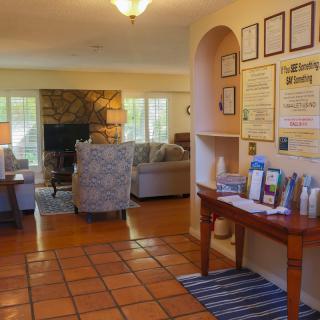
Rose House in Camarillo is best suited for families seeking a small, home-like setting where caregiving is deeply personal and family involvement is welcomed and actionable. This community works best for residents who value steady, around-the-clock attention from caregivers who treat residents with dignity and who are willing to collaborate closely with relatives. It is well-matched for those prioritizing a quiet, clean neighborhood atmosphere and a high degree of accessibility to staff and management. Prospective families should not assume a large, hospital-like operation; this option emphasizes relationship-based care, which can be a decisive advantage for someone who wants to be deeply connected to the daily routine and cares.
Alternatives should be considered by families who require highly regimented medical oversight, guaranteed medication administration, or a consistently uniform level of service across all shifts. Several reviews highlight mismatches between promises and delivery, including instances where medications were not administered or staff could not check in as often as needed. For anyone who needs aggressive or specialized medical management, or who would be uncomfortable with the variability that can accompany smaller home-care settings, it makes sense to widen the search to facilities with more standardized protocols, larger staff pools, and more predictable clinical oversight.
The strongest positives center on compassionate, attentive caregiving and genuine caregiver-resident connections. Reviews repeatedly emphasize staff members who invested time and patience, followed physician orders, and treated family input as essential. The ability to visit at any time, the comfort of a clean, quiet home-like environment, and the perception that staff truly cared for loved ones over extended periods all weigh heavily in favor of this model. In at least one long-term placement, the caregivers formed a meaningful bond with a resident and demonstrated a deep willingness to respond to changing needs, which can translate into meaningful peace of mind for families during difficult seasons.
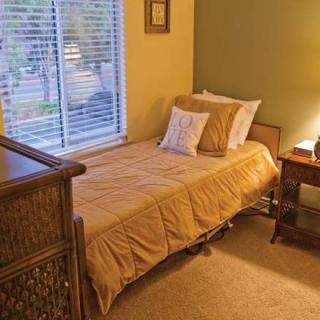
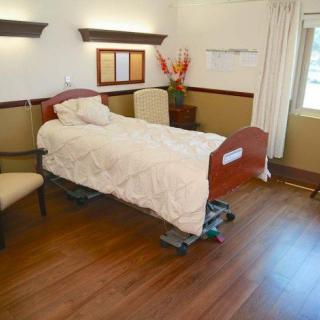
On the flip side, the main drawbacks are real and not easily dismissed. Several accounts describe gaps between what was promised and what was delivered, including inconsistent monitoring, limited staff interaction with residents, and situations where basic needs, such as timely meals or fresh food for a pet, were not reliably met. Food quality is variably reported, ranging from acceptable to “eh,” with some families preferring to supplement meals themselves. Room size and the overall sense of social activity can also vary, with some residents feeling more isolated or less engaged than expected, especially when staff turnover or shifts limit continuity of care. These factors can erode confidence if medical needs escalate or social stimulation is essential.
Still, the core pros can offset the cons for the right family. When caregiving relationships are strong, and when staff are responsive to requests and family input, the intimate, home-based model can deliver a level of comfort and trust that larger communities struggle to match. The affordability noted in some reviews is another meaningful lever, particularly for families weighing value against a broader constellation of services. The ability to customize meals and to bring in preferred foods without friction can also alleviate dietary dissatisfaction and improve daily satisfaction. In short, for families who prioritize relational care, flexibility, and a calm, clean environment, the upsides can be compelling despite some inconsistent experiences elsewhere in the same model.
For a disciplined, informed decision, approach is crucial. Begin with direct visits and candid conversations with the caregiving teams, focusing on who will be assigned to the resident, how medication and doctor orders are actually executed, and what the escalation process looks like when needs change. Probe the facility’s exact food program, room arrangements, and daily activities to gauge whether the social environment will meet the resident’s preferences. Request current references, ask about staff turnover, and verify what happens when issues arise, who resolves them, how quickly, and with what transparency. If these checks align with a family’s expectations for hands-on, compassionate care, Rose House can be an excellent match; if they reveal recurring gaps, expanding the search to more regulated or larger-scale options is prudent.
 Board and Care Home
 Oxnard (9 miles away)


 6 Crucial Ways an Elder Law Attorney Assists Families
 Navigating the Tax Landscape of Caregiving: Credits, Deductions, and Beyond
 Highly Beneficial Low-Impact Exercises for Senior Living Residents