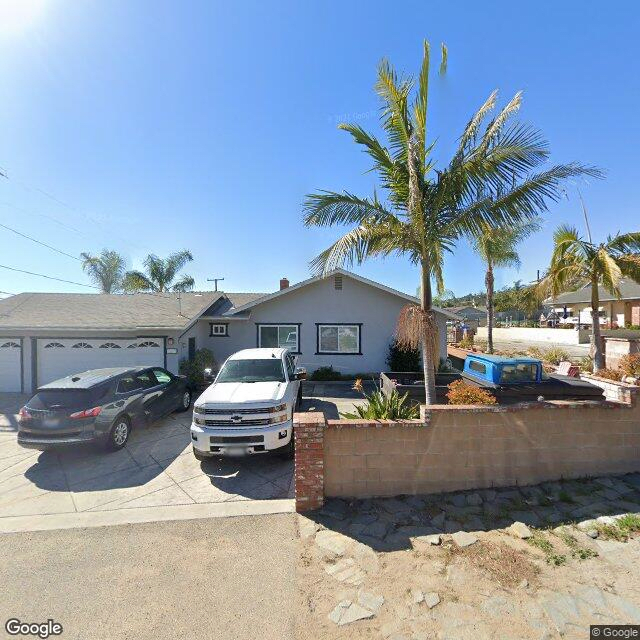
611 E Loop Dr., Camarillo, CA 93010
To contact a resident: (805) 987-7898
For more information about senior living options: (866) 208-4318
Serenity Heights Costs & Pricing
Serenity Heights offers competitive pricing for its accommodations, with costs that reflect the quality of care and living experience provided. For a semi-private room, Serenity Heights charges $3,600 per month, slightly above the average for Ventura County at $3,438 and more than the statewide average of $3,333. In terms of private rooms, Serenity Heights prices its offerings at $5,500 monthly, which is notably higher than both Ventura County's average of $4,082 and California's overall average of $3,939. While Serenity Heights may be on the higher end of the spectrum in both categories, the investment reflects a commitment to enhanced services and an environment conducive to well-being.
| Floor plans | Serenity Heights | Ventura County | California |
|---|---|---|---|
| Semi-Private | $3,600 | $3,438 | $3,333 |
| Private | $5,500 | $4,082 | $3,939 |
Senior living communities with a similar price nearby
-
from -$600 / mo
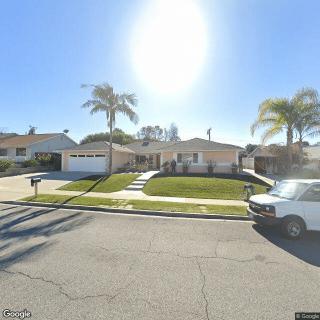
Thousand Oaks Home Care IV
$3,000 to $4,000 / month9.5 miles away -
from -$400 / mo
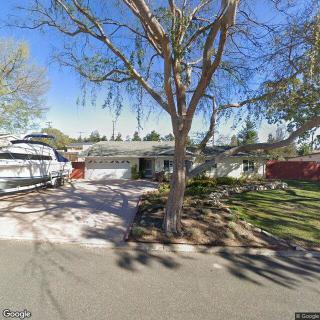
Four Seasons Board & Care Home, Inc.
$3,200 / month10.1 miles away -
from -$600 / mo
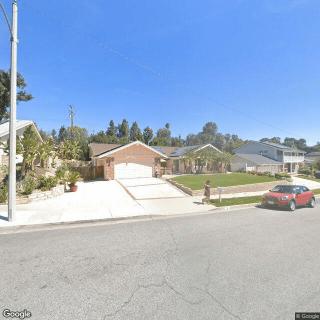
Thousand Oaks Home Care II
$3,000 to $4,000 / month9.4 miles away -
from +$200 / mo
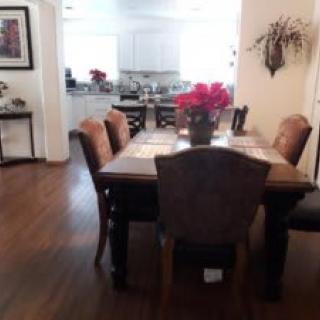
America's Care Manor
$3,800 to $4,000 / month20.2 miles away -
from +$400 / mo
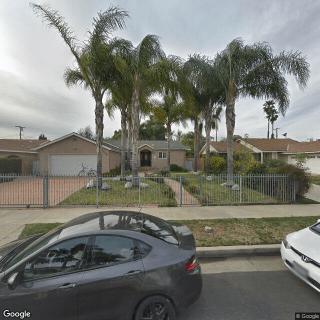
Land of Peace 6
$4,000 to $5,500 / month23.8 miles away
Overall Review of Serenity Heights
Pros
 The staff at Serenity Heights provides excellent care.
- The home is extremely clean and well organized.
- The atmosphere is a loving, cozy home.
- The meals are homemade and tailored to meet the needs of each individual.
- Elizabeth and Yolanda are readily available to accompany clients to doctor’s appointments.
- They have extensive experience with dementia patients and ensure caregivers are well trained.
- The residents come first and independence is the goal.
- Residents are not rushed and are given more time to dress when needed.
- There are opportunities for residents to feel they are contributing adults.
- The owners and staff are absolutely wonderful.
Cons
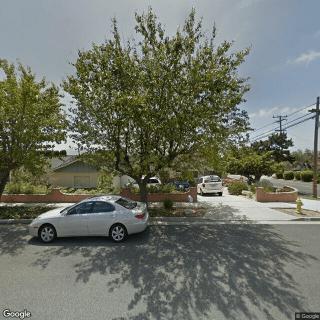
 The house was located down a rough road (almost like an alley), and they didn’t like the looks of it.
- The staff could barely speak English.
Review
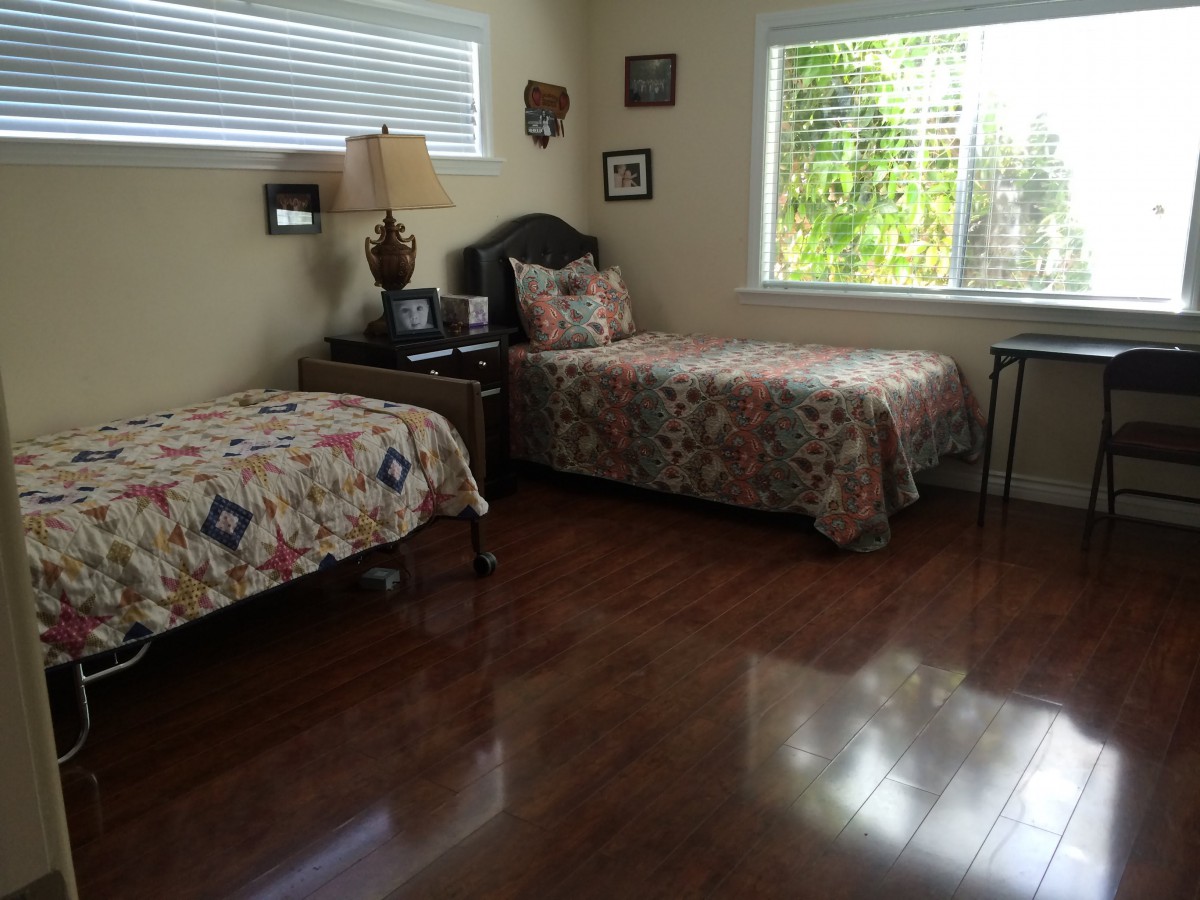
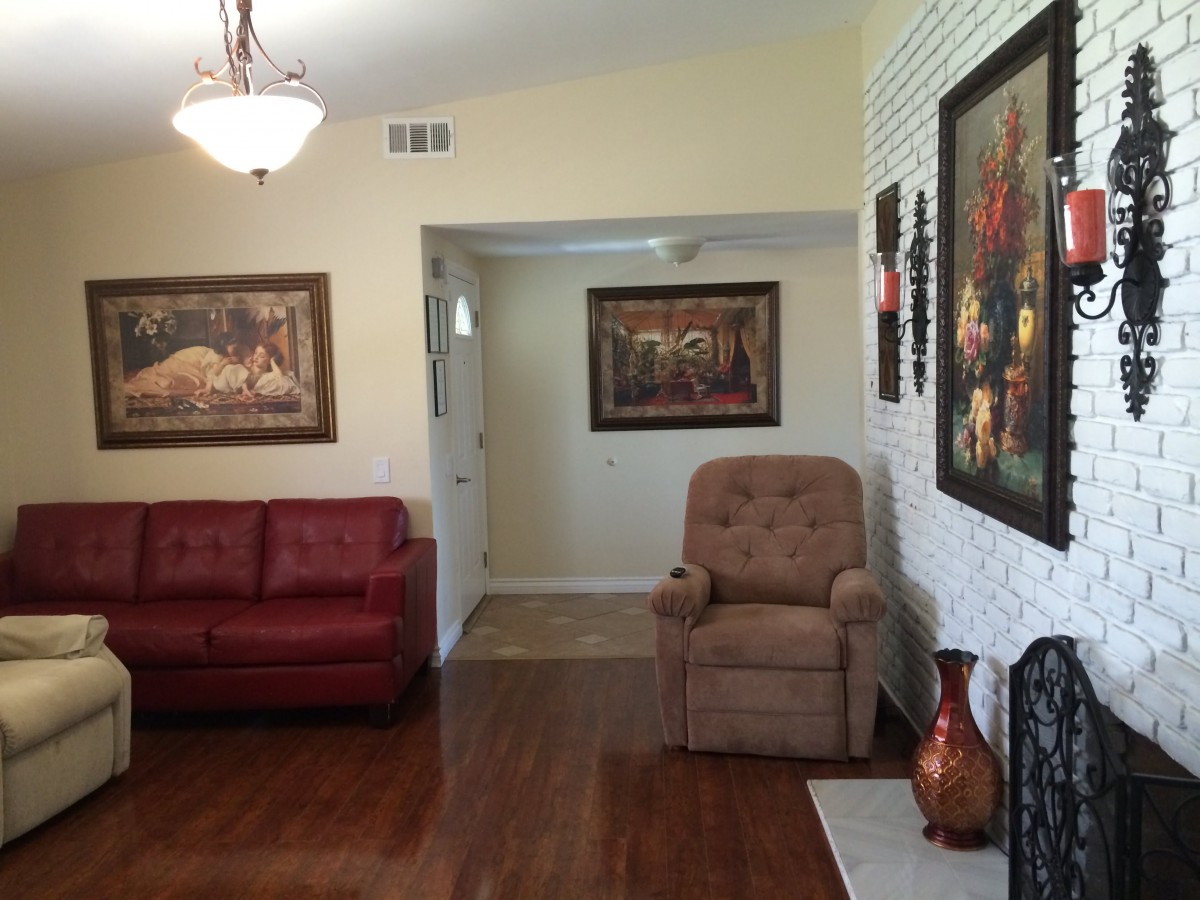
Serenity Heights in Camarillo is best suited for families seeking a small, home-like environment where independence is respected and dementia-focused care is the core of daily life. The community shines as a clean, cozy residence that treats residents like family. The meals feel homemade and individualized, and staff leadership, especially Elizabeth and Yolanda, demonstrates a real commitment to coordinating care with doctors and families. The overarching ethos centers on letting residents contribute, not rush them, and maintaining a tranquil pace that honors dignity. For families who value a quiet, intimate setting over a clinical or high-traffic facility, Serenity Heights offers a compelling match.
Those weighing alternatives should consider that not every review aligns with this warmth. Some observers express concern about curb appeal and exterior impressions, noting the home sits down a rough road and may not look like a medical-equipped facility from the street. A separate caveat concerns language, with remarks that front-line staff could barely speak English. For families where the appearance of the building or the ability to communicate effortlessly with staff is non-negotiable, these points could be deal-breakers. In short, Serenity Heights delivers intimacy and personalized attention, but it may not meet every expectation around location aesthetics or on-site language fluency.
The strongest advantages, spotless cleanliness, a truly homey atmosphere, and care that centers on the individual, directly address the most common risks of care at home or in larger communities. Cleanliness and organized routines reduce infection risk and confusion for residents with dementia, while the home environment lowers stress and fosters familiarity. Home-cooked meals and tailored nutrition support speak to ongoing health and comfort, reinforcing overall well-being. The staff’s willingness to accompany residents to medical appointments and to train caregivers signals a well-coordinated approach that reduces family burden. The message is clear: when a resident’s needs are identified, the team responds with patience, time, and a family-first mindset.
However, the cons should not be dismissed. The exterior impression and road access matter to families that may drive by daily or rely on a smoother commute, particularly for visiting hours or emergency entries. Language gaps, if present in routine staff interactions, can complicate real-time care decisions and family communication, even if leadership mitigates this by coordinating with doctors and relatives. The 3.7 rating across six reviews hints at uneven experiences, suggesting that while many families feel deeply reassured by the warmth and care, others encounter friction points around communication or first impressions. Prospective residents should weigh whether a homelike setting with a strong dementia focus outweighs the possibility of less polished exterior and quieter staff conversations.
Decision-making should include concrete questions and a trial-oriented approach. Visitors should inspect cleanliness on multiple surfaces, observe meal preparation, and note whether residents appear engaged without being rushed. Inquire about staff-to-resident ratios, shift coverage, and how independence is fostered on a daily basis. Ask specifically about English-language proficiency across front-line staff and how language barriers are managed in medical discussions and care planning. Request opportunities to speak with current families about how care plans are developed with physicians and how the team handles emergencies. If these elements line up with family expectations, Serenity Heights becomes a strong fit; if not, more polished exteriors and more uniform language support may point to alternative communities.
The bottom line is practical and decisive: Serenity Heights delivers a warm, exceptionally clean, home-centered care model with genuine dementia expertise and a clear emphasis on resident dignity and independence. It remains an excellent choice for families who prize intimacy, personalized attention, and a strong sense of belonging, traits that turn a house into a real home for a loved one. For those whose priorities include a more outwardly polished facility, easier nonlocal access, or consistently fluent English-speaking staff on every shift, alternatives deserve careful comparison. A thorough, firsthand visit, preferably at different times of day, will reveal whether this intimate environment aligns with the loved one’s care needs and family expectations.
 Board and Care Home
 Activities off-site
 Air-conditioning
 Bath tubs
 Cable or satellite TV
 Devotional services off-site
 Indoor common areas
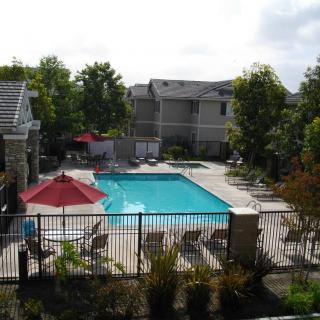
 Outdoor common areas
 Private
 Private bathrooms
 Respite or short term stays offered
 Wheelchair accessible showers
 Wi-Fi/high-speed internet available
 Oxnard (11 miles away)
 Ambulatory care
 High acuity care
 Incontinence care
 Medication management
 Kosher
 BBQs or picnics
 Birthday parties
 Day trips and outings
 Karaoke
 Live musical performances


 Powerful Realities of Elder Abuse and the Most Effective Ways to Report It
 Ten Vital Duties of a Senior Caregiver: A Comprehensive Guide
 9 Stimulating Memory Activities for Seniors: Puzzles, Cards, and Much More