


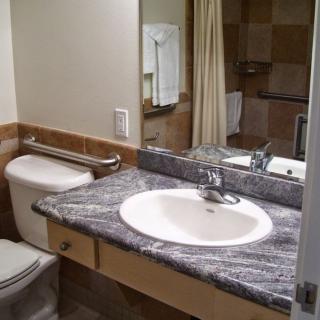
369 E. Pine Street, Bishop, CA 93514
To contact a resident: (760) 873-3100
For more information about senior living options: (866) 208-4318
Sterling Heights Assisted Living Costs & Pricing
Sterling Heights Assisted Living offers competitive pricing for its services, particularly when compared to the broader market in Mono County and California as a whole. For a studio apartment, residents can expect to pay $2,600 per month, which aligns directly with the average cost in Mono County but represents a significant savings compared to the California state average of $4,145. Similarly, the one-bedroom option at Sterling Heights is priced at $3,750 - again matching Mono County's rate while providing a noteworthy discount compared to the statewide average of $4,340. This makes Sterling Heights an attractive choice for individuals seeking assisted living solutions that provide both quality care and financial accessibility within the regional context.
| Floor plans | Sterling Heights Assisted Living | Mono County | California |
|---|---|---|---|
| Studio | $2,600 | $2,600 | $4,145 |
| 1 Bedroom | $3,750 | $3,750 | $4,340 |
Overall Review of Sterling Heights Assisted Living
Pros
 The staff at Sterling Heights go out of their way to assist residents daily.
- The staff are caring and hardworking.
- The facility offers many activities that residents enjoy.
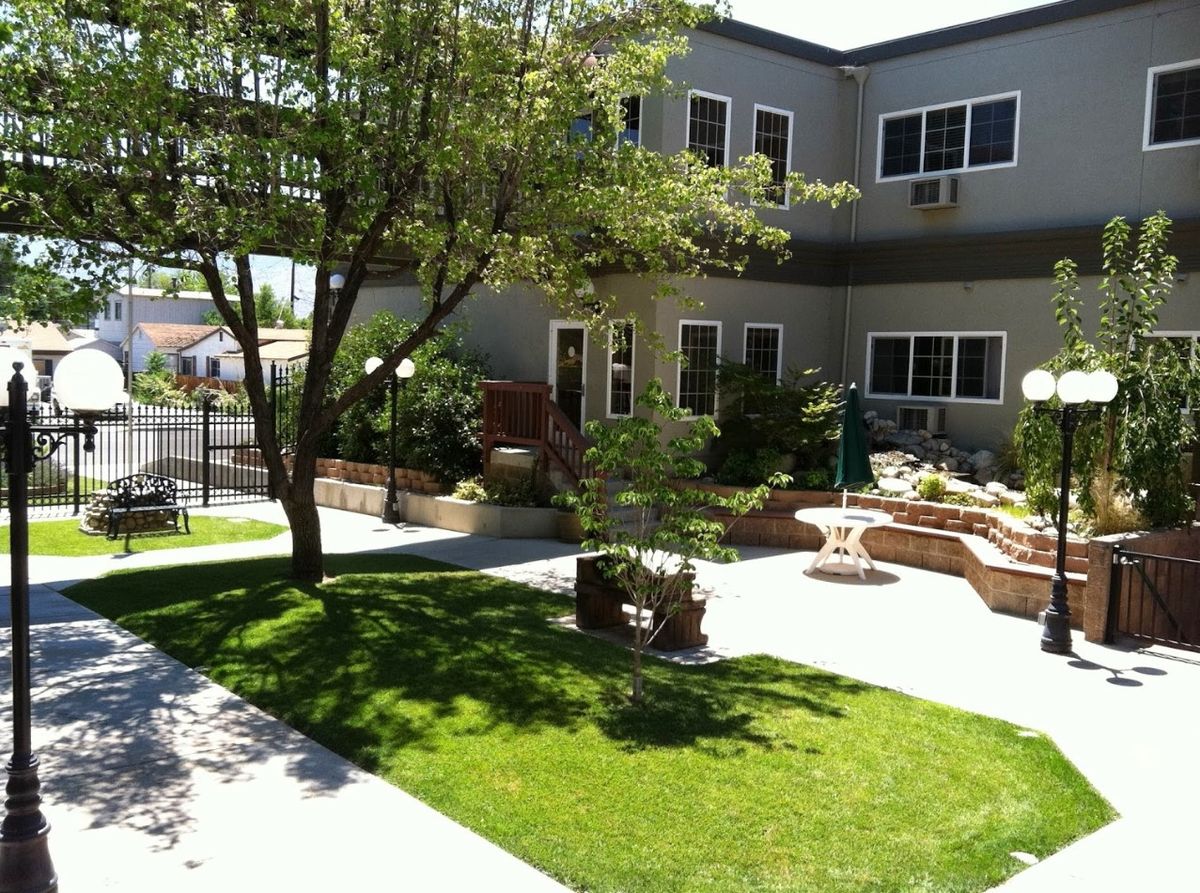
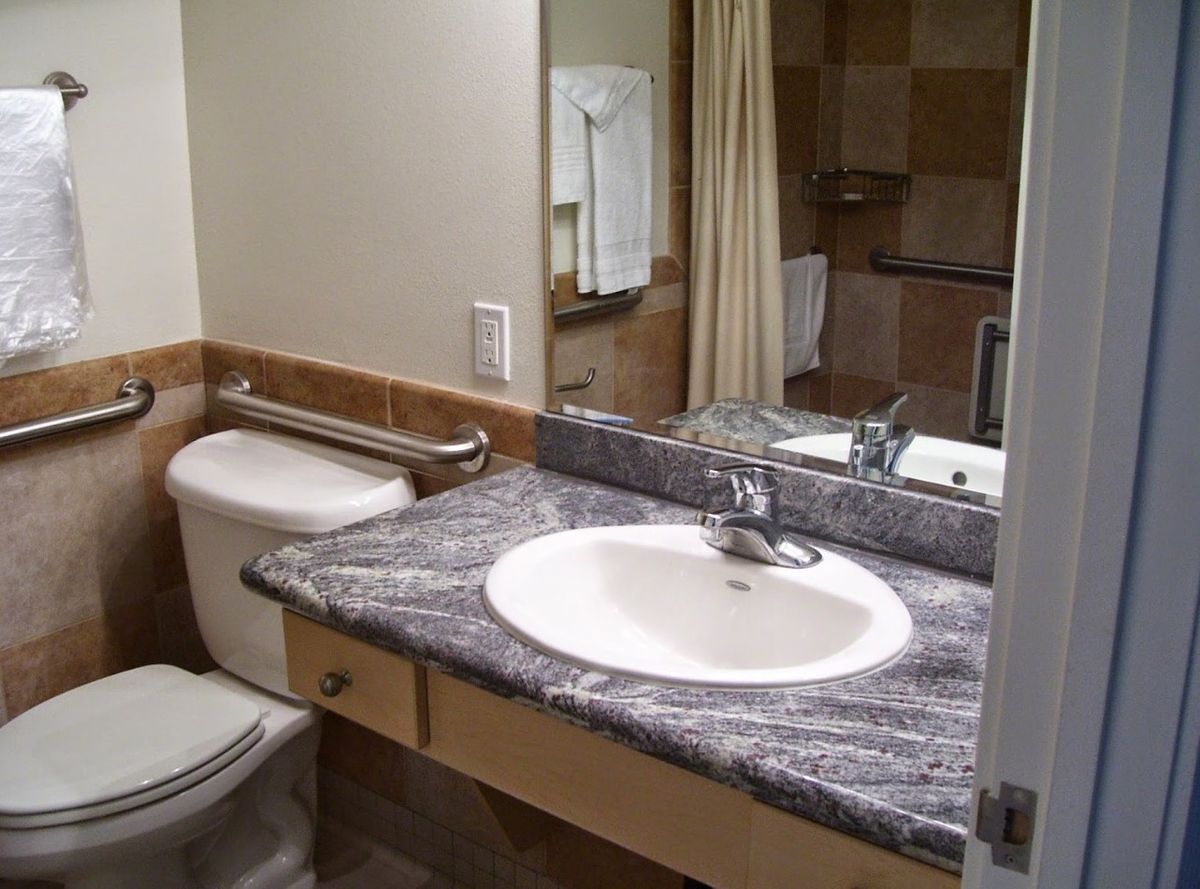
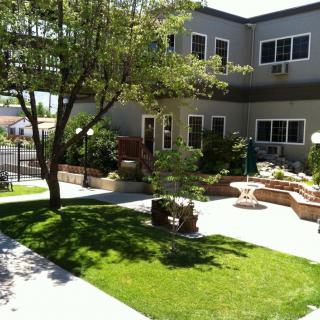
- The facility has a beautiful park in its backyard.
- Sterling Heights and its staff are top notch.
- The staff are helpful and very patient.
- Sterling Heights is a wonderful place for seniors to live, with great dining and safety.
- The staff put their hearts into everyday life for residents.
Cons
 They discriminate by race and gender and serve the elderly rotten food, and the facility apparently needs an entirely new management.
- Alexis and her sidekick were described as envious and possibly the worst humans ever, with management aware of vindictive behavior among staff and doing nothing about it.
- They were not trained well at all, yet they were expected to have all the answers during emergencies.
- There is no compassion for anyone there, and for many workers it seems to be just a job.
- A friend of a resident felt there was no compassion after the mother passed away, implying the staff are largely indifferent.
Review
Sterling Heights Assisted Living in Bishop, CA is best suited for families seeking a warm, activity-rich senior living option where caregivers are emotionally engaged and residents can feel a sense of home. The community tends to resonate with those who want daily support from a hands-on staff, meaningful social programming, and amenities like a pleasant back-yard park that encourages outdoor time and relaxed visits. It suits seniors who prize companionship and a home-like atmosphere, where staff members make perceptible efforts to connect, assist, and include residents in varied activities.
That strength is tempered by clear caveats raised in the reviews. Some families should consider alternatives if the top priorities include uniform, discrimination-free treatment, consistently excellent dining, and rock-solid management performance. A couple of reviews allege unacceptable bias and lapses in basic food quality, paired with concerns about leadership and staffing stability. For families with zero tolerance for workplace conflicts that ripple into resident care, or for those who require a consistently high dining standard, exploring other options may be prudent. These are serious signals that deserve careful probing before choosing.
On the positive side, the strongest recurring themes center on daily warmth and practical caregiving. Several families praised staff for going out of their way to assist loved ones, highlighting approachable, caring teams that appear to invest time in residents’ comfort and routine. The community’s activity calendar and the opportunity to participate in group events are repeatedly cited as meaningful benefits. The presence of a well-kept outdoor space and the ability to welcome visitors, such as bringing a pet to visit, enhance the sense of normalcy and belonging that many seniors crave. For respite stays, the environment can feel especially comforting, with staff willing to accommodate short-term needs and maintain continuity of care.
Yet, the cons cited cannot be dismissed. The most damaging concerns revolve around interpersonal and organizational dynamics: allegations of discriminatory treatment alongside references to dysfunction in staff relationships and management inaction. Two-star feedback specifically points to a problematic culture and a perceived lack of accountability among some staff, compounded by claims that training gaps left caregivers underprepared for emergencies. While these accounts are limited in number relative to the overall rating, they signal real risk areas that should be explored directly during a visit. Prospective residents should verify that the current leadership invests in training, implements clear policies on discrimination, and maintains channels for resident and family feedback.
To navigate these dynamics, a practical decision framework matters. Families should request a transparent summary of staffing patterns and turnover, review the latest dining menus, and observe meal service during a tour. Inquire about the facility’s discrimination policy, incident-handling procedures, and how management addresses staff conflicts when they arise. Schedule extended time with residents and caregivers to gauge consistency, and ask for recent activity calendars to confirm ongoing engagement. If long-term stability and a consistently positive dining experience are non-negotiables, use the upcoming interview as a decisive filter.
Overall, Sterling Heights offers a solid option for families prioritizing a homey, engaged atmosphere and heart-focused caregiving. The community shines when residents receive attentive daily support, partake in appealing activities, and enjoy a welcoming outdoor space. The major decision touchpoints are management reliability and dining quality, plus the handling of staff dynamics and discrimination concerns. When these elements align with family expectations, the community can be a very good fit, especially for ongoing care or short-term respite where neighbors and staff form a genuine, supportive network. If not, it is wise to explore alternatives that promise steadier governance and a dining program that consistently meets high standards.
 76 resident community capacity
 Assisted Living
 Independent Living
 Respite Care
 Activities off-site
 Air-conditioning
 Beautician on-site
 Cable or satellite TV
 Computer center
 Devotional services off-site
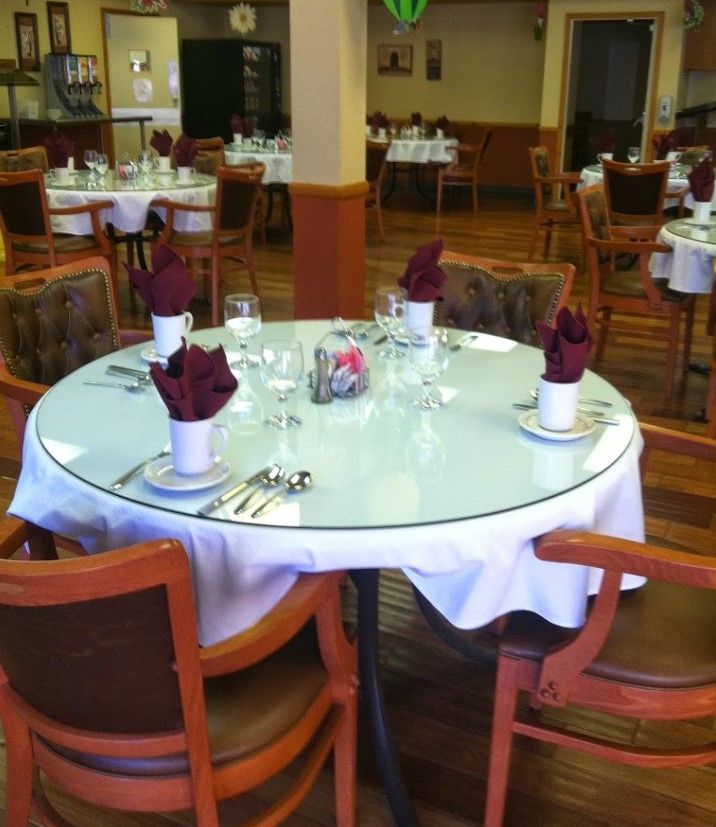
 Dining room
 Fitness room
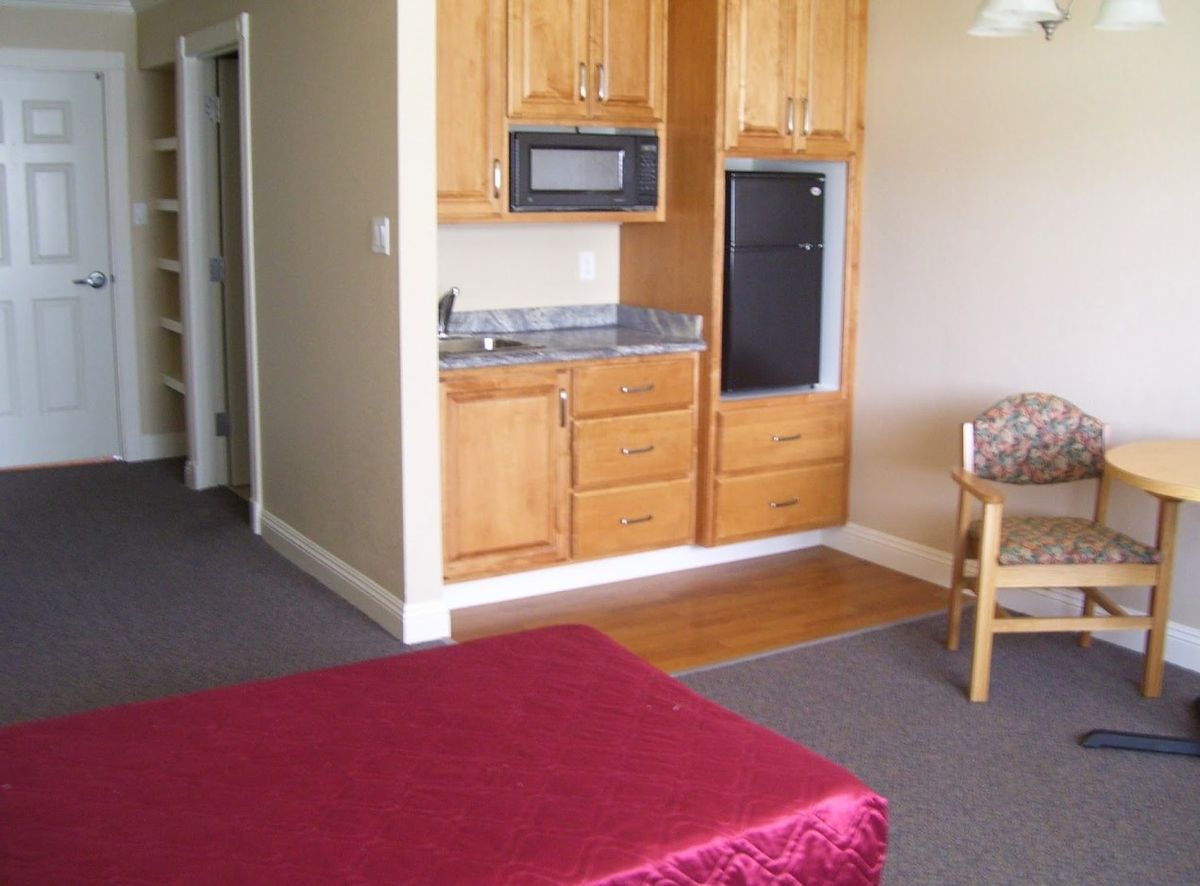
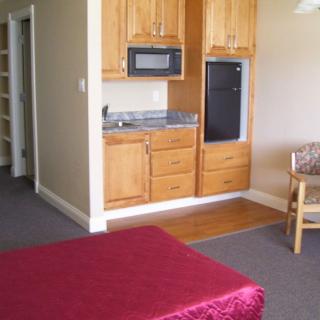
 Fully furnished
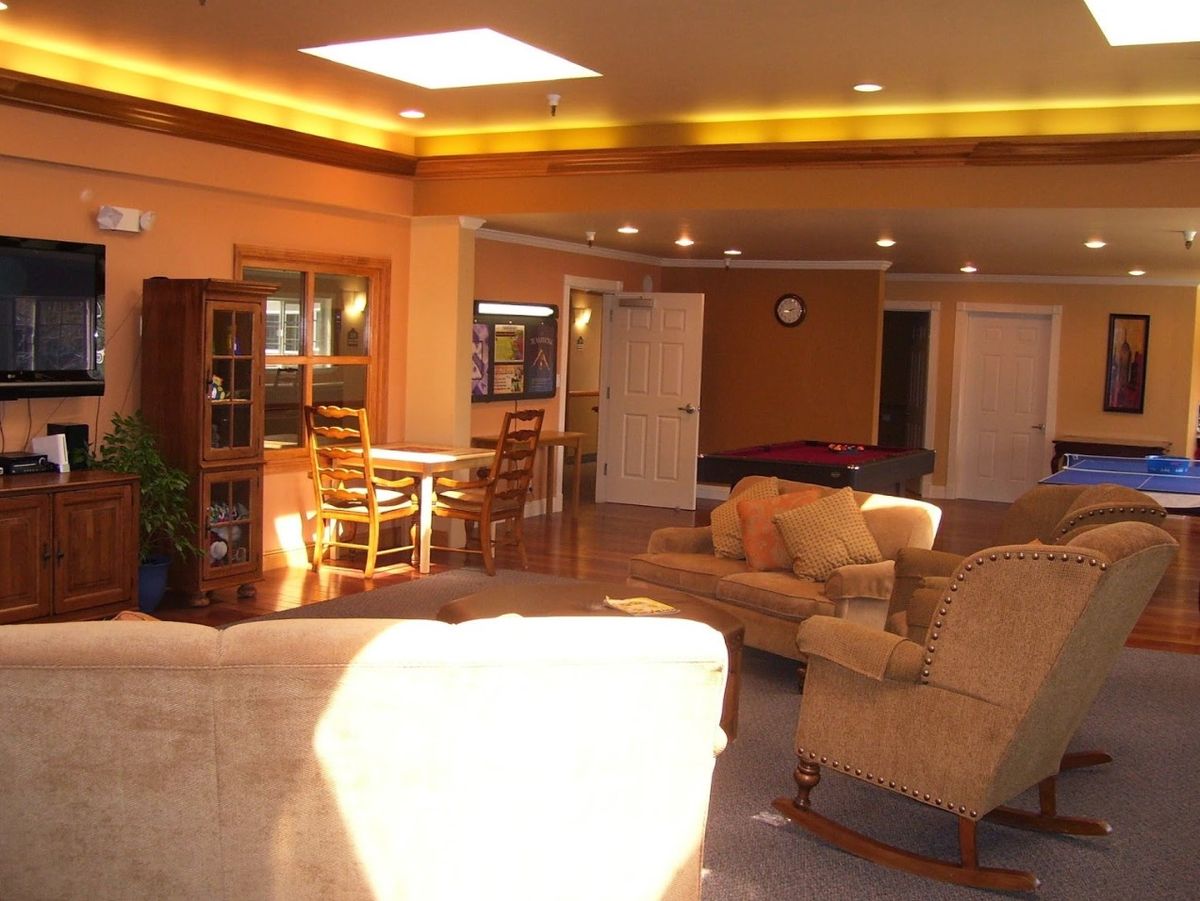
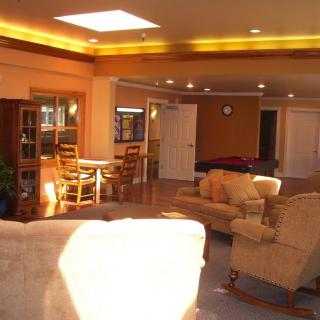
 Gaming room
 Garden
 Ground floor units
 Handicap accessible
 Housekeeping services
 Indoor common areas
 Kitchenette
 Move-in coordination
 Outdoor common areas
 Private bathrooms
 Restaurant-style dining
 Small library
 Telephone
 Wellness center
 Wheelchair accessible showers
 Wi-Fi/high-speed internet available
 Community operated transportation
 12-16 hour nursing
 24-hour call system
 Ambulatory care
 Assistance with bathing
 Assistance with dressing
 Assistance with transfers
 Diabetes diet
 Incontinence care
 Medication management
 Mental wellness program
 Special dietary restrictions
 Art classes
 Brain fitness
 Concierge services
 Cooking classes
 Day trips and outings
 Educational speakers / life long learning
 Happy hour
 Karaoke
 Live dance or theater performances
 Live musical performances
 Choosing the Right Senior Care: A Detailed Exploration of Assisted Living and Nursing Homes
 Understanding the True Cost of Assisted Living in 2025: A Comprehensive Guide
 Understanding Medicaid Coverage for Assisted Living: A Comprehensive Guide