




151 Pioneer Lane, Bishop, CA 93514
For more information about senior living options: (866) 208-4318
Overall Review of Bishop Care Center
Pros
 The medical staff at Bishop Care Center is excellent, with CNAs who are attentive and nurses who are knowledgeable and thorough.
- Residents receive daily medical care and have close proximity to a full-service hospital across the parking lot.
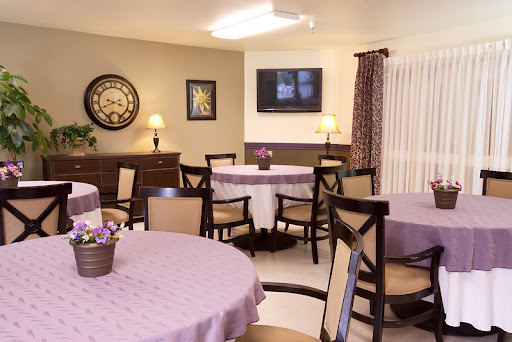
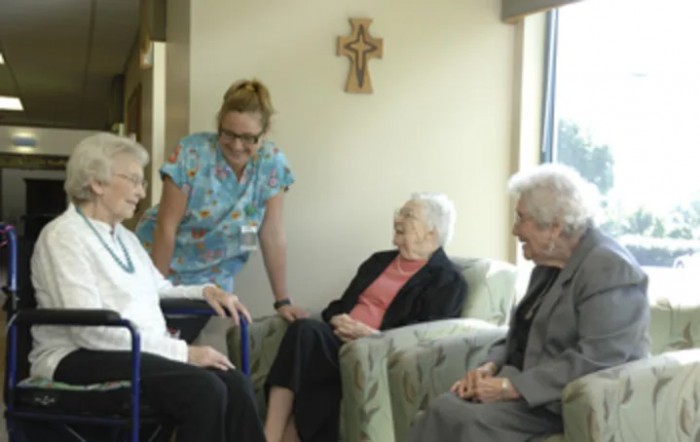
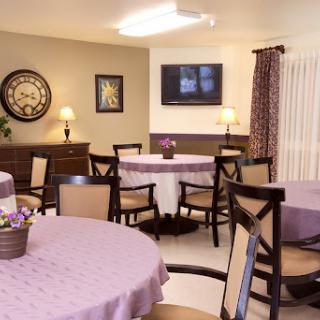
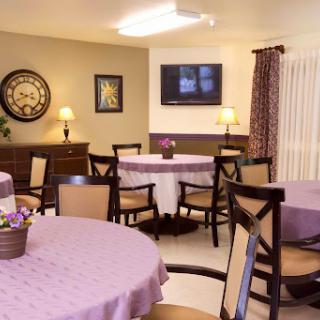
- The center offers a variety of activities and amenities, including a dining room, bingo, movie nights, walks, and occasional music from local artists.
- The staff are described as wonderful and caring, consistently taking good care of residents.
- Crystal is described as amazing, and Bussie is praised for their kindness.
Cons
 My sister is left soiled for hours.
- She is told there is a shortage.
- The night staff isn’t on top of it.
- My nephew had to keep telling them to turn my brother so he wouldn’t get bed sores.
- One evening they dropped off his food tray and walked out without feeding him.
- His call button is on the floor and is left unaddressed frequently.
- He hadn’t had fresh water in 24 hours.
- One evening they overmedicated him.
- The staff were very busy and too busy to take care of each individual.
Review
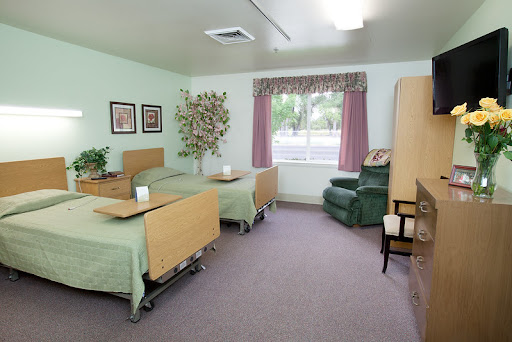
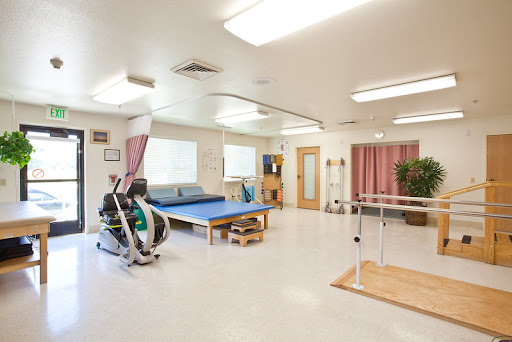
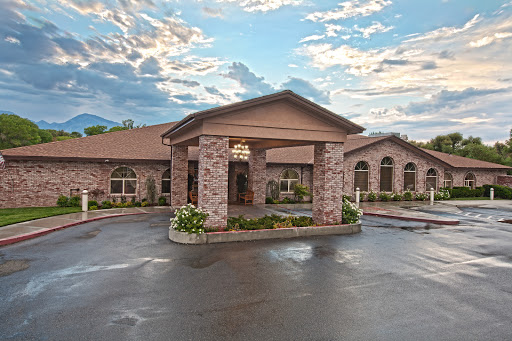
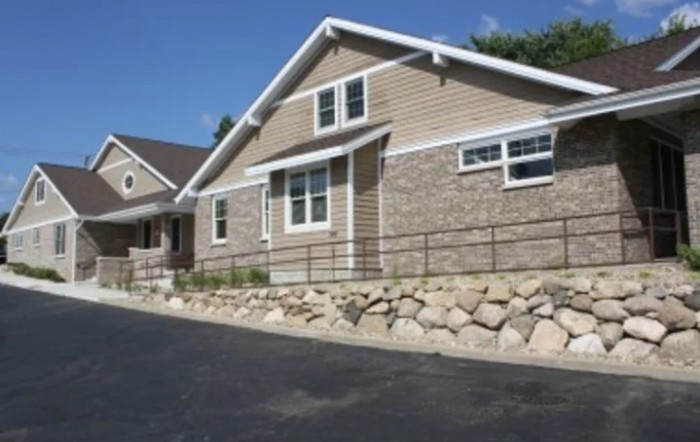
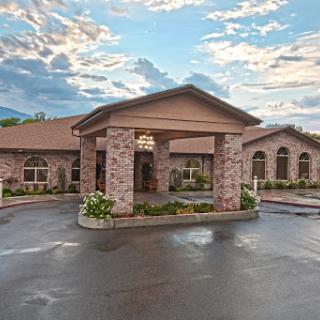
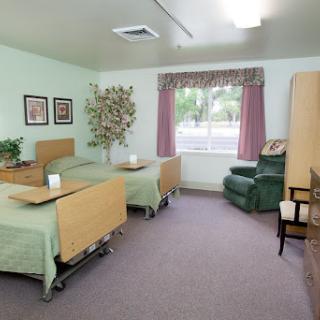
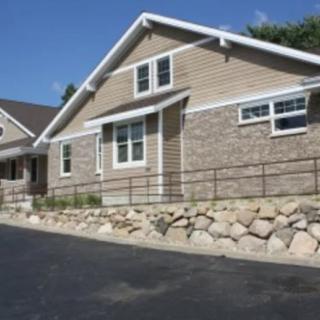
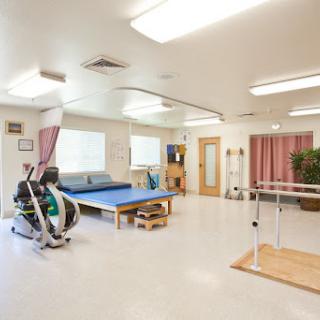
Bishop Care Center is best suited for seniors who need steady medical oversight and want the safety net of immediate hospital access: a rural facility where daily wound care and routine nursing support are available, and where a small but active program aims to keep residents engaged without requiring a high-end rehab environment. The building sits with a practical footprint and a direct, patient-friendly setup in a community that values proximity to care. For residents with manageable but ongoing medical needs, such as wound management, routine nursing checks, and scheduled activities, this center delivers a dependable core of services while keeping care within reach of a full-service hospital across the parking lot.
That said, certain realities count as strong cautions. Families should consider alternatives if 24/7, consistently reliable night staffing is non-negotiable, or if the resident requires highly specialized or memory-care programming that extends far beyond standard supervision. The facility is older in feel and infrastructure, and while staffing can be responsive, it fluctuates enough to produce gaps, especially during night shifts. Those who demand flawless feeding routines, meticulous hydration, and constant hands-on attention should vigorously compare options and verify current staffing levels, policies, and a concrete plan for overnight coverage.
The strongest positives here sit on the medical-and-personal care spectrum. The medical team is described as excellent, with CNAs who are attentive and nurses who are knowledgeable. That clinical core is complemented by a modest but meaningful repertoire of daily activities, from bingo to outdoor walks and occasional music programs, that help residents stay engaged without feeling stashed away. The dining program, while simple, adheres to standard guidelines, and for many families the consistency of meals and the presence of a dining room contribute to a sense of normalcy and dignity in daily life. These strengths can counterbalance the rough edges that come with a smaller, older facility by providing reliable, personalized care when the regular team is present.
Yet the reviews reveal disconcerting inconsistencies that directly challenge the core promise of dependable care. Night staff performance is notably uneven in several accounts, with families reporting reminders to turn a resident to prevent bedsores, missed feedings, and even a call button left out of reach. Instances of inadequate hydration, nothing fresh for long stretches, and occasional overmedication underline a real risk when supervision posture shifts after hours. A few residents are described as left without timely assistance, and the sense that staffing is “short” at times can undermine the confidence families place in the center’s ability to manage complex needs consistently.
From a practical decision-making standpoint, these pros and cons tilt toward a cautious yes for residents who can be actively involved in ongoing oversight. The proximity to a hospital is a meaningful hedge, enabling quick hospital access if treatment escalates. The clinical team’s competence is a critical asset that can deliver meaningful, day-to-day stability, especially when family members can verify care plans, monitor milestones, and maintain regular communication. However, the benefit diminishes if nighttime coverage or basic safety routines falter, a risk that cannot be ignored without direct, up-to-date assurances from the administration.
In the end, Bishop Care Center is a workable option for families prioritizing proximity to acute care and a solid day-to-day medical presence, tempered by a clear awareness of staffing variability and aging facilities. For those who require unwavering nighttime supervision, stronger hydration protocols, and more consistent feeding and safety practices, alternatives with deeper resources or newer infrastructure may be preferable. Prospective families should insist on speaking with night staff, requesting a concrete care plan, and visiting at multiple times to see how the team operates across shifts. A frank review of nurse-to-resident ratios, call-system reliability, and dementia- or rehab-focused offerings will determine whether this center fits the resident’s risk tolerance and care goals.
 99 resident community capacity
 Skilled Nursing Facility
 Air-conditioning
 Beauty salon
 Cable or satellite TV
 Computer center
 Dining room
 Fitness room
 Fully furnished
 Gaming room
 Garden
 Housekeeping services
 Kitchenette
 Move-in coordination
 Outdoor space
 Private bathrooms
 Restaurant-style dining
 Small library
 Telephone
 Wellness center
 Wi-Fi/high-speed internet available
 Community operated transportation
 12-16 hour nursing
 24-hour call system
 Activities of daily living assistance
 Assistance with bathing
 Assistance with dressing
 Assistance with transfers
 Diabetes diet
 Medication management
 Mental wellness program
 Special dietary restrictions
 Concierge services
 Planned day trips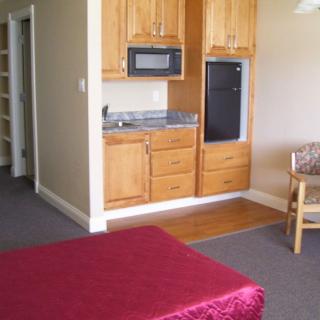
 Top Cars for Senior Drivers and Essential Safety Innovations
 A Closer Look at Private Pay Home Care
 Comprehensive Approaches for Arthritis: A Detailed Guide to Symptoms, Causes, and Care