
311 Garnsey Avenue, Bakersfield, CA 93309
For more information about senior living options: (866) 208-4318
Overall Review of The Park
Pros
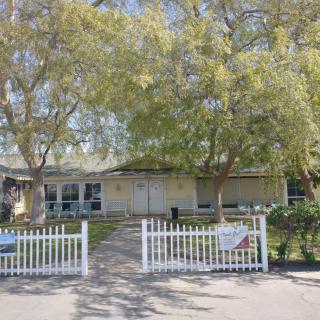
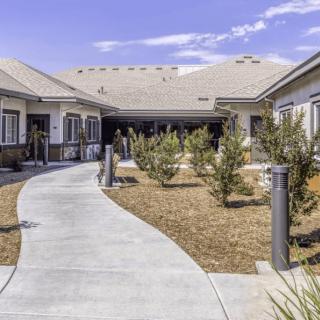
 The dad loves the back yard.
- He gets along with everyone.
- It has a family atmosphere.
- The staff are wonderful and there is a great atmosphere.
Cons
 The place is horrible.
- They yell at their seniors and treat them like children.
- The facility has many problems and has been the subject of investigations.
- They overmedicate residents.
- They break items belonging to the seniors.
Review
The Park in Bakersfield is best suited for seniors who prize a warm, home-like environment with a strong social pulse, outdoor access, and a family atmosphere. Residents who want to be greeted by a cohesive community, where staff are described as wonderful and the vibe is friendly, may find this setting appealing. The two positive accounts emphasize an approachable, people-centered culture and a back-yard-friendly space that supports casual gatherings and outdoor time. For families seeking a place that feels intimate and sociable, with staff who know residents by name and promote a relaxed, inclusive milieu, The Park can fit the bill when care needs are modest and independence is the norm.
At the same time, serious caveats exist that any decision-maker must weigh heavily. Families contemplating alternatives should consider options with rock-solid safety records and explicit protections against mistreatment or overmedication. The strongest warning comes from a review that describes yelling, infantilizing treatment of seniors, and a pattern of problems that have triggered investigations and legal scrutiny. For residents who require reliable oversight, strong behavioral and medical supervision, or transparent accountability, these red flags argue for looking elsewhere and conducting extra due diligence before committing.
The primary pros, a genuine sense of community, visible warmth from staff, and an upbeat atmosphere, can translate into meaningful quality-of-life benefits for residents who thrive on companionship and social routines. The back-yard appeal supports outdoor activity and casual interaction, which can be especially valuable for those who want an accessible, low-stress place to socialize. In practice, these positives often manifest as daily interactions that feel supportive and inclusive, with residents who get along well and a staff culture that appears approachable. For those who enter with relatively light care needs but desire daily connection, the favorable elements can deliver substantial everyday satisfaction.
However, the cons described are not minor irritants; they cast a long shadow over the living experience. The most serious concerns center on alleged mistreatment, yelling at seniors, treating them like children, and reports of overmedication. Coupled with mentions of investigations and legal actions, these factors raise questions about safety, restraint, and the overall standard of care. Even if the positives hold true in certain days or for particular residents, the presence of such accusations suggests a risk profile that cannot be dismissed, particularly for families seeking ongoing oversight, consistent quality, and predictable care trajectories for their loved one.
How the positives can offset the negatives is situation-dependent. If a senior is relatively independent, highly social, and motivated to participate in a lively community, the welcoming atmosphere and staff engagement can meaningfully enhance daily life, provided the environment is well-monitored and any concerns are promptly and transparently addressed. Yet the counterweight is heavy: even a single unresolved issue about caregiving standards can erode trust and willingness to stay. Prospective residents should not rely on ambiance alone; the decisive factor becomes whether the facility demonstrates sustained, verifiable safeguards against mistreatment, clear channels for reporting concerns, and demonstrable improvement if past issues resurfaced.
Families evaluating this community should insist on concrete, up-to-date information before deciding. Seek recent licensing records and any corrective-action plans, request detailed explanations from administration about the specific allegations, and verify staffing ratios and staff training when it comes to resident safety and dignity. Tour the facility with questions about how emergencies are handled, how behavioral concerns are managed, and who is accountable for daily care decisions. Consider a trial stay or extended visitation to observe interactions firsthand, and talk with current residents and families about their experiences beyond the surface impression. If comfort with oversight, responsiveness, and ongoing quality improvement is absent or uncertain, alternatives deserve priority.
In sum, The Park presents a mixed proposition: genuine warmth and social vitality on one side, potentially serious safety concerns on the other. It is a viable choice for a relatively independent senior who values a family vibe and is reassured by strong staff rapport, but it is a risky fit for anyone who cannot tolerate questions about care standards or who requires reliable, unwavering protection from mistreatment. The prudent path combines careful due diligence with a clear plan for ongoing monitoring and a prepared exit strategy if the care environment does not meet essential safety and dignity benchmarks.
 9 resident community capacity
 Assisted Living
 Board and Care Home
 Cable or satellite TV
 Dining room
 Fully furnished
 Garden
 Housekeeping services
 Move-in coordination
 Outdoor space
 Telephone
 Wi-Fi/high-speed internet available
 Meadows (5 miles away)
 24-hour supervision
 Activities of daily living assistance
 Assistance with bathing
 Assistance with dressing
 Assistance with transfers
 Diabetes diet
 Meal preparation and service
 Medication management
 Special dietary restrictions
 Transportation arrangement (medical)
 Transportation to doctors appointments


 A Detailed Exploration of Assisted Living Medicaid Waivers Across the United States
 Comprehensive Residential Support and Assisted Living Solutions for Individuals with Disabilities
 Comprehensive Supportive Living Arrangements for Adults with Disabilities