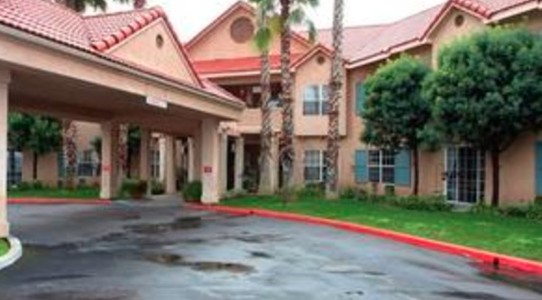
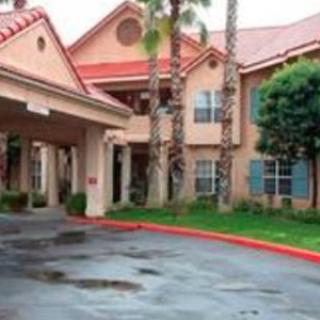
2001 Akers Road, Bakersfield, CA 93309
For more information about senior living options: (866) 208-4318
Hallmark Of Bakersfield Costs & Pricing
At Hallmark of Bakersfield, the monthly costs for accommodations reflect a premium offering compared to both Kern County and the broader California market. For a studio, residents can expect to pay $5,237, which is significantly higher than the county average of $3,509 and the state average of $4,145. Similarly, a one-bedroom unit is priced at $6,004, again surpassing both regional and state figures - $3,873 in Kern County and $4,340 across California. This pricing structure suggests that Hallmark of Bakersfield positions itself as an upscale option, likely emphasizing high-quality amenities and services that cater to those seeking an enhanced living experience.
| Floor plans | Hallmark Of Bakersfield | Kern County | California |
|---|---|---|---|
| Studio | $5,237 | $3,509 | $4,145 |
| 1 Bedroom | $6,004 | $3,873 | $4,340 |
Assisted Living communities with a similar price nearby
-
from -$1037 / mo
The Palms At San Lauren
$4,200 to $5,000 / month4.8 miles away -
from -$1042 / mo
Ivy Park at Seven Oaks
$4,195 to $6,295 / month4.6 miles away -
from +$223 / mo

Tedenek Elder Home
$5,460 / month5.6 miles away
Overall Review of Hallmark Of Bakersfield
Pros
 The staff at Hallmark are amazing and attentive, making residents feel at home.
- Families feel confident that their loved ones are well cared for, with regular check-ins and clear updates.
- Hallmark maintains a dignified, resident-first environment focused on safety and well-being.
- The facility offers daily activities, live entertainment, and church services that keep residents engaged.
- The dining program is varied and praised for its quality and taste.
- Hallmark’s caregivers are warm, welcoming, and genuinely caring.
- The overall atmosphere is friendly and supportive, with staff going above and beyond for residents.
Cons
 They found Hallmark inadequate for memory care and would not assist with basic tasks like turning on the TV or radio, despite assurances of staff experience.
 - They described the staff as not interested in helping her through upset times, and the management as clueless about how to handle the disease.
- They stopped paying due to facility failures, which caused a tremendous hardship for their family.
- They criticized Hallmark for a noticeable smell and for lacking memory care.
- They found Hallmark expensive and felt they did not get value for the cost.
Review
Hallmark of Bakersfield is best suited for seniors who want a warm, engaged, home-like assisted living where daily life is actively managed by attentive staff. It works well for residents who do not require advanced memory-care programming and for families that prize stable, relationships-driven care, predictable routines, and robust social engagement. The community’s strengths show up most clearly when the goal is dependable everyday support, friendly faces, and regular family communications. Those prioritizing highly specialized dementia protocols or the absolute quiet of a more clinical setting may want to explore alternatives.
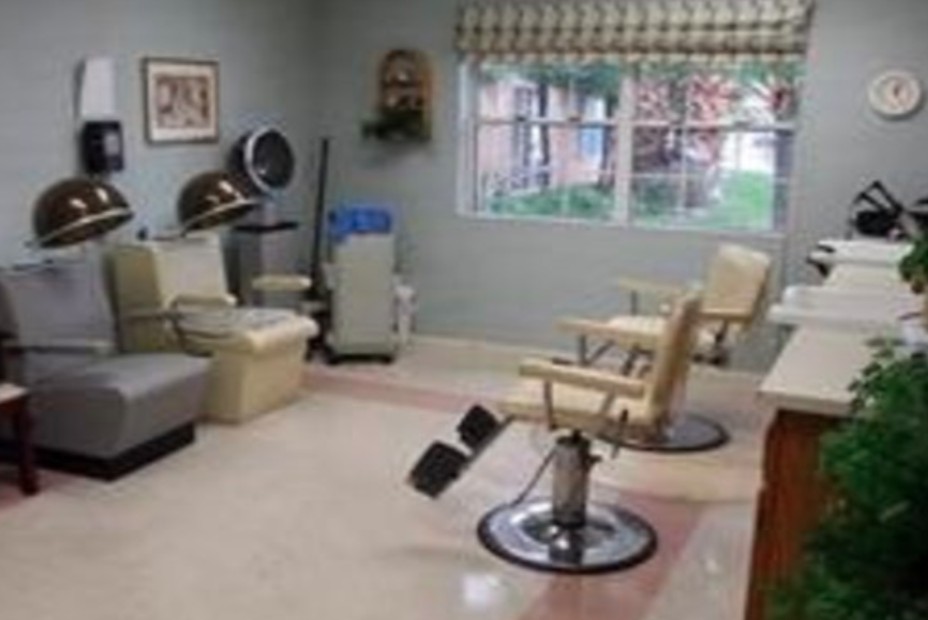
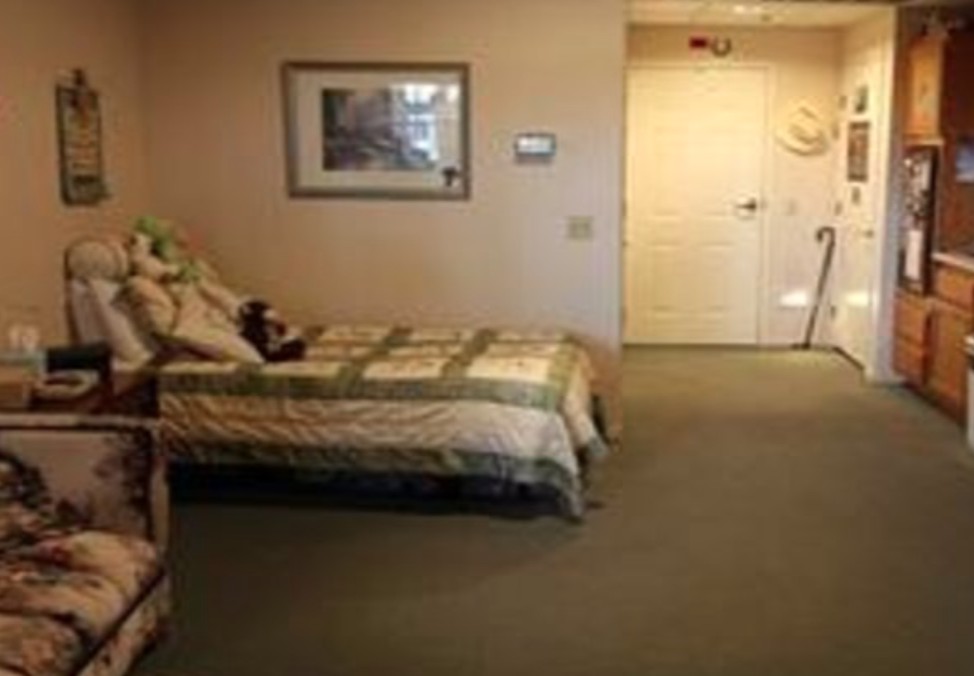
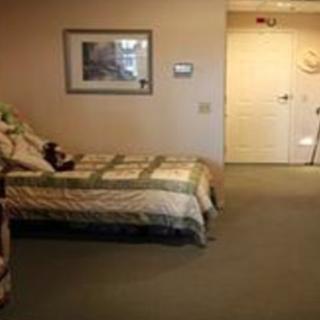
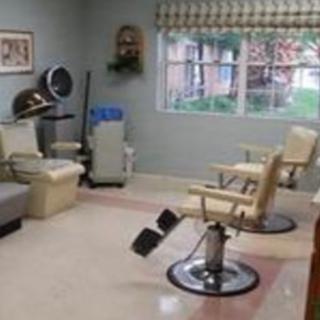
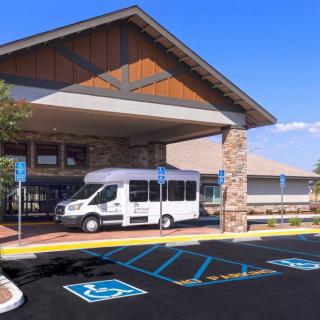
The core strengths are unmistakable. Staff consistently receive high praise for warmth, reliability, and genuine care, with many residents described as feeling at home due to the people who keep the place running. Management is viewed as respectful and resident-first, and the overall environment is both safe and welcoming. The dining is described as varied and satisfying, and the calendar is rich with activities, exercise, bingo, live entertainment, church services, and everyday events, so residents stay engaged. Practical amenities, the full bathrooms, modest refrigerators in rooms, and the presence of a beauty salon and transportation for outings, make daily life convenient and dignified. Family members frequently highlight how staff check in promptly on medical or emotional concerns, reinforcing a sense of security and attentiveness.
Yet, there are clear caveats that should inform a decision. The most significant concern centers on memory care: the facility is adequate for many mid-stage needs, but it does not appear to deliver robust, specialized memory-care programming. Several families report that expectations about dementia expertise did not match the experience, with basic daily supports, like personal preferences or specific comforting activities, falling short in some cases. One reviewer explicitly contrasted Hallmark with a higher-priced memory-focused option and concluded that, despite excellent overall care, the facility was not equipped to handle advanced memory-care requirements. These observations matter a lot for families facing mid- to late-stage dementia or who expect highly tailored interventions.
Given those trade-offs, alternatives deserve consideration for residents with stronger memory-care needs or when budget sensitivity intersects with care expectations. Holiday Assisted Living is cited by a reviewer as a superior option for advanced memory care, though at a higher price point. That comparison underscores a central decision hinge: if memory-care intensity and customization are non-negotiables, Hallmark may fall short despite its many positives. For families prioritizing cost-to-value balance and broad social programming, Hallmark delivers substantial quality within its tier; for those requiring specialized cognitive-care protocols, a facility with proven memory-care depth may be the safer long-term choice.
When the positives are weighed against the concerns, Hallmark’s practical value becomes clear for a broad segment of seniors and families. The combination of devoted staff, a home-like atmosphere, comprehensive daily activities, and reliable family communication creates a caregiving ecosystem that can support mood, safety, and social well-being. The strong operational culture, staff who show up, engage, and make residents feel seen, often offsets ordinary facility worries by delivering consistent, compassionate care in a lively, connected community. Residents who are stable cognitively and enjoy structured routines will likely thrive here, drawing regular joy from meals, entertainment, and companionship.
The bottom-line recommendation is pragmatic and direct. Hallmark of Bakersfield is an excellent fit for seniors who want dependable, warm, day-to-day support, an active social calendar, and strong staff relationships, provided memory-care needs are not at the advanced end. Families should explicitly verify the facility’s capacity to accommodate any specific dementia-related practices, and compare the level of memory-care customization and staff training against alternatives with a proven track record in memory support. If memory-care intensity or budget-driven sensitivity is paramount, plan a careful side-by-side with Holiday or similar options, and bring concrete questions about personalized routines, staff responsiveness to cognitive cues, and ongoing dementia-specific training into the discussion before deciding.
 70 resident community capacity
 Assisted Living
 Air-conditioning
 Beautician on-site
 Cable or satellite TV
 Computer center
 Dining room
 Fitness room
 Fully furnished
 Gaming room
 Garden
 Housekeeping services
 Kitchenette
 Move-in coordination
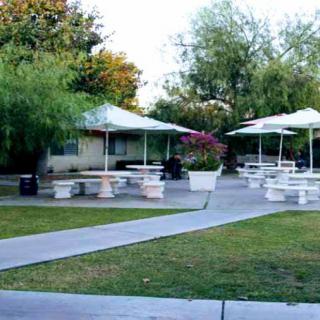
 Outdoor space
 Private bathrooms
 Respite or short term stays offered
 Restaurant-style dining
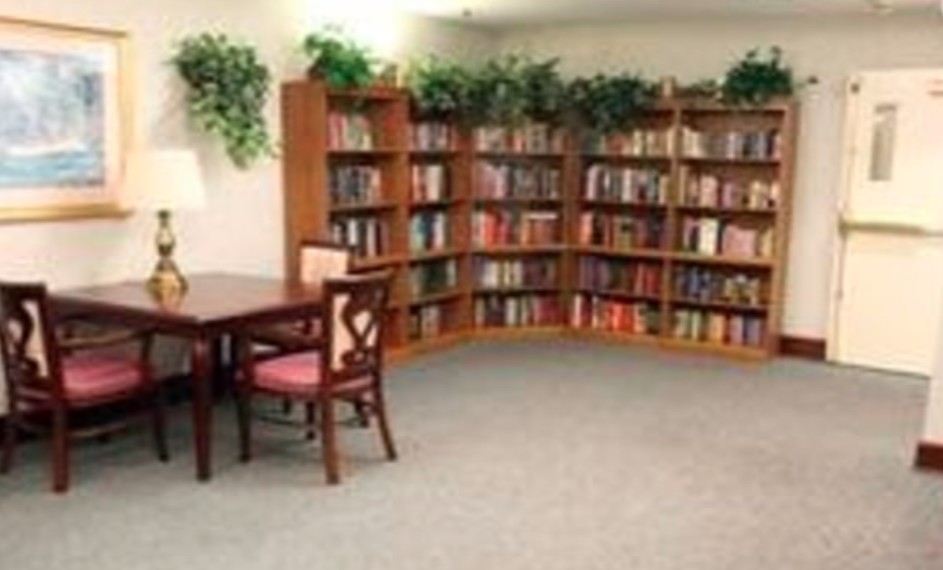
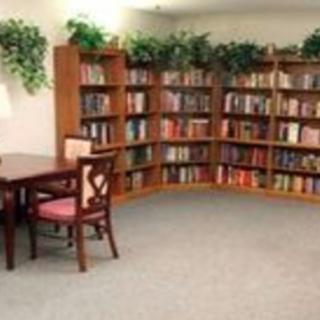
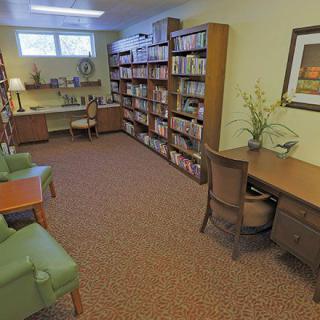
 Small library
 Telephone
 Wellness center
 Wi-Fi/high-speed internet available
 Meadows (7 miles away)
 Community operated transportation
 12-16 hour nursing
 24-hour call system
 Activities of daily living assistance
 Assistance with bathing
 Assistance with dressing
 Assistance with transfers
 Diabetes diet
 Medication management
 Mental wellness program
 Special dietary restrictions
 Concierge services
 Planned day trips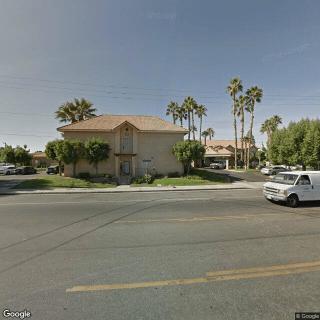
 Exploring the Path to Senior Living: A Comprehensive Look at Independent Living and Assisted Living
 Is Assisted Living Deductible on Your Taxes? Understanding the Complexities of Assisted Living Expenses and Deductions
 Assisted Living Support for Veterans: A Complete and Detailed Overview