
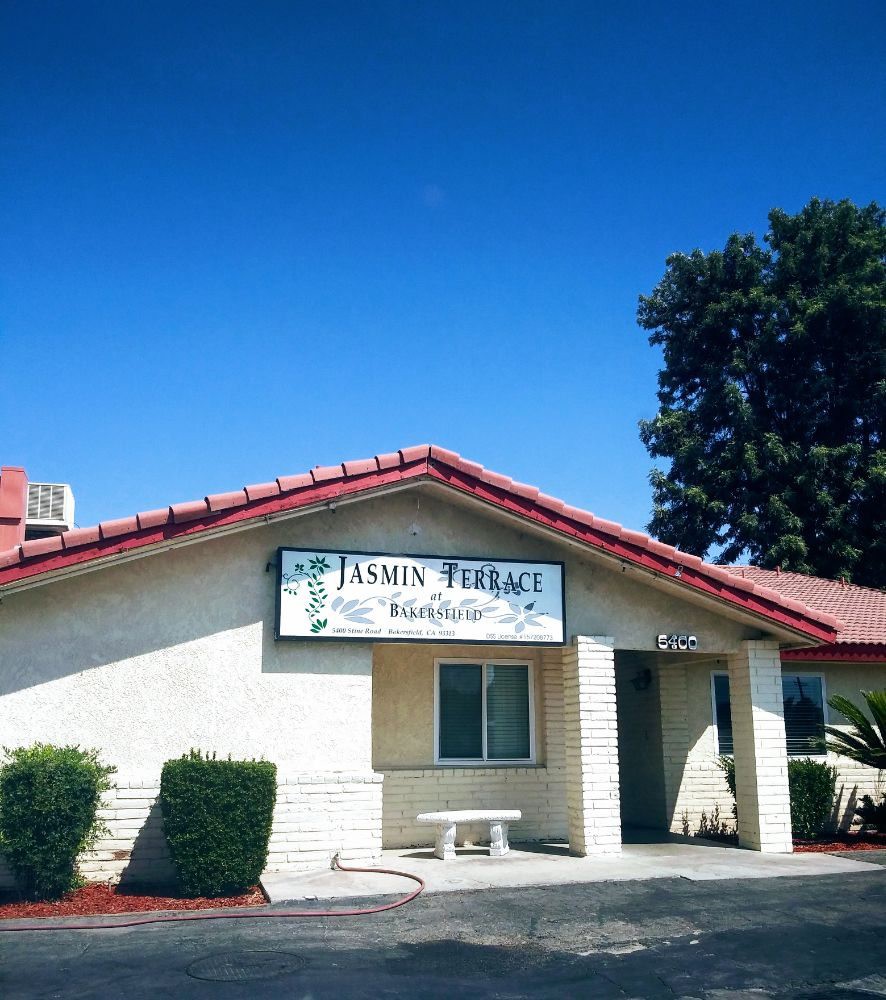
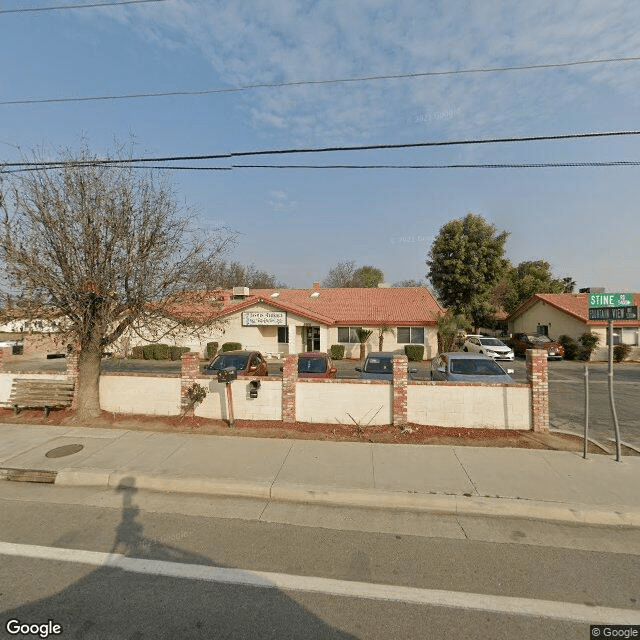
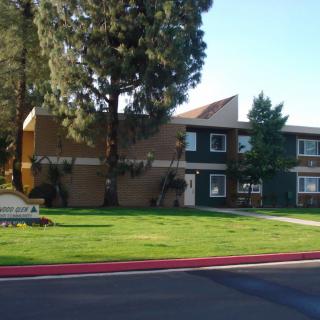
5400 Stine Road, Bakersfield, CA 93313
For more information about senior living options: (866) 208-4318
Jasmin Terrace At Bakersfield Costs & Pricing
At Jasmin Terrace At Bakersfield, the monthly costs for various room types present a compelling value compared to both Kern County and the broader California market. The semi-private room is priced at $1,500, significantly lower than the county average of $2,887 and the state average of $3,333. Similarly, the studio and one-bedroom units at Jasmin Terrace are offered at $2,500 each, which is considerably more affordable than the county's averages of $3,509 and $3,873 respectively. This trend highlights not only a strategic positioning within the local area but also provides residents with an accessible yet comfortable living option that remains well below both regional and state pricing benchmarks.
| Floor plans | Jasmin Terrace At Bakersfield | Kern County | California |
|---|---|---|---|
| Semi-Private | $1,500 | $2,887 | $3,333 |
| Studio | $2,500 | $3,509 | $4,145 |
| 1 Bedroom | $2,500 | $3,873 | $4,340 |
Memory care communities with a similar price nearby
-
from +$90 / mo
Pacifica Senior Living Bakersfield
$1,590 to $3,250 / month2.6 miles away
Overall Review of Jasmin Terrace At Bakersfield
Pros
 Mona and her staff take great care of residents and are friendly, respectful, and caring.
- The staff here save the day.
- Beth and Alice are very nice.
- The staff are very kind and gracious.
- The facility is nice.
Cons
 The food here used to be good, then fair, and now is barely edible.
- The portions are small now.
- Guests are no longer greeted with a smile at meals.
- Alice is criticized for buying the cheapest food possible and not hiring a real chef for the kitchen.
- The staff could be a little cleaner.
Review
Jasmin Terrace At Bakersfield is best suited for families seeking dependable, compassionate assisted living where the strength lies in the caregiving team rather than in upscale amenities. The community tends to work well for residents who value personal connections with staff, steady routines, and a warm, respectful environment. It suits a setting that prioritizes daily reassurance and attentive care over boutique features or gourmet sophistication. Those whose priority is a quieter, more exclusive atmosphere or who demand exceptionally pristine maintenance and expansive outings should consider alternatives.
The strongest, most consistent asset is the caregiving staff. Reviews repeatedly praise Mona and her team for friendliness, respect, and genuine care toward residents. In particular, residents and families note that staff kindness and a thoughtful, patient approach make a meaningful difference in day-to-day life. Specific staff members, such as Beth and Alice, are singled out as pleasant and helpful, and several readers credit the staff with “saving the day” in moments of need. This isn’t a place to worry about slipping into neglect; the human touch is clearly its backbone.
However, the evaluations identify several material drawbacks that potential movers should weigh carefully. Food quality has slipped from prior levels, with repeated complaints about meals that are less tasty, portions that feel too small, and a perception that culinary care has become a lower priority. The dining experience also takes a hit from a lack of warmth during meals. In addition, there is a sense that outings and trips are limited, with residents noting a reduced ability to shop or engage in outside activities. Cleanliness is flagged as an area that could be improved, contributing to a sense of a more crowded, busy environment than some families would prefer.
These strengths and weaknesses interact in meaningful ways. The dependable staff can offset many concerns about day-to-day safety and emotional well-being; residents feel known and cared for, which can lessen anxiety and improve mood, especially for those who thrive on steady relationships with caregivers. Yet the dining and activity gaps temper that comfort. For seniors who view meals as a critical daily joy or who crave frequent, structured outings to stay engaged, the current gaps may undercut overall satisfaction. In short, strong caregiving support is a major offset, but it does not fully compensate for inconsistent dining quality, limited outings, and cleanliness tweaks.
For families weighing options, the most practical move is to compare Jasmin Terrace against communities with a proven emphasis on dining and smaller-scale environments. If gourmet or chef-driven menus, pristine cleanliness, and a quieter, more intimate setting are non-negotiables, alternatives should be explored. When visiting, probe the kitchen’s approach to menu variety, ask to taste a sample meal, and observe mealtime interactions to gauge whether the warmth is matched by the kitchen’s execution. In addition, assess whether the community can expand activities beyond the immediate grounds to include regular errands or group adventures, if those are important to the resident.
Ultimately, Jasmin Terrace At Bakersfield offers a solid caregiving foundation with staff who are repeatedly described as caring and dependable. It earns its keep for families prioritizing daily support and human connection, even as it struggles with meals, outings, and cleanliness. The right decision hinges on whether caregiver quality can sustain peace of mind despite the culinary and environmental trade-offs. For a resident who places people first and can tolerate modest dining experiences, this community remains a credible option; for those who demand top-tier dining or a more secluded, cleaner, and activity-rich setting, alternatives are likely to deliver greater alignment with goals.
 99 resident community capacity
 Assisted Living
 Memory Care
 Activities on-site
 Air-conditioning
 Beauty salon
 Cable or satellite TV
 Computer center
 Devotional services off-site
 Dining room
 Fitness room
 Fully furnished
 Gaming room
 Garden
 Housekeeping services
 Indoor common areas
 Kitchenette
 Move-in coordination
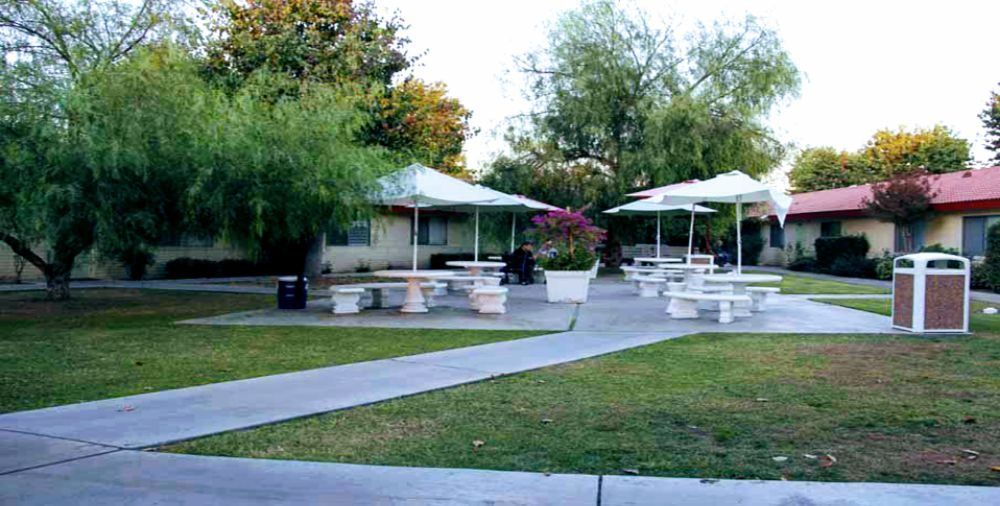
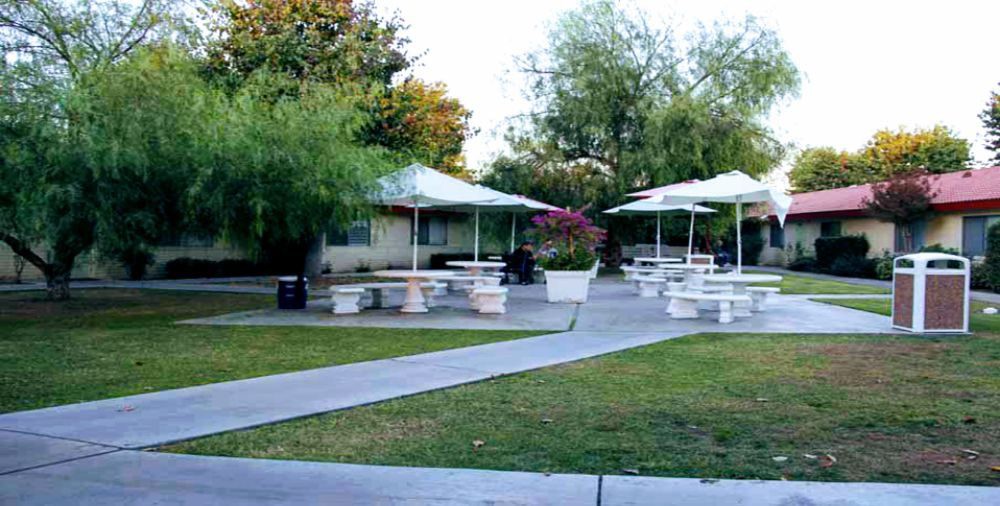
 Outdoor space
 Private bathrooms
 Restaurant-style dining
 Small library
 Telephone
 Wellness center
 Wi-Fi/high-speed internet available
 Meadows (9 miles away)
 Community operated transportation
 12-16 hour nursing
 24-hour call system
 Ambulatory care
 Assistance with bathing
 Assistance with dressing
 Assistance with transfers
 Diabetes diet
 Diabetic care
 Medication management
 Mental wellness program
 Special dietary restrictions
 Concierge services
 Planned day trips
 A Holistic Dementia Care Guide: Effective Strategies for Memory Support
 Memory Care Pathways: A Holistic Guide to Dementia Support
 Comprehending Evening Confusion in Dementia: Causes, Manifestations, and Support