
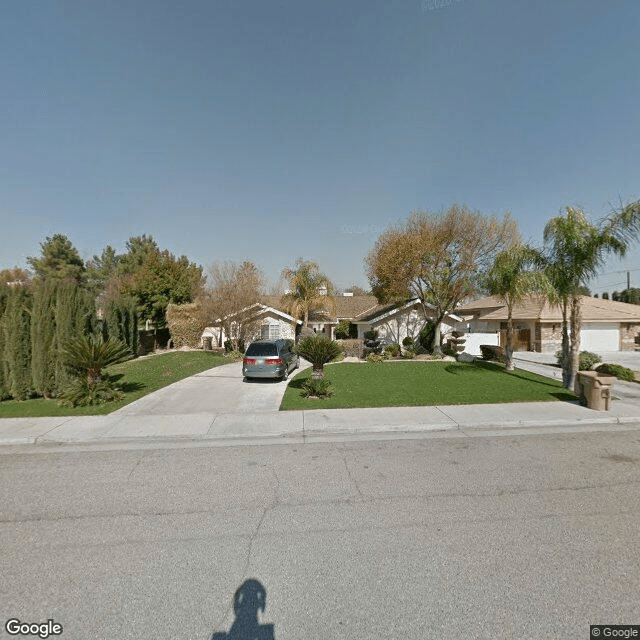
9706 Harvey Court, Bakersfield, CA 93312
For more information about senior living options: (866) 208-4318

Calloway Gardens Costs & Pricing
At Calloway Gardens, the monthly costs for accommodation are notably more affordable than both Kern County and the broader California market. For a semi-private room, residents can expect to pay $2,000 monthly, which is substantially lower than Kern County's average of $2,887 and California's state average of $3,333. Similarly, the private room option at Calloway Gardens is priced at $2,500, offering significant savings compared to Kern County's rate of $3,456 and California's average of $3,939. These competitive rates make Calloway Gardens a compelling choice for individuals seeking quality care without compromising their financial well-being.
| Floor plans | Calloway Gardens | Kern County | California |
|---|---|---|---|
| Semi-Private | $2,000 | $2,887 | $3,333 |
| Private | $2,500 | $3,456 | $3,939 |
Assisted Living communities with a similar price nearby
-
About the same
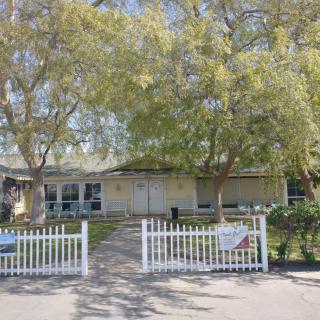
Redwood Bakersfield
$2,000 / month6.4 miles away -
About the same
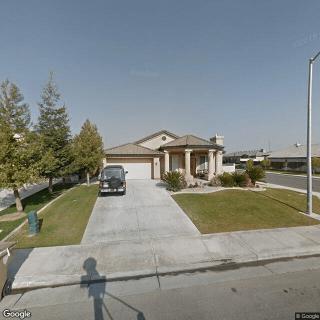
Blue Pearl Home Care II
$2,000 to $2,500 / month4.3 miles away -
from +$200 / mo
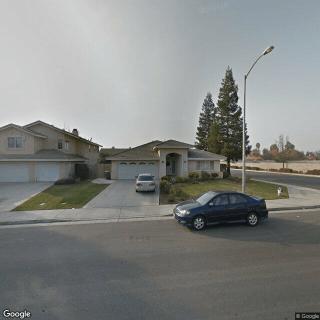
Heritage Living
$2,200 to $3,000 / month3.6 miles away -
from -$200 / mo
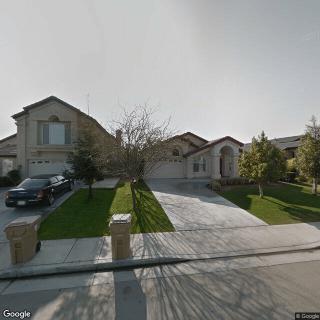
Able Care Home
$1,800 to $2,000 / month4.4 miles away -
from -$200 / mo
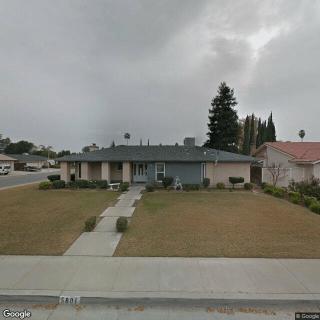
Candice Home Care I
$1,800 to $2,500 / month2.5 miles away
Overall Review of Calloway Gardens
Pros
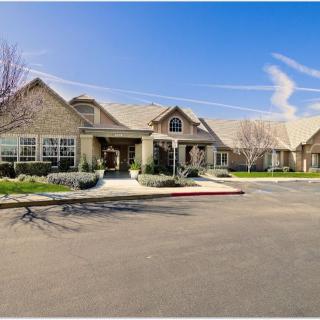
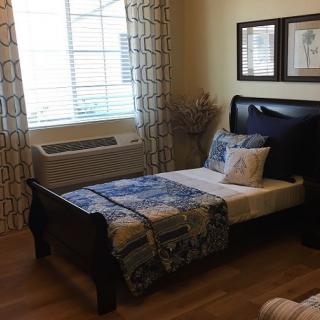
 The rooms are clean, tidy, and some are spacious, offering a home-like setting.
- The staff are patient, caring, and attentive to residents’ requests, prioritizing family and what’s best for their grandmother.
- They communicate clearly about health status and show genuine concern.
- The care is compassionate and experienced, contributing to positive outcomes for residents.
- Residents enjoy activities like bingo and daily exercises, with staff support.
- The atmosphere is friendly and highly recommended by visitors.
Cons
 The facility is dated and somewhat dirty.
- The interior looks run down, with walls needing painting and worn, thin carpet in places.
- The flooring needs updating and door facings could be repaired, plus a fresh paint job would help.
- The care home does not offer any activities, and the mom does not like the food.
- The reviewers would not recommend this care home due to these issues, and there is a communication issue with the caregivers.
Review
Calloway Gardens is best suited for families seeking a home-like assisted living environment where care staff deliver patient, attentive support around the clock and keep family members actively informed. The strongest fit is for seniors who value cleanliness in their living spaces and appreciate rooms that are spacious enough to feel comfortable, with many residents enjoying a cozy, house-like atmosphere rather than a clinical setting. Reviews repeatedly highlight compassionate, experienced staff who listen, respond to requests, and work with families to decide what is best for the resident. When health concerns arise, the team’s proactive communication and visible concern for the loved one’s well-being become a central, dependable comfort for families navigating illness or recovery.
Those considering alternatives should weigh the facility’s interior condition and programming against their goals. Several notes point to a dated, sometimes worn interior and areas that could use updates, carpets, door facings, paint, and general maintenance among them. The yard and outdoor spaces are praised, but interior upkeep can feel inconsistent. Additionally, expectations around activity calendars and dining experiences vary: some residents receive meaningful engagement with daily exercises and social routines, while others report fewer structured activities or less satisfying meals. For families prioritizing a fresh, polished look, a wider array of daily activities, or a highly curated dining program, other options may deliver more consistently.
The major advantages, clean, comfortable rooms, a true home-like vibe, and responsive caregiving, often offset most concerns about decor or occasional maintenance gaps. The 24/7 care framework treats residents as family, with staff who are patient and willing to coordinate with relatives to tailor care. The ability to rapidly notify families during medical events, and the demonstrated willingness of the team to guide families through decisions, is a practical strength. Residents participate in simple routines like bingo and light daily exercises, which reinforces social connection without demanding demanding schedules. In essence, the care philosophy and personal attention frequently compensate for environmental wear.
However, the downsides deserve clear acknowledgment. The impression of a dated interior can clash with expectations for modern comfort, and some spaces may feel threadbare relative to newer facilities. Where food and organized activities fall short, families may feel a mismatch between promises and daily experiences; although several reviews report good dining quality, others note dissatisfaction or a lack of consistent programming. In practice, this means Calloway Gardens is most suitable when the priority is dependable caregiving and strong family communication, with the caveat that the aesthetic and activity spectrum may not meet every family’s ideal standard.
For families making a decision, a pragmatic checklist helps translate these observations into action. Schedule a live tour and specifically assess the condition of bedrooms, bathrooms, and common areas; ask to meet the director and front-line caregivers to gauge responsiveness and communication style; request a sample week of activities to see if it aligns with the resident’s interests and energy level; probe the dining options and ask for a notional menu that reflects typical offerings; discuss pricing, what’s included, and how care plans are updated as needs evolve. Understanding the facility’s approach to staying current on upkeep while preserving the home atmosphere will illuminate how well Calloway Gardens can meet long-term expectations.
In the end, Calloway Gardens presents a dependable, compassionate choice for seniors who prioritize a supportive, family-centered culture over sleek interiors or an expansive activity itinerary. Its strongest appeal lies in staff who truly listen, respond quickly, and coordinate with families to ensure dignified, individualized care. It is a compelling option for households that value transparency and a constant, human touch in day-to-day living. Those seeking a facility with a modern aesthetic, a robust, highly structured activity calendar, or consistently polished facilities should consider alternatives where those elements are non-negotiable.
 6 resident community capacity
 Studio apartments
 Assisted Living
 Board and Care Home
 Cable or satellite TV
 Dining room
 Fully furnished
 Garden
 Housekeeping services
 Move-in coordination
 Outdoor space
 Private
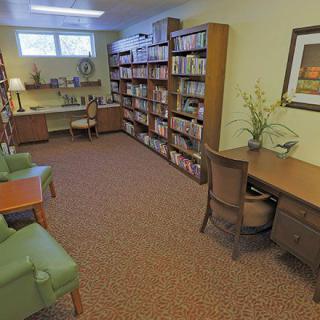
 Small library
 Telephone
 Wheelchair accessible showers
 Meadows (5 miles away)
 Transportation & parking
 24-hour supervision
 Activities of daily living assistance
 Ambulatory care
 Assistance with bathing
 Assistance with dressing
 Assistance with transfers
 Diabetes diet
 High acuity care
 Incontinence care
 Meal preparation and service
 Medication management
 Special dietary restrictions
 English
 Understanding the Distinctions: Assisted Living and Memory Care Explained
 Guiding Elderly Parents Who Refuse Assisted Living: 6 Practical Steps
 Your Comprehensive Guide to Luxury Assisted Living: Elevated Facilities, Amenities, and Costs