
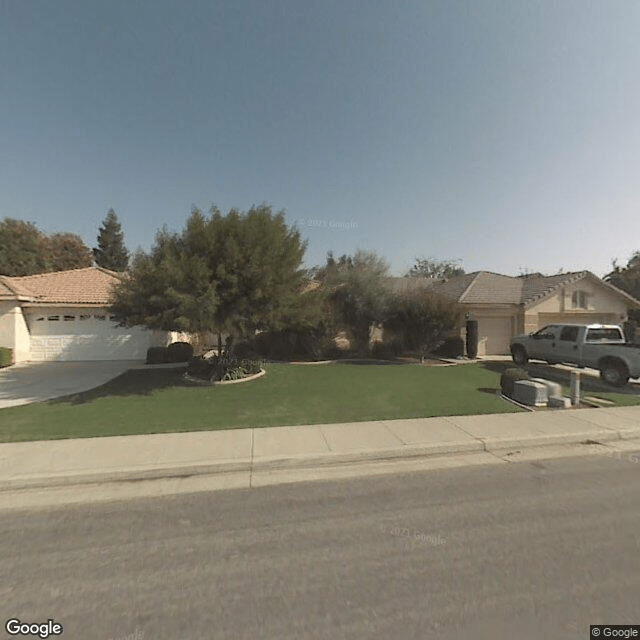
1004 Coyote Springs, Bakersfield, CA 93312
For more information about senior living options: (866) 208-4318
Arcadia Gardens Residential Care Costs & Pricing
Arcadia Gardens Residential Care offers competitive pricing for its residents, particularly when compared to the broader market in Kern County and the state of California. For a semi-private room, Arcadia Gardens charges $2,500 per month, which is notably lower than both the county average of $2,887 and the state average of $3,333. Similarly, their private room rate of $3,500 also stands out as more affordable than the county's average of $3,456 and significantly below California's overall average of $3,939. This pricing structure positions Arcadia Gardens as an appealing option for families seeking quality residential care without compromising financial stability.
| Floor plans | Arcadia Gardens Residential Care | Kern County | California |
|---|---|---|---|
| Semi-Private | $2,500 | $2,887 | $3,333 |
| Private | $3,500 | $3,456 | $3,939 |
Assisted Living communities with a similar price nearby
-
About the same
Divine Mercy Home Care
$2,500 to $3,500 / month4.2 miles away -
from +$200 / mo
A Comfort Care Home
$2,700 to $3,500 / month2.5 miles away -
About the same

Golden Castle Assisted Living
$2,500 to $4,000 / month8.8 miles away -
About the same
Balance Residential Care
$2,500 to $3,000 / month4.2 miles away -
from +$315 / mo

Oak Manor Care Center
$2,815 / month2.0 miles away
Overall Review of Arcadia Gardens Residential Care
Pros
 The home is very nice.
- The home is very clean and smells wonderful.
- It is bright and cheery.
- The staff are very nice.
- The house was already decorated for Christmas.
- It was very cheery.
- They loved the place.
Cons
 It seemed very non-social.
- Two aides were there who barely spoke any English.
- Olivia never showed up.
- The house seemed cold; they couldn't see mom living there.
Review
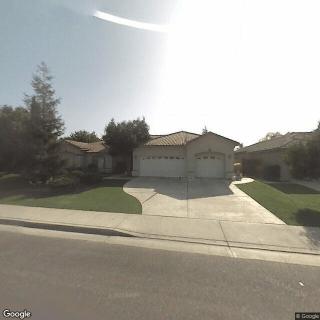
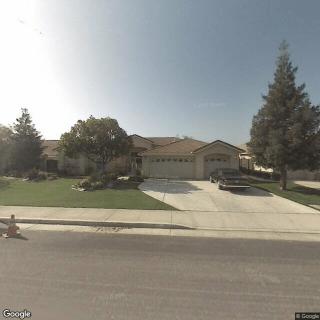
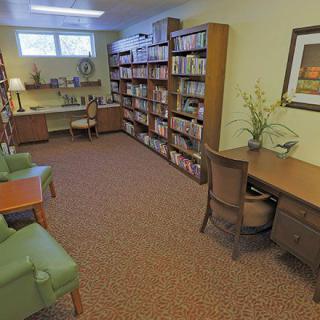
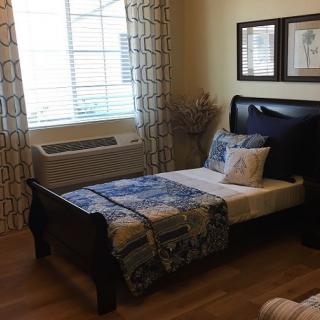
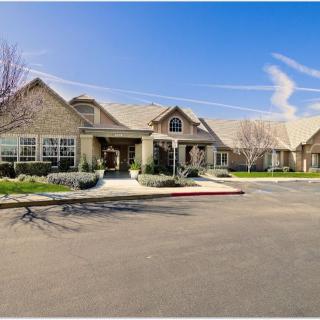
Arcadia Gardens Residential Care in Bakersfield is best suited for families seeking a very small, home-like setting where a resident can enjoy cleanliness, warmth, and personal attention from staff. The environment reads more like a private residence than a sprawling facility, with bright atmosphere, pleasant scent, and Christmas décor that makes a visit feel homelike. This setup tends to appeal to residents who prefer a calm, predictable routine and do not require heavy social programming. For a loved one who thrives on quiet companionship, steady daily rhythms, and direct caregiver contact rather than bustling activity, Arcadia offers a reassuring, genuinely domestic feel.
Those who should consider alternatives are families prioritizing robust social engagement, a broader peer network, and a consistently multilingual caregiving team. Reviews highlight a seemingly sparse social milieu and aides who speak limited English, which can create isolation for residents who rely on daily interaction and clear communication. If reliable, ongoing English-language communication with caregivers is essential, or if a rich schedule of social activities is nonnegotiable, it is prudent to explore other communities that emphasize more active resident life and stronger language support.
On the positive side, the pros are concrete and meaningful: the home is very clean, smells pleasant, and feels bright and welcoming, with staff described as nice and attentive. The intimate setting can translate into individualized attention when operations run smoothly, and a well-kept, cheerful environment can reduce stress for both resident and family. These strengths do offset some concerns for residents who value a serene, private space and personal warmth from caregivers. Yet the prominent drawbacks, limited social interaction, potential language barriers among aides, and a report that a caregiver did not show up during a visit, strike at daily comfort for many, especially when continuity of care is critical.
Families evaluating Arcadia should demand clarity on staffing patterns and culture before committing. Key questions include whether there is a dedicated caregiver assigned to the resident or if multiple aides rotate; what a typical day looks like regarding meals, activities, and social contact; how many residents are usually living in the home and what the staff-to-resident ratio is; and what languages caregivers speak, plus whether interpreters are available if needed. Observing a visit during a busier period and arranging a trial day can reveal whether the environment feels genuinely warm or rather chilly in practice, not just in description.
When contrasted with alternatives, the decision largely hinges on social priorities and reliability of care. If meaningful peer interactions, structured daily activities, and consistent English-speaking staff are paramount, a larger community with regular programming will likely be a better fit. If the priority is a discreet, homey atmosphere with highly personalized attention and the resident can tolerate a quieter pace and some variability in staffing, Arcadia can satisfy, with the caveat that expectations must be carefully calibrated around language capability and daily rhythm. A well-informed visit should establish a clear plan for ongoing communication, staffing reliability, and social opportunities before any commitment.
Bottom line: Arcadia Gardens delivers a clean, cheerful, and intimate home environment with courteous staff, but the limited social dynamics and potential staffing reliability concerns are meaningful factors. The pros align with a calm, private lifestyle for a resident who does not depend on abundant peer interaction and who can thrive with a personalized care touch, provided staffing continuity and language compatibility are confirmed. Families should use a structured visit to verify daily routines, ensure consistent caregiver assignments, and assess whether the social environment will meet their loved one’s needs. If those elements don’t align, it is wise to look at options that offer stronger social programming and multilingual support.
 6 resident community capacity
 Assisted Living
 Board and Care Home
 Activities off-site
 Bath tubs
 Cable or satellite TV
 Devotional services on-site
 Dining room
 Fully furnished
 Garden
 Housekeeping services
 Indoor common areas
 Move-in coordination
 Outdoor common areas
 Private
 Private bathrooms
 Respite or short term stays offered
 Telephone
 Wi-Fi/high-speed internet available
 Meadows (6 miles away)
 24-hour supervision
 Ambulatory care
 Assistance with bathing
 Assistance with dressing
 Assistance with transfers
 Diabetes diet
 High acuity care
 Incontinence care
 Meal preparation and service
 Medication management
 Special dietary restrictions
 Transportation arrangement (medical)
 Transportation to doctors appointments
 Assisted Living Expenses and Long-Term Care Insurance: A Comprehensive Exploration
 Securing Financial Support for Assisted Living: A Comprehensive Overview
 Social Security Benefits and Assisted Living: Navigating Options Across the U.S.