Oakwood Village offers competitive pricing for its accommodations, particularly when compared to both Placer County and the broader California state averages. For a studio, residents can expect to pay $2,725 per month, significantly lower than the county's average of $4,311 and the state's average of $4,145. The one-bedroom apartments at Oakwood Village are similarly priced at $3,400, again undercutting both local and state rates which stand at $4,777 and $4,340 respectively. Even in the semi-private category, where Oakwood's rate is set at $3,995, it remains higher than Placer County's average of $3,489 but slightly above California's statewide average of $3,333. Overall, Oakwood Village presents an appealing option for those seeking affordable living while still enjoying quality surroundings in comparison to nearby alternatives.
Floor plans
Oakwood Village
Placer County
California
Studio
$2,725
$4,311
$4,145
1 Bedroom
$3,400
$4,777
$4,340
Semi-Private
$3,995
$3,489
$3,333
Memory care communities with a similar price nearby
Residents and families consistently describe a caring, attentive staff.
Many reviews highlight staff kindness and attentiveness, including the way caregivers relate to residents and make families feel supported. Several visitors and family members describe feeling safe and cared for because staff take the time to communicate and follow through. Leadership also comes up in multiple reviews, with residents and families pointing to a warm, invested approach to day-to-day care.
common12 reviews mention this
Clean, well-kept community
Residents and visitors repeatedly mention a clean, well-maintained building.
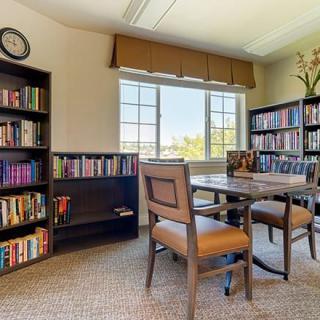
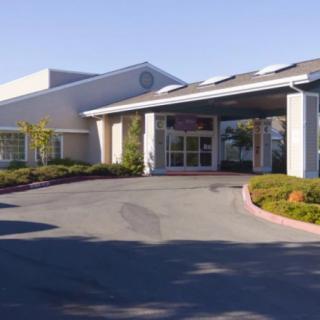
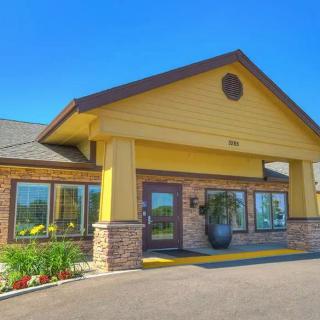
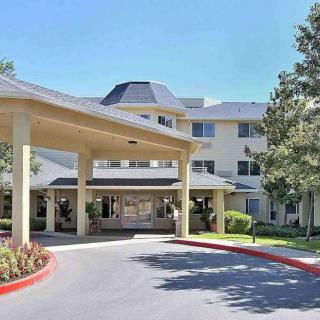
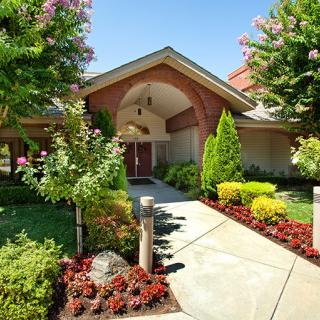
Cleanliness and upkeep are recurring positives across tours and ongoing stays. Reviews describe the facility as clean and peaceful, with well-kept common areas and grounds. A few also mention a well-organized environment that supports comfort for residents and ease for visiting families.
common13 reviews mention this
Activities keep residents engaged
The activities program is a frequent reason families feel reassured.
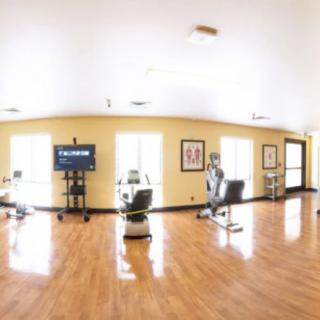
Multiple reviews point to structured daily activities, including off-site outings and on-site programs. Families describe residents staying active and socially connected, with events and groups that help make the community feel like home. The community also appears to offer a range of fitness and group activities that show up in residents’ day-to-day routines.
common10 reviews mention this
Dining receives strong praise
Residents and families often praise the food and dining experience.
Food quality and dining variety come up often, with several reviews calling out restaurant-style meals and made-to-order options. A few mentions describe residents enjoying regular meal service and snacks, along with menu variety rather than repeating the same items every day. Residents and families also note the overall experience of dining in the community’s dining room.
How we summarize
Counts show how many written reviews mention each theme; a review can touch several themes, and only frequently mentioned themes are displayed.
Features
Housing
1-bedroom apartments
Studio apartments
Types of Care
Assisted Living
Independent Living
Memory Care
Amenities
Activities off-site
Activities on-site
Beautician on-site
Cable or satellite TV
Computer center
Devotional services off-site
Devotional services on-site
Dining room
Full kitchen
Garden
Golf
Guasts at mealtime
Guest parking
Hiking trails
Housekeeping services
Indoor common areas
Kitchenette
Laundry
Outdoor common areas
Party space
Private cleaning services
Resident parking
Respite or short term stays offered
Security gate
TV room
Tennis courts
VA Benefits Consultation
Wi-Fi/high-speed internet available
Transportation
Transportation & parking
Care Services
Ambulatory care
Hospice care
Medication management
Physical therapy
Psychiatric care
Dining
Meals provided
Room service
Activities
Activities off-site
Activities on-site
Arts and crafts
Book club
Cooking club
Devotional activities offsite
Devotional activities on-site
Fitness programs
Games
Gardening club
Live musical performances
Religious services
Stories
Tai Chi
Wii bowling
Yoga / chair yoga
Languages Spoken
English
Nearby Places of Interest
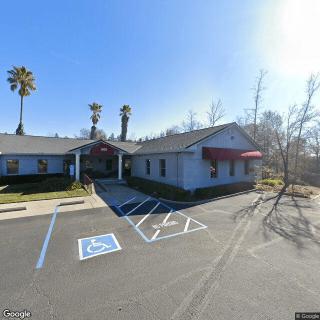
Located in Auburn, California, this area offers a variety of amenities that cater to seniors looking for convenience and comfort. Nearby hospitals such as Siena Care Center and UC Davis Medical Group provide quality healthcare services within close proximity. Additionally, there are several pharmacies like Gold Country Compoundi and Bel Air Pharmacy nearby for easy access to medications. For leisure activities, residents can enjoy the natural beauty of parks like Auburn Regional Park and Ashley Memorial Dog Park. There are also a variety of dining options ranging from fast food chains like McDonald's and Wendy's to sit-down restaurants like Applebee's. Those who enjoy coffee can visit multiple Starbucks locations or try out Dutch Bros Coffee for a change. Overall, this part of Auburn offers a well-rounded community with ample resources for seniors looking to settle down in a comfortable and convenient environment.
Hospitals
Siena Care Center (0.2 miles)
Physicians
UC Davis Medical Group (0.3 miles)
Sierra Orthopedics & Sports (0.4 miles)
Auburn Bone and Joint Orthopaedic Clinic (0.4 miles)
Auburn Family Optometry (0.4 miles)
Guadalupe MD Avila-Kirwan Internal Medicine Uc Dav (0.4 miles)
Oakwood Village offers competitive pricing for its accommodations, particularly when compared to both Placer County and the broader California state averages. For a studio, residents can expect to pay $2,725 per month, significantly lower than the county's average of $4,311 and the state's average of $4,145. The one-bedroom apartments at Oakwood Village are similarly priced at $3,400, again undercutting both local and state rates which stand at $4,777 and $4,340 respectively. Even in the semi-private category, where Oakwood's rate is set at $3,995, it remains higher than Placer County's average of $3,489 but slightly above California's statewide average of $3,333. Overall, Oakwood Village presents an appealing option for those seeking affordable living while still enjoying quality surroundings in comparison to nearby alternatives.
Medication management at Oakwood Village ensures that residents receive the correct medications at the right times, which is crucial for maintaining cognitive function and overall health in individuals with dementia or Alzheimer's. By closely monitoring medication adherence and potential side effects, staff can address any issues promptly, enhancing stability and comfort for residents. Additionally, physical therapy facilitates improved mobility and physical strength, which can positively impact mental well-being. Engaging in tailored physical activities not only helps to reduce anxiety and agitation but also promotes social interaction among residents, fostering a supportive community that can alleviate feelings of isolation commonly experienced by those with memory impairments. Together, these features create a holistic approach to care that addresses both physical and cognitive needs, ultimately improving quality of life.
Nearby Communities
Oakwood Village
Auburn, CA
4.6 from 44 reviews
$2,250 to $3,750 / month
Caring staff in a clean, homey environment.
Auburn Oaks Care Center
Auburn, CA
4.4 from 72 reviews
Clean, well-maintained environment with professional staff and engaging activities.
Brookdale Auburn
Auburn, CA
4 from 80 reviews
$4,130 to $7,640 / month
Clean facility with friendly staff and engaging activities.
Siena Skilled Nursing And Rehabilitation Center
Auburn, CA
4.3 from 87 reviews
Comprehensive on-site care and amenities (24/7 supervision, ADL support, dining, transportation, activities).
Sierra Ridge Senior Living
Auburn, CA
4.5 from 33 reviews
$4,595 to $6,695 / month
Easy move-in process with attentive staff and engaging memory-care programs.
Solstice Senior Living At Auburn
Auburn, CA
4.6 from 110 reviews
$3,536 to $6,481 / month
Caring staff, welcoming atmosphere, and a vibrant activity program in a beautiful setting.
Partners In Care LLC - Auburn
Auburn, CA
4.6 from 5 reviews
Reliable, compassionate care with quick responsiveness and good value.
Lincoln Meadows Care Center
Lincoln, CA
4.3 from 127 reviews
Friendly staff and strong rehabilitation therapies in a pleasant, well-maintained setting.
Summerfield of Roseville Memory Care
Roseville, CA
4.7 from 96 reviews
$3,700 to $4,600 / month
Friendly, attentive staff with personalized care and strong family communication in a small, home-like setting.
Reminiscence therapy helps individuals with dementia recall past memories through structured discussions and meaningful objects, enhancing mood, relationships, and sense of identity while celebrating their lives. It can be practiced in formal settings or at home, requiring sensitivity to personal histories and cultural backgrounds.
Reminiscence therapy is a structured method for older adults, especially those with dementia, to share life stories using prompts and sensory cues, fostering emotional well-being, social engagement, and self-identity. It aims to improve quality of life by enhancing interpersonal connections and cognitive stimulation while requiring careful facilitation to avoid distressing memories.
Dementia, particularly Lewy body dementia, often involves hallucinations that can significantly distress both patients and caregivers due to disruptions in sensory processing and neurotransmitter imbalances. Effective management includes compassionate communication, environmental adjustments, and a multidisciplinary approach to care while addressing the emotional needs of caregivers.
Get PricingAsk A QuestionSchedule A TourContact Senior Advisor
By clicking submit, you agree to our Partner's Terms of Use. You
also consent to receive calls and texts, which may be autodialed, from our Partner. Your consent is not a condition to
using our Partner's service. Please visit our Partner's Privacy Policy for information about their privacy practices.


 1-bedroom apartments
 Assisted Living
 Independent Living
 Memory Care
 Activities off-site
 Beautician on-site
 Cable or satellite TV
 Computer center
 Devotional services off-site
 Dining room
 Full kitchen
 Garden
 Golf
Golf Guest parking
 Hiking trails
 Housekeeping services
 Indoor common areas
 Laundry
 Outdoor common areas
 Party space
 Respite or short term stays offered
 Security gate
 Tennis courts
 VA Benefits Consultation
 Wi-Fi/high-speed internet available
 Transportation & parking
 Ambulatory care
 Hospice care
 Medication management
 Physical therapy
 Psychiatric care
 Meals provided
 Arts and crafts
 Book club
 Cooking club
 Fitness programs
 Games
Games Live musical performances
 Tai Chi
 Wii bowling
 English
 Caring staff in a clean, homey environment.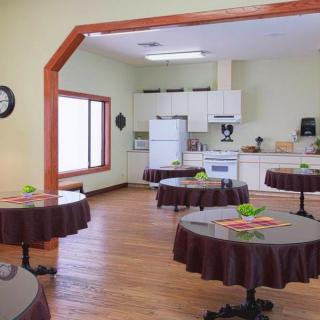
 Exploring the Power of Reminiscence Therapy for Individuals With Dementia
 An In-Depth Look at Reminiscence Therapy in Dementia Care
 Dementia-Related Hallucinations: Causes, Experiences, and Practical Approaches