Niece Elderly Care

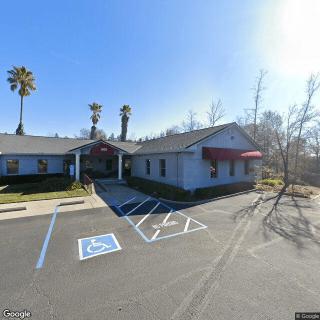
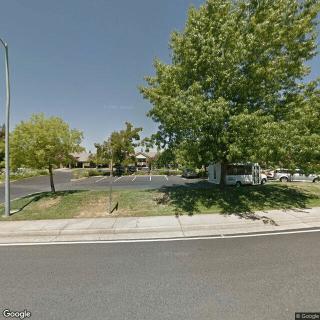
2620 Wilder Sparling Lane, Auburn, CA 95603

For more information about senior living options: (844) 490-3973

5 from 2 reviews
Assisted Living Board and Care Home

Overall Review of Niece Elderly Care

Pros

  • pro Pinecrest Retirement Home is described as family-operated and not like an institutional facility.
  • pro The Moktan family is warm, caring, and unselfish, devoted to residents' comfort and safety.
  • pro The meals are prepared fresh daily and are healthy, not cafeteria-style.
  • pro Residents are dressed every morning, assisted into their wheelchairs, and brought into the living room.
  • pro Residents dine together at the dining room table and largely feed themselves.
  • pro The move to Pinecrest has led to improved health and appetite for the resident.
  • pro The reviewer experiences peace of mind knowing that the resident is receiving excellent care.

Cons

  • pro The previous facility neglected the father's needs.
  • pro This neglect caused a downturn in the father's health and state of mind.
  • pro The caretaker hired earlier had minimal experience.

Review

Terre Arthur shares a deeply personal account of her father's journey with dementia, a broken hip, and the wrenching decision to leave behind a facility that had begun to fail him. At 94, her father faced a complex mix of health challenges: a hip surgery from eighteen months earlier had left him wheelchair-bound, and his dementia added layers of daily care needs that proved hard to meet in his previous setting. Before Pinecrest Retirement Home came into the picture, Terre's father had been living in an upscale assisted living facility in Lincoln. It was there that she uncovered neglect that worsened his health and mental well-being, a revelation that forced her to rethink the kind of environment in which her father could safely and lovingly live out his days.

The discovery of neglect set off a chain of decisive moves. Terre made the difficult choice to bring a full-time, live-in caretaker into their lives and relocate her father to live with her. The transition did not occur without significant hurdles: within two weeks of bringing the caretaker into the home, the family, like so many others in caregiving, contracted Covid. Terre herself has a physical disability, which meant she could not assist with the physically demanding tasks her father required - tasks like lifting him in and out of bed and into a wheelchair, then maneuvering through a narrow hallway and down door frames. To prevent her father from becoming bedbound, she even invested in an electric lift to aid with the transfers, a tool that underscored the logistical and spatial challenges involved in his daily routine.

It was clear to Terre that professional, hands-on care was necessary. After two months of trying to manage her father's needs with the caretaker she had hired, she sought out Pinecrest Retirement Home in Auburn, California, based on a trusted tip from a friend whose mother had been a resident there for more than ten years. The friend spoke highly of Pinecrest's family-operated model, contrasting it with impersonal, institutional care. The friend emphasized the Moktans' commitment - described as warm, unselfish, and deeply devoted to ensuring their residents' comfort and safety. This personal recommendation resonated with Terre, who was seeking a more humane and attentive environment for her father.

Before committing to Pinecrest, Terre met the Moktans in person. The family's hospitality was evident from the outset. Danny Moktan gave Terre a thorough tour of the house and grounds and spoke candidly about the services they provide and the family's philosophy of care. A key to her decision was Pinecrest's emphasis on fresh, healthy meals prepared daily for residents with diabetes in mind. Terre was reassured by the absence of cafeteria-style dining and the assurance that meals would be prepared with individual needs and preferences in mind. The initial impression was reinforced by how the residents appeared: they were cleanly dressed and seemed content, a small but telling sign of the homes' atmosphere and routine.

Since moving her father to Pinecrest, Terre notes tangible improvements in his health and overall well-being. He has been living at Pinecrest for a little over a year, and during that time, both his health and his appetite have shown positive changes. The daily routine has become clearer and more predictable: the Moktans or their staff dress her father each morning, assist him into his wheelchair, and bring him to the living room where he can be with the other residents. At mealtimes, he now enjoys three meals a day in the dining room, choosing to feed himself for the most part, something that had not been possible when he lived with Terre prior to the move.

The transformation also extends beyond physical care to emotional and psychological well-being. Terre describes her prior state as a "nervous wreck," consumed with worry about whether her father was receiving the daily care he needed. The shift to Pinecrest brought her a sense of peace, a confidence that her father is receiving excellent care in a home-like setting rather than an institution. The environment at Pinecrest - family-operated, intimate, and focused on individualized attention - appears to have supported not only her father's physical needs but also his sense of dignity and comfort. Terre's account highlights the relief that comes from trusting a dedicated, family-led team to look after a loved one, particularly when that loved one is navigating age-related health challenges and dementia.

In Terre's narrative, Pinecrest Retirement Home represents more than just a comfortable place to live; it embodies a compassionate, family-centered approach to elder care. The Moktan family's involvement - welcoming residents as part of a close-knit community, personally engaging in the daily routines, and prioritizing home-cooked meals - shaped a stark contrast to the prior experience in Lincoln. The result, as Terre emphasizes, is not only improved physical health and appetite for her father but also a renewed sense of security and serenity for her as a caregiver and daughter. In her closing reflections, Terre attributes her newfound peace of mind to the care and attentiveness she witnessed at Pinecrest, and to the family's unwavering commitment to treating every resident with warmth, respect, and individualized attention.

Features

Housing

  • 4 resident community capacity 4 resident community capacity

Types of Care

  • Assisted Living Assisted LivingAssisted living facilities provide crucial support and care for seniors who may need help with daily tasks such as medication management, bathing, and meal preparation. These communities offer a safe and comfortable environment where seniors can maintain their independence while receiving the assistance they need to thrive in their golden years.
  • Board and Care Home Board and Care HomeBoard and care homes provide a smaller, more intimate setting for seniors who require assistance with daily tasks but do not need the level of care offered by a nursing home. They offer personalized care, meals, and social activities in a homelike environment, ensuring that seniors receive individualized attention and support in their golden years.

Amenities

  • Cable or satellite TV Cable or satellite TVCable or satellite TV is important for seniors because it provides entertainment, news, and companionship, helping to combat loneliness and boredom. It also offers a wide range of programming options tailored to different interests and preferences.
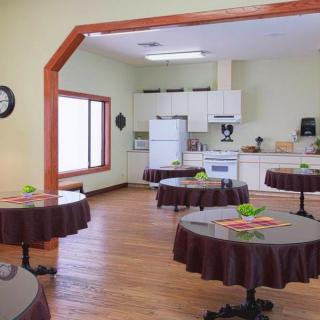
  • Dining room Dining roomDining rooms are important for seniors as they provide a space for socialization, connection, and nutritious meals. They offer opportunities for residents to bond over shared meals, foster a sense of community, and promote healthy eating habits. Dining rooms also ensure that seniors have access to well-balanced meals tailored to their dietary needs and preferences.
  • Fully furnished Fully furnishedFully furnished senior living communities are important for seniors because they provide convenience, comfort, and a hassle-free moving experience. Seniors can easily settle into their new living space without the stress of having to buy and move furniture. This allows them to focus on enjoying their new home and community.
  • Garden GardenGardens are important for seniors as they provide a peaceful and therapeutic environment for relaxation, physical activity, and socialization. Being in nature has been shown to reduce stress, improve mood, and promote overall well-being. Gardens also offer opportunities for seniors to engage in gardening activities, which can improve mobility, flexibility, and cognitive function. Additionally, gardens create a sense of community and connection with others who share a passion for plants and outdoor spaces.
  • Housekeeping services Housekeeping servicesHousekeeping services are important for seniors because they help maintain a clean and safe living environment, promote independence, and reduce the risk of accidents or illnesses. Additionally, having assistance with household chores can alleviate physical strain and allow seniors to focus on other aspects of their well-being.
  • Move-in coordination Move-in coordinationMove-in coordination is important for seniors because it helps ease the transition into their new living environment. It ensures that all logistics, such as packing, organizing movers, and setting up utilities are taken care of, allowing seniors to focus on settling in and adjusting to their new home. Having a smooth move-in process can alleviate stress and anxiety, making the transition smoother and more enjoyable for seniors.
  • Outdoor space Outdoor spaceOutdoor spaces are important for seniors as they provide opportunities for physical activity, social interaction, exposure to natural light and fresh air, and a sense of connection to nature. Having access to outdoor spaces can improve overall well-being and quality of life for older adults living in senior communities.
  • Telephone TelephoneTelephones are important for seniors as they provide a lifeline for communication with loved ones, emergency services, and healthcare providers. They offer a sense of security and independence, enabling seniors to stay connected and access assistance when needed.
  • Wi-Fi/high-speed internet available Wi-Fi/high-speed internet availableWi-Fi/high-speed internet is important for seniors to stay connected with loved ones, access online resources, and participate in virtual activities to combat feelings of loneliness and isolation. It also allows them to easily manage healthcare needs, access entertainment, and engage in lifelong learning opportunities.

Care Services

  • 24-hour supervision 24-hour supervision24-hour supervision is important for seniors to ensure their safety, well-being, and access to immediate assistance in case of emergencies or health issues. This constant support provides peace of mind for both seniors and their loved ones, allowing them to age in place with dignity and security.
  • Activities of daily living assistance Activities of daily living assistanceActivities of daily living assistance are important for seniors because they provide essential support with tasks such as eating, bathing, dressing, and mobility. This assistance helps seniors maintain their independence, dignity, and overall quality of life as they age.
  • Assistance with bathing Assistance with bathingAssistance with bathing is crucial for seniors as it helps maintain personal hygiene, prevents infections, and ensures their overall well-being and comfort. It also provides a sense of dignity and independence for seniors who may struggle with this task on their own.
  • Assistance with dressing Assistance with dressingAssistance with dressing is important for seniors because it helps maintain their independence, promotes personal hygiene, prevents accidents and injuries, and improves overall quality of life. This service ensures that seniors can continue to dress comfortably and confidently, despite any physical limitations they may have.
  • Assistance with transfers Assistance with transfersAssistance with transfers is crucial for seniors as it helps prevent falls and injuries, maintains their independence, and ensures they can safely navigate their living environment. It also provides peace of mind for both seniors and their loved ones.
  • Coordination with health care providers Coordination with health care providersCoordination with health care providers is crucial for seniors to ensure proper medical care, medication management, and overall well-being. This collaboration helps prevent overlapping treatments, track progress more effectively, and provide comprehensive support tailored to individual needs.
  • Diabetes diet Diabetes dietA diabetes diet is crucial for seniors as it helps manage blood sugar levels, reduce risks of complications, and improve overall health and well-being. By following a balanced and nutritious diet tailored to their specific needs, seniors can better control their diabetes and enhance their quality of life.
  • Meal preparation and service Meal preparation and serviceMeal preparation and service are crucial for seniors as they may have limited mobility or energy to cook nutritious meals. Having access to healthy and convenient food options can ensure they are getting the proper nutrition needed to maintain their overall health and well-being.
  • Medication management Medication managementMedication management is crucial for seniors to ensure they are taking the right medications at the correct dosages and times. This helps prevent adverse drug interactions, reduces the risk of medication errors, and promotes overall health and well-being. Proactive management also allows for adjustments as needed based on changing health conditions or new prescriptions.
  • Special dietary restrictions Special dietary restrictionsSpecial dietary restrictions are important for seniors because age-related changes in metabolism and health conditions can make it difficult for their bodies to process certain foods. By following a diet tailored to their specific needs, seniors can maintain their overall health and well-being, manage chronic conditions, and reduce the risk of complications such as malnutrition or food interactions with medications.
  • Transportation arrangement (medical) Transportation arrangement (medical)Transportation arrangements for medical purposes are essential for seniors as they may have difficulty driving themselves to appointments or accessing public transportation. Having reliable and safe transportation options ensures that seniors can receive timely medical care and maintain their health and well-being.
  • Transportation to doctors appointments Transportation to doctors appointmentsTransportation to doctors' appointments is crucial for seniors as it ensures they have access to necessary medical care and support for their health needs. Without reliable transportation, seniors may struggle to attend important appointments, leading to potential delays in treatment and health complications. Providing transportation services helps seniors maintain their overall well-being and quality of life.

Dining

  • Diabetes diet Diabetes dietA diabetes diet is crucial for seniors as it helps manage blood sugar levels, reduce risks of complications, and improve overall health and well-being. By following a balanced and nutritious diet tailored to their specific needs, seniors can better control their diabetes and enhance their quality of life.
  • Special dietary restrictions Special dietary restrictionsSpecial dietary restrictions are important for seniors because age-related changes in metabolism and health conditions can make it difficult for their bodies to process certain foods. By following a diet tailored to their specific needs, seniors can maintain their overall health and well-being, manage chronic conditions, and reduce the risk of complications such as malnutrition or food interactions with medications.

Activities

  • Community-sponsored activities Community-sponsored activitiesCommunity-sponsored activities are important for seniors as they provide opportunities for social interaction, mental stimulation, and physical activity. These activities can help improve overall well-being, combat loneliness and isolation, and promote a sense of belonging and purpose among older adults.
  • Scheduled daily activities Scheduled daily activitiesScheduled daily activities are important for seniors because they provide structure, socialization, mental stimulation, and physical activity. Engaging in regular activities can improve overall well-being and quality of life for seniors living in a community setting.

Description

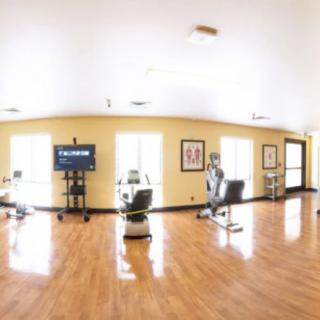
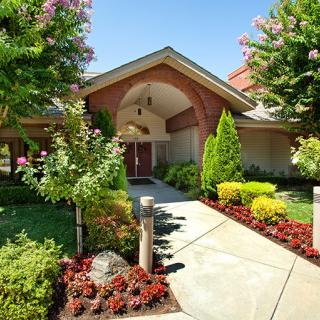
The assisted living community in Auburn, CA offers top-quality care for elderly individuals in a comfortable and homelike environment. This board and care home provides a range of amenities to ensure convenience and enjoyment for its residents. The community features a spacious dining room where residents can enjoy delicious meals prepared by the staff. Each room is fully furnished, providing a cozy and relaxing space for residents to call their own.

The community also offers a beautiful garden area, allowing residents to appreciate the outdoors and spend time in nature. Housekeeping services are provided to ensure that the living spaces are clean and well-maintained. Move-in coordination is offered to assist new residents with a smooth transition into their new home.

For those who wish to stay connected, telephone and Wi-Fi/high-speed internet services are available throughout the community. Residents can easily keep in touch with loved ones or browse the internet at their leisure.

In terms of care services, the community provides assistance with activities of daily living such as bathing, dressing, and transfers. There is also coordination with health care providers to ensure that residents receive comprehensive medical support. Diabetes diet management is available for those who require it, along with medication management for all residents. Special dietary restrictions are accommodated to cater to individual needs.

Transportation arrangement for medical purposes is provided, ensuring that residents can attend necessary appointments without any hassle. Additionally, transportation options are available for regular visits to doctors' offices.

To promote an active lifestyle, scheduled daily activities are organized within the community. Residents can participate in engaging social events and recreational activities tailored to their interests and preferences.

Moreover, the surrounding area offers numerous amenities within close proximity. With six cafes nearby, residents have various options for casual dining or meeting friends over a cup of coffee. Three parks provide opportunities for outdoor recreation or peaceful walks amidst nature. There are also seven pharmacies conveniently located nearby for medication needs. Residents have easy access to 16 physicians who specialize in a range of medical services. Additionally, there are 19 restaurants and one theater close by, allowing residents to enjoy dining out or entertainment options. In case of any medical emergencies, there is a hospital nearby to provide immediate care.

Overall, this assisted living community in Auburn, CA offers an exceptional level of care and an array of amenities to ensure the comfort and well-being of its residents.

Nearby Places of Interest

Hospitals

  • Siena Care Center (1.9 miles)

Physicians

  • Guadalupe MD Avila-Kirwan Internal Medicine Uc Dav (1.9 miles)
  • UC Davis Medical Group (2 miles)
  • Auburn Family Optometry (2 miles)
  • DaVita Auburn Dialysis (2 miles)
  • Next Level Dental (2 miles)
  • Sierra Orthopedics & Sports (2.1 miles)
  • Auburn Bone and Joint Orthopaedic Clinic (2.1 miles)

Pharmacies

  • Gold Country Compoundi (2.1 miles)
  • Bel Air Pharmacy (2.2 miles)
  • Rite Aid (3 miles)
  • Save Mart Supermarkets (3.1 miles)
  • Longs Drugs (3.1 miles)
  • CVS Pharmacy (3.1 miles)
  • Sierra Compounding Pharmacy (4.1 miles)

Restaurants

  • McDonald's (2.2 miles)
  • Pho King Good (2.3 miles)
  • Dunk 'n Run Donuts (2.4 miles)
  • Wendy's (2.4 miles)
  • Applebee's (2.5 miles)
  • El Charro Market (2.6 miles)
  • Taco Tree (2.8 miles)

Parks

  • Auburn Regional Park (2.4 miles)
  • Ashley Memorial Dog Park (3.5 miles)
  • Auburn State Recreation Area (4.1 miles)
  • Boulder Ridge Park (8 miles)
  • McBean Memorial Park (8.8 miles)
  • Breen Park (10 miles)
  • Johnson-Springview Park (11.1 miles)

Theaters

  • Regal Auburn - California (2.7 miles)
  • SMG Rocklin (9.4 miles)

Cafes

  • Dutch Bros Coffee (3 miles)
  • Starbucks (3.1 miles)
  • The Pour Choice (3.2 miles)
  • North Fork Chai (3.4 miles)
  • Starbucks (3.7 miles)
  • Starbucks (3.8 miles)
  • Starbucks (7.8 miles)

Frequently Asked Questions

Where is Niece Elderly Care?

Nearby Communities

Related Resources

  • aid and attendance vaAn Extensive Exploration of the VA Aid and Attendance Benefit

    The VA Aid and Attendance benefit provides financial support to veterans needing assistance with daily living due to medical conditions or disabilities, augmenting standard VA pensions for services like in-home care. Eligibility is based on service duration, wartime status, income, and medical needs, with a detailed application process required to access funds for caregiving and home modifications.

  • senior move managementSenior Transition Services: Understanding Their Role, Cost, and Importance

    Senior move management services assist older adults in the relocation process by providing emotional support and organizational help, addressing unique challenges like downsizing and moving from long-term homes. These specialists collaborate with real estate agents and manage logistics, making the transition smoother for seniors and their families.

  • independent living vs assisted livingExploring the Path to Senior Living: A Comprehensive Look at Independent Living and Assisted Living

    The article examines senior housing options, detailing the distinctions between independent living and assisted living, along with the emerging "independent assisted living" model that blends both approaches. It highlights the importance of assessing individual needs, preferences, and financial factors in making informed decisions about suitable living arrangements for seniors.