
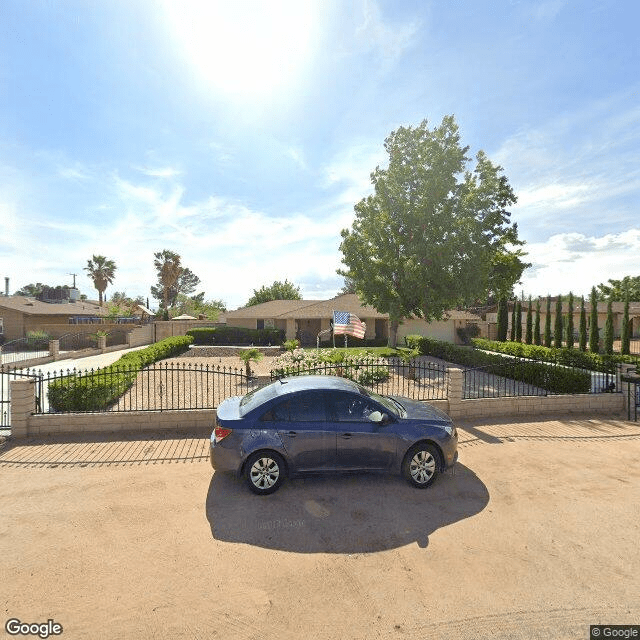
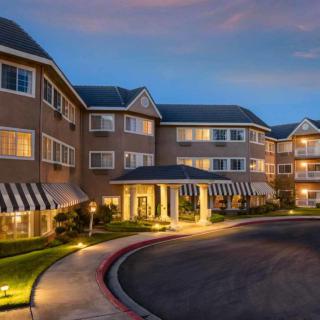
13224 Iroquois, Apple Valley, CA 92308
To contact a resident: (213) 999-0995
For more information about senior living options: (866) 208-4318
Crystal Garden Costs & Pricing
Crystal Garden offers a range of monthly costs that reflect its commitment to providing high-quality care in a comfortable environment. For semi-private rooms, residents can expect to pay $3,300, which is slightly above the San Bernardino County average of $2,958 but remains competitive when compared to the California state average of $3,333. For private room options, pricing ranges from $3,350 to $4,500; this range aligns closely with local and state averages - San Bernardino reports an average of $3,561 while California's sits at $3,939. Additionally, Crystal Garden's studio units are priced at $4,500 - higher than the county's average of $3,455 but still within reach of the statewide average of $4,145. Overall, Crystal Garden's pricing reflects its value proposition and dedication to exceptional resident care amidst the varying costs seen throughout the region.
| Floor plans | Crystal Garden | San Bernardino County | California |
|---|---|---|---|
| Semi-Private | $3,300 | $2,958 | $3,333 |
| Private | $3,350 to $4,500 | $3,561 | $3,939 |
| Studio | $4,500 | $3,455 | $4,145 |
Memory care communities with a similar price nearby
-
from -$350 / mo
Valley Crest Memory Care
$3,000 to $4,095 / month4.4 miles away -
from -$150 / mo
Skyline Villa
$3,200 / month0.8 miles away -
from -$550 / mo
At HomeCare - Cocqui
$2,800 / month3.9 miles away -
from -$350 / mo
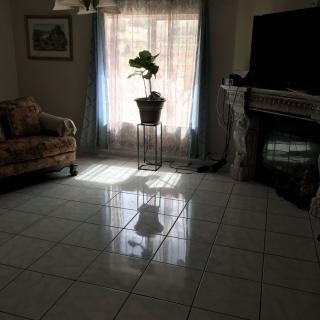
Alpha Homecare
$3,000 to $3,500 / month2.5 miles away -
from -$350 / mo
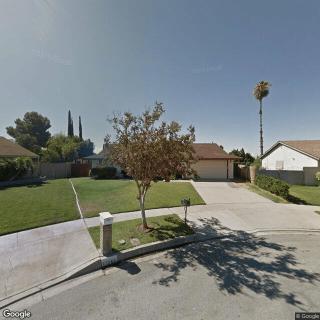
Anastasia Garden
$3,000 to $3,500 / month24.8 miles away
Overall Review of Crystal Garden
Pros
 The staff are nice, caring, and attentive to residents.
- The facility engages residents in daily activities and social events.
- Meals are tailored to health needs, such as diabetes management.
- The environment is clean, tidy, and free of odors.
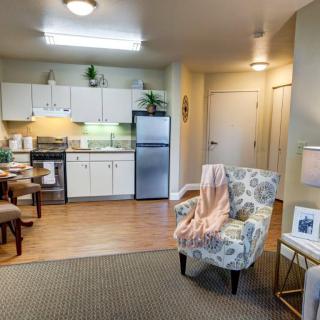
- There are comfortable indoor and outdoor spaces for residents to enjoy.
- Residents participate in activities like dancing, music, crafts, and light exercise.
- Families are warmly welcomed and the facility maintains an open-door policy.
- Spiritual needs are supported with activities such as Bible study.
Cons
 There are way too many people for that home.
- The medication didn’t look like it was being monitored.
- It wasn’t locked up; it was in a cabinet that was unlocked and accessible to anybody.
- There were places outside with rebar sticking up that were covered only by a small plastic cup.
- There were about ten of those protrusions in the middle of the patio.
- It was just totally unsafe.
- The staff were busy feeding people and there were so many people crammed into that little area.
- They said they were not required by law to have that health-care information.
- Some meals aren’t that great.
- Memory care is expensive.
Review
Crystal Garden RCFE in Apple Valley is best suited for families seeking a warm, home-like setting that emphasizes daily engagement, personal attention, and a faith-friendly atmosphere. It works well for seniors who don’t need around-the-clock medical authority but crave structured activities, regular social interaction, and customized nutrition, especially those managing conditions like diabetes who appreciate deliberate dietary adjustments. The facility’s open-door feel, emphasis on celebrations, and visible caregiver involvement create a sense of belonging and continuity that many families value in memory-care environments. Those prioritizing clinical rigor, strict safety systems, or a more modern, purpose-built layout may want to look elsewhere.
Families should consider alternatives if the priority is robust medical oversight or highly controlled safety protocols. The most troubling observations center on medication handling that appeared unsecured, with an unlocked cabinet and a perception that health-care questions may not be treated with the priority of a hospital-style setting. Outdoor spaces also raised safety red flags, including rebar hazards covered by only a plastic cup, signaling risk-management gaps in what is otherwise a growing home. Staff, while kind, were reportedly overwhelmed by crowding, which can dilute individualized attention during busy shifts. These realities matter for anyone whose loved one requires meticulous clinical monitoring or tighter risk controls.
The community’s strengths still land hard against these concerns. Cleanliness and tidiness are repeatedly noted, and residents show comfort and ease with caregivers who engage in meaningful activities and celebrations. The program delivers a lively rhythm: daily dances and music, outdoor time in good weather, and accessible large-motor activities like stationary bikes. Nutrition receives clear attention, with menus adapted to diabetes and ongoing collaboration with families to preserve health while preserving taste. The social environment also supports families, with open communication and neighbors dropping in, and a genuine sense that the residence is a place residents can call home.
From a practical standpoint, a careful tour should verify four levers: medication safety practices, current staffing levels and turnover, the clarity and reach of the memory-care program, and the openness of the billing structure. Prospective residents should ask who administers medications, how oversight is maintained on weekends, and what contingency plans exist for medical escalations. Clarify the staff-resident ratio during meals and activities, and whether additional help is brought in for peak times. Inquire about how diet modifications are implemented for chronic conditions, how spiritual or cultural activities are integrated, and what is included in the base rate versus add-ons. If construction or expansion is underway, request a schedule so routines won’t be unsettled.
Cost dynamics are pivotal in the calculation, especially for memory care. One family explicitly framed memory care as expensive but worth it for the level of personal attention and nutrition management, underscoring that Crystal Garden delivers relational warmth and responsive care that can justify the price. The open, welcoming vibe, coupled with a readiness to tailor meals and routines to individual needs, strengthens the value proposition for many families. Still, affordability remains a real consideration, and budget should be aligned with expected care levels and potential future needs. If the budget allows and the care priorities align with engagement, warmth, and personalized planning, Crystal Garden earns strong merit.
Bottom line: Crystal Garden serves as a solid choice for families prioritizing a personable, activity-rich environment with meaningful family involvement and memory-care emphasis, provided safety gaps are acknowledged and actively managed. It is well-suited for residents who thrive on structured interaction, daily wellness routines, and dietary customization in a neighborhood setting with an open-door policy. For families needing stringent medical oversight, enhanced safety engineering, or a more clinical care footprint, explore alternatives with stronger on-site medical governance. A prudent visit that probes medication handling, staffing during peak periods, and the specifics of the memory-care program will reveal whether Crystal Garden aligns with needs, preferences, and budget, or if another option better fits the care plan.
 6 resident community capacity
 Assisted Living
 Board and Care Home
 Memory Care
 Cats allowed
 Dogs allowed
 Activities off-site
 Beautician on-site
 Cable or satellite TV
 Dining room
 Fully furnished
 Garden
 Guest parking
 Housekeeping services
 Indoor common areas
 Laundry
 Move-in coordination
 Outdoor common areas
 Party space
 Private
 Respite or short term stays offered
 Telephone
 Wi-Fi/high-speed internet available
 24-hour supervision
 Ambulatory care
 Assistance with bathing
 Assistance with dressing
 Assistance with transfers
 Companion care
 Diabetes diet
 Hospice care
 Incontinence care
 Meal preparation and service
 Medication management
 Special dietary restrictions
 Transportation arrangement (medical)
 Transportation to doctors appointments
 Arts and crafts
 Games
Games Live musical performances
 Religious services
 Stories
 English
 When Dementia Sparks Anger and Aggression: Understanding the Connection and Ways to Cope
 Dementia Behaviors: In-Depth Understanding and Effective Coping Strategies
 5 Early Indicators of Dementia and What You Can Do