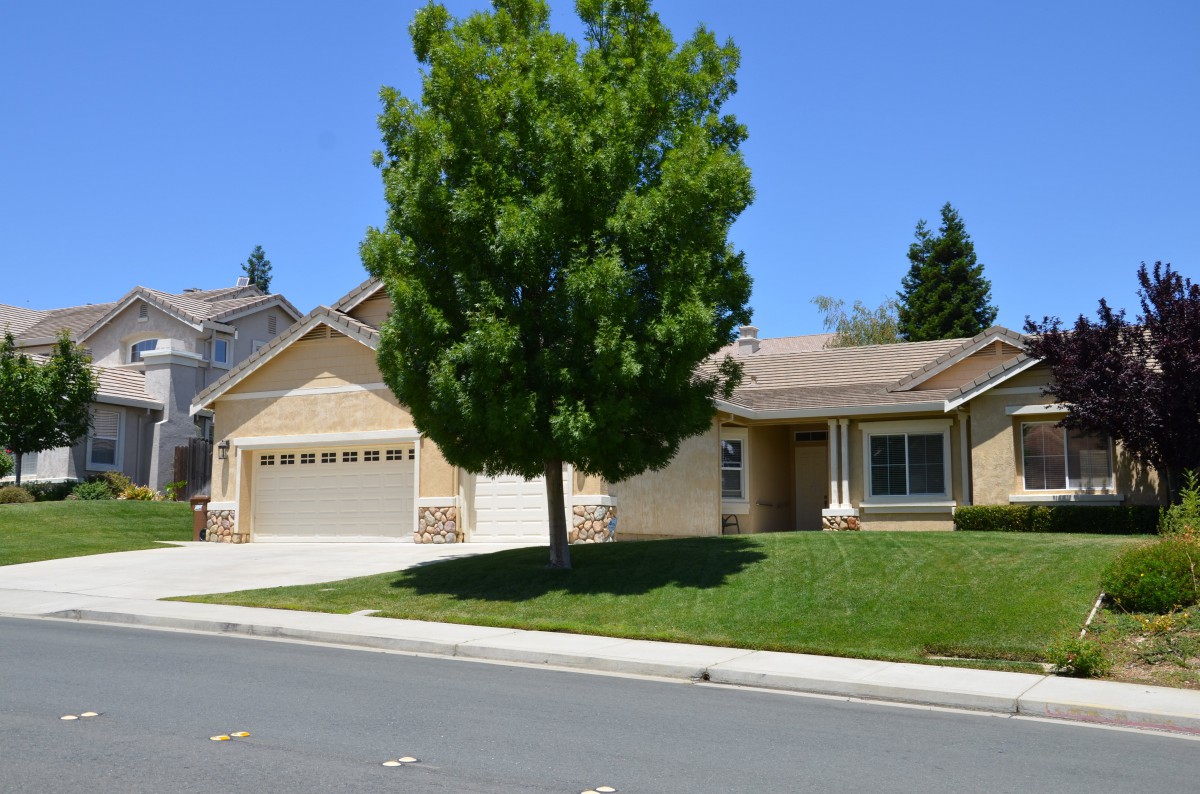
5168 Judsonville Drive, Antioch, CA 94531
For more information about senior living options: (866) 208-4318

Laylor Care Home For The Elderly Costs & Pricing
Laylor Care Home For The Elderly offers competitive pricing for its residents, particularly when compared to both Contra Costa County and the wider California market. For a semi-private room, Laylor's monthly fee is $3,000, which is notably lower than the county average of $3,471 and slightly beneath the state average of $3,333. Similarly, the private room rate at Laylor stands at $4,000, which is also favorable when juxtaposed with the local average of $4,088 and remains below the state's typical cost of $3,939. These price points reflect Laylor's commitment to providing quality care while remaining accessible in terms of affordability within a challenging economic landscape.
| Floor plans | Laylor Care Home For The Elderly | Contra Costa County | California |
|---|---|---|---|
| Semi-Private | $3,000 | $3,471 | $3,333 |
| Private | $4,000 | $4,088 | $3,939 |
Memory care communities with a similar price nearby
-
from -$500 / mo
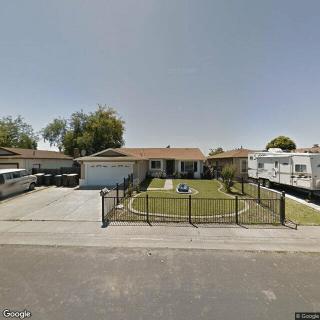
Village Golden Care Home
$2,500 to $3,800 / month23.0 miles away -
About the same

TreVista at Antioch
$2,995 to $5,995 / month1.6 miles away -
About the same

Joy Senior Center
$3,000 to $3,800 / month6.5 miles away -
from +$500 / mo
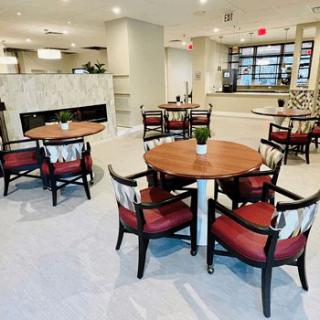
MorningStar of Hayward
$3,500 to $6,275 / month24.3 miles away -
from +$295 / mo
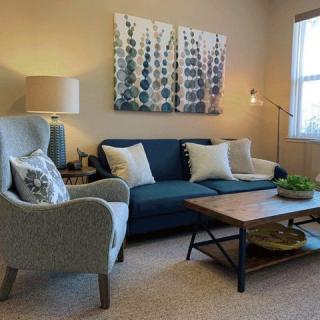
Carlton Senior Living San Leandro
$3,295 to $5,995 / month24.7 miles away
Overall Review of Laylor Care Home For The Elderly
Pros
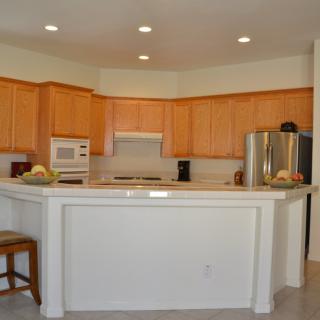
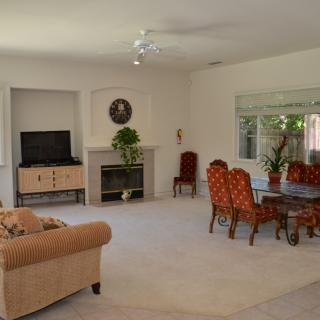
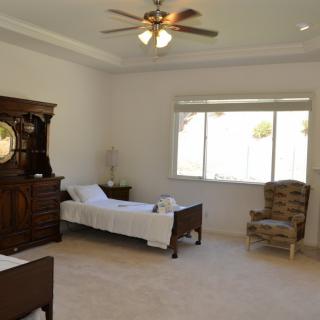
 Laylor Care Home is consistently described as clean, bright, and well organized.
- The staff are praised for endless patience and kindness, treating residents like family.
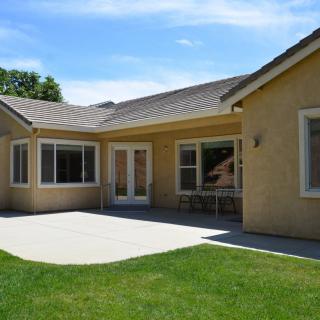
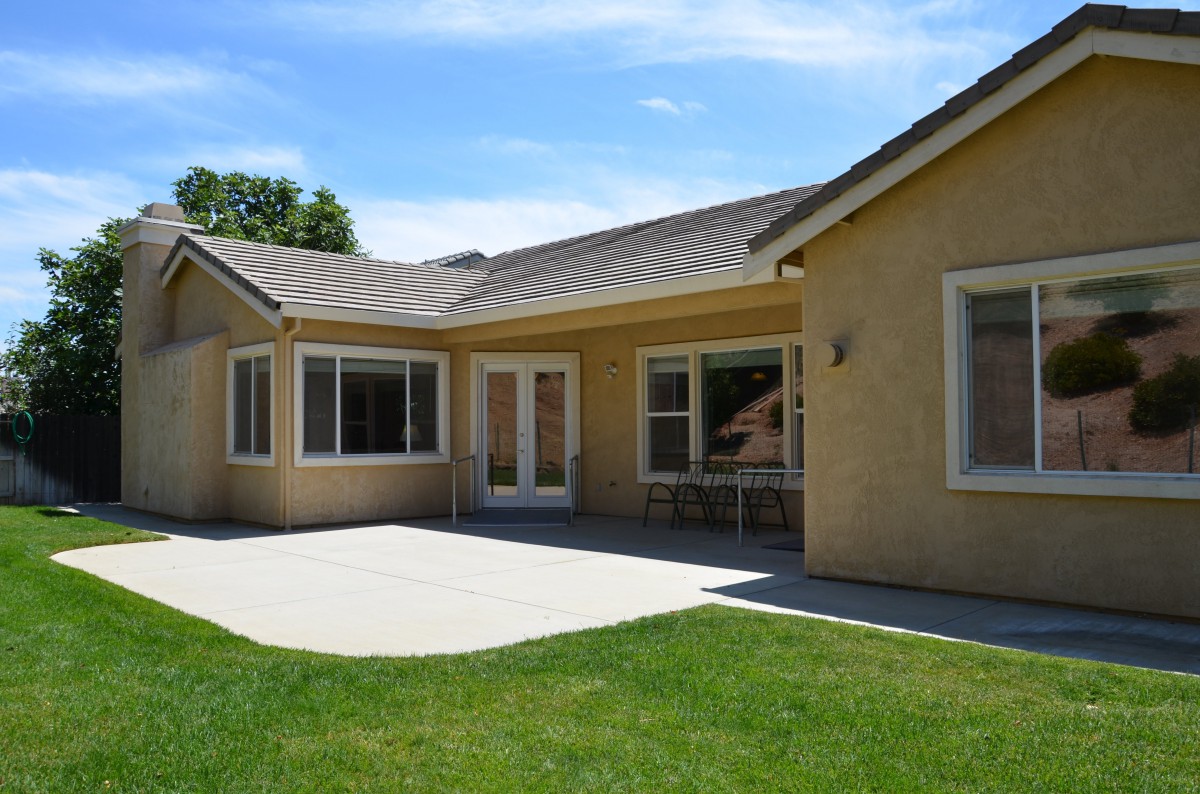
- The home offers ample space for activities and features a welcoming backyard garden.
- Families report the care team goes beyond expectations to meet residents' needs for long-term care.
- The administrator, Sharon Clarke, is highly regarded for expertise, dedication, and personalized care.
- The home is described as a warm, nurturing environment rather than an institutional setting.
- Residents' morale and well-being are noted to improve under Laylor's care.
- Daily outings and individualized activities are part of the care program, enhancing residents' happiness.
- The care home is recommended by families seeking compassionate, quality care for their loved ones.
Cons
 One reviewer thought it was too good to be true.
- The reviewer believed that the level of care required would present challenges for both the father and the caregivers.
Review
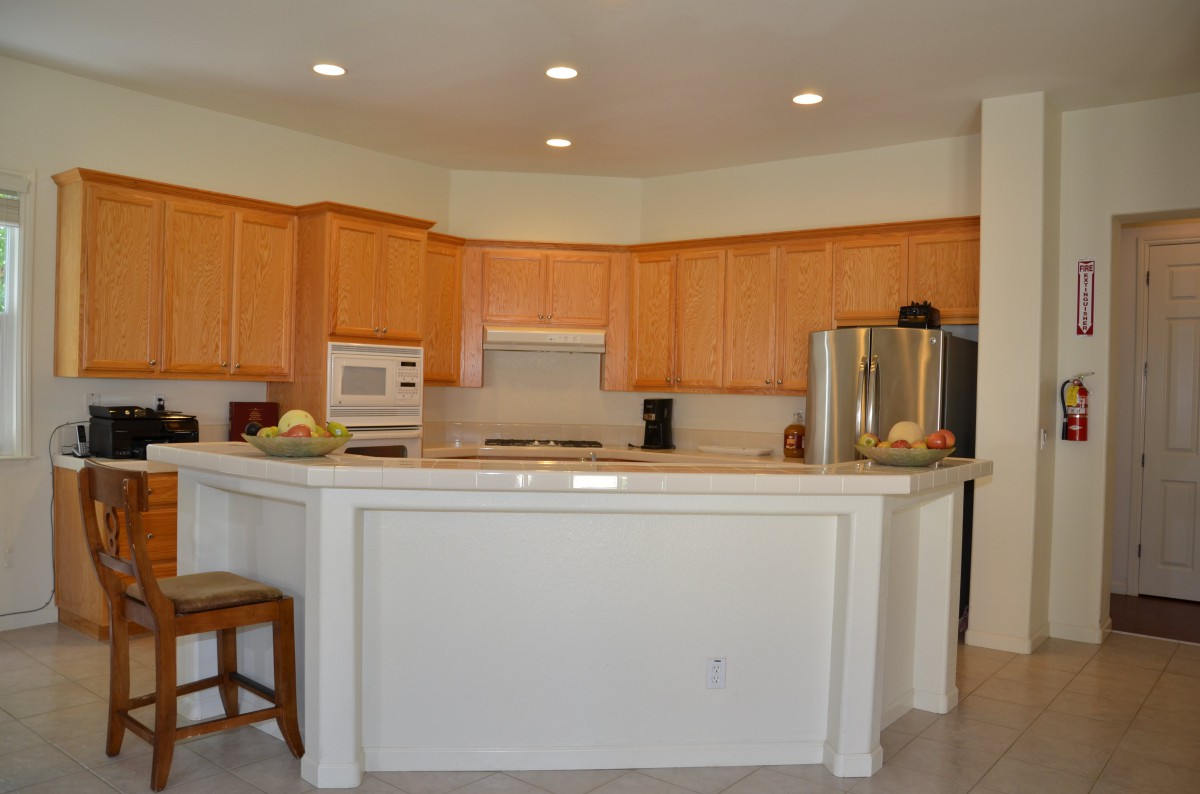
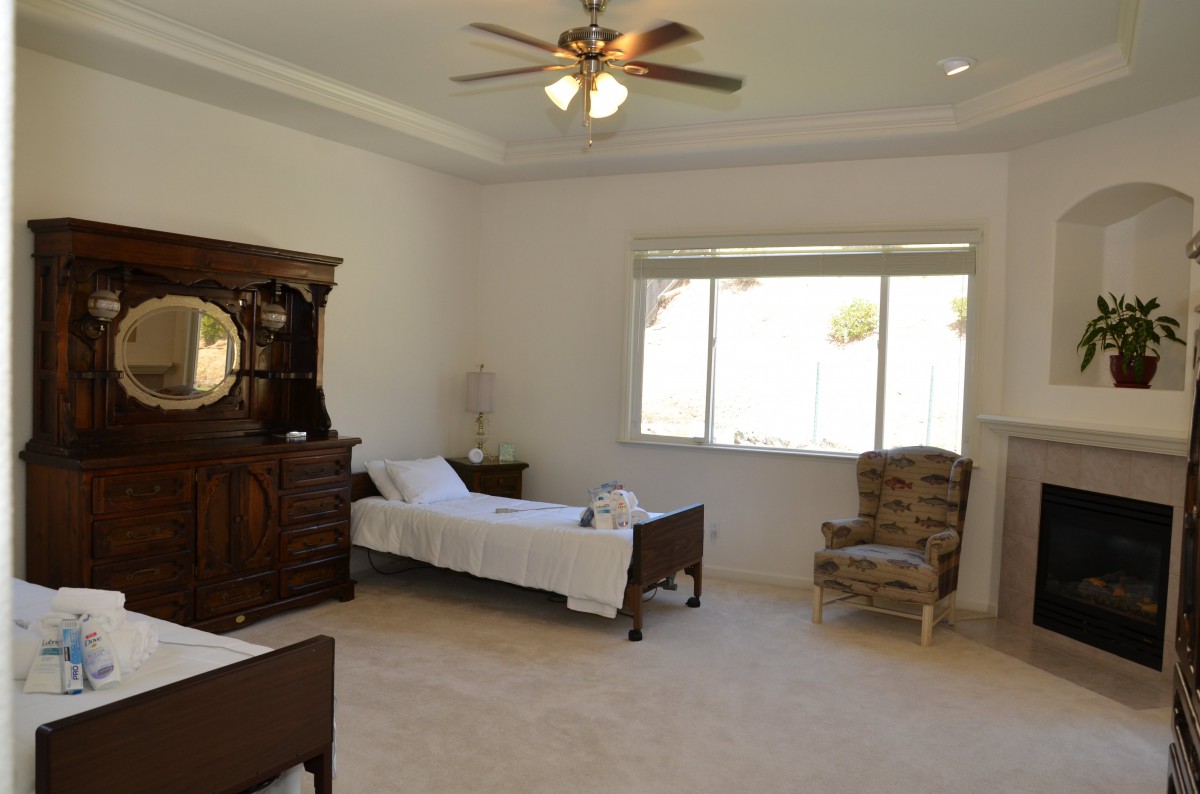
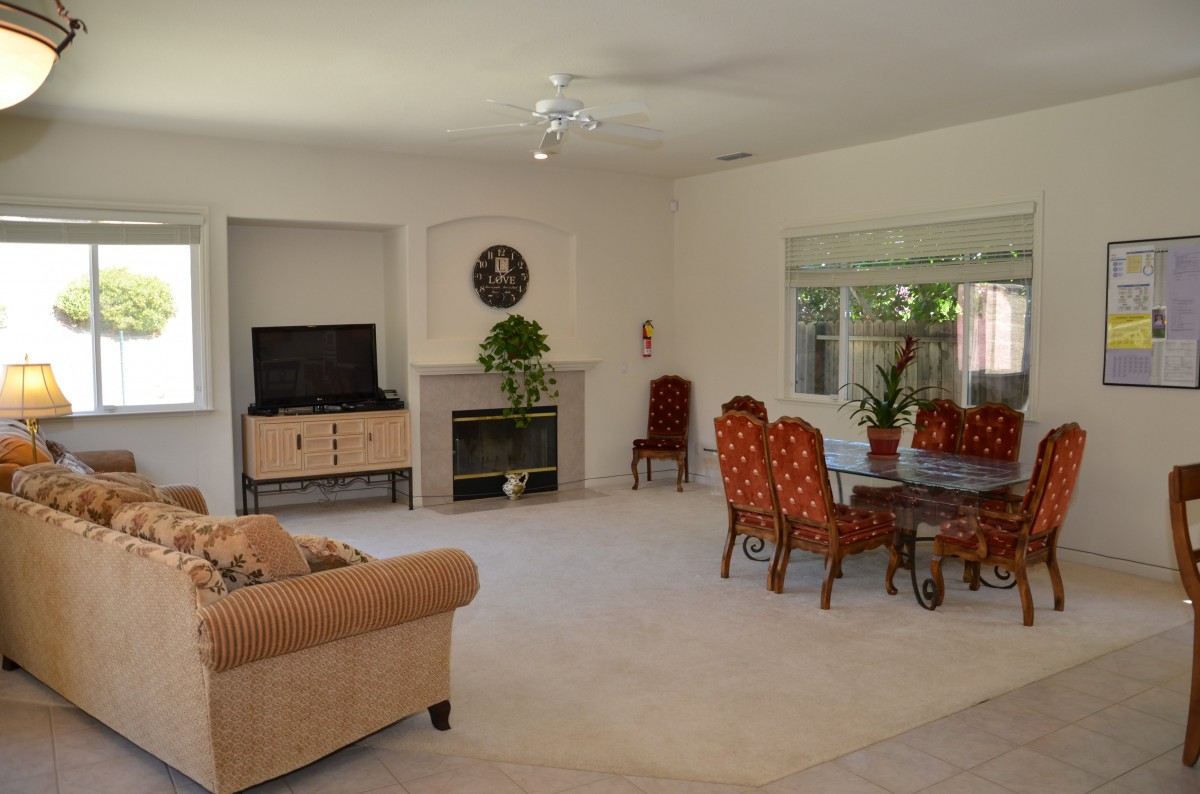
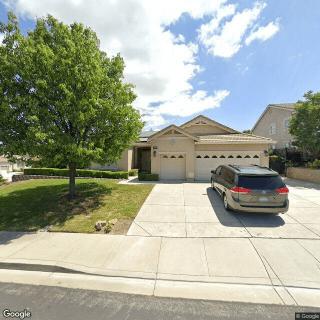
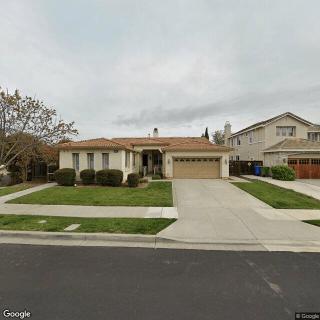
Laylor Care Home For The Elderly in Antioch is best suited for families seeking a small, home-like setting where a loved one can receive highly personalized, attentive care without the impersonal feel of a large campus. The reviews consistently describe a residence that operates like a bed-and-breakfast rather than a sterile facility, with a tight-knit group of residents (typically 3–5) and a layout that supports easy supervision, frequent reassurance, and meaningful daily routines. The administrator, Sharon Clarke, is a practicing registered nurse who is on site and visibly hands-on, guiding medications, safety protocols, and individual preferences with a calm, professional presence. Cleanliness, bright spaces, and a welcoming backyard atmosphere frame everyday life in a way that reduces confusion and promotes comfort.
Families who want a deeper, more individualized relationship with caregivers will find this community compelling. The care team earns praise for patience, kindness, and the sense that residents are treated like family. That level of attentiveness translates into reliable monitoring of medications and diet, careful attention to personal routines, and the ability to pivot quickly when health needs shift. The setting’s small scale enables staff to know quirks, preferences, and histories, which translates into tailored activities and outings that keep residents connected to their interests. The overall vibe, calm, clean, and respectful, strongly supports residents facing memory challenges or the complexities of advanced age.
Pros clearly offset a few potential tradeoffs inherent in a small, intimate model. The most persuasive advantages are the consistent cleanliness, a structured yet flexible daily schedule, and the sense that care is deliberate rather than routine. The capacity to customize activities, such as arranging visits to the library for readers, arranging private time, or planning short local outings, helps preserve autonomy and dignity. The combination of a warm atmosphere, dependable supervision, and attentiveness to nutrition and medications creates a reliable safety net for families worried about declines in function or hospital readmissions. In this light, the care environment becomes less about ticking boxes and more about sustaining a sense of normalcy and belonging.
A noteworthy strength is the hands-on leadership that accompanies daily care. Concepts of infection control or safety are not abstract; they are enacted by a nurse-led administrator who can coordinate inpatient or outpatient needs with a personal touch, including during medical events. Reviews recount intimate moments of care, such as ensuring comfort during hospital stays or personal routines like bathing and lotion, that underscore a commitment to dignity. The presence of a service dog and a focus on social engagement add layers of well-being that larger facilities sometimes struggle to deliver. For families seeking constant reassurance, these elements translate into tangible peace of mind.
However, potential residents should consider whether a larger, more institutionally resourced setting might be necessary. The intimate home size, while a major strength, naturally means fewer on-site specialists and a smaller menu of formal programs. For those requiring intensive clinical programming, a broad array of therapists, or 24/7 nursing coverage across multiple shifts, alternative communities may deliver more comprehensive coverage. If the preferred experience centers on a vast calendar of organized events or a highly structured, campus-like environment, this home may feel limited. Yet for those who value a trusted, familylike atmosphere, the tradeoffs are often worth it.
For families weighing a move, this is a compelling option when the priority is consistent, compassionate care anchored to a resident’s interests and dignity. Prospective visitors should arrange a tour with a clear checklist: meet the administrator in person, observe how caregivers interact with residents, review the current care plan, and ask for examples of how daily activities are chosen and adjusted. Inquire about staffing levels across shifts, how medical emergencies are handled, and what a typical day looks like for someone with dementia. If these answers align with expectations for intimate, attentive care, Laylor stands out as a strong, practical choice rather than merely a good one.
 6 resident community capacity
 Assisted Living
 Board and Care Home
 Day Program
 Memory Care
 Respite Care
 Cats allowed
 Dogs allowed
 Bath tubs
 Cable or satellite TV
 Devotional services off-site
 Dining room
 Fully furnished
 Garden
 Housekeeping services
 Indoor common areas
 Move-in coordination
 Outdoor common areas
 Private
 Private bathrooms
 Telephone
 Wheelchair accessible showers
 Wi-Fi/high-speed internet available
 24-hour supervision
 Assistance with bathing
 Assistance with dressing
 Assistance with transfers
 Diabetes diet
 Diabetic care
 High acuity care
 Incontinence care
 Meal preparation and service
 Medication management
 Special dietary restrictions
 Transportation arrangement (medical)
 Transportation to doctors appointments
 An In-Depth Look at Reminiscence Therapy in Dementia Care
 Dementia-Related Hallucinations: Causes, Experiences, and Practical Approaches
 Illuminating Insights About Alzheimer's Disease: Ten Crucial Realities