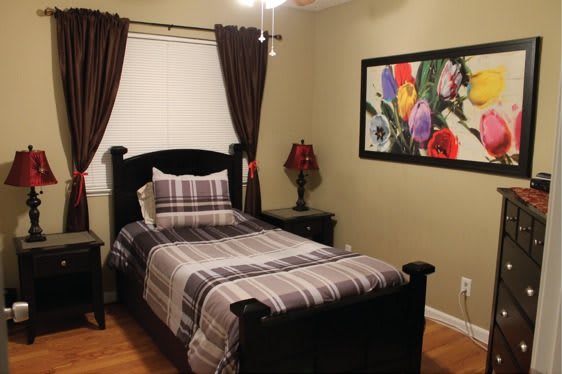
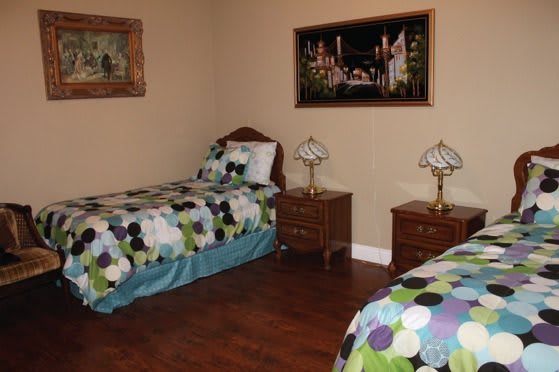
3053 Scotland Drive, Antelope, CA 95843
To contact a resident: (916) 591-1323
For more information about senior living options: (866) 208-4318
Vali's Elderly Home Care Costs & Pricing
Vali's Elderly Home Care offers competitive pricing for its services, making it an appealing option for families seeking affordable care solutions. For a semi-private room, the cost is $2,500 per month, significantly lower than the Sacramento County average of $3,106 and the California state average of $3,333. Similarly, Vali's private room rate stands at $3,000 per month, which is also more economical compared to Sacramento County's rate of $3,686 and the broader state average of $3,939. These pricing advantages underscore Vali's commitment to providing quality elderly care while ensuring that financial considerations are manageable for families in need of support for their loved ones.
| Floor plans | Vali's Elderly Home Care | Sacramento County | California |
|---|---|---|---|
| Semi-Private | $2,500 | $3,106 | $3,333 |
| Private | $3,000 | $3,686 | $3,939 |
Senior living communities with a similar price nearby
-
About the same
Sunrise Senior Care
$2,500 to $3,500 / month6.8 miles away -
About the same

Gina's Home Care
$2,500 / month7.3 miles away -
About the same
Lucian Home
$2,500 / month7.6 miles away -
from +$152 / mo

All Care Home Health Svc
$2,652 / month10.3 miles away -
About the same
A Five Star Residence for Seniors
$2,500 to $3,200 / month6.3 miles away
Overall Review of Vali's Elderly Home Care
Pros
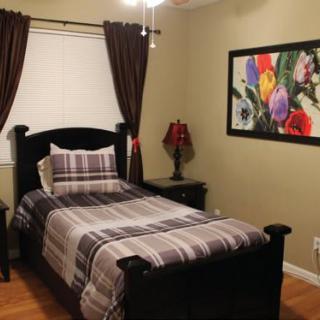
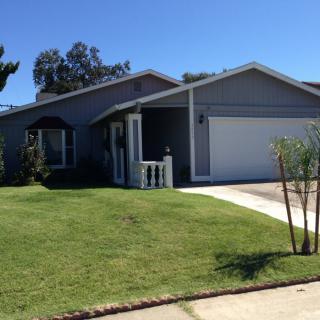
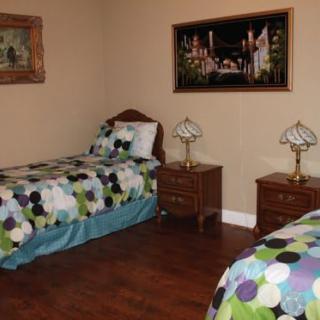
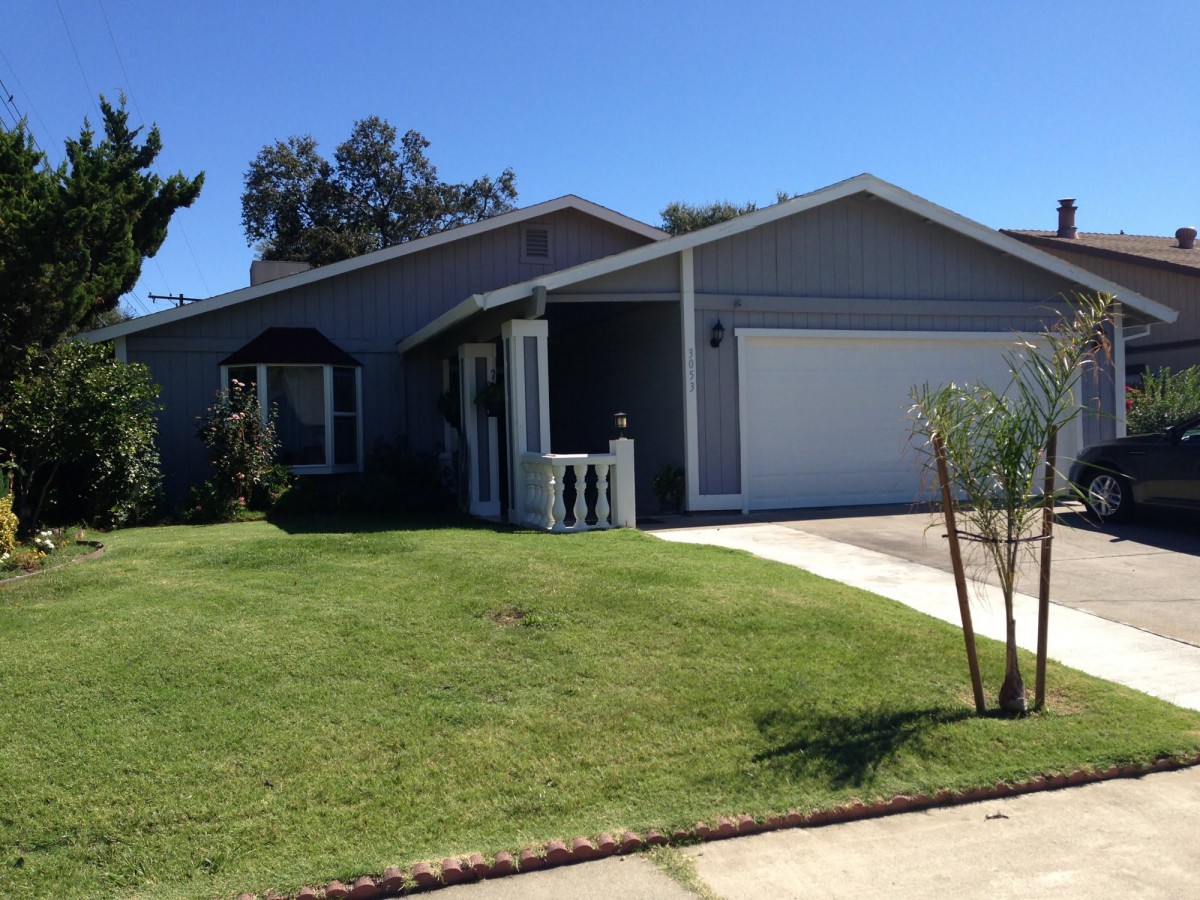
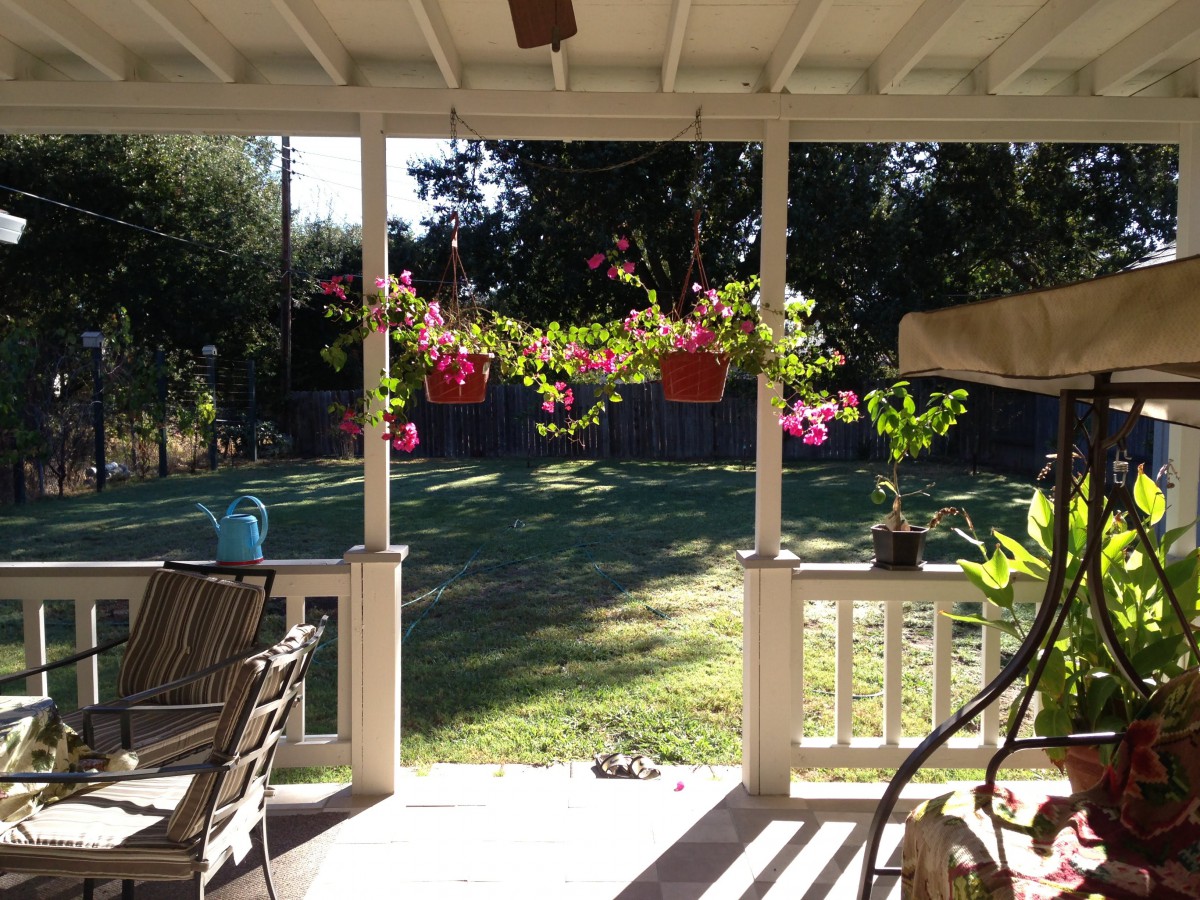
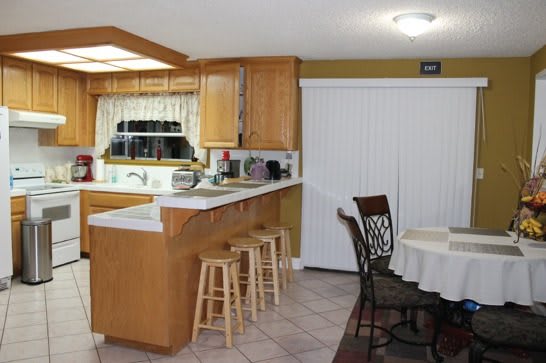
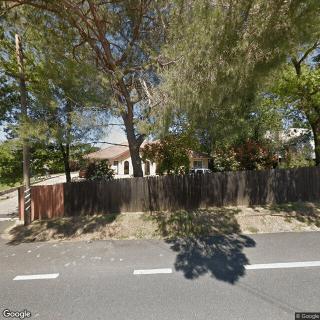
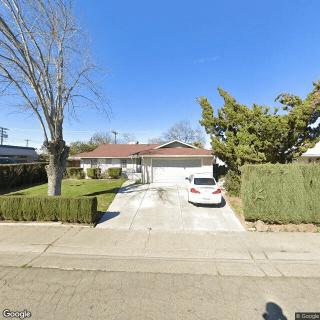
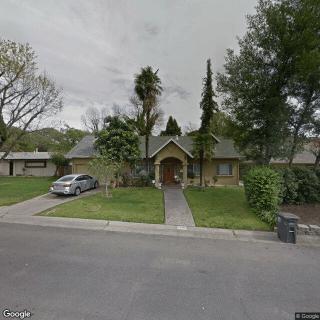
 The home is absolutely beautiful.
- The family that owns it is loving and very friendly.
- Ramona, the administrator, is someone to meet during a visit.
- Visitors are encouraged to visit the location and meet Ramona.
- The reviewers look forward to their grandmother becoming part of this household.
Review
Vali's Elderly Home Care in Antelope, CA is best suited for families seeking a warm, intimate, home-like setting for a senior who thrives on personal attention, routine, and a genuine sense of belonging. The two glowing reviews emphasize not only a beautiful physical space but a family-owned ethos that translates into daily life as authentic warmth, open communication, and a feeling that residents are welcomed as part of the family. For seniors who dislike institutional stiffness and crave familiar faces, predictable daily rhythms, and a close-knit atmosphere, this option stands out as a particularly fitting match.
Those who must weigh alternatives are wise to consider potential gaps. If a loved one requires robust clinical oversight, continuous skilled nursing, or highly specialized memory-care programming, this option may fall short unless those services are provided on-site or through strong partner arrangements. The review base is small, two endorsements, so crucial questions about licensing, staffing levels, medication management, and formal activity programming remain unanswered in the public narrative. For families prioritizing 24/7 medical supervision or a full continuum of care, more formal facilities may deliver the predictability and assurances they expect.
The core positives hinge on beauty and hospitality. The home-setting’s aesthetic appeal pairs with a family-owned culture to create an environment that feels comforting and personal, not clinical. Residents described as part of a loving, friendly “household” can substantially alleviate loneliness and promote ease of adaptation. Leadership appears accessible, with Ramona the administrator highlighted as someone worth meeting, signaling a leadership style that is approachable and responsive. In practical terms, such a combination often translates into quicker issue resolution, stronger rapport with caregivers, and a living environment where residents’ preferences guide daily life.
These strengths offset the absence of broad, third-party validation by delivering relational trust that can be more meaningful than formal metrics in the early stages of placement. A family-owned model tends to reward transparency and hands-on responsiveness, attributes that reduce the anxiety families feel when evaluating care options. The insistence on visiting to meet Ramona offers a concrete path to assess fit, visitors can gauge how decisions are made, how clean and safe the home feels, and whether the staff genuinely seems to know residents’ names and preferences. In such settings, trust becomes the de facto guarantee of quality.
The reviews underscore how the intimate care model supports emotional well-being and social engagement. Small, home-like environments frequently allow more flexible daily routines, highly personalized attention, and meaningful opportunities for family participation. The expressed eagerness to welcome the grandmother into the household signals a readiness to integrate new residents into daily life, which can accelerate adjustment and reduce relocation stress. For families prioritizing a high-touch, relationship-driven experience where staff become familiar faces rather than anonymous caregivers, this is a cardinal benefit.
For a decisive conclusion, plan a focused visit with clear questions. Confirm the facility’s licensing status and the range of care services available on site, including any nursing support, medication assistance, meal provisioning, and transportation options. Observe the atmosphere, the cadence of daily life, and how staff interact with residents. Inquire about intake processes, eligibility criteria, and how transitions are managed if care needs evolve. Compare with other local options that offer more formalized clinical support, but weigh the emotional and relational advantages highlighted here. When the priority is a homelike, loving setting that treats seniors like family, Vali’s Elderly Home Care warrants strong consideration.
 Board and Care Home
 Cats allowed
 Dogs allowed
 Activities off-site
 Bath tubs
 Devotional services off-site
 Indoor common areas
 Outdoor common areas
 Private
 Private bathrooms
 Respite or short term stays offered
 Wheelchair accessible showers
 Sacramento International (11 miles away)
 Ambulatory care
 Incontinence care
 Medication management
 Meals provided

 Financing Long-Term Nursing Home Care Through Social Security: A Thorough Exploration
 Essential Knowledge on Pneumonia in Older Adults
 Exploring Palliative Care in the Home: A Comprehensive Overview