
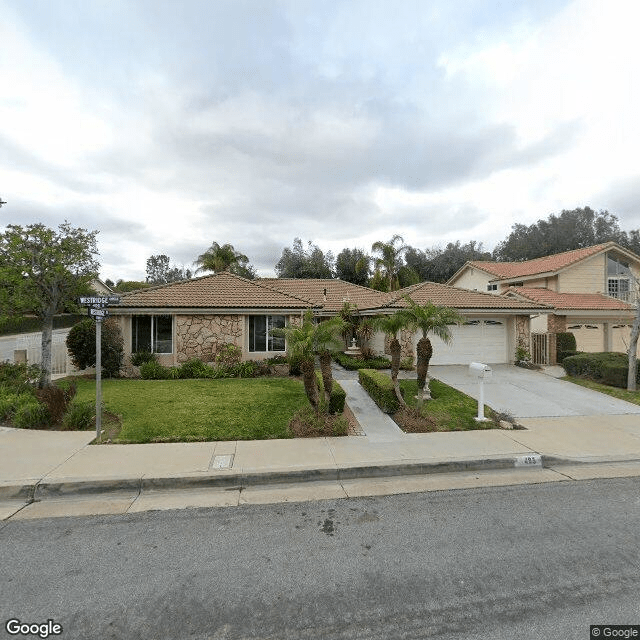
495 S Westridge Cir, Anaheim, CA 92807
To contact a resident: (714) 403-1242
For more information about senior living options: (866) 208-4318
Overall Review of Westridge Elderly Care
Pros
 The staff and the owner were very kind.
- The staff members are excellent, caring, and kind.
- Great care and fabulous food.
- The residents’ clothes are always clean and well groomed.
- The person who runs the facility leads walks to the beach and promotes physical activity.
- The community is neat and organized.
Cons
 Some of the meals offered were very unhealthy.
- There weren't any activities offered to the residents.
- If a loved one is not ambulatory, the reviewer would look elsewhere.
- If a loved one is not into watching TV, the reviewer would look elsewhere, as that is the activity of choice every day.
- The reviewer could not believe the difference between Westridge and her current home after one month.
Review
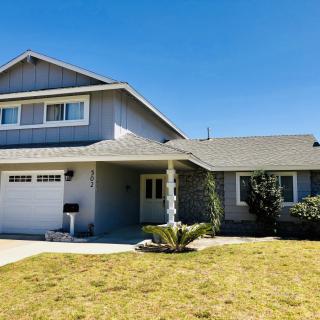
Westridge Elderly Care in Anaheim is best suited for families seeking a small, orderly setting with dependable, personal attention from staff and a hands-on owner. This community shines for residents who are largely ambulatory and prefer a quieter environment over a bustling activity calendar. The emphasis here is on consistent daily care, a clean, well-kept property, and a calm routine that provides security and predictability. For loved ones who require extensive social programming, diverse activities, or highly progressive nutritional oversight, alternatives should be on the table. The setting can feel very homelike for the right resident, especially those who value reliability and direct owner involvement in day-to-day care.
The strongest positives revolve around the staff and the environment. Reviews repeatedly praise the caregivers as kind, caring, and attentive, with care quality that holds up under daily routines. Cleanliness and a neat presentation further reinforce a sense of dignity and order for residents. The owner’s active presence and willingness to engage, whether by strolling the space or coordinating gentle physical activity, adds a layer of personal accountability that families notice and value. When a resident needs reassurance through consistent contact and a friendly, respectful staff dynamic, Westridge delivers in spades, and that cannot be overstated.
Where the conversation turns practical are the notable drawbacks. Several reviewers flag meals as unhealthy and not sufficiently nourishing, a red flag for long-term dietary stability and overall well-being. The activities front is described as sparse, with television as the default form of entertainment, leaving some residents with limited opportunities for social interaction and stimulation. The most pointed caution is for non-ambulatory residents, for whom the facility may not offer the level of assistance or programming that such residents often require. In short, the operational approach favors routine and care over extensive engagement, which will matter a lot for some families.
The key pros offset certain cons, but not all, and the balance shifts depending on resident needs. The dependable, attentive staff and a clean, orderly environment create a solid foundation for safety and comfort, particularly for those who value predictable care and a respectful atmosphere. Owner involvement can translate into flexibility and a readiness to support light, incidental activity, such as walks, that keep residents modestly active. Yet, when meals and daily programming are primary decision drivers, these offsetting strengths have limited reach. Without a richer activity slate or a more nourishing meal program, the overall value hinges on whether care quality and serenity can compensate for quieter days and simpler meals.
Families should be explicit about alternatives if certain needs are non-negotiable. If a loved one requires robust daily activities, a dynamic social calendar, or strong nutrition oversight with varied menus, it is prudent to review other communities that emphasize activity directors, structured programming, and chef-driven meal plans. For non-ambulatory residents or those needing hands-on assistance around mobility, bath, or transfer needs, other facilities with higher care intensity and adaptive equipment may be a better fit. Westridge becomes a sensible choice when the priority is dependable care in a calm, clean home-like setting rather than a facility designed around high-energy engagement.
For a due-diligence approach, prospective families should arrange a thorough tour with questions tailored to daily life. Request a current meal plan sample and an outline of the weekly activity schedule, noting how spontaneous outings or gentle outdoor time are integrated. Inquire about staff-to-resident ratios by shift, training in mobility assistance, and how attention to non-ambulatory residents is managed day-to-day. Ask to observe a mealtime and a typical activity slot to gauge whether the atmosphere aligns with expectations. If the answers align with a high comfort level for care and quiet routines, Westridge presents a credible, low-stress option. If not, use the comparison as a guide to steer toward communities that emphasize engagement and nutrition as core strengths.
 Board and Care Home
 John Wayne Orange Co (12 miles away)


 Exploring Nonmedical Home Care: Understanding Services, Costs, and Financial Approaches
 Engaging Brain Games and Innovative Apps to Keep Senior Minds Active
 Effective Strategies for Keeping Seniors' Minds Active: A Deep Dive into Brain Games and Apps