
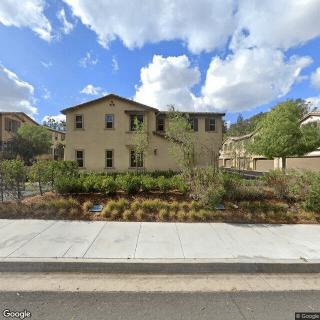
495 South Westridge Circle, Anaheim Hills, CA 92807
For more information about senior living options: (866) 208-4318
Adelya Senior Homes Costs & Pricing
At Adelya Senior Homes, the cost for a semi-private room stands at $3,500 per month, which is slightly higher than the average in Orange County at $3,431, yet comparable to the broader California average of $3,333. For those seeking more privacy, a private room is available for $4,000 monthly. This rate is just below Orange County's average of $4,104 but exceeds California's state average of $3,939. These pricing structures reflect the premium nature of Adelya Senior Homes' accommodations and services while remaining competitive within both local and statewide contexts.
| Floor plans | Adelya Senior Homes | Orange County | California |
|---|---|---|---|
| Semi-Private | $3,500 | $3,431 | $3,333 |
| Private | $4,000 | $4,104 | $3,939 |
Memory care communities with a similar price nearby
-
from +$495 / mo

Cadence Brea
$3,995 to $5,500 / month7.3 miles away -
About the same
Genesis Manor VI
$3,600 to $4,200 / month22.7 miles away -
About the same
Comfort Keepers Home Care
$3,500 to $6,500 / month8.4 miles away -
from -$650 / mo
Alternative Senior Care - Freshwater
$2,850 to $3,250 / month16.0 miles away -
from -$500 / mo
Best Elderly Care I
$3,000 to $3,500 / month2.9 miles away
Overall Review of Adelya Senior Homes
Pros
 It was terrific.
- They would recommend Adelya Senor Homes to other families.
- It is very homey.
Cons
 Cleanliness was rated poorly, with a 3.
- The reviewer notes that their stepdad stayed only eight days and then passed away.
Review
Adelya Senior Homes in Anaheim Hills is best suited for seniors who value a warm, home-like living environment and personalized attention over a large, clinical campus. The one detailed experience describes a setting that feels “very homey,” with staff and care that recipients describe as terrific. That intimate, family-like atmosphere can be a decisive factor for families seeking comfort, easier daily routines, and a sense that their loved one is not just another resident in a sprawling facility. In short, this community is a strong fit for ceux who prioritize atmosphere, accessibility, and a more personal caregiving touch.
Conversely, families needing the highest cleanliness standards or more robust, ongoing medical oversight may want to consider alternatives. The lone review assigns cleanliness a 3 out of 5, signaling a tangible area for diligence. That discrepancy matters: in senior living, housekeeping consistency and visible cleanliness are non-negotiables for peace of mind and safety. If a family places paramount importance on pristine environments, or if a loved one requires specialized infection-control routines, investigations into other options with verifiable cleanliness metrics and tighter housekeeping processes are prudent. Likewise, communities with larger clinical teams and more structured medical programming may feel more appropriate for residents with significant chronic needs.
The most persuasive pro here is the homey, welcoming vibe paired with care that a reviewer called “terrific.” When a setting simplifies daily life and creates a sense of belonging, that emotional comfort can offset a less-polished housekeeping perception, provided basic cleanliness is addressed promptly. The ability to recommend the community to others suggests a level of trust in the people and routines, not merely the decor. For families that prize warmth, responsive staff, and a less institutional atmosphere, these strengths can translate into lower stress for both resident and family during daily life and transitions.
However, the short-term nature of the highlighted stay introduces ambiguity about long-term consistency. The reviewer’s stepdad was there for eight days before passing, which underscores that the environment can accommodate difficult, end-of-life transitions with care and sensitivity, yet it does not illuminate how the community would perform over months or years. Prospective residents should probe whether the same warmth and attentiveness would endure with a longer tenure, a broader care load, or evolving health needs. The absence of details on activities, meal options, and daily routines means these become critical questions during tours and reference checks.
To make a well-grounded decision, approach the visit with a practical checklist. Confirm housekeeping schedules and habits, and request a tour of the cleaning routines to verify consistency and attention to detail. Assess how care is documented and communicated: how often staff respond to requests, how medication management is handled, and whether a nurse or qualified clinician is readily available on-site. Observe common areas during peak activity times to gauge noise, cleanliness, and the overall sense of order. Speak with caregivers about their training, turnover, and how they handle transitions, and ask for references that can speak to longer relationships with families.
The bottom-line verdict is clear: Adelya Senior Homes offers a compelling, home-centered option for families prioritizing atmosphere and individualized, responsive care. It is a particularly good fit for residents who thrive in a smaller, less clinical setting and who can work with a cleanliness standard that families are comfortable monitoring and improving with management. For those who cannot compromise on spotless, consistently maintained surroundings or on a broader, more formal medical infrastructure, exploring alternatives is wise. If cleanliness can be satisfactorily aligned with the present strengths, namely, warmth, attentiveness, and a recommendation-worthy care ethos, this Anaheim Hills community stands out as a practical, thoughtfully considered choice.
 6 resident community capacity
 Assisted Living
 Board and Care Home
 Memory Care
 Cable or satellite TV
 Dining room
 Fully furnished
 Garden
 Housekeeping services
 Move-in coordination
 Outdoor space
 Private
 Telephone
 Wi-Fi/high-speed internet available
 John Wayne Orange Co (12 miles away)
 24-hour supervision
 Activities of daily living assistance
 Assistance with bathing
 Assistance with dressing
 Assistance with transfers
 Diabetes diet
 Diabetic care
 High acuity care
 Incontinence care
 Meal preparation and service
 Medication management
 Special dietary restrictions
 Transportation arrangement (medical)
 Transportation to doctors appointments
 Christian services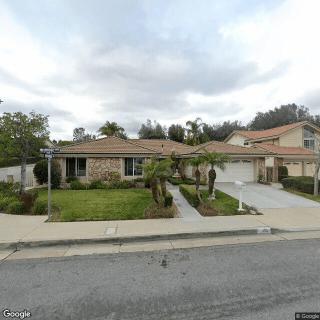


 Nourishing the Mind: Essential Dietary Approaches for Dementia
 Understanding Dementia Behaviors: Practical Insights and Strategies for Caregivers
 When Dementia Sparks Anger and Aggression: Understanding the Connection and Ways to Cope