
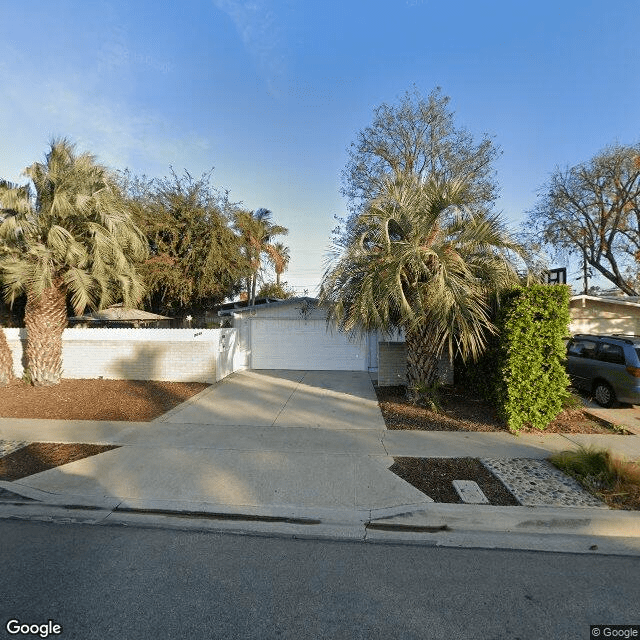
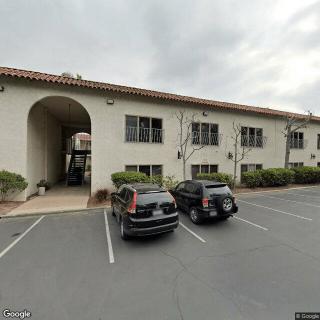
2431 West Mall Avenue, Anaheim, CA 92804
For more information about senior living options: (866) 208-4318
Angels Care Costs & Pricing
Angels Care offers competitive pricing for its services, particularly when compared to the broader market in Orange County and throughout California. For a semi-private room, Angels Care charges $3,000 per month, which is notably lower than the average cost of $3,431 in Orange County and also below California's statewide average of $3,333. Similarly, for private rooms, Angels Care's monthly fee stands at $4,000 - slightly more affordable than Orange County's rate of $4,104 while remaining above California's average of $3,939. Overall, these figures suggest that Angels Care provides valuable options for residents seeking quality care without straining their budgets excessively.
| Floor plans | Angels Care | Orange County | California |
|---|---|---|---|
| Semi-Private | $3,000 | $3,431 | $3,333 |
| Private | $4,000 | $4,104 | $3,939 |
Assisted Living communities with a similar price nearby
-
from +$500 / mo
Kind Heart Home Care VI
$3,500 to $5,000 / month19.5 miles away -
from +$500 / mo
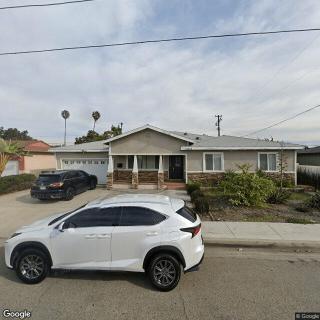
Loving Home Care
$3,500 to $4,500 / month4.6 miles away -
from +$300 / mo

Bella Manor II
$3,300 to $4,290 / month6.4 miles away -
from -$200 / mo
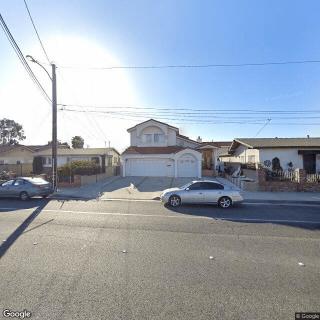
Leah Loving Elderly Care
$2,800 to $3,000 / month8.3 miles away -
from -$300 / mo
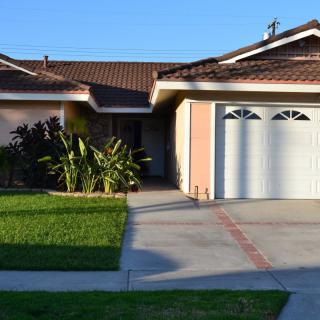
Loving Care Senior Home
$2,700 to $3,500 / month9.3 miles away
Overall Review of Angels Care
Pros
 Little Angel Home Daycare is a truly one-of-a-kind place.
- Dona takes great care of the children.
- The daycare is clean and welcoming.
- Dona is caring and kind with the kids.
- She is very flexible with hours.
- The home is clean and loving.
- It is considered one of the best daycares.
Review
Angels Care is best suited for families with very young children in Anaheim who want a warm, home-like care setting led by a single, deeply attentive caregiver. This community excels for infants through roughly toddler-age children (the reviews center on care for children from 9 months up to about 2.5 years) and for parents who value a personal, relationship-driven approach over a large center atmosphere. If the priority is stability, intimate supervision, and a caregiver who stays closely attuned to a child’s daily needs, Angels Care delivers with a proven, hands-on touch.
Those who may want to consider alternatives are families seeking more formalized programming or larger, more regimented centers. If a structured curriculum, broader activity options, more diverse staff, or a constant backup plan for staffing are essential, a bigger daycare or a center with multiple teachers may be a better fit. Families needing extended hours, weekend coverage, or more formal accreditation and oversight might also find alternatives preferable. In short, when the appeal lies in scale and formal programming, this home-based model will likely feel limiting.
The strongest pros are practical and deeply reassuring. The environment is described as clean and welcoming, with a genuine warmth that permeates daily care. The owner’s kindness and attentiveness shine through in every interaction, producing highly cheerful children and a sense of ease for parents. Flexible hours and reasonable payment arrangements remove common friction points for working families, while the long-standing, steady care a child receives, often from infancy through the toddler years, creates continuity that reduces separation anxiety and promotes security. In a setting where trust is paramount, these attributes translate into reliable day-to-day rhythms and meaningful, individualized attention.
Yet the cons, while not loudly aired in the reviews, are worth weighing. The home-based, small-group model inherently carries limited capacity and less staff redundancy. This means fewer slots and potential scheduling bottlenecks if the caregiver needs time off or illness occurs. The setting naturally trades some of the formal structure and breadth of programming found in larger centers for intimacy, so families prioritizing a robust daily agenda or a wide range of enrichment activities may perceive a gap. Additionally, the reviews don’t spell out formal licensing specifics or a career-path framework for staff, which matters to families who want granular assurances about oversight and educational milestones.
Those pros offset the main drawbacks in a compelling, practical way. For parents who want their child to be known by name and to have a caregiver who is fully invested, the personal attention and continuity are powerful counterbalances to the limitations of capacity and program breadth. The comfort of a flexible, parent-friendly billing approach and the trust built from consistently cheerful, well-cared-for children creates a low-stress daily experience. In short, the intimate setting amplifies safety, responsiveness, and emotional well-being in ways that large centers often struggle to match, making the trade-off worthwhile for many families.
The bottom-line recommendation is clear: Angels Care is a strong fit for families prioritizing intimate, trusting care for very young children and who can operate within a smaller, home-based framework. It is less ideal for those who require a large-scale program, extensive curricular offerings, or extensive back-up staffing. Prospective families should plan a visit with specific questions in hand and consider a trial period if possible. Key inquiries should include the caregiver-to-child ratio, daily routine and supervision standards, back-up plans for illness or vacations, meal and nap schedules, safety practices, and transparent pricing policies. Request references from current families and observe a typical day to assess how well the environment matches the child’s temperament and the family’s expectations. When alignment exists between the child’s needs and the caregiver’s strengths, Angels Care represents a thoughtful, compassionate choice that delivers trust, flexibility, and genuine peace of mind.
 6 resident community capacity
 Assisted Living
 Board and Care Home
 Cable or satellite TV
 Dining room
 Fully furnished
 Garden
 Housekeeping services
 Move-in coordination
 Outdoor space
 Private
 Telephone
 Wi-Fi/high-speed internet available
 Long Beach (Daugherty) (11 miles away)
 24-hour supervision
 Activities of daily living assistance
 Ambulatory care
 Assistance with bathing
 Assistance with dressing
 Assistance with transfers
 Diabetes diet
 Meal preparation and service
 Medication management
 Special dietary restrictions
 Transportation arrangement (medical)
 Transportation to doctors appointments
 BBQs or picnics
 Birthday parties
 Live dance or theater performances
 Live musical performances



 An Extensive Exploration of the VA Aid and Attendance Benefit
 Senior Transition Services: Understanding Their Role, Cost, and Importance
 Exploring the Path to Senior Living: A Comprehensive Look at Independent Living and Assisted Living