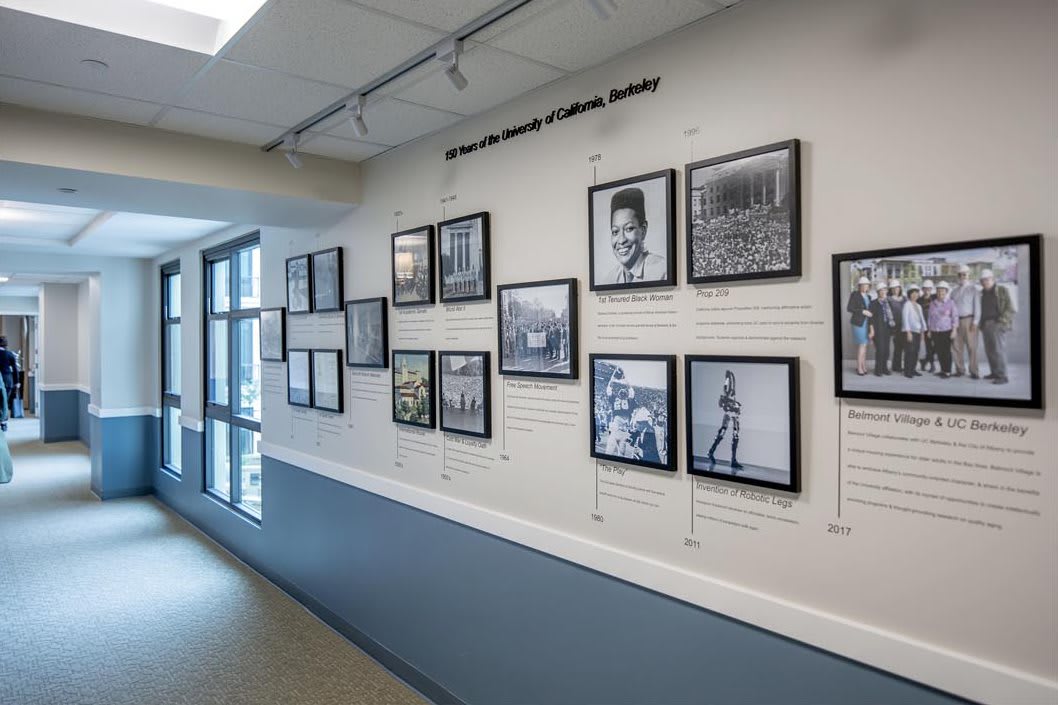
Belmont Village Albany

Save

  • Interior

    A modern hair salon featuring styling chairs and sleek interior design.
  • Decor

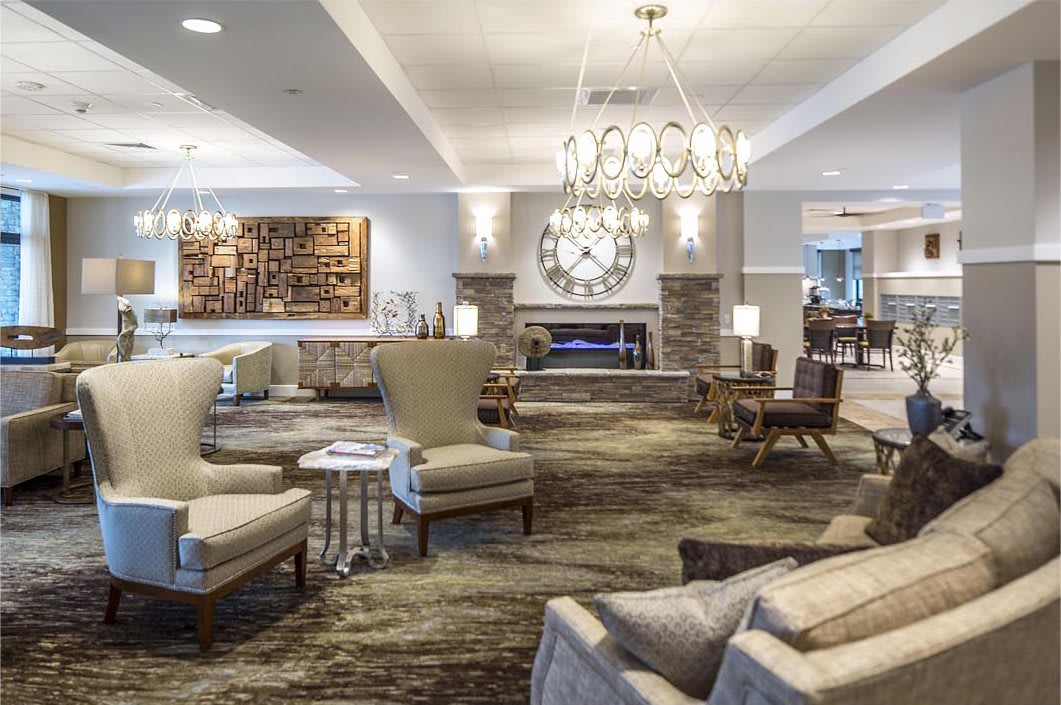
    A modern and cozy living room featuring a fireplace, elegant chandeliers, and comfortable seating.
  • Living Room

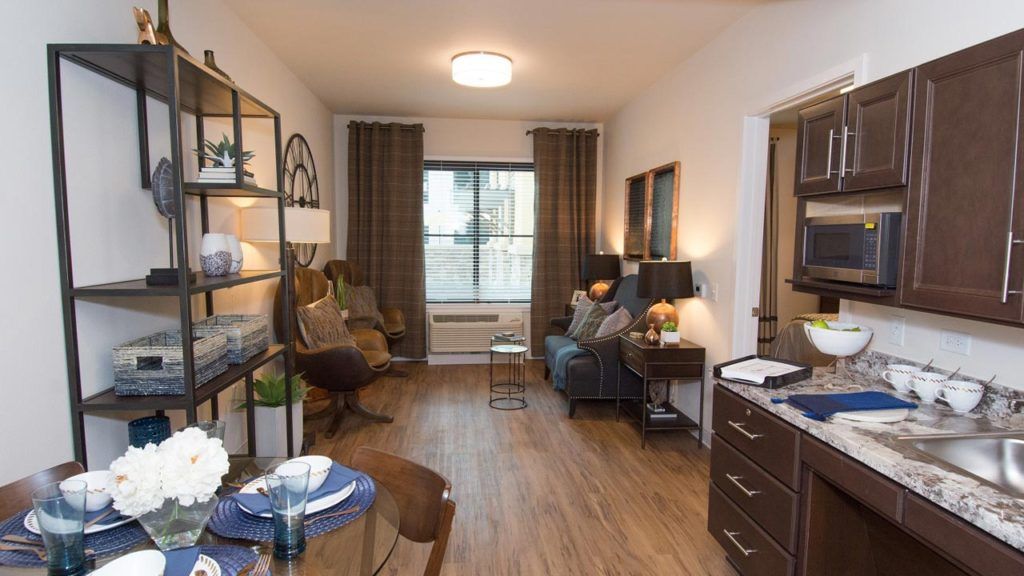
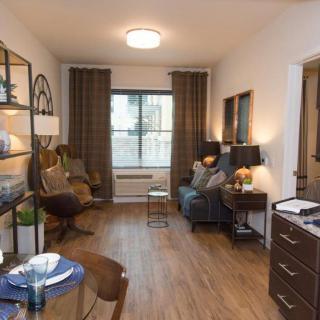
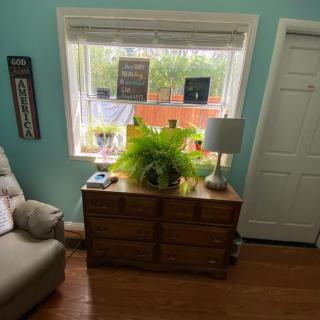
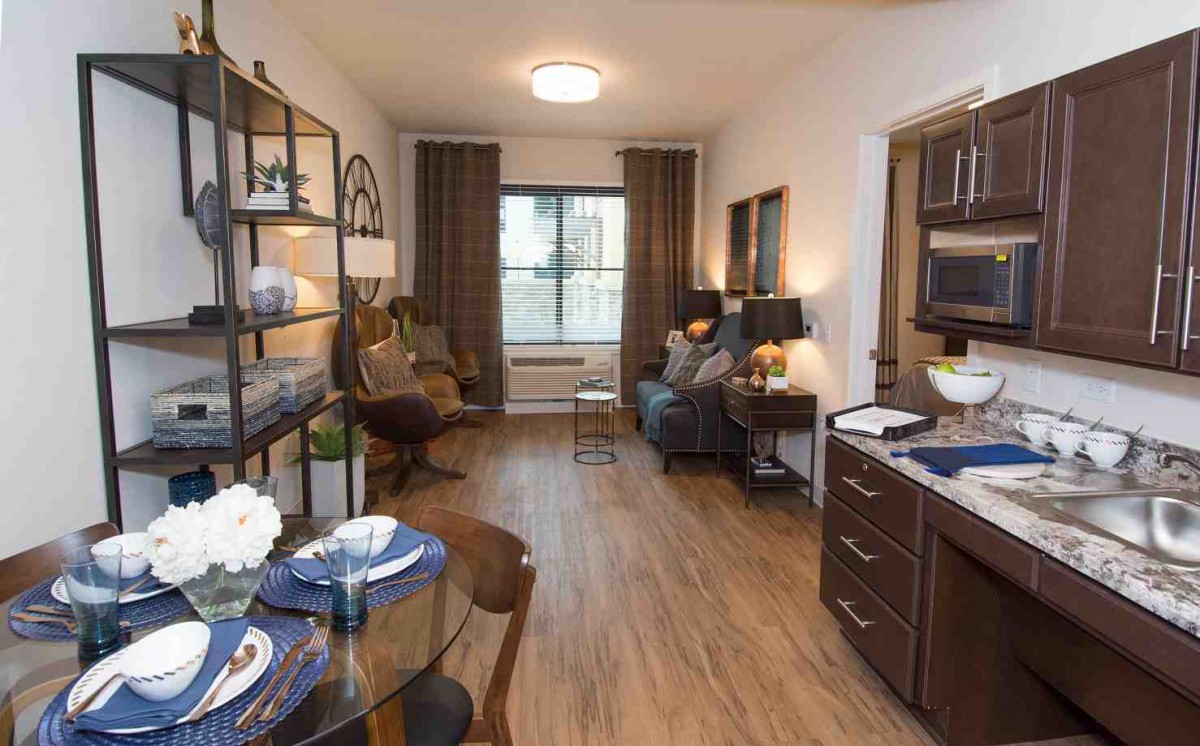
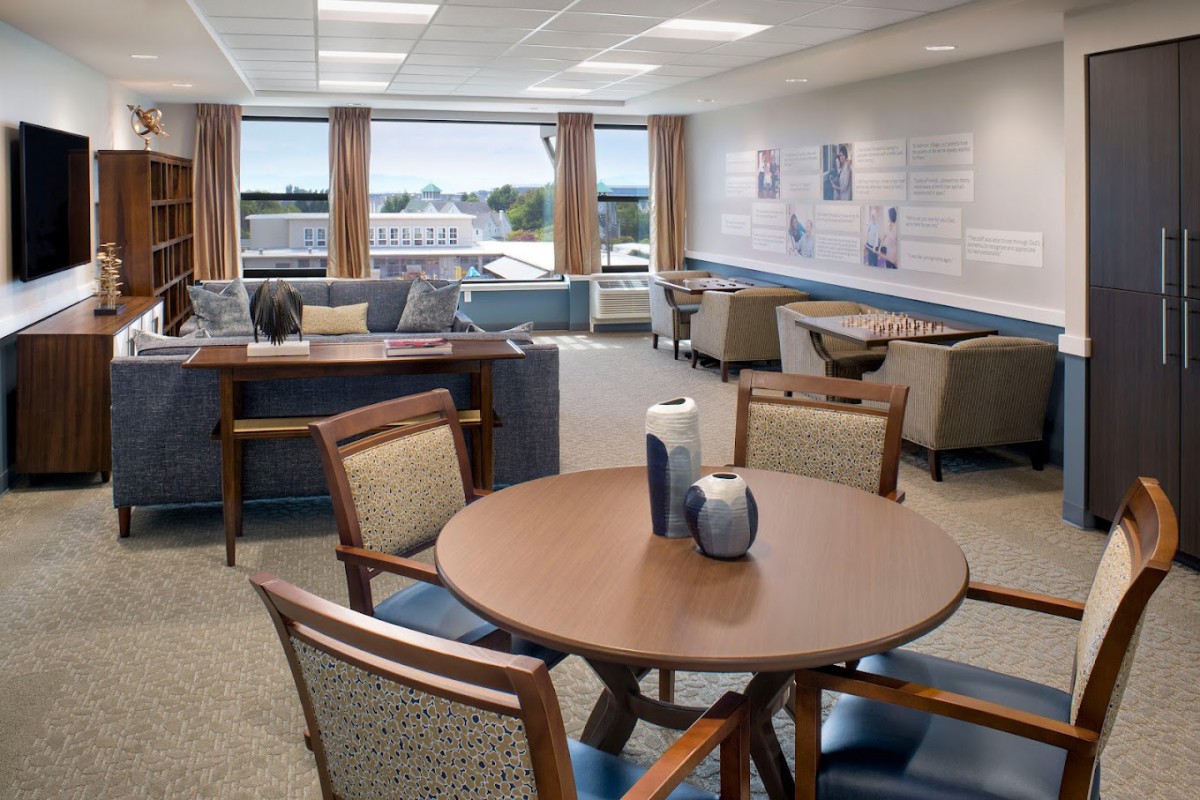
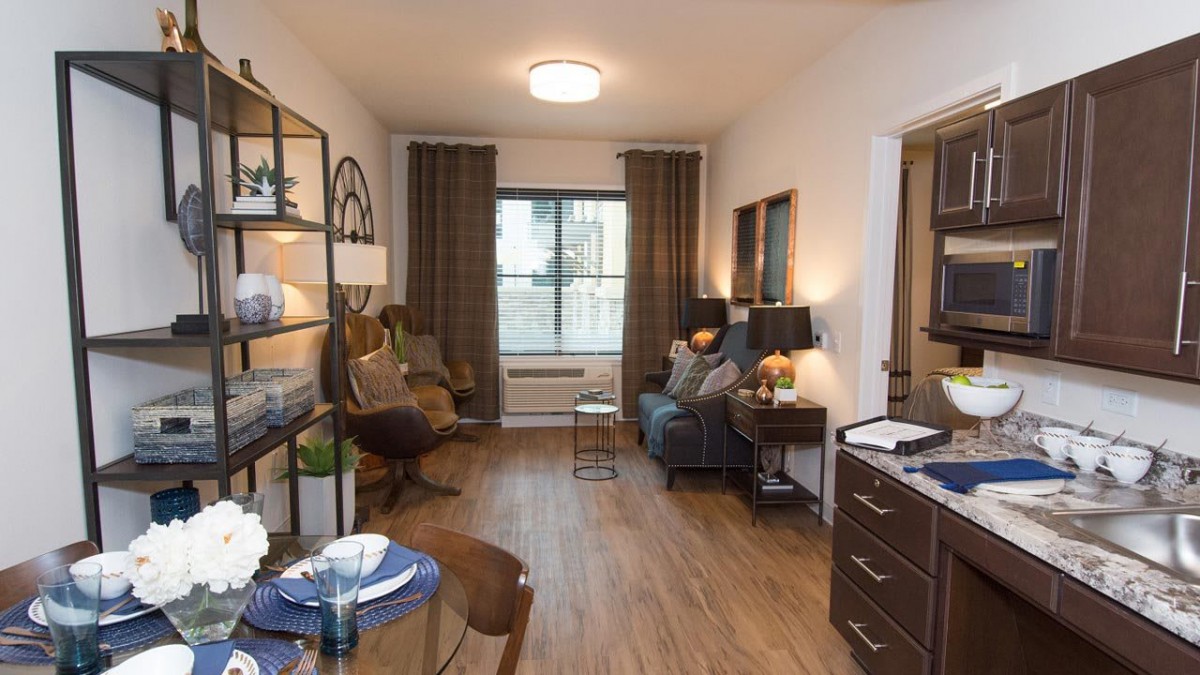
    A cozy living room with modern furniture and wooden flooring, featuring a sofa, armchair, bookshelf, and large window with curtains.
  • Building

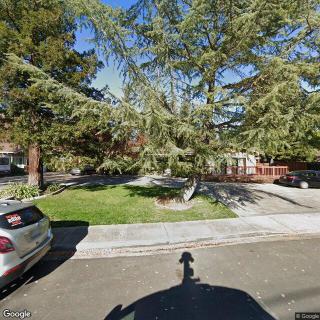
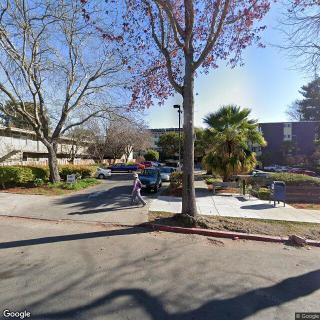
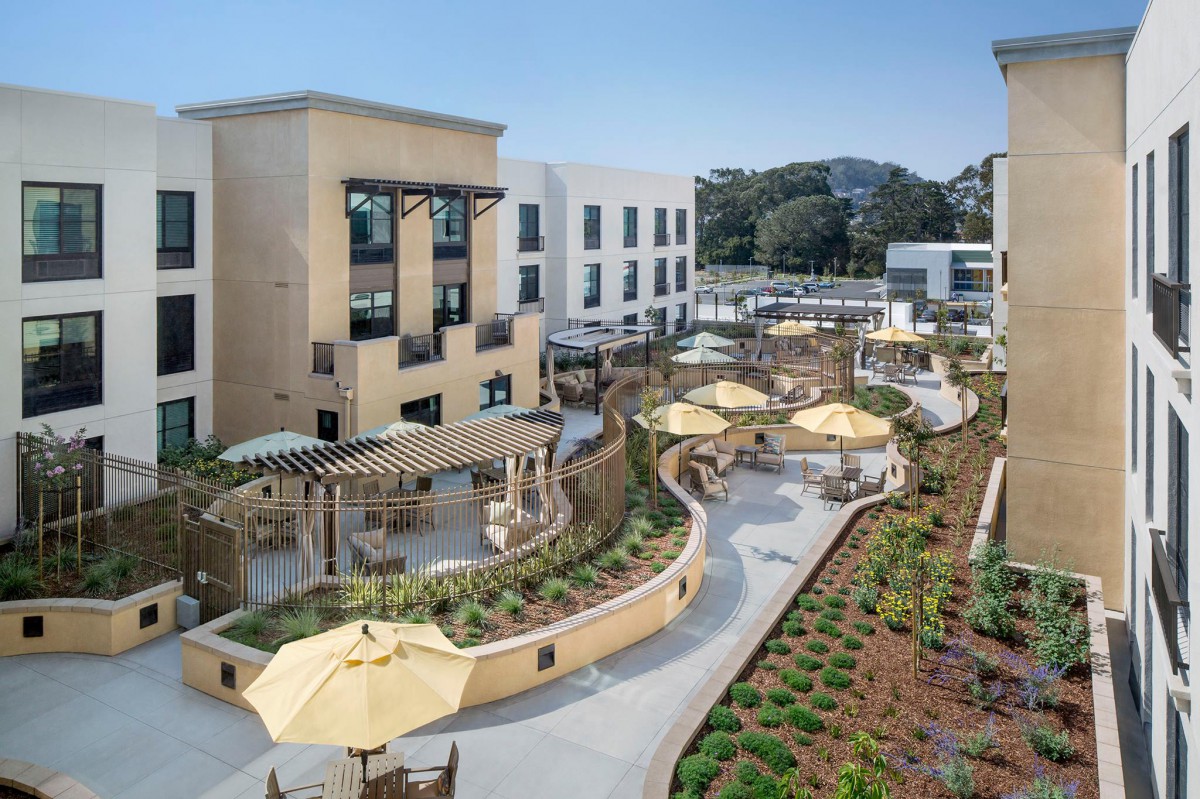
    A modern building with a landscaped outdoor area featuring walkways and umbrellas.
  • Architecture

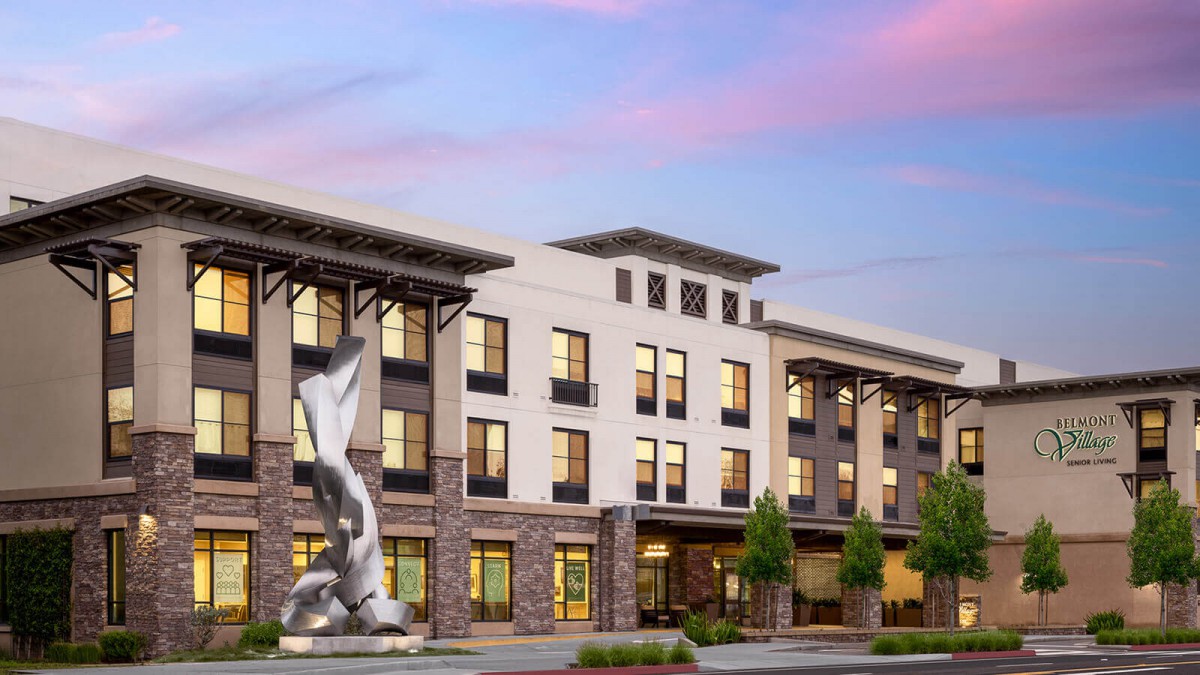
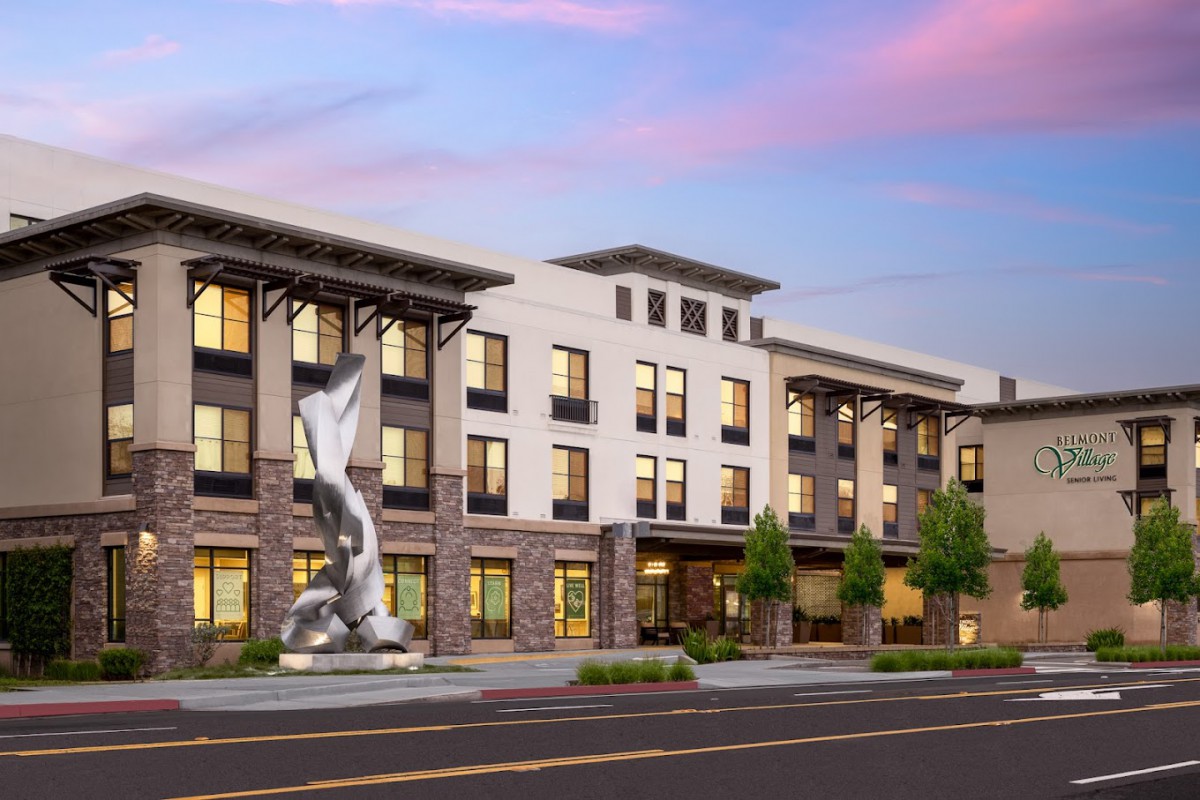
    A modern building with a prominent outdoor sculpture.
  • Trees

    A modern building with a prominent statue in front, set against a colorful sky.
  • Windows

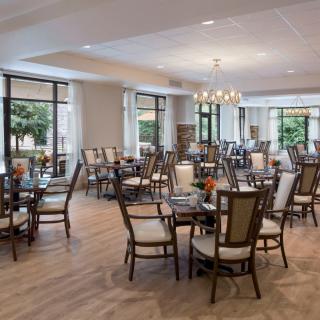
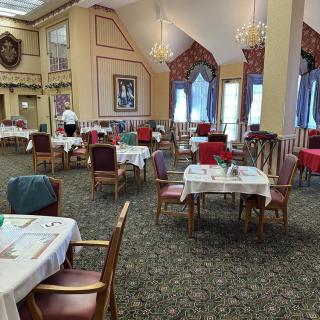
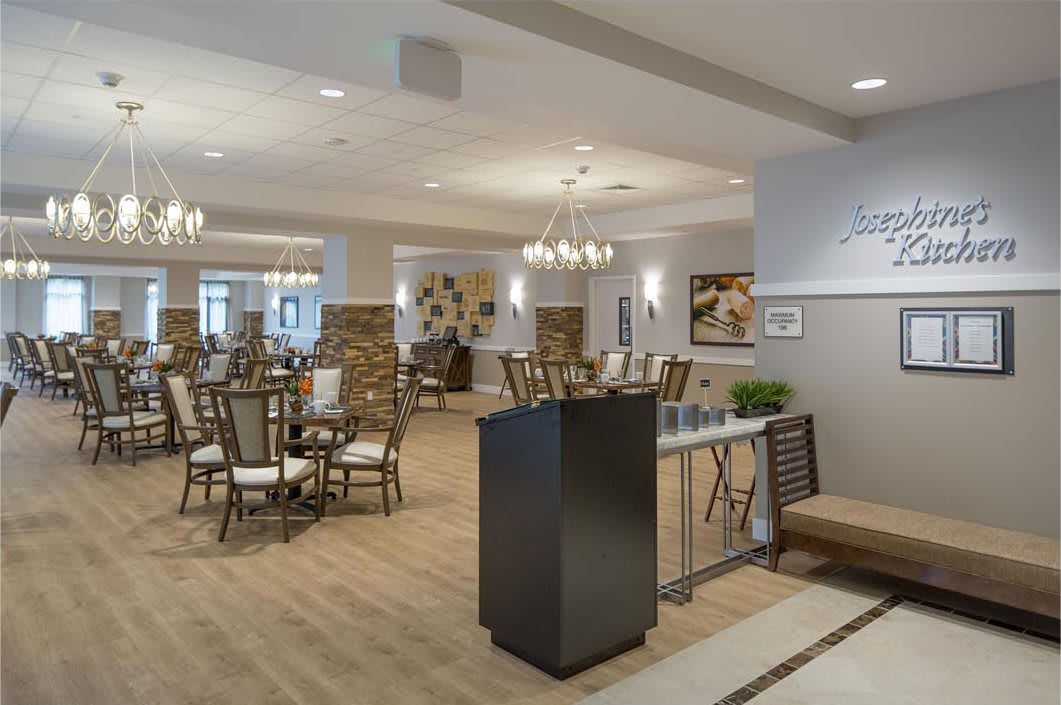
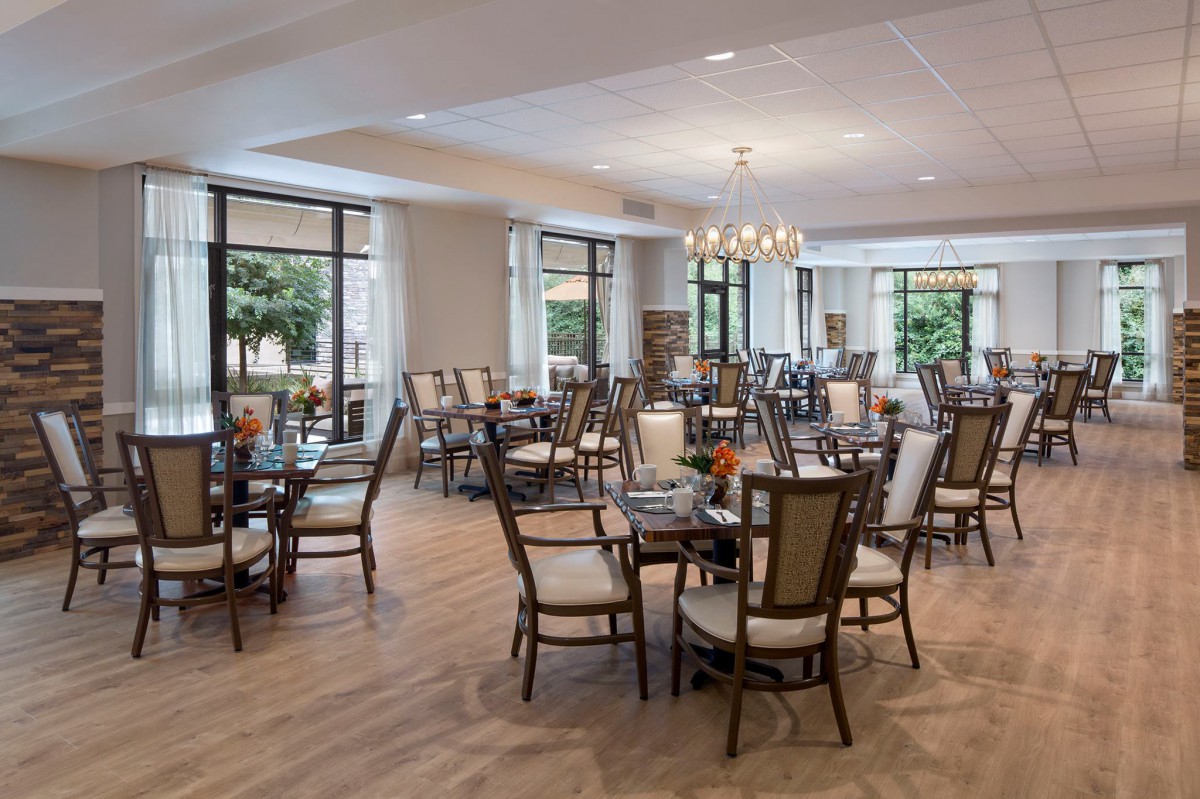
    A spacious and elegantly decorated dining room with modern tables and chairs, featuring large windows and a chandelier.
  • Dining

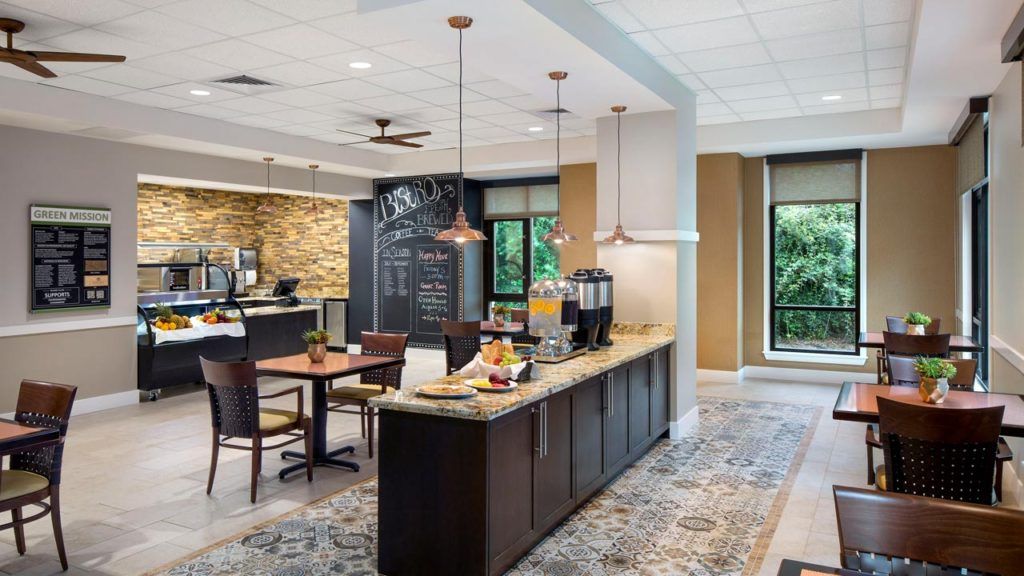
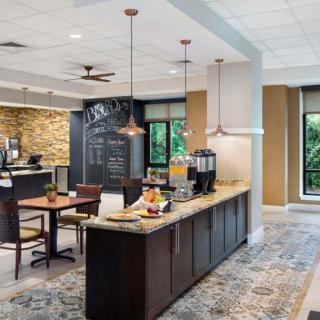
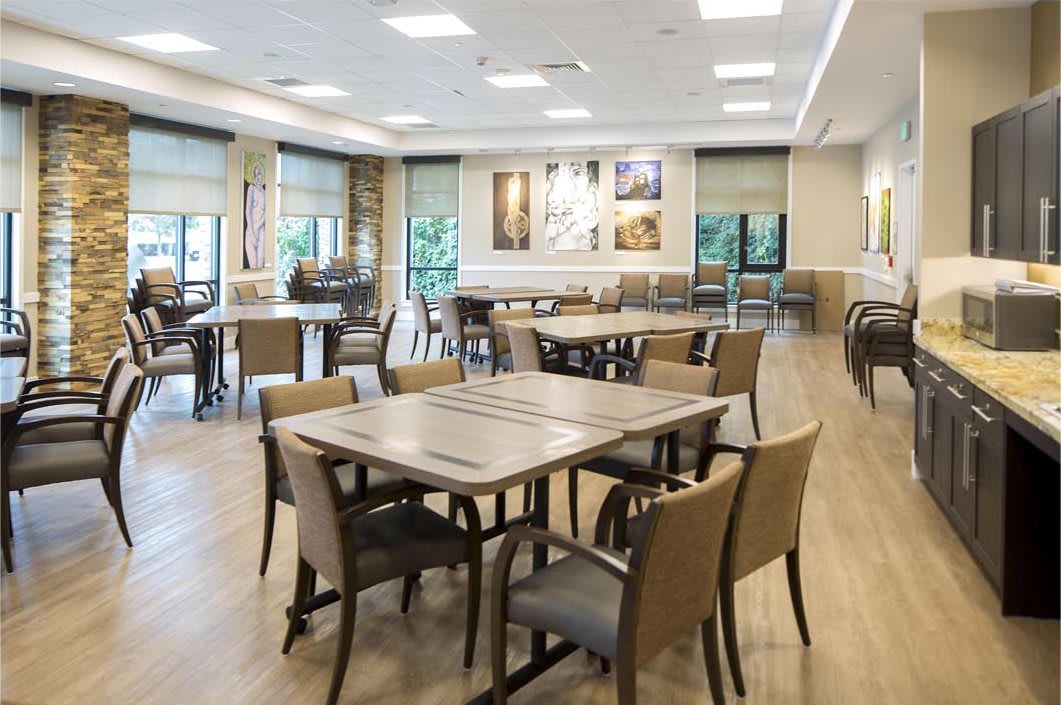
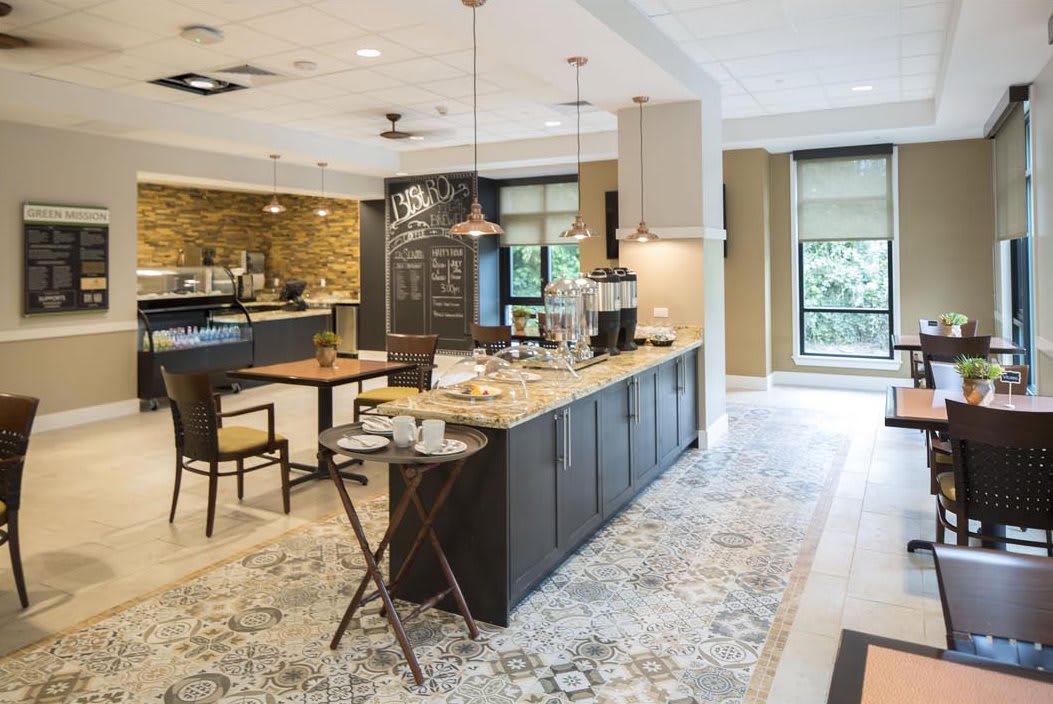
    A modern cafe interior with a coffee station and seating area.
  • Landscaping

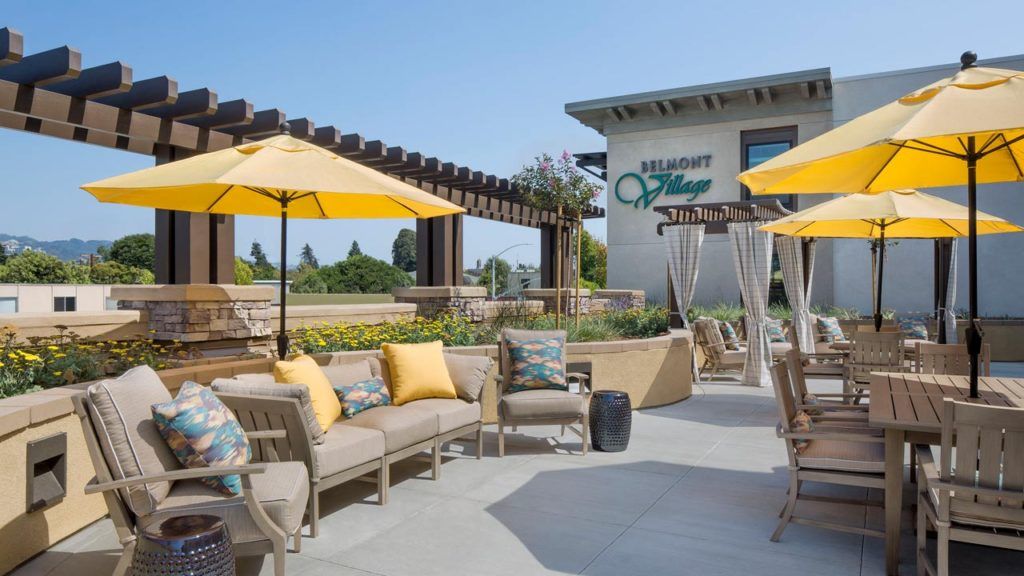
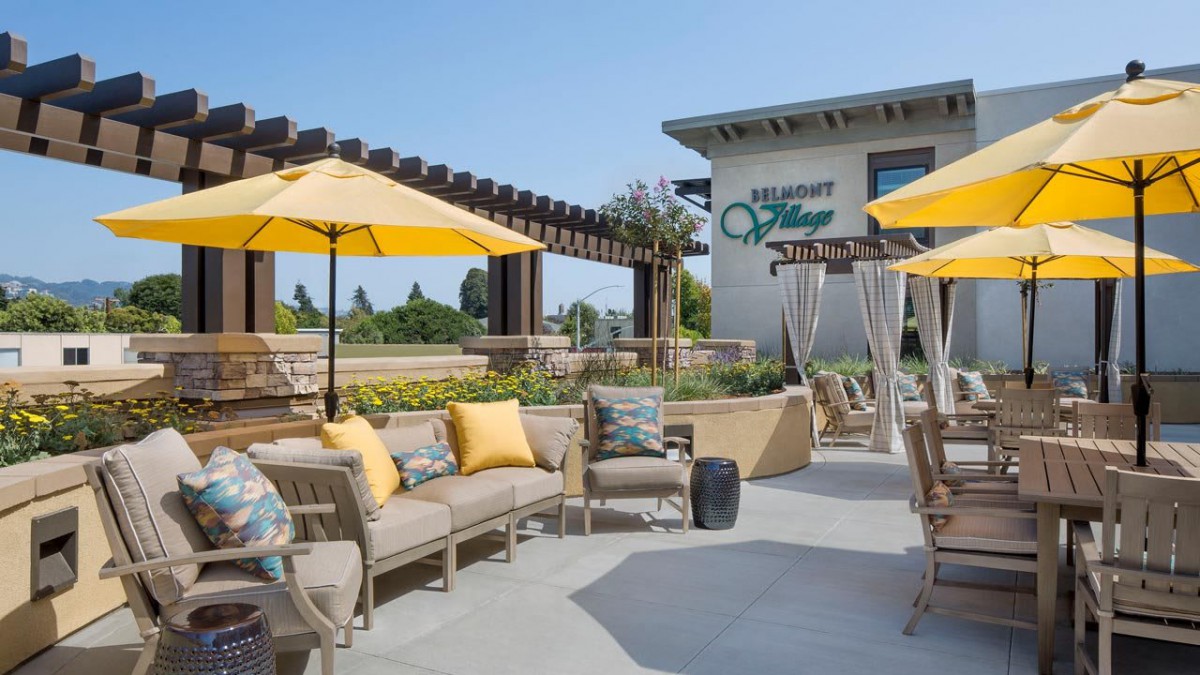
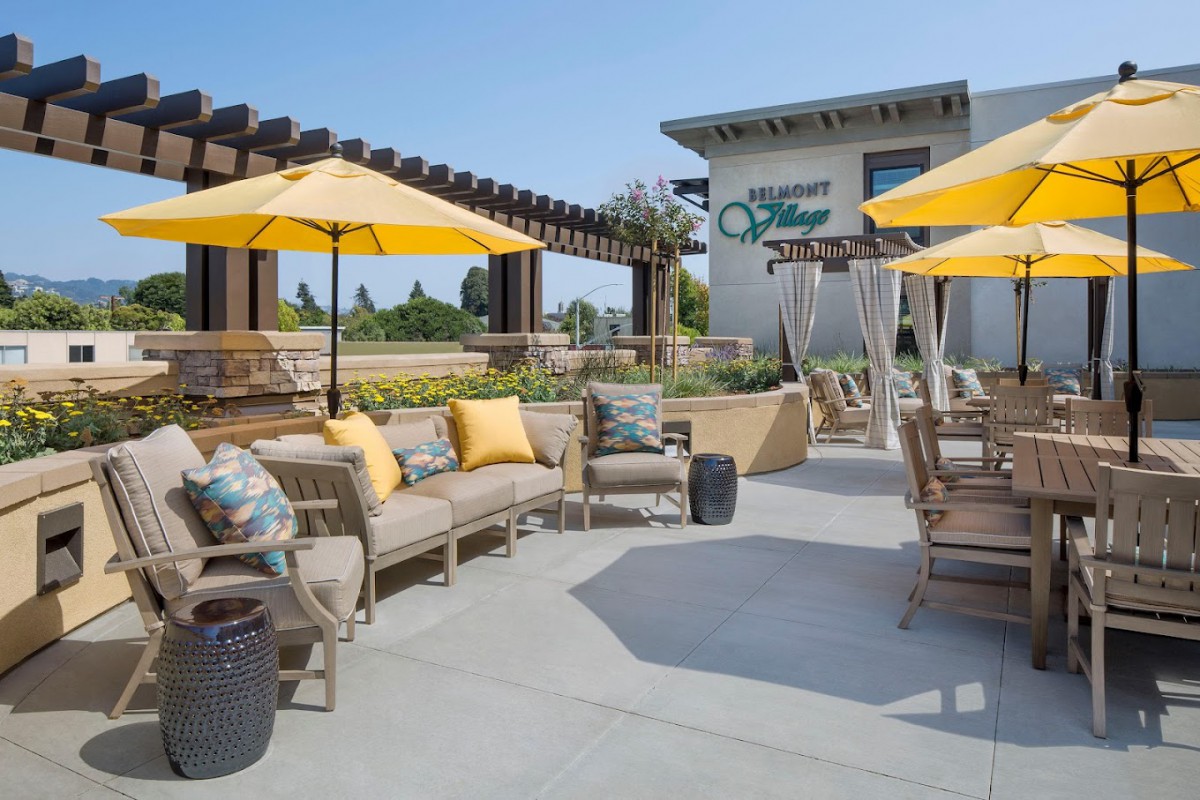
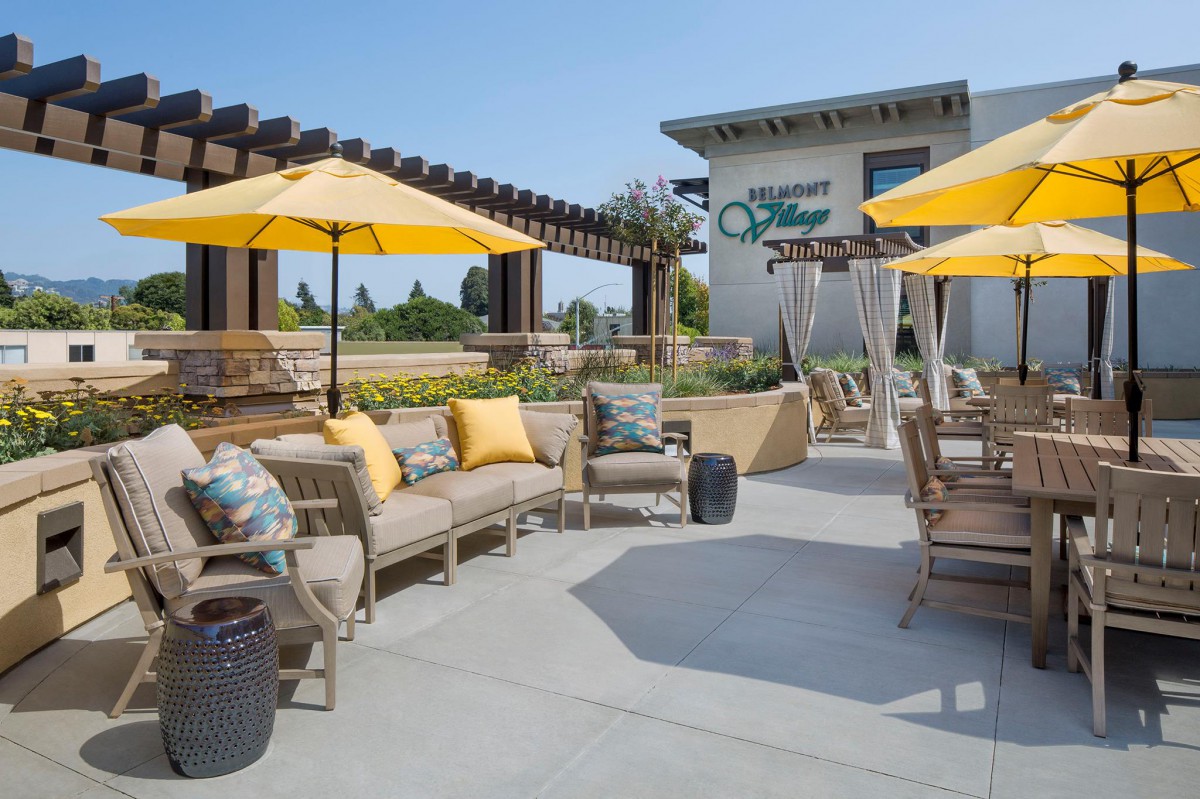
    A sunny patio with comfortable outdoor seating and yellow umbrellas.
  • Kitchen

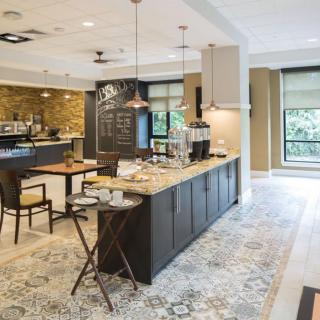
    A modern kitchen with a sleek countertop, dining area, and stylish pendant lights.
  • Garden

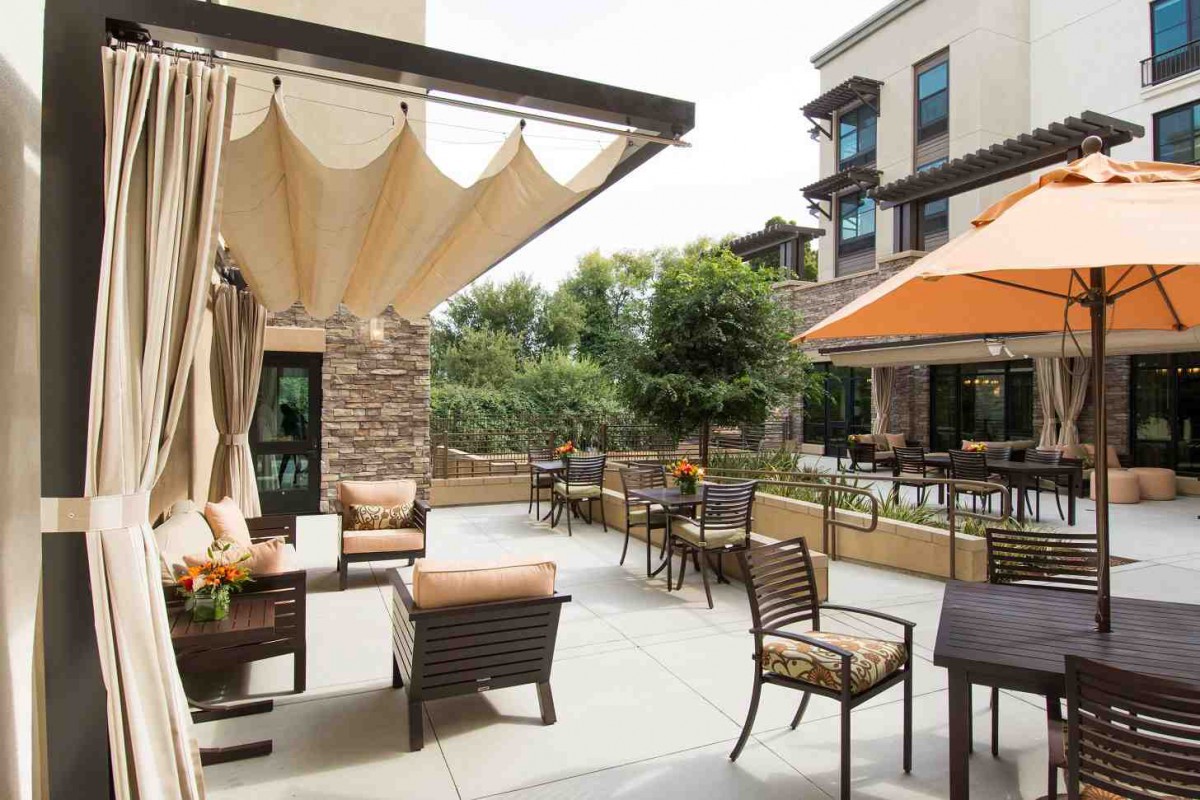
    A modern outdoor patio with comfortable seating and large umbrellas, surrounded by lush greenery.
  • Seating Area

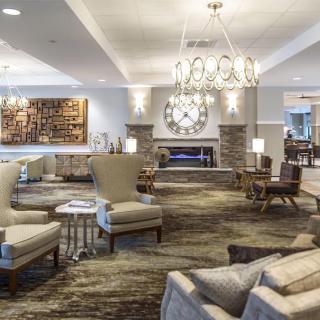
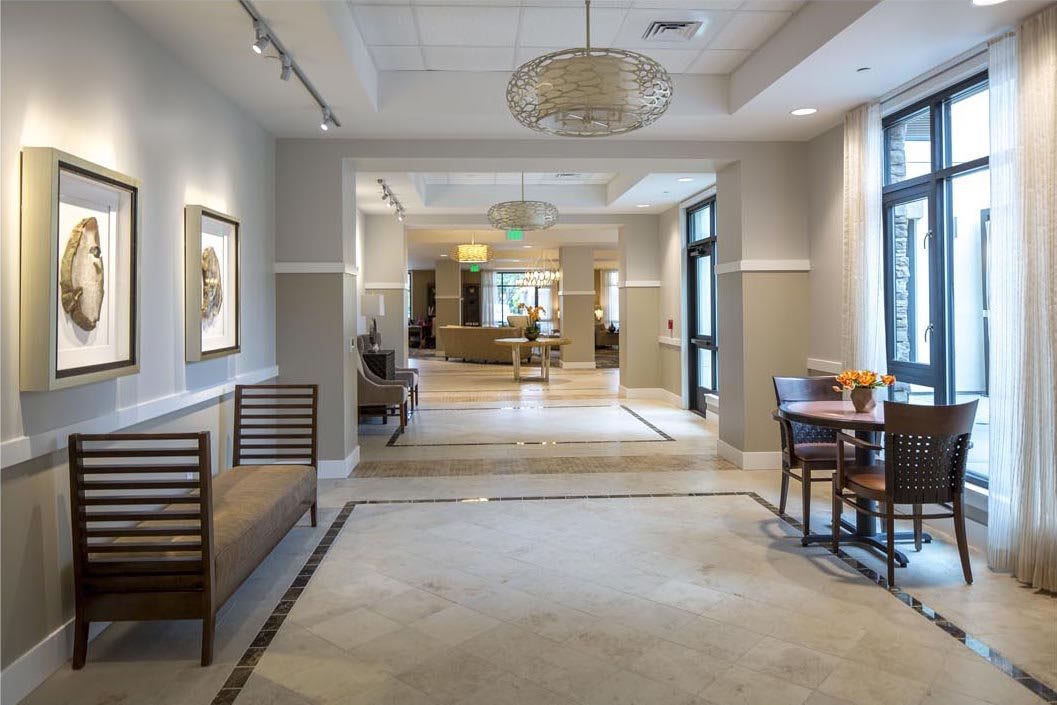
    Elegant hotel lobby with comfortable seating and a modern fireplace.
  • Fireplace

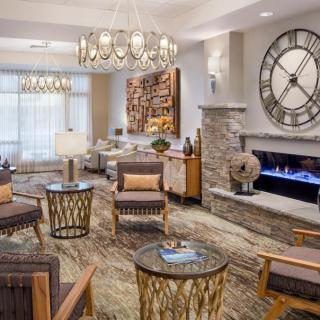
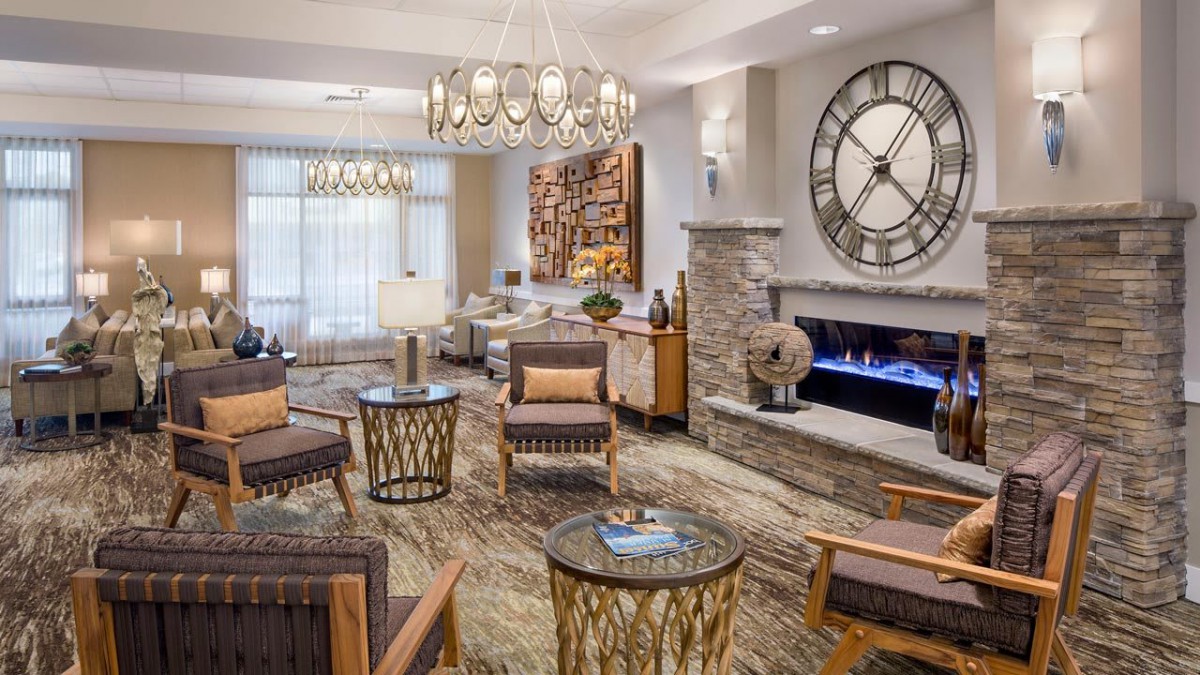
    A modern living room with a large wall clock, fireplace, and stylish seating arrangement.
  • Floor Plan

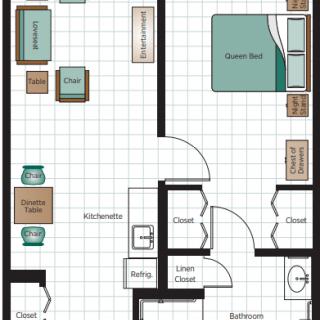
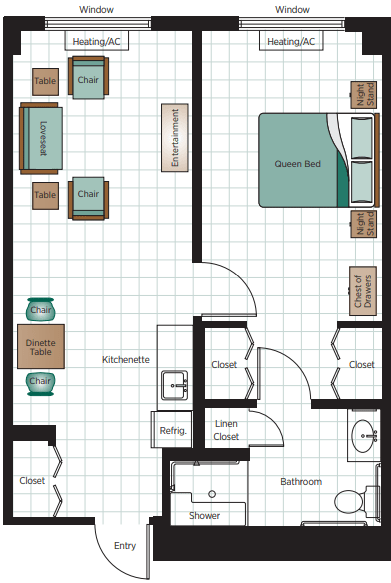
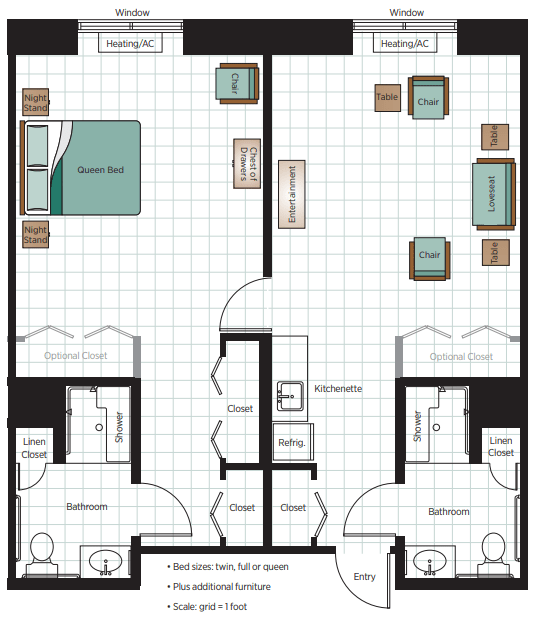
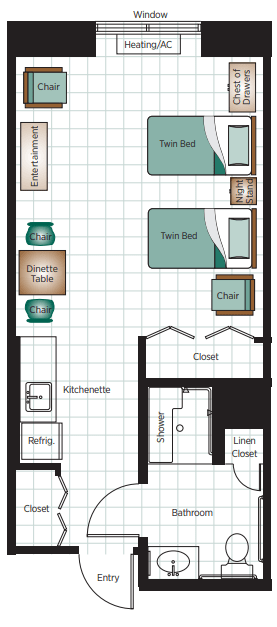
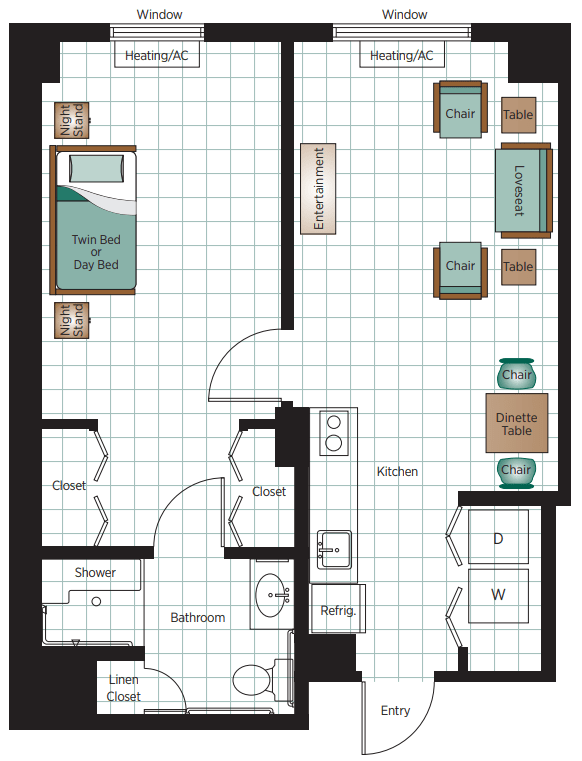
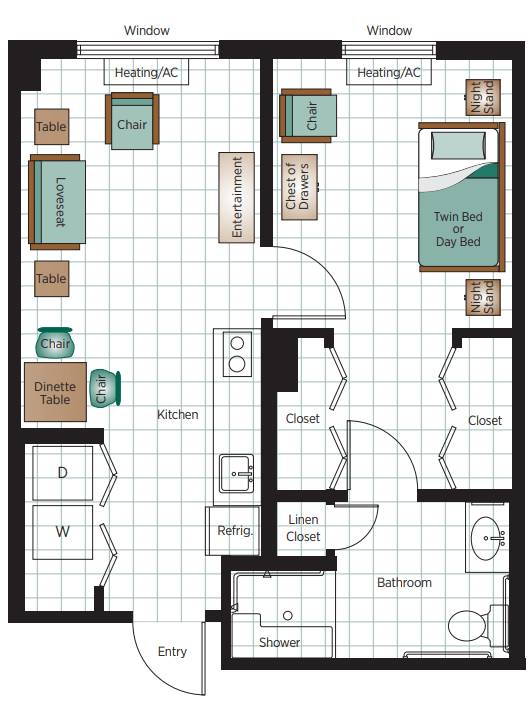
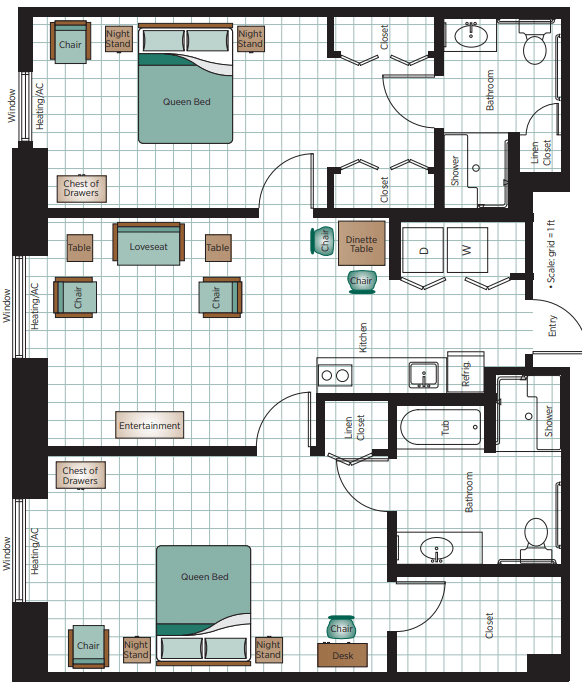
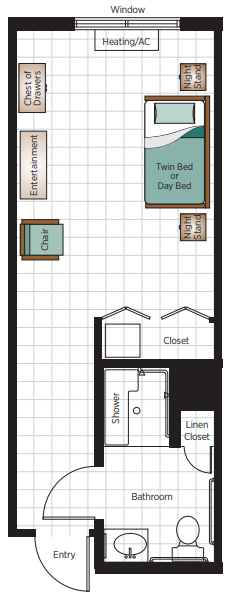
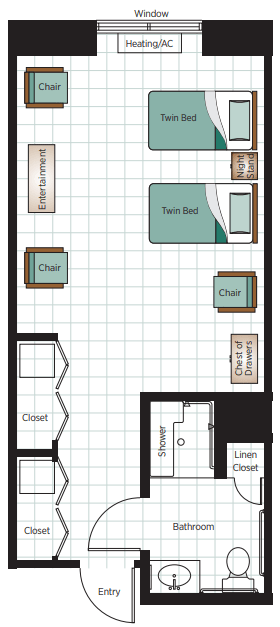
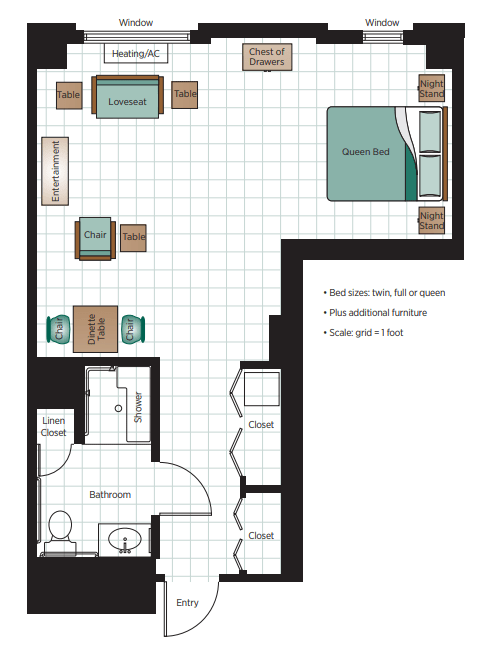
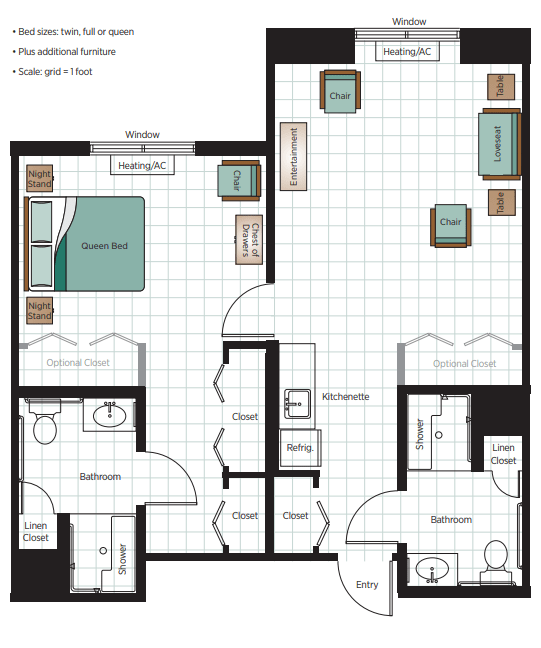
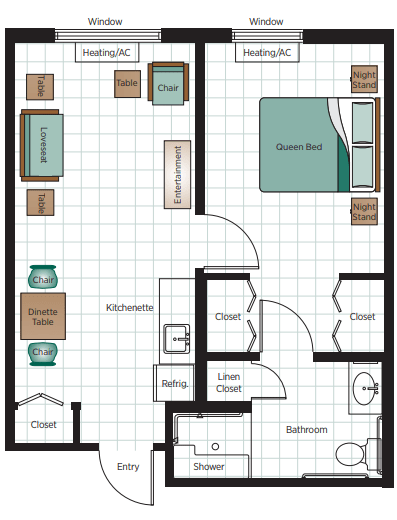
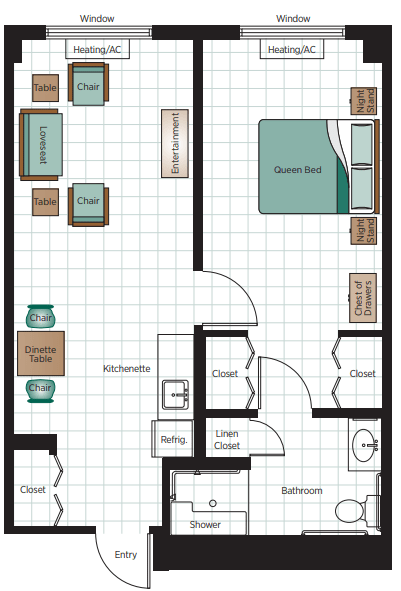
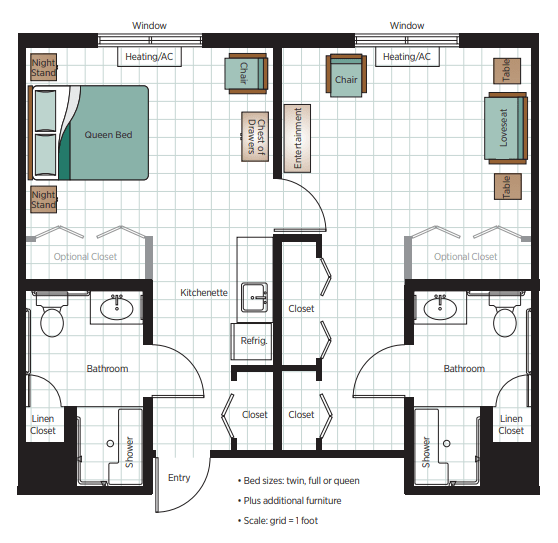
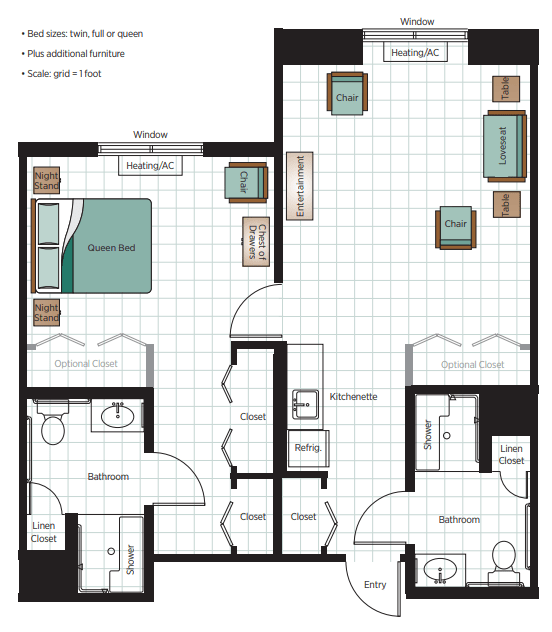
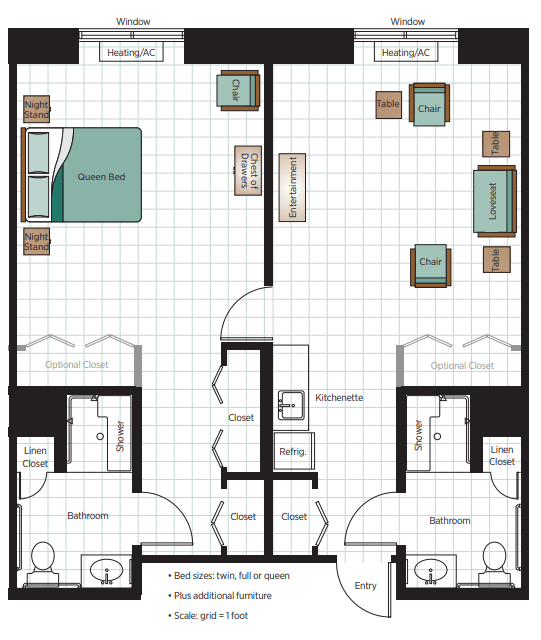
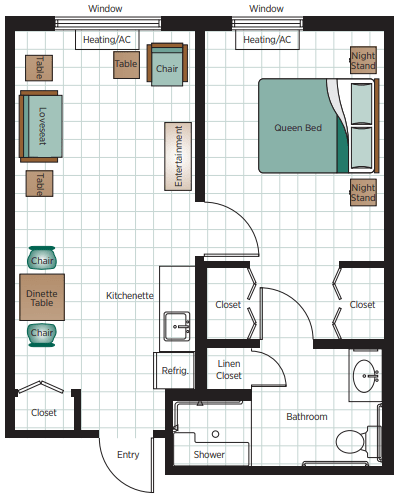
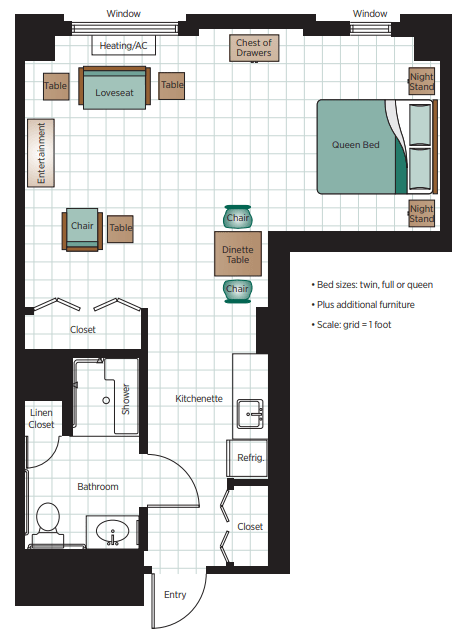
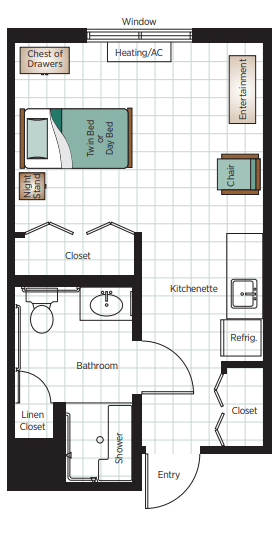
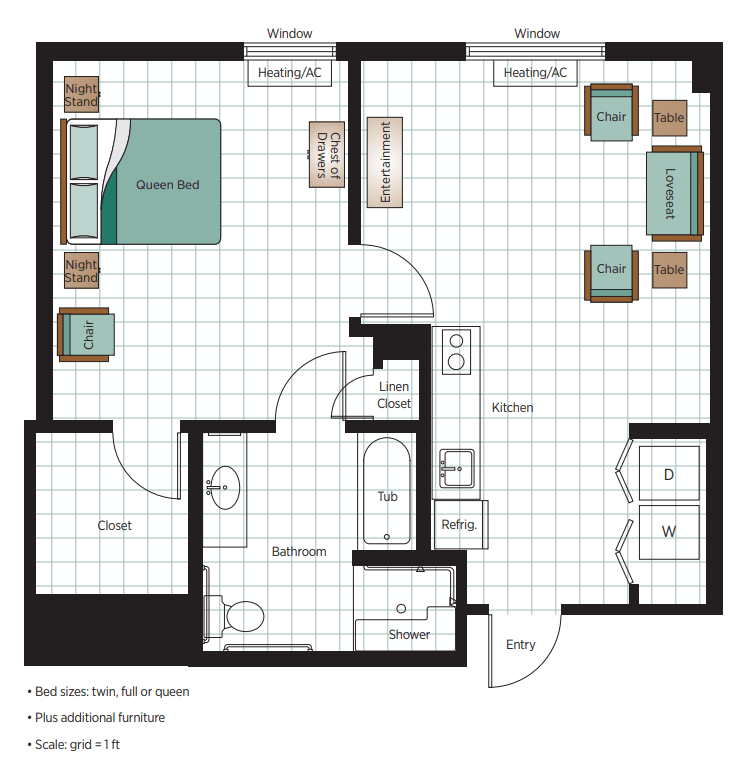
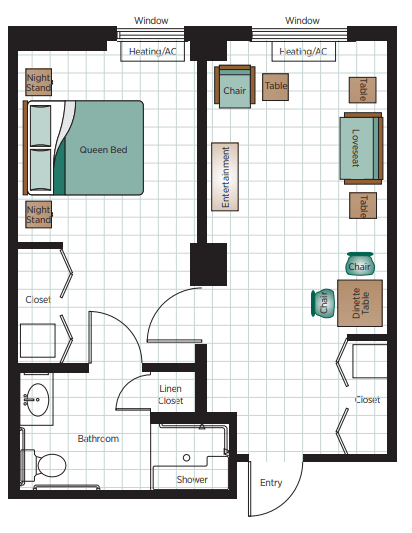
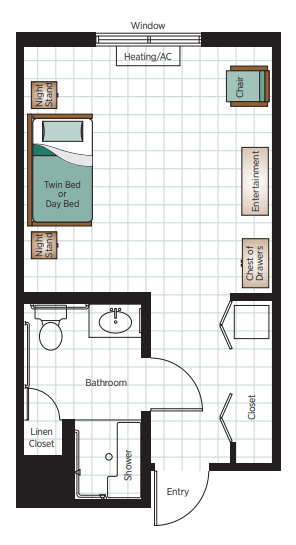
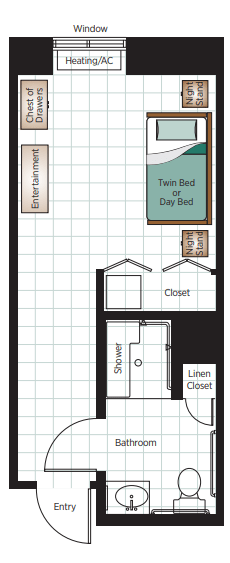
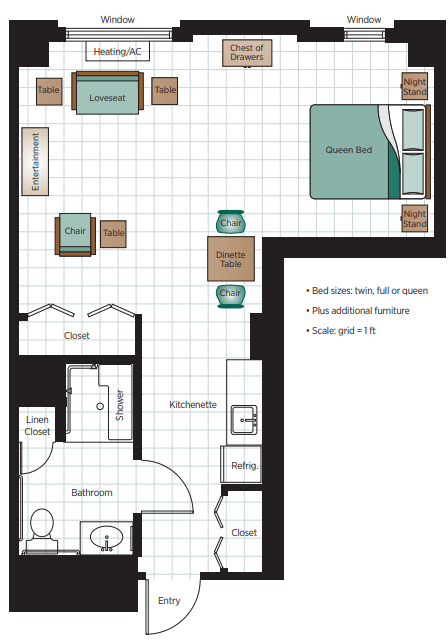
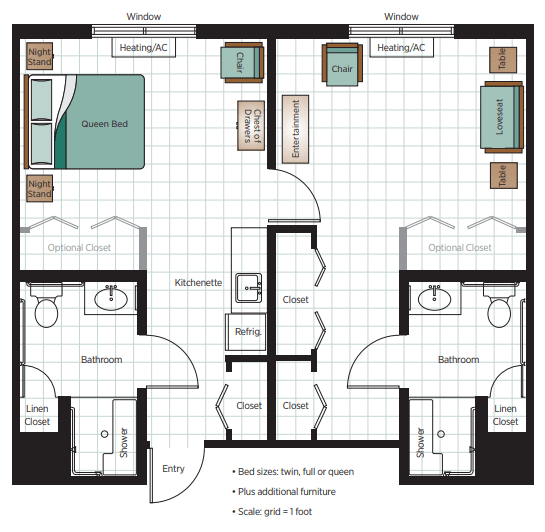
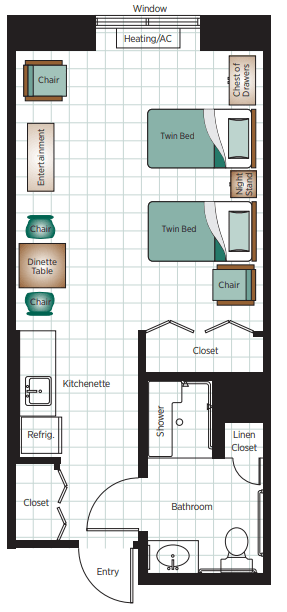
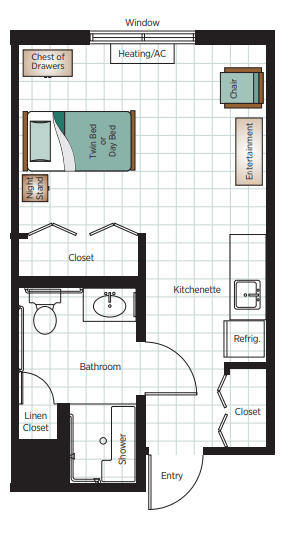
    A detailed floor plan of a small apartment featuring a living room, bedroom, kitchen, and bathroom.

Belmont Village Albany

1100 San Pablo Ave, Albany, CA 94706

For more information about senior living options: (844) 490-3973

4.4 from 142 reviews
5 stars
95
4 stars
27
3 stars
7
2 stars
3
1 stars
10

Assisted Living Independent Living Memory Care Skilled Nursing Facility

Belmont Village Albany Costs & Pricing

Belmont Village Albany presents a premium pricing structure that reflects its commitment to providing high-quality senior living. For instance, the cost of a semi-private room at Belmont Village is $5,525 per month, significantly higher than both the Contra Costa County average of $3,471 and the California state average of $3,333. This trend continues across various room types; a one-bedroom unit is priced at $7,350 compared to $5,008 in Contra Costa County and $4,340 statewide. Similarly, studio apartments are available for $7,790 while county and state averages sit lower at $4,358 and $4,145 respectively. The two-bedroom option further exemplifies this premium positioning with a monthly cost of $10,050 against local and state averages of $6,208 and $5,270 respectively. These figures suggest that while Belmont Village Albany may command higher prices than its surroundings, it likely offers enhanced services and amenities that justify such an investment in quality care.

Floor plansBelmont Village AlbanyContra Costa CountyCalifornia
Semi-Private$5,525$3,471$3,333
1 Bedroom$7,350$5,008$4,340
Studio$7,790$4,358$4,145
2 Bedrooms$10,050$6,208$5,270

Overall Review of Belmont Village Albany

Pros

  • pro Belmont Village offers engaging daily activities, interesting outings, and a Circle of Friends program that helps residents retain cognitive function, supported by a close-knit Memory Care team.
  • pro The staff at Belmont Village handles transitions with the utmost care and respect for residents and their families.
  • pro The Memory Care team is a tight-knit group that manages the challenging needs of residents with dementia with patience and personalized attention.
  • pro Belmont Village attracts a lively, engaged resident community and features bright, inviting facilities.
  • pro The dining program, including Josephine's Kitchen, provides healthy, delicious meals in a modern setting.
  • pro Belmont Village Albany is a beautiful, well-kept community with a warm, supportive staff.
  • pro Administration at Belmont Village helps families navigate the emotional and logistical journey with compassion.

Cons

  • pro The reviewer describes Belmont Village Albany as a "storage unit for seniors," citing inattentive and neglectful staff.
  • pro The care is labeled substandard, with issues like wrong medications and missed meals.
  • pro There are ongoing organizational and communication failures, with little follow-through on promises.
  • pro The facility is criticized for being extremely expensive, with prices that increase over time.
  • pro Safety concerns are raised, including a thief accessing cars and staff failing to notice a resident leaving through a gate.
  • pro Residents experience long waits for assistance due to chronic understaffing and stretched-thin wellness staff.
  • pro Management and PAL turnover is noted, leading to inconsistent, unreliable care.
  • pro The environment is described as imprisoning with too many hard-and-fast rules.
  • pro Some reviewers feel the independent living model pushes residents toward more care instead of supporting independence.
  • pro Hygiene and cleaning were neglected for weeks during the COVID period in some cases.
  • pro Families report having to intervene repeatedly due to lack of follow-through and poor coordination.
  • pro In certain accounts, head nurses or management are described as toxic or incompetent, undermining resident care.

Review

Belmont Village Albany is best suited for families that want a bright, hotel-like senior living environment with serious memory-care capabilities and a robust, resident-driven activity calendar. It targets seniors who value social engagement, structured programming, and a continuum of care that can adapt as dementia progresses. The community justifies a higher price tag with amenities, high-quality dining, and an emphasis on keeping residents active. Those who absolutely need a budget-conscious option, a more minimalist pace, or a model with less emphasis on upscale interiors and resort-like amenities should look at alternatives. The model clearly serves independent living residents who may transition to memory care, but it demands financial commitment and a willingness to invest in a highly organized, sometimes bustling, atmosphere.

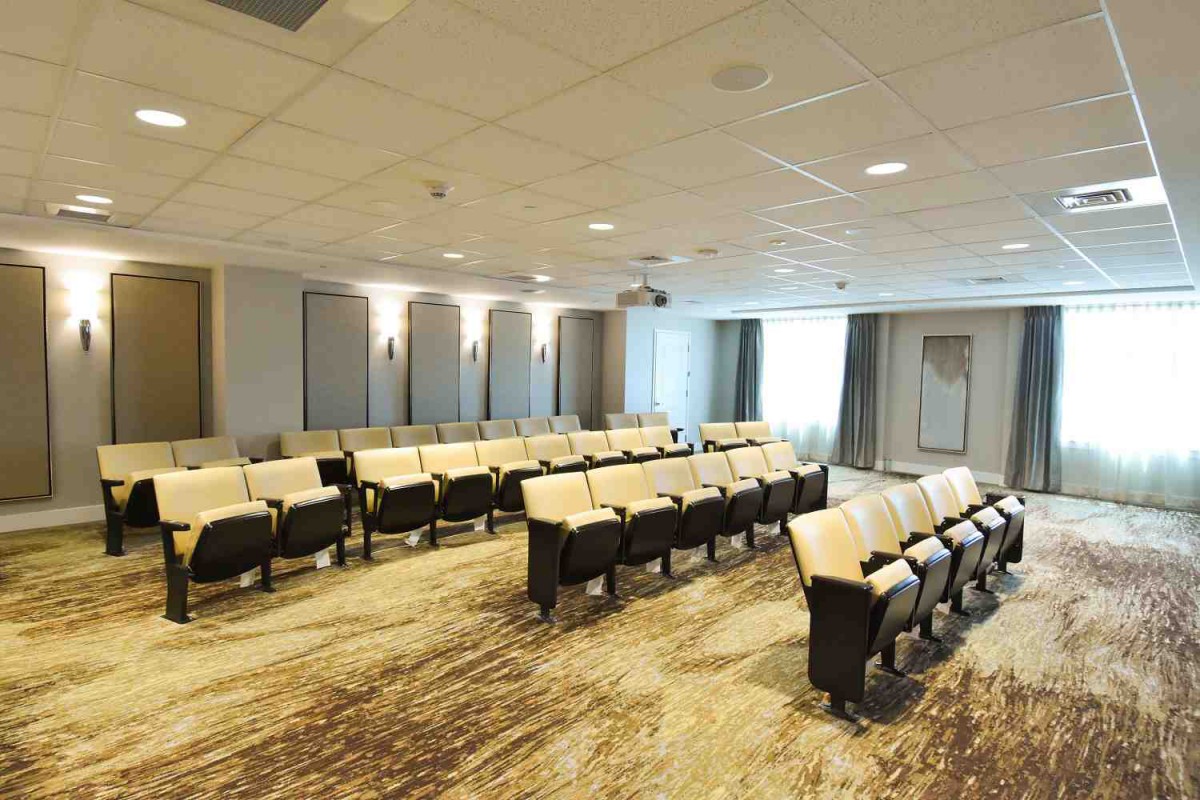
On the plus side, the Belmont Village approach to engagement stands out. The Circle of Friends program and a broad slate of activities go beyond arts-and-crafts, with meaningful outings and dementia-focused programming that keeps minds active. The memory-care team is repeatedly described as close-knit and devoted, capable of handling complex needs with patience and warmth, and the nursing and med-tech staff are praised for steadiness and calm under pressure. Families note transitions - when a loved one moves from assisted living to memory care or even when adjustments are needed after hospital stays - are managed with dignity and practical support, often with moments of genuine care that become memorable anchors for relatives. The physical plant reinforces these strengths: modern, well-kept spaces, bright common areas, a bistro, a full dining room, a theater, and outdoor spaces that invite safe, social of activities.

Yet, the community carries clear and consistent cautions. Several reviews flag the premium cost and point to occasional inconsistencies in staffing and organization. Some families describe lapses in daily operations - missed showers, delays in routine tasks, and uneven follow-through - that can magnify stress for residents and anxiousness for families. Medication management and medical communication surface as recurring themes in a few accounts, as do concerns about pace and responsiveness of PALs and other front-line staff during busy shifts. A handful of stories touch on security or safety gaps, especially in memory care, underscoring the reality that even top-notch facilities face strain in high-acuity moments. The mix of glowing endorsements and pointed warnings is real and should be weighed carefully.

The strongest defense for Belmont Village Albany lies in the offset between its programming and its care philosophy. When staffing and organizational rhythm align, the result is a highly engaged resident body with real social purpose, meaningful routines, and consistent, compassionate handling of dementia-related behaviors. Families repeatedly highlight the staff's warmth, the sense that caregivers know residents by name and preferences, and the way staff collaboration with doctors and pharmacies creates a coherent care experience. The environment supports dignity and independence in the independent living wing while maintaining a disciplined, safety-forward approach in memory care. For families seeking a place where residents can stay engaged and well-attended, these strengths often outweigh the occasional operational flaws.

Prospective residents should weigh who Belmont Village Albany is really for. It excels for couples and individuals who relish daily activities, value a strong social ecosystem, and appreciate a facility that treats memory care as a specialized, human-centered service. It also suits families who want clear leadership, an appealing campus, and a dining-and-amenities spine that feels like a high-end hotel. Those who fear price volatility, crave near-perfect reliability in every service contact, or require very hands-off oversight may want to consider alternatives - whether due to cost, staff-consistency concerns, or a preference for a more understated atmosphere. In short, Belmont Village Albany is a premier, purpose-built option for active, engaged seniors with the means to sustain it.

Actionable next steps center on clarity and firsthand observation. Tour multiple times, ideally during different shifts, and ask direct questions about staffing ratios, medication oversight, and the memory-care program's routines and metrics. Review the contract for fee structures and what is included versus billed separately, and request recent care-plans and incident-resolution processes. Speak with current residents and family members about call-backs, shower and laundry routines, and how the team handles transitions between levels of care. Confirm the presence of 24/7 nursing support, accessible medical coordination, and the specific safety measures in memory care. Belmont Village Albany remains a compelling choice for the right family - just be sure the financial and operational realities align with long-term care expectations.

Features

Housing

  • 225 resident community capacity 225 resident community capacity
  • 1-bedroom apartments 1-bedroom apartments1-bedroom apartments are important for seniors because they provide a sense of independence, privacy, and autonomy while still offering the necessary space for comfortable living. These apartments allow seniors to maintain their own personal space and lifestyle preferences in a supportive community setting.
  • 2-bedroom apartments 2-bedroom apartments2-bedroom apartments are important for seniors because they provide extra space for guests, hobbies, and caregivers, as well as potential for additional income through roommates or rental.
  • Studio apartments Studio apartmentsStudio apartments are important for seniors because they offer a smaller, more manageable living space that is easier to navigate and maintain as physical abilities decline. Additionally, studio apartments provide seniors with independence and privacy while still being part of a community that offers support and social opportunities.

Types of Care

  • Assisted Living Assisted LivingAssisted living facilities provide crucial support and care for seniors who may need help with daily tasks such as medication management, bathing, and meal preparation. These communities offer a safe and comfortable environment where seniors can maintain their independence while receiving the assistance they need to thrive in their golden years.
  • Independent Living Independent LivingIndependent living communities are important for seniors because they offer a safe and supportive environment where older adults can live independently while still having access to amenities and services that enhance their quality of life. These communities provide social opportunities, recreational activities, and assistance with daily tasks, promoting overall well-being and allowing seniors to maintain their independence for as long as possible.
  • Memory Care Memory CareMemory care is crucial for seniors as it provides specialized support and services for individuals with dementia or Alzheimer's disease. These programs offer a safe and secure environment where residents receive personalized care, cognitive stimulation, and help with daily activities. Memory care helps seniors maintain their independence, quality of life, and dignity while also providing peace of mind for their families.
  • Skilled Nursing Facility Skilled Nursing FacilitySkilled Nursing Facilities are crucial for seniors as they provide round-the-clock medical care, rehabilitation services, and assistance with daily activities. These facilities ensure that seniors receive the specialized care they need to maintain their health and well-being as they age.

Pets

  • Cats allowed Cats allowed"Pet friendly" senior living communities are important for seniors because pets provide companionship, reduce feelings of loneliness and depression, promote physical activity and mental stimulation, and offer a sense of purpose and responsibility. Pets can improve overall well-being and quality of life for seniors in many ways.
  • Dogs allowed Dogs allowed"Pet friendly" senior living communities are important for seniors because pets provide companionship, reduce feelings of loneliness and depression, promote physical activity and mental stimulation, and offer a sense of purpose and responsibility. Pets can improve overall well-being and quality of life for seniors in many ways.

Amenities

  • Activities on-site Activities on-siteActivities on-site are important for seniors because they provide opportunities for socialization, mental stimulation, physical activity, and overall well-being. Engaging in activities can help seniors stay active, maintain their independence, and improve their quality of life.
  • Air-conditioning Air-conditioningAir conditioning is important for seniors as they are more vulnerable to heat-related illnesses and may have underlying health conditions that make it difficult for them to regulate their body temperature. It helps to keep them comfortable, safe, and healthy in hot weather.
  • Beautician on-site Beautician on-siteHaving a beautician on-site at a senior living community is important for seniors as it allows them to easily access grooming and personal care services, boosting their self-esteem and overall well-being. It also provides convenience and helps seniors maintain their sense of independence and personal style.
  • Beauty salon Beauty salonBeauty salons are important for seniors because they provide a space for them to feel pampered, socialize, and maintain their personal grooming and hygiene. Regular visits to a beauty salon can help boost seniors' self-esteem and overall well-being.
  • Cable or satellite TV Cable or satellite TVCable or satellite TV is important for seniors because it provides entertainment, news, and companionship, helping to combat loneliness and boredom. It also offers a wide range of programming options tailored to different interests and preferences.
  • Computer center Computer centerA computer center is essential for seniors as it provides access to technology, communication tools, and resources that can enhance their daily lives. It allows them to stay connected with loved ones, engage in online activities, and learn new skills, ultimately promoting socialization and mental stimulation.
  • Devotional services off-site Devotional services off-siteDevotional services off-site are important for seniors as they provide spiritual nourishment, social engagement, and a sense of community outside of the senior living facility. This can enhance overall well-being and help combat feelings of isolation and loneliness often experienced by older adults.
  • Devotional services on-site Devotional services on-siteDevotional services on-site provide seniors with spiritual support and a sense of community, as well as an opportunity for reflection and guidance during their senior living experience. This can promote emotional well-being and connection to others, leading to a more fulfilling and enriching lifestyle in their later years.
  • Dining room Dining roomDining rooms are important for seniors as they provide a space for socialization, connection, and nutritious meals. They offer opportunities for residents to bond over shared meals, foster a sense of community, and promote healthy eating habits. Dining rooms also ensure that seniors have access to well-balanced meals tailored to their dietary needs and preferences.
  • Fitness room Fitness roomHaving a fitness room in a senior living community is essential for seniors to stay active, maintain their physical health, and improve their overall well-being. Regular exercise can help prevent falls, reduce the risk of chronic diseases, and promote mental sharpness. It also provides social opportunities for residents to connect with others and enjoy a sense of community.
  • Fully furnished Fully furnishedFully furnished senior living communities are important for seniors because they provide convenience, comfort, and a hassle-free moving experience. Seniors can easily settle into their new living space without the stress of having to buy and move furniture. This allows them to focus on enjoying their new home and community.
  • Gaming room Gaming roomGaming rooms are important for seniors as they provide a fun and engaging environment for socializing, cognitive stimulation, and physical activity. Games can improve memory, problem-solving skills, and overall mental well-being while fostering friendships and reducing feelings of isolation.
  • Garden GardenGardens are important for seniors as they provide a peaceful and therapeutic environment for relaxation, physical activity, and socialization. Being in nature has been shown to reduce stress, improve mood, and promote overall well-being. Gardens also offer opportunities for seniors to engage in gardening activities, which can improve mobility, flexibility, and cognitive function. Additionally, gardens create a sense of community and connection with others who share a passion for plants and outdoor spaces.
  • Ground floor units Ground floor unitsGround floor units are important for seniors because they provide easy accessibility, reduced risk of falls and injuries, and convenience for those with mobility issues. Seniors can avoid climbing stairs or using elevators, making daily tasks and activities more manageable and enjoyable.
  • Housekeeping services Housekeeping servicesHousekeeping services are important for seniors because they help maintain a clean and safe living environment, promote independence, and reduce the risk of accidents or illnesses. Additionally, having assistance with household chores can alleviate physical strain and allow seniors to focus on other aspects of their well-being.
  • Indoor common areas Indoor common areasIndoor common areas are crucial for seniors as they provide a space for socialization, recreation, and community engagement, promoting overall well-being and reducing feelings of isolation and loneliness.
  • Kitchenette KitchenetteKitchenettes are important for seniors living in senior living communities because they provide the convenience and independence of being able to prepare simple meals and snacks in the comfort of their own living space. This can help promote a sense of autonomy and well-being for seniors, allowing them to maintain some level of control over their dietary choices and daily routines.
  • Move-in coordination Move-in coordinationMove-in coordination is important for seniors because it helps ease the transition into their new living environment. It ensures that all logistics, such as packing, organizing movers, and setting up utilities are taken care of, allowing seniors to focus on settling in and adjusting to their new home. Having a smooth move-in process can alleviate stress and anxiety, making the transition smoother and more enjoyable for seniors.
  • Outdoor common areas Outdoor common areasOutdoor common areas are important for seniors as they provide a space for socialization, physical activity, and relaxation. Being outside in nature can improve mood and overall well-being, while also encouraging movement and engagement with others. These spaces can help combat feelings of isolation and promote a sense of community among residents.
  • Outdoor space Outdoor spaceOutdoor spaces are important for seniors as they provide opportunities for physical activity, social interaction, exposure to natural light and fresh air, and a sense of connection to nature. Having access to outdoor spaces can improve overall well-being and quality of life for older adults living in senior communities.
  • Pet friendly Pet friendly"Pet friendly" senior living communities are important for seniors because pets provide companionship, reduce feelings of loneliness and depression, promote physical activity and mental stimulation, and offer a sense of purpose and responsibility. Pets can improve overall well-being and quality of life for seniors in many ways.
  • Private bathrooms Private bathroomsPrivate bathrooms are important for seniors in senior living communities because they provide independence, dignity, and comfort. Having a private bathroom allows seniors to maintain their personal hygiene routines without the need for assistance, promoting a sense of autonomy and privacy. Additionally, private bathrooms help prevent the spread of infections and provide a safe and clean environment for seniors to navigate safely.
  • Respite or short term stays offered Respite or short term stays offeredRespite or short term stays provide seniors with a temporary solution when their regular caregiver is unavailable, offering them the opportunity to receive additional care and support during times of need, while also giving caregivers a chance to rest and recharge.
  • Restaurant-style dining Restaurant-style diningRestaurant-style dining is important for seniors because it allows them to enjoy delicious, nutritious meals in a social and upscale setting. This enhances their dining experience, promotes healthy eating habits, and fosters socialization with fellow residents, ultimately contributing to their overall well-being and quality of life.
  • Small library Small librarySmall libraries are important for seniors as they provide access to a variety of reading materials, including books, newspapers, and magazines. This can help stimulate their minds, keep them engaged, and provide a sense of community through book clubs and other social activities. Additionally, reading has been shown to improve cognitive function and overall mental well-being in older adults.
  • Telephone TelephoneTelephones are important for seniors as they provide a lifeline for communication with loved ones, emergency services, and healthcare providers. They offer a sense of security and independence, enabling seniors to stay connected and access assistance when needed.
  • Wellness center Wellness centerWellness centers are important for seniors because they offer a variety of programs and services that promote physical, mental, and emotional well-being. These centers provide opportunities for exercise, socialization, education, and relaxation, helping seniors maintain their overall health and quality of life.
  • Wheelchair accessible showers Wheelchair accessible showersWheelchair accessible showers are crucial for seniors as they provide a safe and independent bathing option for those with mobility challenges. These showers help prevent falls and allow seniors to maintain their dignity and autonomy while ensuring they can bathe comfortably.
  • Wi-Fi/high-speed internet available Wi-Fi/high-speed internet availableWi-Fi/high-speed internet is important for seniors to stay connected with loved ones, access online resources, and participate in virtual activities to combat feelings of loneliness and isolation. It also allows them to easily manage healthcare needs, access entertainment, and engage in lifelong learning opportunities.

Transportation

  • Metropolitan Oakland International (12 miles away) Metropolitan Oakland International (12 miles away)
  • San Francisco International (19 miles away) San Francisco International (19 miles away)
  • Community operated transportation Community operated transportationCommunity operated transportation is crucial for seniors as it provides them with the means to access essential services, social activities, and medical appointments. It allows seniors to maintain their independence and quality of life by ensuring they can participate in activities outside of their homes. Additionally, community-operated transportation services offer a safe and reliable way for seniors to travel without having to rely on family or friends for assistance.
  • Transportation & parking Transportation & parkingTransportation and parking are vital for seniors as they offer access to essential services, activities, and social interactions. Reliable transportation options can help seniors maintain independence, stay connected within their community, and enjoy a higher quality of life. Additionally, convenient parking facilities ensure that seniors can easily access necessary resources and amenities without added stress or difficulty.
  • Transportation arrangement Transportation arrangementTransportation arrangements are crucial for seniors as they may face challenges with driving, mobility, or access to public transportation. Having reliable transportation services ensures that seniors can easily attend appointments, social activities, and maintain their independence and quality of life.
  • Transportation arrangement (non-medical) Transportation arrangement (non-medical)Transportation arrangements are essential for seniors as they provide access to essential services, activities, and social interactions outside the home. This service helps maintain independence, mobility, and overall well-being for seniors who may have limited transportation options.

Care Services

  • 12-16 hour nursing 12-16 hour nursing12-16 hour nursing care is crucial for seniors in order to ensure around-the-clock monitoring, timely medication administration, and prompt response to any health concerns or emergencies. This level of care helps to promote the overall well-being and safety of seniors living in senior living communities.
  • 24-hour call system 24-hour call system24-hour call systems are important for seniors because they provide peace of mind and immediate assistance in case of emergencies. This technology ensures that help is always available, promoting safety and security for elderly individuals living alone or in assisted living facilities.
  • 24-hour supervision 24-hour supervision24-hour supervision is important for seniors to ensure their safety, well-being, and access to immediate assistance in case of emergencies or health issues. This constant support provides peace of mind for both seniors and their loved ones, allowing them to age in place with dignity and security.
  • Activities of daily living assistance Activities of daily living assistanceActivities of daily living assistance are important for seniors because they provide essential support with tasks such as eating, bathing, dressing, and mobility. This assistance helps seniors maintain their independence, dignity, and overall quality of life as they age.
  • Ambulatory care Ambulatory care"Ambulatory care services provide essential medical support and treatment to seniors without requiring hospitalization, allowing them to maintain their independence and quality of life while managing chronic conditions or receiving routine medical care."
  • Assistance with bathing Assistance with bathingAssistance with bathing is crucial for seniors as it helps maintain personal hygiene, prevents infections, and ensures their overall well-being and comfort. It also provides a sense of dignity and independence for seniors who may struggle with this task on their own.
  • Assistance with dressing Assistance with dressingAssistance with dressing is important for seniors because it helps maintain their independence, promotes personal hygiene, prevents accidents and injuries, and improves overall quality of life. This service ensures that seniors can continue to dress comfortably and confidently, despite any physical limitations they may have.
  • Assistance with transfers Assistance with transfersAssistance with transfers is crucial for seniors as it helps prevent falls and injuries, maintains their independence, and ensures they can safely navigate their living environment. It also provides peace of mind for both seniors and their loved ones.
  • Coordination with health care providers Coordination with health care providersCoordination with health care providers is crucial for seniors to ensure proper medical care, medication management, and overall well-being. This collaboration helps prevent overlapping treatments, track progress more effectively, and provide comprehensive support tailored to individual needs.
  • Dementia waiver Dementia waiverDementia waivers are essential for seniors as they provide critical protections and accommodations for those experiencing cognitive decline. These waivers ensure individuals with dementia receive appropriate care, support, and resources to maintain their quality of life and dignity as they navigate the challenges of this progressive condition.
  • Diabetes diet Diabetes dietA diabetes diet is crucial for seniors as it helps manage blood sugar levels, reduce risks of complications, and improve overall health and well-being. By following a balanced and nutritious diet tailored to their specific needs, seniors can better control their diabetes and enhance their quality of life.
  • Diabetic care Diabetic careDiabetic care is crucial for seniors as they are more susceptible to developing diabetes due to aging and other health conditions. Proper management of diabetes can help prevent complications such as heart disease, vision loss, and nerve damage, improving the overall quality of life for seniors in senior living communities.
  • Hospice waiver Hospice waiverHospice waivers are important for seniors because they allow individuals to receive specialized end-of-life care and support at home or in a hospice facility. This waiver ensures that seniors can access the necessary resources and services to maintain comfort and dignity during their final days.
  • Incontinence care Incontinence careIncontinence care is essential for seniors to maintain their dignity, hygiene, and overall quality of life. By addressing incontinence issues promptly and effectively, seniors can enjoy a sense of independence and comfort in their daily activities.
  • Meal preparation and service Meal preparation and serviceMeal preparation and service are crucial for seniors as they may have limited mobility or energy to cook nutritious meals. Having access to healthy and convenient food options can ensure they are getting the proper nutrition needed to maintain their overall health and well-being.
  • Medication management Medication managementMedication management is crucial for seniors to ensure they are taking the right medications at the correct dosages and times. This helps prevent adverse drug interactions, reduces the risk of medication errors, and promotes overall health and well-being. Proactive management also allows for adjustments as needed based on changing health conditions or new prescriptions.
  • Mental wellness program Mental wellness programMental wellness programs are essential for seniors as they promote cognitive stimulation, emotional support, and social engagement. These programs help prevent isolation, depression, and cognitive decline, ultimately enhancing the overall quality of life for older adults.
  • Mild cognitive impairment Mild cognitive impairment"Mild cognitive impairment" is important for seniors because it is an early stage of cognitive decline that can potentially progress to more severe conditions such as dementia. Recognizing and addressing mild cognitive impairment can help seniors receive appropriate care and support to maintain their quality of life and independence for as long as possible.
  • Physical therapy Physical therapyPhysical therapy is essential for seniors to maintain and improve their mobility, strength, and overall quality of life. It helps reduce pain, prevent falls, and enhance independence in daily activities. By promoting movement and function, physical therapy can help seniors stay active, healthy, and engaged in their communities.
  • Special dietary restrictions Special dietary restrictionsSpecial dietary restrictions are important for seniors because age-related changes in metabolism and health conditions can make it difficult for their bodies to process certain foods. By following a diet tailored to their specific needs, seniors can maintain their overall health and well-being, manage chronic conditions, and reduce the risk of complications such as malnutrition or food interactions with medications.
  • Specialized memory care programming Specialized memory care programmingSpecialized memory care programming is crucial for seniors with cognitive impairments such as dementia or Alzheimer's disease. These programs provide a safe and supportive environment tailored to the unique needs of individuals with memory loss, helping them maintain their independence, dignity, and quality of life.
  • Transportation arrangement (medical) Transportation arrangement (medical)Transportation arrangements for medical purposes are essential for seniors as they may have difficulty driving themselves to appointments or accessing public transportation. Having reliable and safe transportation options ensures that seniors can receive timely medical care and maintain their health and well-being.
  • Transportation to doctors appointments Transportation to doctors appointmentsTransportation to doctors' appointments is crucial for seniors as it ensures they have access to necessary medical care and support for their health needs. Without reliable transportation, seniors may struggle to attend important appointments, leading to potential delays in treatment and health complications. Providing transportation services helps seniors maintain their overall well-being and quality of life.

Dining

  • Diabetes diet Diabetes dietA diabetes diet is crucial for seniors as it helps manage blood sugar levels, reduce risks of complications, and improve overall health and well-being. By following a balanced and nutritious diet tailored to their specific needs, seniors can better control their diabetes and enhance their quality of life.
  • Guest meals Guest mealsGuest meals are important for seniors living in senior living communities because they provide an opportunity for socialization and companionship. Sharing a meal with friends, family, or new acquaintances can help combat feelings of loneliness and isolation, promote a sense of community, and enhance overall well-being. Additionally, guest meals allow seniors to enjoy delicious food in a comfortable setting without the hassle of cooking or cleaning up, making dining a pleasurable and stress-free experience.
  • International cuisine International cuisineInternational cuisine is important for seniors because it offers a variety of flavors, ingredients, and cultural experiences that can help keep their meals interesting and enjoyable. Trying new dishes can also stimulate the senses and provide different nutrients that contribute to overall health and well-being. Additionally, exploring international cuisine can bring back fond memories of travels or childhood experiences, making mealtime more nostalgic and fulfilling for seniors.
  • Meals provided Meals provided"Meals provided" are crucial for seniors in assisted living communities as it ensures they have access to nutritious, balanced meals without the stress of meal planning and preparation. This can help promote overall health and well-being for seniors who may have limited mobility or cognitive abilities.
  • Professional chef Professional chefProfessional chefs are important for seniors living in senior living communities because they provide nutritious and delicious meals that cater to their dietary needs and preferences. A professional chef can ensure that seniors are receiving balanced, flavorful meals that support their overall health and well-being.
  • Restaurant style dining Restaurant style diningRestaurant style dining is important for seniors as it offers them a social and enjoyable dining experience, promotes healthy eating habits, and provides personalized menu options to cater to their dietary needs and preferences. This type of dining setting can enhance their overall quality of life and create a sense of community within the senior living facility.
  • Room service Room serviceRoom service is important for seniors in a senior living community because it provides convenience and allows them to have their meals delivered directly to their room. This can be especially beneficial for seniors who may have mobility issues or difficulty accessing the dining area. Room service ensures that seniors are able to receive nutritious meals without having to navigate through the facility, allowing them to maintain their independence and overall well-being.
  • Special dietary restrictions Special dietary restrictionsSpecial dietary restrictions are important for seniors because age-related changes in metabolism and health conditions can make it difficult for their bodies to process certain foods. By following a diet tailored to their specific needs, seniors can maintain their overall health and well-being, manage chronic conditions, and reduce the risk of complications such as malnutrition or food interactions with medications.
  • Special dining programs Special dining programsSpecial dining programs are important for seniors because they provide nutritious meals tailored to their dietary needs and preferences. These programs also offer socialization opportunities, promote overall health and well-being, and can help prevent malnutrition.

Activities

  • Activities off-site Activities off-siteActivities off-site are crucial for seniors as they provide opportunities for socialization, mental stimulation, and physical activity outside of their usual routine. This helps combat feelings of isolation and boredom, promotes overall well-being, and allows seniors to remain engaged in the community.
  • Art classes Art classesArt classes are important for seniors because they provide a creative outlet, improve cognitive function, reduce stress and anxiety, promote socialization, and enhance overall well-being and quality of life.
  • Brain fitness Brain fitnessBrain fitness is important for seniors as it helps to maintain cognitive function, memory, and overall mental well-being. Engaging in activities that challenge the brain can help prevent cognitive decline and promote a healthier, more fulfilling quality of life in older adults.
  • Community-sponsored activities Community-sponsored activitiesCommunity-sponsored activities are important for seniors as they provide opportunities for social interaction, mental stimulation, and physical activity. These activities can help improve overall well-being, combat loneliness and isolation, and promote a sense of belonging and purpose among older adults.
  • Concierge services Concierge servicesConcierge services are essential for seniors as they provide assistance with daily tasks and errands, enhance their quality of life by offering convenience and personalized care, and promote a sense of safety and security.
  • Day trips and outings Day trips and outingsDay trips and outings are important for seniors as they provide opportunities for socialization, mental stimulation, physical activity, and a break from daily routines. These experiences can enhance overall well-being and quality of life for older adults living in senior communities.
  • Devotional activities offsite Devotional activities offsiteDevotional activities offsite are important for seniors because they provide social engagement, spiritual growth, and a sense of community outside of their living environment. This can improve overall well-being, mental health, and combat feelings of isolation or loneliness.
  • Devotional activities on-site Devotional activities on-siteDevotional activities on-site provide seniors with a sense of community, spiritual fulfillment, and emotional support, promoting overall well-being and a positive sense of purpose in their lives.
  • Educational speakers / life long learning Educational speakers / life long learningEducational speakers and lifelong learning opportunities are crucial for seniors as they provide mental stimulation, promote social engagement, and contribute to overall well-being. Continuous learning helps seniors stay mentally sharp, build new skills, and maintain a sense of purpose and fulfillment in their lives. It also allows them to stay connected to the world around them and fosters a sense of community within senior living facilities.
  • Fitness programs Fitness programsFitness programs are crucial for seniors as they help improve strength, flexibility, balance, and overall well-being. Staying active can reduce the risk of chronic diseases, improve mental health, and enhance quality of life in older adults.
  • Happy hour Happy hourHappy hour is important for seniors as it provides a social activity that promotes camaraderie and reduces feelings of loneliness or isolation. It also offers an opportunity for older adults to relax, unwind, and enjoy some drinks or snacks in a fun and welcoming atmosphere.
  • Live dance or theater performances Live dance or theater performancesLive dance or theater performances are important for seniors because they provide opportunities for socialization, mental stimulation, and emotional engagement. These performances can help combat feelings of isolation and loneliness, while also offering a sense of connection to the arts and culture. Additionally, watching live performances can bring joy and create lasting memories for seniors in their later years.
  • Live musical performances Live musical performancesLive musical performances can provide seniors with a sense of joy, nostalgia, and connection. Music has the power to evoke emotions and memories, improve mood and cognitive function, and foster social interaction among seniors. It can also serve as a form of therapy and stress relief for older adults, making it an important activity to include in senior living communities.
  • Live well programs Live well programs"Live well programs are essential for seniors as they provide opportunities for physical activity, social engagement, and mental stimulation, ultimately promoting overall health and well-being in later years."
  • Planned day trips Planned day tripsPlanned day trips are important for seniors because they offer opportunities for socialization, mental stimulation, and physical activity. They provide a change of scenery and help seniors stay engaged and connected to their community, promoting overall well-being and quality of life.
  • Resident-run activities Resident-run activitiesResident-run activities are important for seniors as they encourage social interaction, creativity, and a sense of autonomy. These activities empower seniors to stay engaged and active in their community while fostering meaningful connections with their peers.
  • Scheduled daily activities Scheduled daily activitiesScheduled daily activities are important for seniors because they provide structure, socialization, mental stimulation, and physical activity. Engaging in regular activities can improve overall well-being and quality of life for seniors living in a community setting.
  • Stretching classes Stretching classesStretching classes are important for seniors because they help improve flexibility, reduce the risk of injury, and promote overall health and well-being. Regular stretching can also help alleviate joint pain and stiffness, enhance balance and coordination, and increase range of motion.

Languages Spoken

  • English EnglishEnglish is important for seniors as it allows them to communicate effectively with healthcare providers, understand important information related to their health and medications, stay connected with loved ones, and engage in social activities within their communities. It also opens up opportunities for lifelong learning and intellectual stimulation.

Description

Belmont Village Albany in Albany, CA is a vibrant and welcoming assisted living community offering various housing options to meet the individual needs of its residents. With both 2-bedroom and studio apartments available, there is a suitable living space for every preference.

Belmont Village Albany provides three different types of care to cater to the specific requirements of each resident. Independent Living promotes an active and independent lifestyle, while Memory Care offers specialized support for those with memory impairments. Additionally, a Skilled Nursing Facility is available for individuals in need of more comprehensive medical care.

Residents at Belmont Village Albany enjoy a wide range of amenities designed to enhance their comfort and convenience. Each apartment is equipped with air-conditioning and cable/satellite TV. There are also beautician services on-site, where residents can indulge in some pampering. Devotional services are offered both on-site and off-site, catering to various spiritual needs. Dining experiences are exceptional with restaurant-style dining and meals provided by a professional chef. Room service and special dining programs add further variety to the culinary offerings.

Engaging activities are a highlight at Belmont Village Albany, encouraging residents to lead fulfilling lives while fostering social connections. Art classes, brain fitness exercises, day trips and outings provide opportunities for creativity and exploration outside the community. Educational speakers and lifelong learning programs encourage continuous personal growth. Fitness programs, stretching classes, happy hour gatherings, live dance or theater performances, musical shows, as well as "Live Well" initiatives ensure that residents stay active physically and mentally.

Located conveniently near several amenities in the surrounding area such as cafes, parks, pharmacies, restaurants, transportation hubs, places of worship, theaters, and hospitals ensures that residents have easy access to necessary services and recreational activities.

At Belmont Village Albany in Albany CA residents can enjoy a vibrant community life enriched by exceptional amenities while receiving personalized care tailored specifically to their needs.

Nearby Places of Interest

This part of Albany, California offers a variety of amenities and services that cater to the needs of seniors. With several reputable physicians and medical centers nearby, residents have access to quality healthcare. Additionally, the abundance of pharmacies makes obtaining prescriptions convenient. The selection of cafes provides opportunities for socializing and enjoying a cup of coffee with friends. The proximity to parks allows for leisurely strolls in nature. Transportation options such as BART stations make it easy to travel around the Bay Area without needing a car. For entertainment, there are theaters within a short distance for enjoying movies or live performances. In case of emergencies, hospitals are located within a reasonable driving distance for peace of mind. Overall, this area provides a comfortable and convenient living environment for seniors looking to settle in Albany.

Physicians

  • Kiwi Pediatrics Medical Group (0.1 miles)
  • Sutter East Bay Medical Center (1 miles)
  • Berkeley Pediatrics (1.6 miles)
  • Sutter Urgent Care: Sutter East Bay Medical Foundation (2 miles)
  • Kaiser Permanente Medical Center - Mosswood Building (4.7 miles)
  • One Medical (5.4 miles)
  • Urology: Sutter East Bay Medical Foundation (6.4 miles)

Restaurants

  • The Habit Burger Grill (0.1 miles)
  • Fat Apple's Restaurant & Bakery (1.4 miles)
  • Saul's Restaurant and Deli (1.5 miles)
  • Homemade Cafe (1.7 miles)
  • Mezzo (2.4 miles)
  • Jack In The Box (3.1 miles)
  • McDonald's (3.3 miles)

Pharmacies

  • Walgreens (0.3 miles)
  • CVS Pharmacy (0.6 miles)
  • CVS Pharmacy (1.1 miles)
  • CVS Pharmacy (1.5 miles)
  • Walgreens (1.8 miles)
  • CVS Pharmacy (2.1 miles)
  • Walgreens (2.4 miles)

Cafes

  • Hal's Office (0.5 miles)
  • Caffe Strada (2.5 miles)
  • Cafe N!ne (2.6 miles)
  • Highwire Coffee Roasters (3.7 miles)
  • Starbucks (3.7 miles)
  • Blue Bottle Coffee (4.3 miles)
  • Starbucks (5.2 miles)

Parks

  • Cedar Rose Park (0.7 miles)
  • Memorial Park (0.9 miles)
  • Central Park (1.4 miles)
  • Indian Rock Park (1.4 miles)
  • Centennial Park (1.5 miles)
  • Presentation Mini Park (1.5 miles)
  • Live Oak Park (1.5 miles)

Transportation

  • El Cerrito Plaza BART Station (1.2 miles)
  • Emeryville Amtrak (3 miles)
  • MacArthur BART Station (4.1 miles)
  • West Oakland BART Station (5.4 miles)
  • Lake Merritt BART Station (6.2 miles)

Places of Worship

  • Unitarian Universalist Church of Berkeley (2.5 miles)
  • Bridge Ministry (5.3 miles)

Theaters

  • AMC Bay Street 16 (3.5 miles)
  • Century Theatres (6.9 miles)

Hospitals

  • Kaiser Permanente Oakland Medical Center (4.6 miles)
  • Kaiser OB-GYN (4.7 miles)
  • Sutter Alta Bates Summit Medical Center: Summit Camps (4.7 miles)
  • Kaiser Permanente Richmond Medical Center (5.1 miles)
  • Highland Hospital (6.9 miles)

Frequently Asked Questions

How much does it cost to live at Belmont Village Albany in Albany, CA?
What floor plans and room types does Belmont Village Albany offer?
Where is Belmont Village Albany?
Does Belmont Village Albany provide care for residents with dementia or Alzheimer's disease?
Does Belmont Village Albany allow residents to have pets?
What photos are available for Belmont Village Albany in Albany, California?

Nearby Communities

  • Joy's Albany Boarding Home

    Joy's Albany Boarding Home

    Albany, CA


    pro Excellent location with abundant nearby amenities and healthcare options.

  • Raksha 4

    Raksha 4

    Albany, CA

    3.7 from 3 reviews
     

  • RN3 Lovingcare Inc

    RN3 Lovingcare Inc

    Albany, CA

    5 from 1 review
    $2,500 / month

    pro Affordable private room pricing; convenient access to healthcare, parks, pharmacies, and dining.

  • Raksha 13 Care Home

    Raksha 13 Care Home

    Albany, CA

    5 from 1 review
     

    pro Small, intimate board-and-care with 24-hour supervision, daily living assistance, and coordinated meals and transportation.

  • Raksha 4 Care Home

    Raksha 4 Care Home

    Albany, CA


    pro Small, home-like setting with personalized care and comprehensive daily services.

  • Raksha 6

    Raksha 6

    Albany, CA


    pro Small, intimate board-and-care home (6 residents) with furnished living spaces, dining room, garden, housekeeping, meal preparation, medication management, 24-hour supervision, and transportation to medical appointments.

  • Strawberry Creek Lodge

    Strawberry Creek Lodge

    Berkeley, CA


    pro Excellent location with abundant nearby amenities (cafes, parks, pharmacies, hospitals, restaurants).

  • Silverado Berkeley

    Silverado Berkeley

    Berkeley, CA

    4.8 from 57 reviews
    $9,000 to $10,500 / month

    pro Comprehensive memory care with brain fitness/mental wellness and extensive on-site amenities.

  • El Cerrito Royale

    El Cerrito Royale

    El Cerrito, CA

    4.7 from 13 reviews
    $1,775 to $3,775 / month

    pro Spacious, well-lit rooms with caring staff, strong cleanliness, engaging activities, and affordable pricing.

Related Resources

  • how to talk to someone with dementiaHow to Communicate with a Loved One Living with Dementia: 10 Supportive Strategies
    The article outlines effective communication strategies for interacting with loved ones with dementia, highlighting the need for empathy, patience, and understanding while emphasizing supportive approaches like using simple language, minimizing distractions, and focusing on feelings over facts to maintain dignity and foster connection. It also suggests seeking professional guidance when needed as communication challenges evolve.

  • va nursing homeComprehensive Guide to VA Nursing Homes: A Crucial Long-Term Care Resource for Veterans

    VA nursing homes, or Community Living Centers (CLCs), offer tailored long-term care for veterans, featuring medical attention and rehabilitation in a supportive environment. The guide covers facility types, eligibility criteria, financial assistance options, quality of care standards, and alternatives to full-time nursing home placement.

  • in home dementia care costsEstimating the Expenses of At-Home Dementia Care: A Detailed Exploration
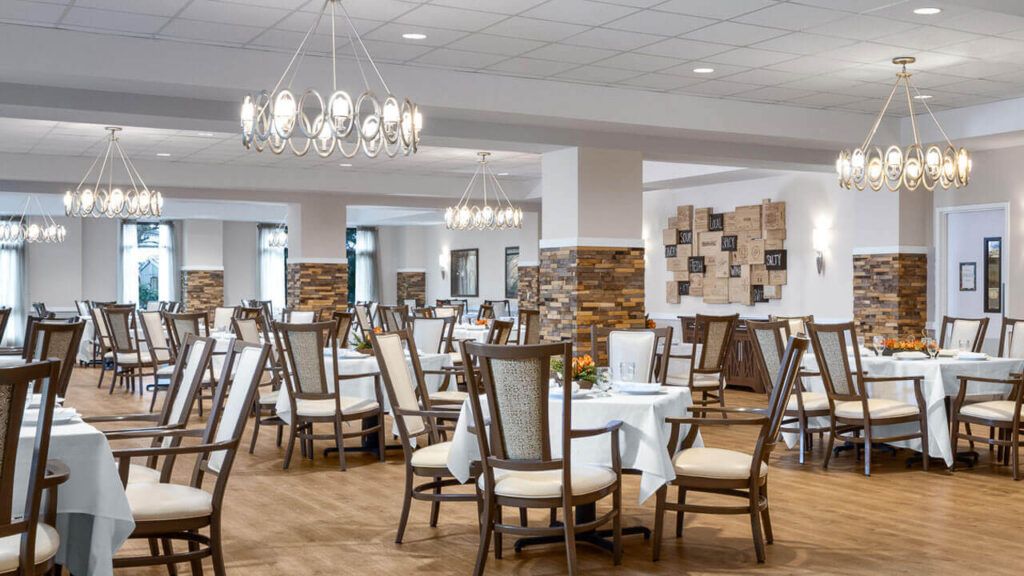
    At-home dementia care expenses vary widely based on care levels, location, and caregiver expertise, with monthly costs for home health aides exceeding $4,500 and specialized care potentially surpassing $100,000 annually. While families favor in-home care for its comfort and personalized attention, they must consider financial planning and the challenges of caregiver fatigue.