
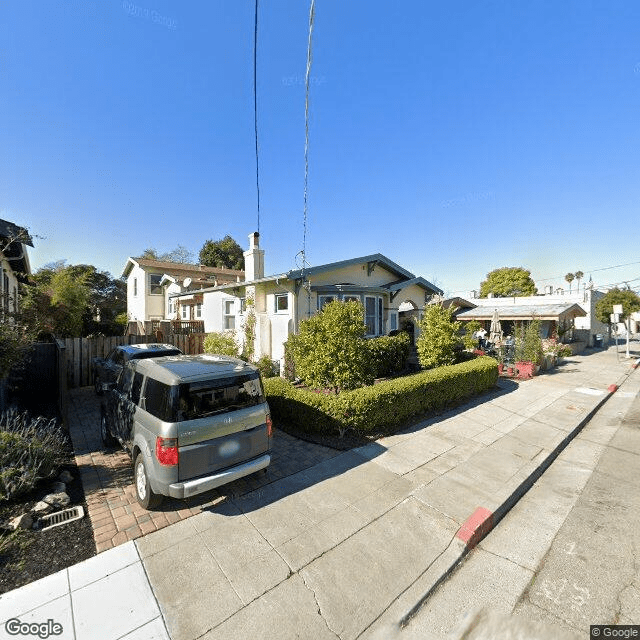
906 CORNELL AVENUE, Albany, CA 94706
To contact a resident: (650) 576-5133
For more information about senior living options: (866) 208-4318
Overall Review of Raksha 4
Pros
 Everything about Raksha Care Homes is very, very nice.
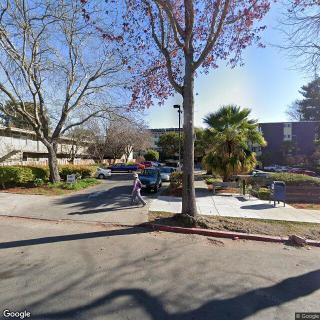
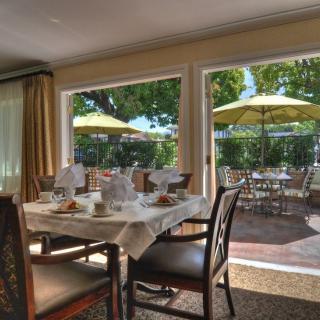
- Raksha Care Homes has a beautiful patio out front for residents to enjoy.
- Residents have very nice rooms.
- The food is homemade and organic, and residents really like it.
- The staff are very, very nice.
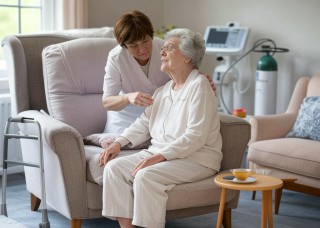
- The facility helps residents transfer from wheelchair using a ballet bar, which improves mobility.
- The homes have a distinct feeling of home, with friendly staff and a comfortable, at-home feel.
- Management and staff are incredibly supportive and attentive.
- They listen and actively work to provide the best possible care.
- They are always accessible by phone, email, and in person.
- They are actively involved with residents, and it is clear they want to serve them.
- The care home is highly recommended, with happy residents.
- The facility allows residents to stay in Albany, close to long-term friends and relatives.
Cons
 Raksha has been investigated by the DSS for multiple issues and complaints filed by family members.
- The reviewer would not have given Raksha any star and states that it does not deserve any star.
- One star was given only for rating references; the rating should be negative and no stars at all.
- There were complaints filed against Raksha.
Review
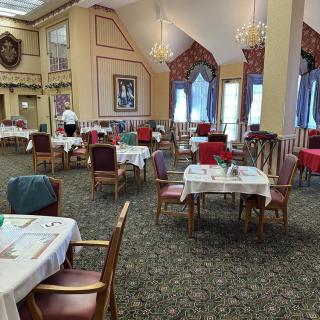
Raksha 4 in Albany is best suited for families that prize a warm, home-like atmosphere where rehabilitation and daily living support blend with very hands-on, attentive staff. It works well for residents who are recovering from a hospital stay or need targeted physical therapy, and for families who want frequent, meaningful visits without sacrificing a sense of comfort and community. The emphasis on lived-in spaces, such as a garden patio and a welcoming common area, plus the appeal of homemade, organic meals and private, comfortable rooms, makes Raksha 4 appealing to those who value personal warmth and daily connection with caregivers. In short, it’s a fit for families prioritizing accessibility, a domestic feel, and active staff engagement over a clinical, impersonal setting.
Conversely, this community may not be the best match for families seeking stringent regulatory assurance or highly specialized memory-care programming. The strongest caveat surfaced in the feedback is regulatory oversight concerns, with a reviewer pointing to Alameda County Department of Social Services investigations and complaints. For households where a flawless compliance track record or a dedicated memory-care environment is nonnegotiable, alternatives with current, transparent DSS reporting and clearer dementia-specific services should be pursued. The presence of memory challenges among some residents is noted, but the reviews do not describe a formal, dedicated memory-care unit or a proven structure for advanced memory needs, which is a crucial consideration for long-term planning.
The prominent positives are substantial and meaningful. The home-like feel and friendly, accessible staff emerge as the core strengths. Family members describe staff as attentive, responsive to requests, and genuinely involved in residents’ welfare, with real-time availability by phone, email, or in person. This level of engagement translates into peace of mind for families who want to stay closely connected and engaged in care planning. The physical setup, an obviously comfortable room, a bright patio for supervised outdoor time, and a setting that supports family interaction, amplifies the sense of security and daily satisfaction. For rehab-focused care, the combination of social ease, practical assistance, and ongoing therapy opportunities can meaningfully accelerate daily improvements.
Those strengths, however, do not fully erase the weight of the potential drawbacks. Regulatory concerns cannot be brushed aside: the third review explicitly flags investigations and family-filed complaints with the oversight agency. Prospective residents must balance the allure of a homey environment and responsive staff against the possibility of unresolved regulatory issues or gaps in compliance history. This tension means that while the day-to-day care experience may be favorable, families should verify the current status of licensing, recent corrective actions, and any open concerns. A clear, up-to-date DSS report should inform the ultimate decision, alongside corroboration from current residents and families about safety, staffing consistency, and care quality.
A practical decision framework helps families navigate these trade-offs. First, conduct a candid assessment of the resident’s current needs: is the goal short-term rehabilitation with social engagement, or long-term memory-support with higher supervision? If rehab and daily activity facilitation are paramount, Raksha 4’s strengths, diet, atmosphere, and hands-on staff, offer tangible value. Second, interrogate the facility about staffing ratios, consistency of care teams, and the availability of therapy services on the schedule that aligns with recovery targets. Third, obtain the latest regulatory status: request the DSS inspection history, any corrective plans, incident reports, and the facility’s response protocols. Finally, visit with potential referrals in hand, observe interactions across residents, and compare with alternatives that offer explicit memory-care options and transparent compliance records.
The verdict is nuanced but clear for the decisive reader. Raksha 4 presents a compelling case for families who want an intimate, home-like assisted living experience in Albany, anchored by proactive, caring staff and high-quality, homemade meals that resonate with residents and visiting families. Its rehabilitation focus and social-friendly design can translate into meaningful functional gains and lasting satisfaction for many residents. Yet the red flag raised by regulatory oversight concerns cannot be dismissed, and it should prompt rigorous due diligence before committing. If comfort with a current, well-managed regulatory picture is essential, exploration of other communities with stronger, verifiable compliance histories is prudent. For memory-care heavy needs or environments with established dementia-specific programming, alternatives with dedicated units should be prioritized. In sum, Raksha 4 is a strong contender for the right fit, one that is willing to trade a potential regulatory unknown for a warm, engaged, recovery-minded living experience in a familiar neighborhood.
 Board and Care Home
 Garden
 Metropolitan Oakland International (12 miles away)
 English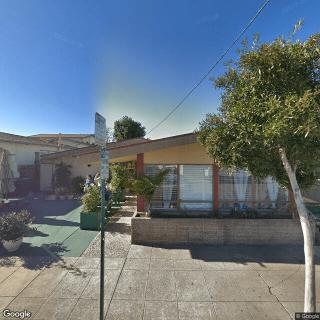

 Understanding Home Health Care: A Comprehensive Guide
 Home Health Care Demystified: A Comprehensive Guide for Families and Caregivers
 Seniors and Modern Transportation: Exploring Uber, Lyft, and Other Ride-Hailing Options