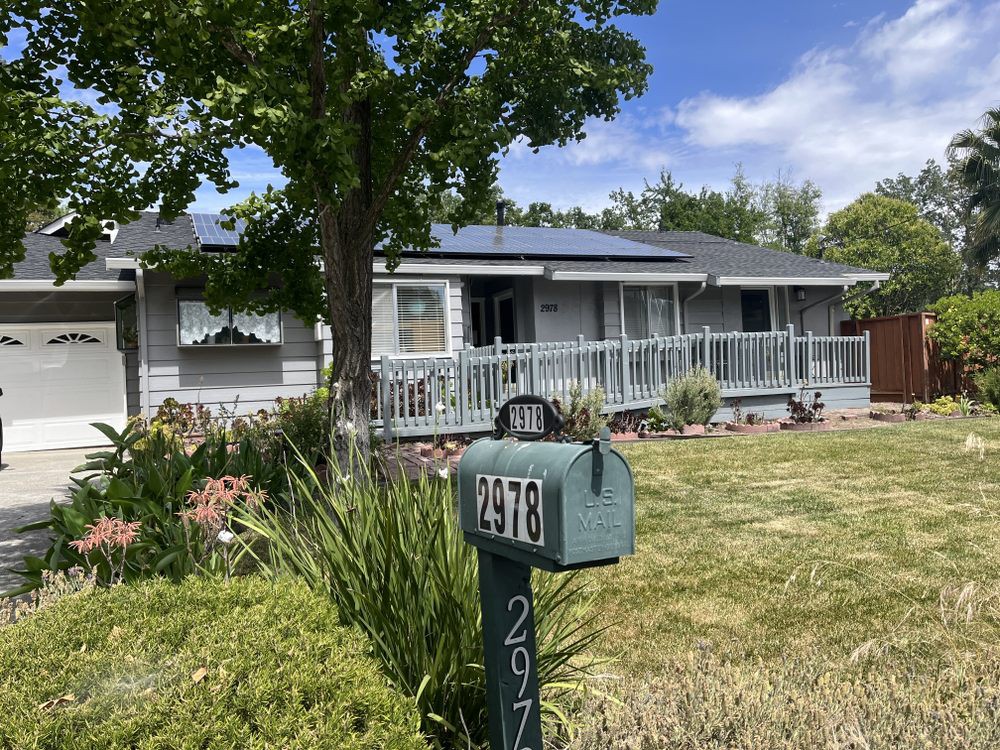


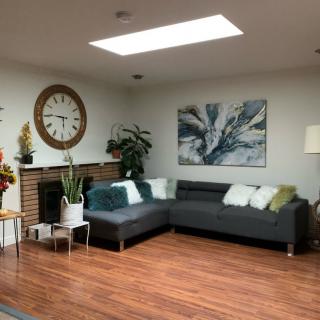
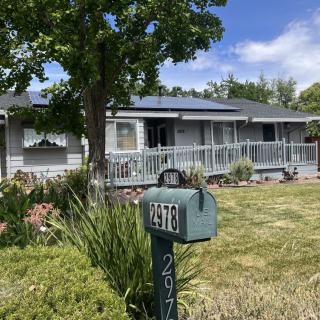
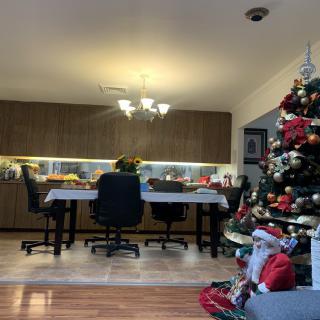

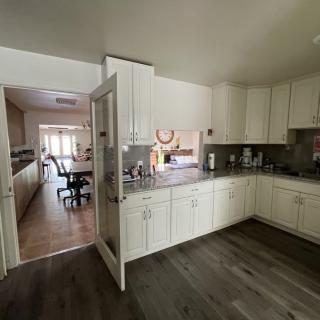
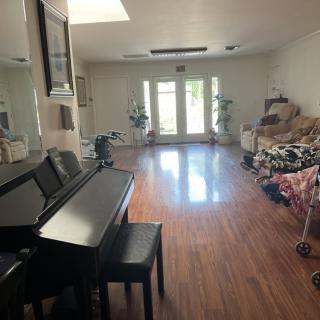
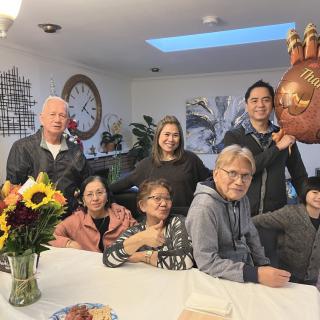
2978 Miranda Avenue, Alamo, CA 94507
For more information about senior living options: (866) 208-4318
Alamo Residence Home Costs & Pricing
Alamo Residence Home offers competitive pricing for its private room accommodations at $3,500 per month, which is notably lower than the average costs in Contra Costa County at $4,088 and the broader state of California at $3,939. This makes Alamo Residence Home an attractive option for individuals seeking quality care without the higher financial burden often associated with assisted living facilities in the area. The balance of affordability and quality care positions this residence as a commendable choice for those exploring senior living options in a desirable setting.
| Floor plans | Alamo Residence Home | Contra Costa County | California |
|---|---|---|---|
| Private | $3,500 | $4,088 | $3,939 |
Assisted Living communities with a similar price nearby
-
from -$500 / mo
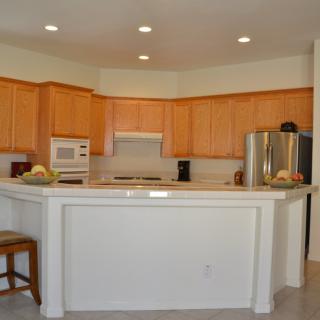
Laylor Care Home For The Elderly
$3,000 to $4,000 / month13.2 miles away -
from -$500 / mo

Palm Garden Home Care
$3,000 to $4,000 / month2.4 miles away -
from -$305 / mo
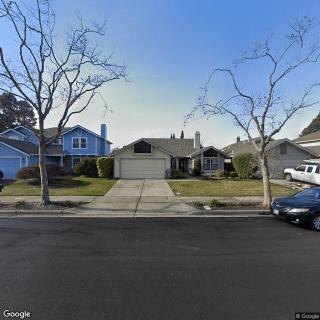
Harbor Bay Assisted Living
$3,195 to $5,000 / month14.8 miles away -
from +$500 / mo
Golden Age Of Channing Way
$4,000 to $5,000 / month14.7 miles away -
About the same

An Oak Grove Manor
$3,400 to $3,800 / month4.5 miles away
Overall Review of Alamo Residence Home
Pros
 The facility is described as a nice place that provides care, hospitality, cleanliness, and attentive staff.
- The owner, Joy Manalang, focuses on a safe, clean, attentive environment that respects residents' dignity, well-being, and independence.
- The staff are kind, loving, and highly attentive to each resident's preferences and needs, with minimal staff turnover.
- Joy is accessible and promptly addresses questions and concerns.
- The home is spacious and comfortable, helping residents feel at ease rather than confined.
- There are many activities and interactive media, with staff delivering lively interactions and game time.
- Caregivers are commended for diligent and loving care, and for supporting families during difficult times.
- Families express strong endorsements, recommending the care home to friends, family, and coworkers.
Review
Alamo Residence Home in Alamo, CA is best suited for families seeking a small, home-like setting where seniors receive highly personalized attention and can maintain a sense of independence. The residence functions as an intimate group home rather than a large campus, making it ideal for residents who flourish with direct access to a hands-on owner and a stable, consistently present caregiving team. This community works best for those who value dignity, warmth, and a trusted, approachable care structure over institutional formality. It is less suited for families needing extensive clinical services, complex dementia programming, or a wide array of on-site medical resources.
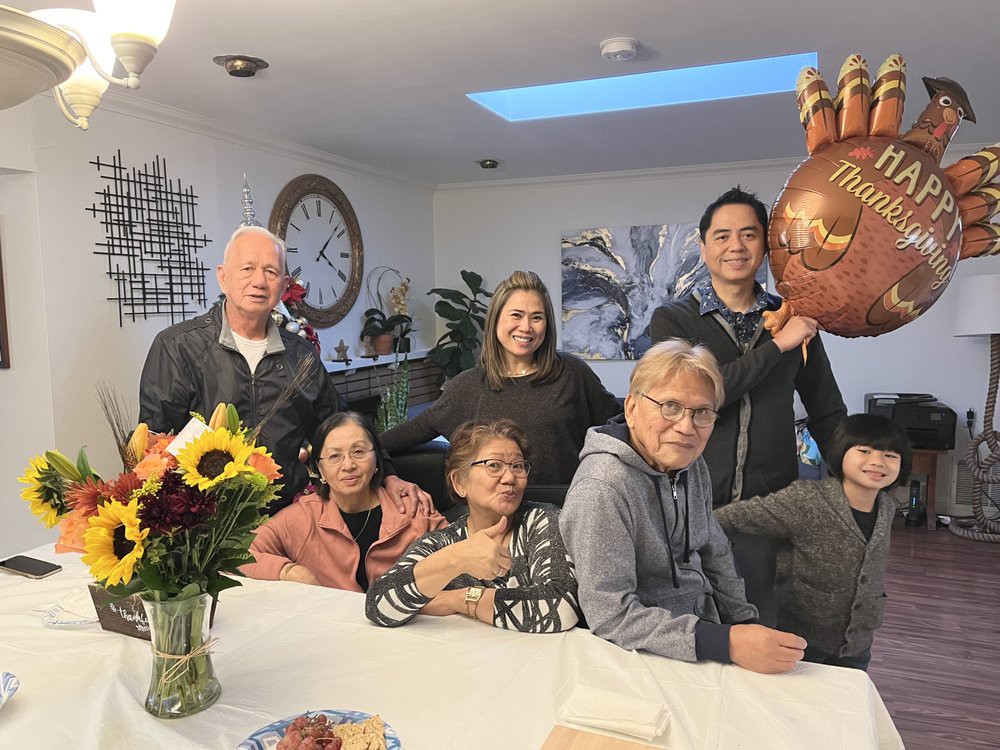
The core strengths lie in personalization and continuity. The staff-to-resident dynamic is marked by low turnover, enabling relationships that feel genuine and stable rather than transient. The owner, Joy Manalang, is described as accessible and responsive, a critical asset for addressing questions or concerns promptly. Residents are tended to with kindness and attentiveness aligned to individual preferences, comfort, and dignity. The home-like atmosphere supports independence by avoiding a crowded, impersonal feel, and families gain reassurance that care decisions can be made quickly with a familiar voice guiding the process.
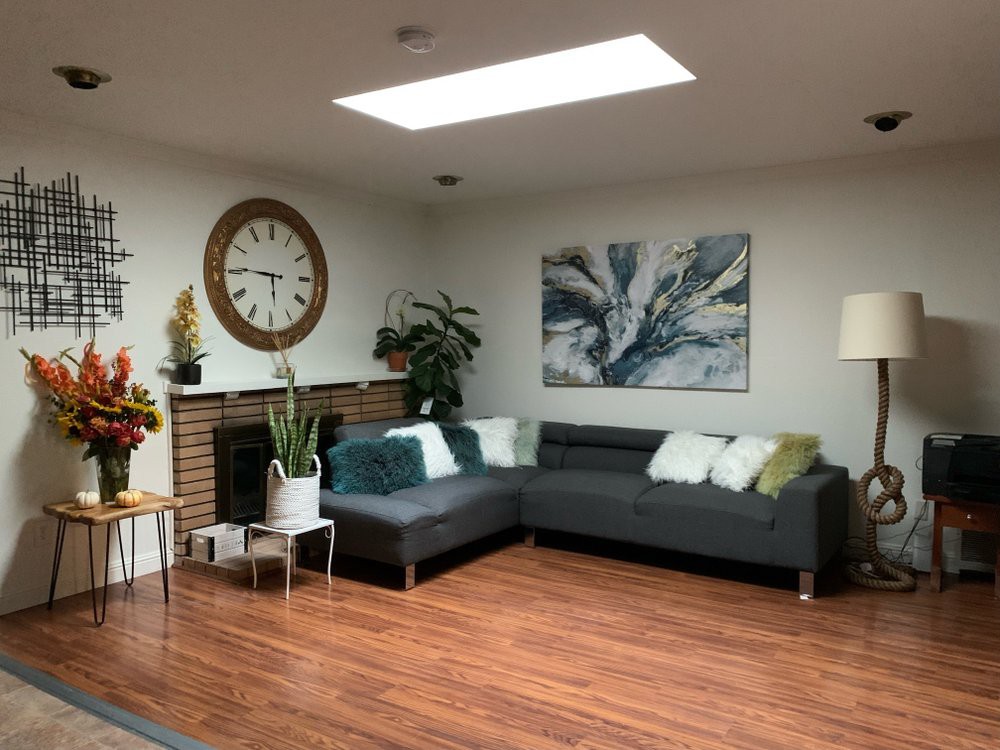
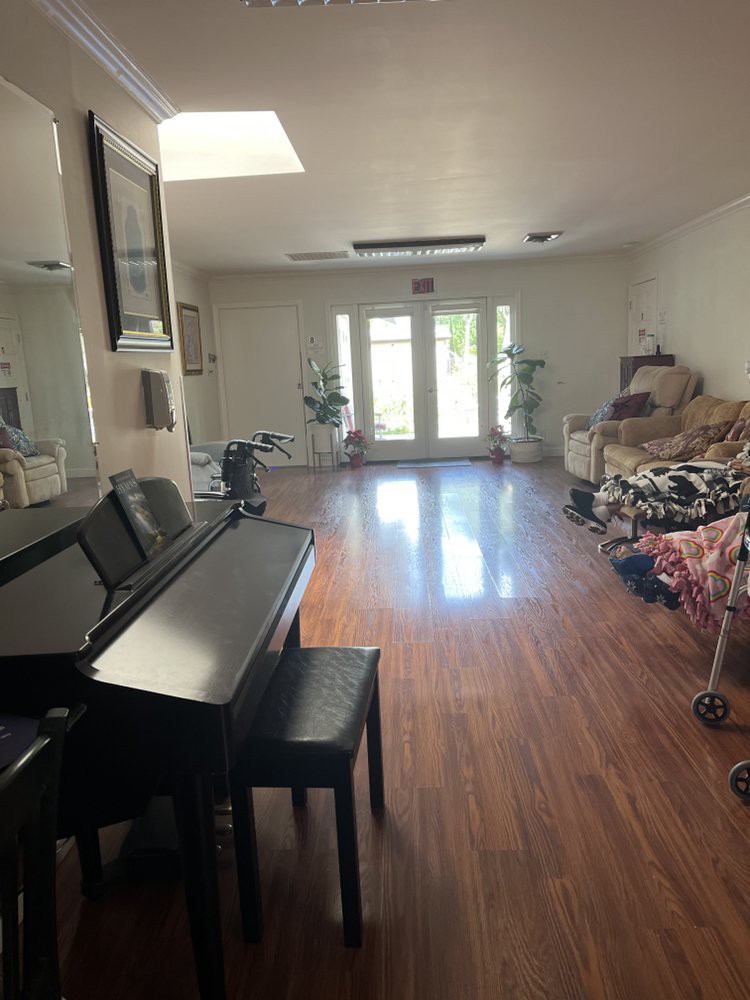
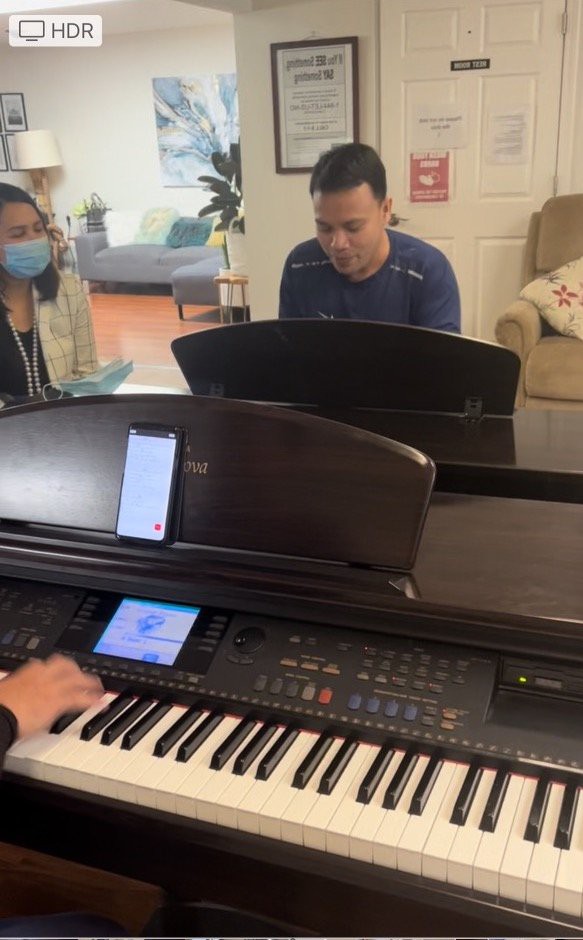
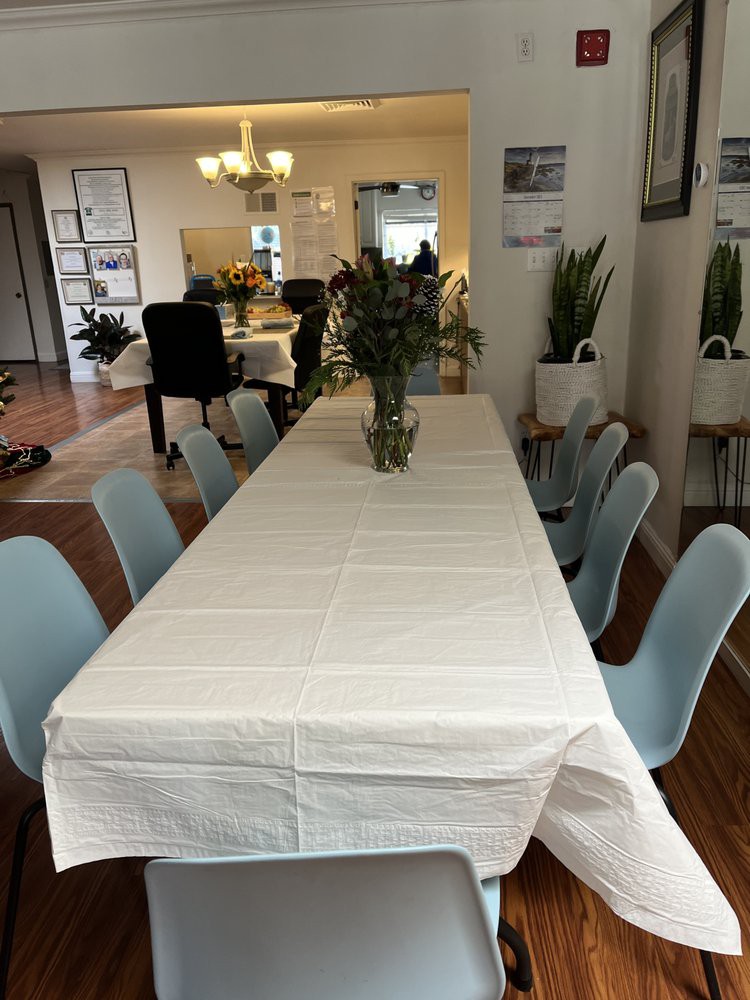
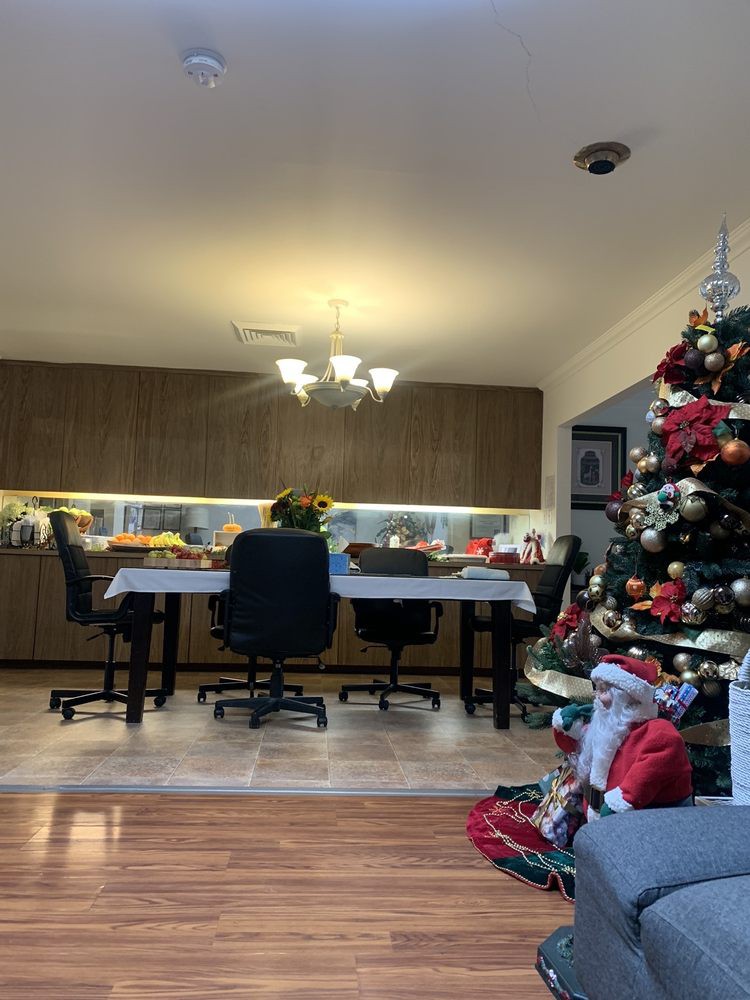
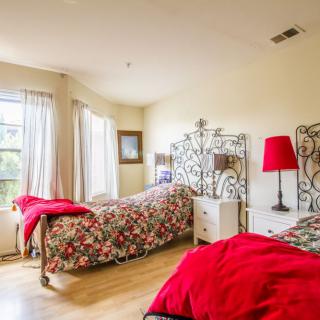
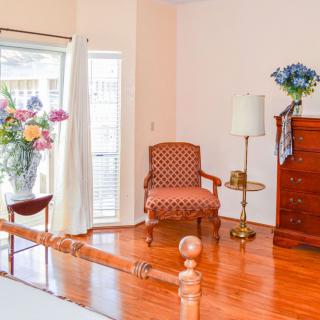
Another substantial advantage is the environment itself. The house is notably spacious, translating into rooms that feel comfortable rather than cramped. Residents move about with ease, reducing confinement and associated stress. A culture of interaction is evident, with staff engaging residents through lively programming and game time, along with interactive media that can entertain and stimulate memory and conversation. Activities are frequently available and varied, helping to maintain social connections and mental engagement. These elements combine to create a welcoming setting where a loved one can settle in without the harsh cues of a institutional setting.
Nevertheless, the small-home model implies potential limits when clinical rigor and institutional breadth are required. While attentive staff and prompt leadership can meet a broad spectrum of daily needs, situations demanding robust clinical oversight, 24/7 nursing, advanced memory care, or hospital-style rehab may outpace what a home-style setting can deliver. For seniors with complex medical regimens, frequent skilled nursing needs, or a demand for a wide calendar of medically oriented programs, alternatives such as larger assisted living campuses or specialized memory-care communities may offer more comprehensive coverage. Families should weigh these realities against the value of the intimate, homelike setting.
Despite these caveats, the positives tend to offset most practical concerns. The tight-knit staff relationships and steady leadership mean health changes and routine shifts are noticed quickly, enabling timely adjustments to care plans. Personal attention reduces miscommunication, while accessible ownership helps keep concerns from lingering. The private, spacious environment fosters dignity during daily activities and transitions, and the active programming supports ongoing social connection and cognitive engagement. Overall, the experience feels designed to honor independence while ensuring safety and comfort in equal measure.
Bottom line: for families prioritizing warmth, dignity, and individualized attention in a home-like setting, Alamo Residence Home offers a compelling, practical option. It shines for seniors who value consistent caregivers, accessible leadership, and a comfortable living space with meaningful activities. Those seeking extensive clinical services, formal memory-care structures, or a large campus should consider alternatives with more comprehensive medical staffing and specialized programming. Prospective families should schedule visits, speak with current residents or their families, verify licensing details, and ask targeted questions about staff ratios, care plans, and how changes in health will be managed over time.
 6 resident community capacity
 Assisted Living
 Board and Care Home
 Cable or satellite TV
 Dining room
 Fully furnished
 Garden
 Housekeeping services
 Move-in coordination
 Outdoor space
 Private
 Telephone
 Wi-Fi/high-speed internet available
 Metropolitan Oakland International (14 miles away)
 24-hour supervision
 Activities of daily living assistance
 Assistance with bathing
 Assistance with dressing
 Assistance with transfers
 Diabetes diet
 Meal preparation and service
 Medication management
 Special dietary restrictions
 Transportation arrangement (medical)
 Transportation to doctors appointments


 Comprehensive Insights into Activities of Daily Living (ADLs) and Their Assessment
 Guiding Elderly Parents Who Refuse Assisted Living: 6 Practical Steps
 Your Comprehensive Guide to Luxury Assisted Living: Elevated Facilities, Amenities, and Costs