

405 Channing Way, Alameda, CA 94502
To contact a resident: (510) 523-3749
For more information about senior living options: (866) 208-4318
Goldencare 1 Costs & Pricing
Goldencare 1 offers competitive monthly rates for its services, particularly when compared to the broader market in Alameda County and across California. For a semi-private room, Goldencare 1's cost is set at $3,500, which is slightly above the county average of $3,273 but remains within reach of the state average of $3,333. In terms of private rooms, Goldencare 1 charges $4,000 per month; while this is higher than both the Alameda County rate of $3,748 and the statewide average of $3,939, it reflects the premium care and amenities that residents can expect from this facility. Overall, Goldencare 1 presents a balanced option for those seeking quality care with reasonable pricing in a supportive environment.
| Floor plans | Goldencare 1 | Alameda County | California |
|---|---|---|---|
| Semi-Private | $3,500 | $3,273 | $3,333 |
| Private | $4,000 | $3,748 | $3,939 |
Senior living communities with a similar price nearby
-
from -$500 / mo

Golden Harmony Elderly Care
$3,000 / month22.0 miles away -
from -$600 / mo

Parkside Manor
$2,900 to $3,600 / month19.8 miles away -
from -$500 / mo

Palm Garden Home Care
$3,000 to $4,000 / month14.9 miles away -
About the same

Apple Tree Home Care
$3,500 / month11.7 miles away -
from -$305 / mo

Harbor Bay Assisted Living
$3,195 to $5,000 / month0.3 miles away
Overall Review of Goldencare 1
Pros
 Ali has been very helpful.
- She is always on time and always friendly.
- She is very thorough.
- She is very kind.
- She recommends this service to anyone who needs physical therapy at home.
Cons
 They are unprofessional.
- They are unhelpful.
- They are lazy.
Review
Goldencare 1 in Alameda is best suited for seniors who want physical therapy delivered in the comfort of their own home, and who place a premium on punctual, friendly, and thorough hands-on care. The strongest signal from the available experiences is that a skilled home therapist can make a meaningful difference in rehab progress without requiring a trip to a clinic. When a caregiver or family member needs to coordinate visits around a busy schedule, and when independence and safety at home are top priorities, this provider can be a practical, low-friction option. The Alameda market presents a clear fit for individuals who are working to regain function after an injury or surgery, or who need ongoing maintenance therapy that supports daily living without constant transportation needs. In short, Goldencare 1 appears most valuable for those who want reliable in-home PT with a caregiver-friendly touch and who do not require a broad continuum of facility-based services.
Those weighing alternatives should consider whether the primary objective goes beyond rehabilitative work to encompass a full-service living environment. If daily supervision, assisted living-level support, social programming, medication management, and robust 24/7 staffing are essential, a traditional assisted living community or a larger home-care agency with integrated care teams may offer superior continuity and scale. The mixed reviews suggest that outcomes can vary by clinician, which matters when care needs are ongoing or complex. For families seeking a single, consistently high-performing team across multiple modalities, or for clients who fear gaps in accountability, exploring other providers with a track record of uniform standards and predefined quality controls is prudent. In short, this option should be weighed against providers that offer more comprehensive onsite or multi-disciplinary support.
Pros center on the human touch and practical convenience. The strongest thread is that the therapist, particularly the provider named Ali, is described as helpful, punctual, friendly, thorough, and kind. When care is delivered reliably on a schedule, with a clinician who communicates progress and adapts exercises thoughtfully, the home-therapy model can accelerate recovery while preserving independence. For seniors who value personal rapport and a focused scope of service, rebuilding strength, mobility, or balance at home, the positive experience can translate into tangible improvements in daily functioning. The at-home format minimizes transportation challenges, reduces fatigue from travel, and allows therapy to be integrated into the home environment where activities of daily living occur. These advantages can outweigh the inconvenience of coordinating visits if the therapist remains consistent and the care plan is well-documented and goal-driven.
The main caveat rests on the variability implied by the negative note: unprofessional, unhelpful, lazy. That lone critique signals that not every clinician within the same brand delivers at the highest standard, and it underscores the risk of relying on a single provider in a service that hinges on one-on-one interactions. With only two reviews available, the sample is too small to declare a systemic flaw, but it is large enough to caution families about potential swings in quality and professionalism. The risk is particularly salient for clients with complex therapy needs, tight timelines, or high expectations for communication and accountability. Families should probe for consistency, whether scheduling, progress reports, and treatment plans are standardized across therapists, and whether there is a straightforward process to address concerns when they arise. In practical terms, this means insisting on a dedicated therapist if possible, clear documentation of goals, and a transparent method for escalation.
To make this fit-for-decision guidance actionable, balance the strengths against the risks with a disciplined approach. The favorable portrayal of Ali suggests that a decisive win is achievable if the client can lock in a reliable clinician who shows up prepared, stays on plan, and communicates well. The offsetting concern, potential inconsistency, can be managed by requesting continuity of care, setting explicit expectations in writing, and confirming the provider’s policy on replacements if a therapist is unavailable. Insurance coverage, invoicing clarity, and scheduling policies should be clarified upfront, along with the scope of therapy offered (strength-and-balance work, gait training, home safety education, and progression benchmarks). A trial period with a single therapist, accompanied by measurable goals and periodic re-evaluation, is a prudent path before committing to a longer-term care arrangement.
Overall, Goldencare 1 represents a practical, home-centric option for seniors whose priority is convenient, professional physical therapy delivered in familiar surroundings. The service can be a strong fit for those pursuing rehabilitation goals or ongoing maintenance while remaining in the home environment, particularly when a warm, dependable clinician is secured. However, the decision should be tempered by the recognition that performance may vary between providers within the same brand, and that a single negative impression can color overall impressions of reliability. Families facing broader care needs, such as round-the-clock supervision, meal service, and social programming, will likely want to evaluate other options with a more integrated care model. The careful course is to test-drive a therapist, secure continuity, and confirm clear lines of communication before committing, then compare with alternatives that align more fully with the extent of daily support desired.
 Board and Care Home
 Private
 Metropolitan Oakland International (2 miles away)
 Diabetic care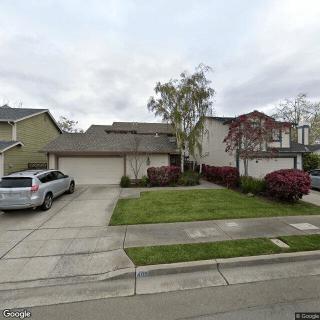







 Exploring Nonmedical Home Care: Understanding Services, Costs, and Financial Approaches
 Engaging Brain Games and Innovative Apps to Keep Senior Minds Active
 Effective Strategies for Keeping Seniors' Minds Active: A Deep Dive into Brain Games and Apps